

What Is Rhatany Root?
Most people have never heard of rhatany root — and that's a shame, because it's been in European herbal pharmacopoeias since the early 1800s. Long before modern toothpaste existed, herbalists were grinding rhatany root into tooth powders to tighten inflamed gums, stop bleeding, and freshen breath.

Rhatany root comes from Krameria lappacea, a shrub native to the high-altitude slopes of Peru, Bolivia, and Chile. It's the root bark that's used — dried, extracted, and traditionally recognized as one of the most potent botanical astringents for oral tissue. The German Commission E, one of the most rigorous herbal medicine authorities in the world, officially approved rhatany root for use in oral mucosa and gum inflammation.
That's a meaningful bar. And it's why we include Rhatany Root CO₂ in both Living Crystal Toothpaste and our Complete Botanical Mouth Rinse.
Rhatany root was used in tooth powders and herbal oral formulas for over 150 years before it found its way into modern natural toothpastes. The science finally caught up with the tradition.
How Rhatany Root Works in Your Mouth
The active compounds in rhatany root are its tannins — specifically oligomeric proanthocyanidins (OPCs) and a unique phenolic compound called ratanhiaphenol. These work through several overlapping mechanisms that make rhatany root one of the most versatile botanicals in oral care.
1. Astringent Action on Gum Tissue
Tannins bind to proteins in gum tissue, temporarily tightening and firming the tissue. This is the classic mechanism behind rhatany root's use for bleeding gums — the astringent effect physically reduces the micro-tears and inflammatory puffiness that allow bleeding to occur during brushing. If your gums feel sore, swollen, or bleed easily, this mechanism is directly relevant to why rhatany belongs in your formula.
2. Antimicrobial Activity
Ratanhiaphenol, the neolignane compound unique to rhatany root, has demonstrated inhibitory activity against Streptococcus mutans — the primary cavity-causing bacteria in the mouth — as well as against Porphyromonas gingivalis, a key driver of periodontal disease. Unlike broad-spectrum antiseptics that indiscriminately kill all oral bacteria, rhatany root's phenolic compounds target specific pathogenic species without disrupting the beneficial bacteria that keep your oral microbiome in balance.
3. Anti-Inflammatory Support
OPCs from plants like rhatany root have been shown to inhibit pro-inflammatory cytokines, including COX-2 and NF-κB pathways. In the context of the mouth, where chronic low-grade inflammation is one of the earliest signs of gum disease, this anti-inflammatory action works alongside the astringent effect to reduce the tissue damage cycle — where inflammation weakens tissue, allowing more bacteria in, causing more inflammation.
4. Wound Healing
Rhatany root has a documented traditional use for aphthous ulcers (canker sores) and irritated oral mucosa. The tannin-rich extract forms a light protective film over damaged tissue, supporting healing while reducing the discomfort that makes eating and brushing difficult.
The CO₂ Extraction Advantage
Living Crystal Toothpaste uses Rhatany Root CO₂ extract — not a simple water infusion or alcohol extract. This matters for the same reason it matters with myrrh CO₂, clove CO₂, and calendula CO₂: CO₂ supercritical extraction operates at low temperatures, preserving the delicate polyphenolic compounds (OPCs, ratanhiaphenol) that would be damaged or lost with heat or solvent extraction methods.
A hot-water rhatany tea, while traditional, loses a significant fraction of its active neolignane compounds in the process. CO₂ extraction captures the full complement of phenolics at their highest concentration — which is what you want when you're applying a botanical to gum tissue twice daily.
Rhatany Root in the Living Crystal Formula
Living Crystal Toothpaste is built around a botanical canvas — a combination of traditional herbal extracts that work alongside the mineral actives (hydroxyapatite, zinc citrate, theobromine, xylitol, kaolin clay) to create a comprehensive oral care formula. Rhatany Root CO₂ is part of this botanical layer alongside:
- Organic Myrrh CO₂ — anti-inflammatory, antimicrobial resin
- Organic Clove CO₂ — eugenol-rich analgesic and antibacterial
- Licorice Root CO₂ — glycyrrhizin content supports gum health
- Usnea Lichen CO₂ — usnic acid, gram-positive bacterial inhibitor
- Organic Calendula CO₂ — tissue-soothing anti-inflammatory
- Tea Tree Oil — broad-spectrum antimicrobial
- Organic Cinnamon Bark — cinnamaldehyde antibacterial
- Tea Tree Oil in Toothpaste: What This Botanical Does for Your Oral Health
No single botanical solves gum health. What the Living Crystal formula does is layer multiple well-documented herbs — each targeting overlapping mechanisms — so that the formula works on gum health, bacterial balance, and tissue integrity simultaneously.
Rhatany Root in the Restorative Mouth Rinse
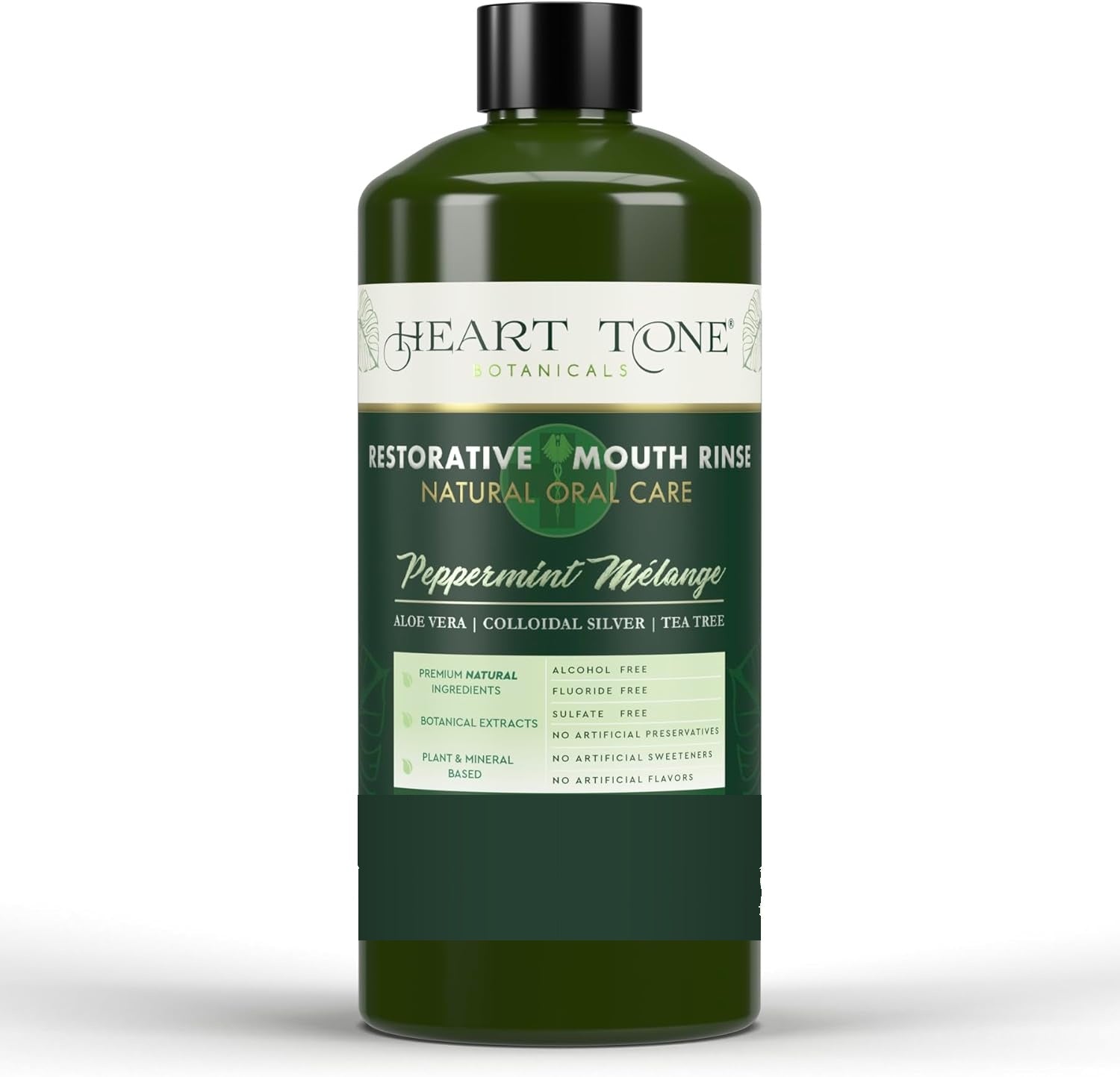
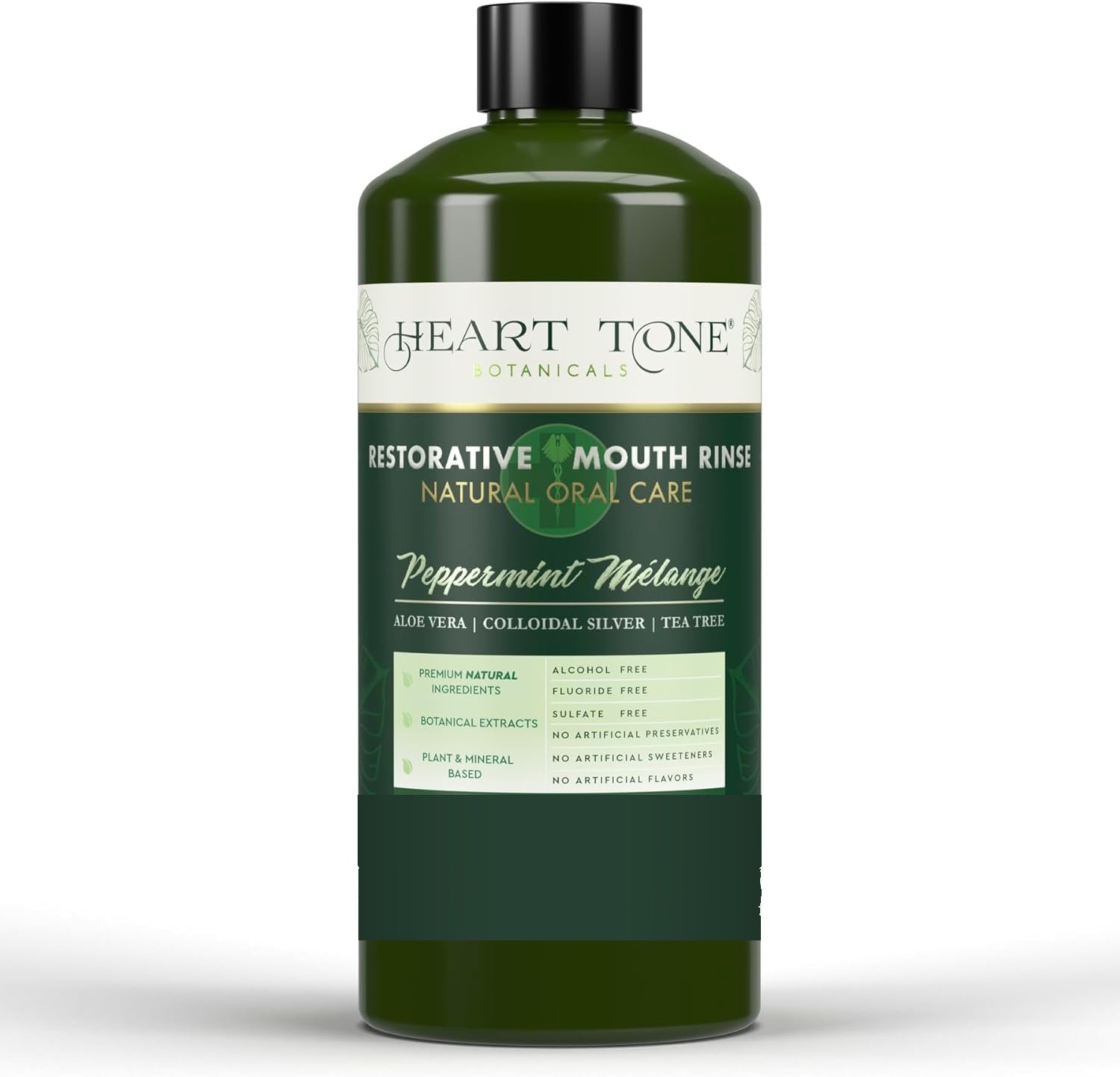
Our Complete Botanical Mouth Rinse also includes Krameria lappacea (rhatany root), alongside colloidal silver, aloe vera, licorice root CO₂, myrrh CO₂, clove CO₂, thyme CO₂, oregano CO₂, turmeric CO₂, and 13 other botanicals. In a rinse, the rhatany root has direct contact with the full gum line and soft tissues — the astringent and anti-inflammatory effects reach the areas that a toothbrush sometimes misses.

This is one reason why pairing the toothpaste with the mouth rinse creates a more complete gum care routine than either product alone: the toothbrush delivers the mechanical clean and the paste's minerals to enamel surfaces, while the rinse bathes the gum pockets and soft tissue with a concentrated botanical blend.
When gum health is the goal, the combination of mechanical cleaning (brushing) and a botanical rinse that reaches soft tissue pockets and the gum line is more effective than either step alone.
Who Is Rhatany Root For?
If your gums bleed when you brush — even occasionally — rhatany root is directly relevant to you. Bleeding gums are a sign of inflammation, and the astringent tannins in rhatany directly address that mechanism. This is one reason rhatany root remained in European herbal dental formulas for over a century: it produced noticeable results in people whose gums bled during brushing, without the side effects of chemical antiseptics.
It's also valuable for anyone with canker sores or mouth irritation, anyone transitioning from conventional toothpaste (SLS can cause canker sores — rhatany root supports healing), and anyone who wants a toothpaste botanical layer that goes beyond mint flavor into functional gum support.
Frequently Asked Questions
Is rhatany root safe to use daily?
Yes. Rhatany root has a long track record of safe use in oral care, and the German Commission E approved it for oral mucosa and gum inflammation. The amounts used in toothpaste formulas are well within traditional and studied safety ranges. CO₂ extraction produces a more concentrated extract, but at typical toothpaste inclusion levels, this translates to effective activity rather than any safety concern.
Does rhatany root have a taste?
Rhatany root extract has a mild, slightly astringent, earthy character. At the levels used in Living Crystal Toothpaste, it's part of the herbal botanical background flavor — noticeable as depth rather than a dominant taste. The mint oils (peppermint, spearmint, wintergreen, cornmint) are the primary flavor carriers.
How is rhatany root different from myrrh in oral care?
Both are traditional botanical astringents used in oral care — but their mechanisms differ. Myrrh (Commiphora) is primarily resinous and antimicrobial, with strong inhibition of periodontal pathogens. Rhatany root is primarily tannin-rich and astringent, with more direct action on gum tissue firmness and bleeding reduction. The two are complementary, which is why Living Crystal includes both as CO₂ extracts.
Can I use rhatany root toothpaste if I have sensitive teeth?
Yes. Rhatany root is not an abrasive, and it doesn't affect enamel. Its action is on soft tissue (gums and mucosa). Living Crystal's low RDA score of 35 (well below the 70 threshold often cited for sensitive enamel) means the formula overall is enamel-safe, and rhatany root contributes to the gum health side of that equation without any abrasion concern.
The Bottom Line
Rhatany root has 200 years of documented use in European botanical oral care — not as a trend ingredient, but as a clinically recognized astringent approved by regulators for gum inflammation and oral mucosa health. The CO₂ extract form preserves its full phenolic activity. In Living Crystal Toothpaste and our Complete Botanical Mouth Rinse, it works alongside a full botanical canvas to give your gum tissue real functional support — not just flavor.
If you're looking for a fluoride-free toothpaste that takes gum health seriously at the ingredient level, the Living Crystal formula is one of the few in the natural oral care space that includes rhatany root at all — let alone as a CO₂ extract.

Leave a comment
This site is protected by hCaptcha and the hCaptcha Privacy Policy and Terms of Service apply.