

Damaged hair is one of the most common hair concerns — and one of the most misunderstood. Heat tools, chemical treatments, tight styles, hard water, and even over-washing all take a toll. But what most conventional conditioners offer isn't repair. It's an illusion of it.

Silicones coat the strand. They make hair feel smoother and look shinier in the short term. But they also create a barrier that blocks actual moisture from getting in — and over time, they can weigh hair down and interfere with your scalp's natural balance. True repair requires ingredients that can penetrate the hair shaft, reinforce what's been weakened, and restore moisture from the inside out.
That's what a genuinely natural conditioner for damaged hair does differently.
What Causes Hair Damage in the First Place
Before you can repair your hair, it helps to understand what you're working with. Hair is made of a protein called keratin, arranged in a layered structure. The outermost layer — the cuticle — is made of overlapping scales that protect the inner cortex where moisture and strength live.
When hair is damaged, those scales are lifted, broken, or stripped away. This is what causes:
- Frizz — lifted cuticles catch moisture from the air unevenly
- Breakage — the cortex is exposed and weakened
- Dullness — light reflects unevenly off rough cuticle surfaces
- Tangles — lifted scales snag on each other
- Dryness — moisture escapes through gaps in the cuticle
The right conditioner should help smooth and seal those cuticle scales while delivering moisture and protein to the areas that need it most. Silicone does the sealing without the delivering. Natural plant-based ingredients can often do both.
What to Look For in a Natural Conditioner for Damaged Hair
Not all "natural" conditioners are created equal. Here's what the best ones for damaged hair actually contain:
Plant-Based Humectants
Humectants draw moisture into the hair shaft. Look for aloe vera, glycerin (vegetable-derived), and honey. These attract and hold water within the strand rather than just coating the outside.
Penetrating Oils
Not all oils sit on the surface. Oils like coconut, avocado, and argan are small enough in molecular structure to penetrate the cuticle and reach the cortex — where actual nourishment can happen. They help prevent protein loss and reduce breakage from the inside.
Natural Emollients for Slip and Softness
Shea butter, mango butter, and cocoa butter smooth the cuticle and add softness without silicone. They make detangling easier and give hair a healthy, natural sheen.
Botanical Proteins
Hydrolyzed plant proteins (from wheat, quinoa, or rice) can temporarily fill gaps in the hair cuticle and cortex, reinforcing weakened strands. This is especially helpful for chemically damaged or heat-stressed hair.
Scalp-Supportive Herbs
Ingredients like moringa, rosemary, and nettle don't just benefit the scalp — they support the full hair growth cycle from root to tip, contributing to stronger, more resilient hair over time.
What to Avoid in a Damaged Hair Conditioner
If your goal is real repair — not a temporary cosmetic fix — here's what to leave on the shelf:
- Dimethicone and other silicones — they coat the strand and block moisture absorption
- Sulfates in the conditioner step — rare but sometimes present in "cleansing conditioners"; strip natural oils
- Alcohol (short-chain) — drying agents like isopropyl or SD alcohol can worsen damage
- Synthetic fragrance — a common irritant that can trigger scalp inflammation and worsen hair fragility
- PEGs and parabens — preservatives linked to hormone disruption with regular exposure
Reading the ingredient list matters. If the third or fourth ingredient is a silicone (ends in "-cone," "-xane," or "-siloxane"), that conditioner is built around coating, not conditioning.
How to Use a Natural Conditioner for Maximum Repair
Even the best conditioner needs to be used correctly to do its job.
1. Cleanse First, Then Condition
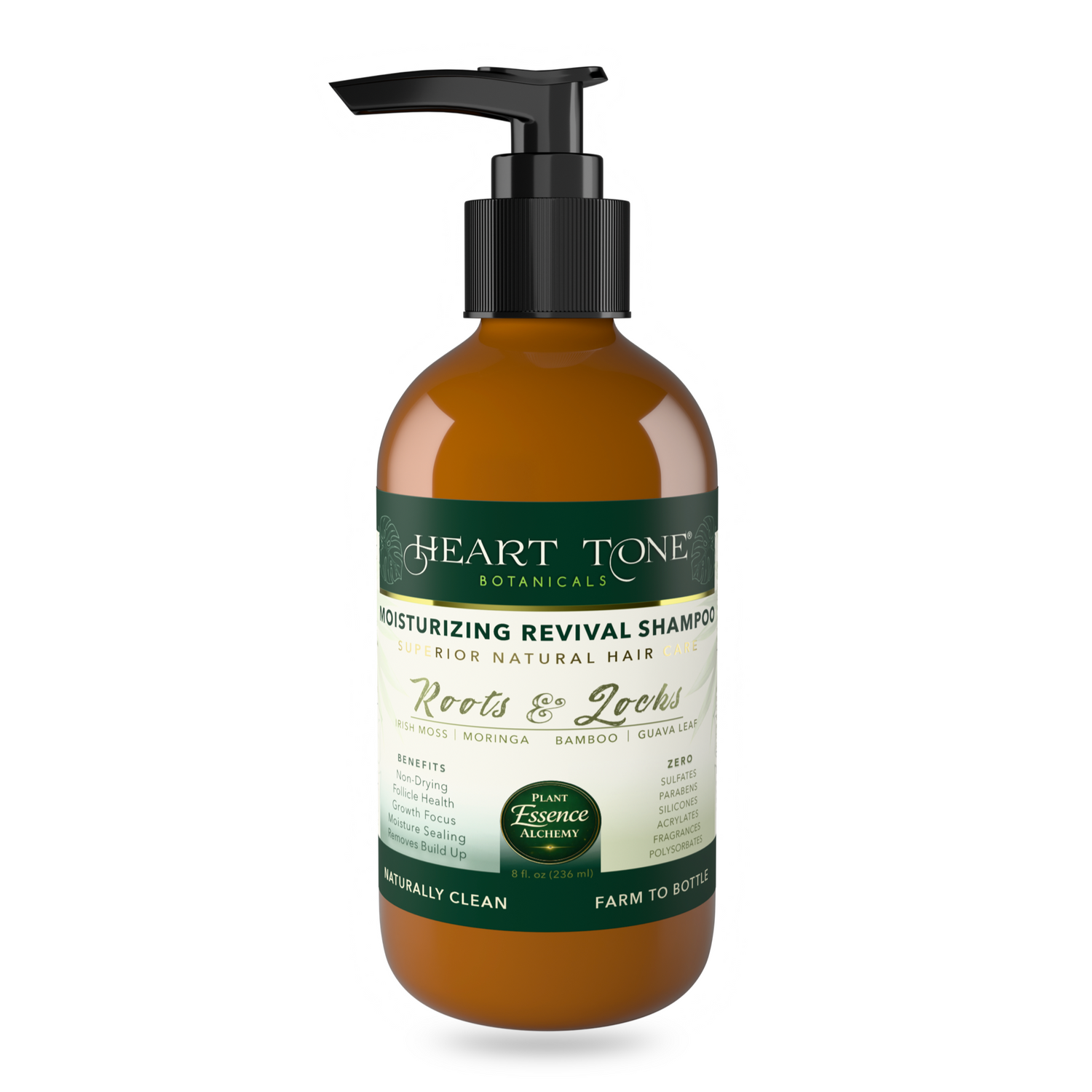
Conditioner works best on clean hair. Product buildup, oils, and scalp debris can block the conditioner from reaching the hair shaft. Use a gentle, sulfate-free shampoo — like our Roots & Locks Moisturizing Revival Shampoo — to open up the process properly.
2. Apply to Damp, Not Wet, Hair
Soaking wet hair is already saturated with water. Slightly damp hair absorbs conditioner more evenly. After rinsing shampoo, squeeze out excess water and then apply your conditioner.

3. Focus on the Mid-Lengths and Ends
The ends of your hair are the oldest and most damaged. That's where conditioner is needed most. The roots and scalp generally don't need conditioner — and applying it there can sometimes cause buildup or limpness.
4. Leave It On for 3–5 Minutes
Letting the conditioner sit gives the ingredients time to work. For deeper damage, use a shower cap to trap heat and enhance penetration. This turns a regular conditioning session into a mini deep conditioning treatment.
5. Rinse with Cool Water
Cool water helps close the cuticle after conditioning — sealing in moisture and adding shine. Hot water does the opposite: it lifts the cuticle and can lead to frizz and dryness.
Why We Made Roots & Locks Moisturizing Revival Conditioner
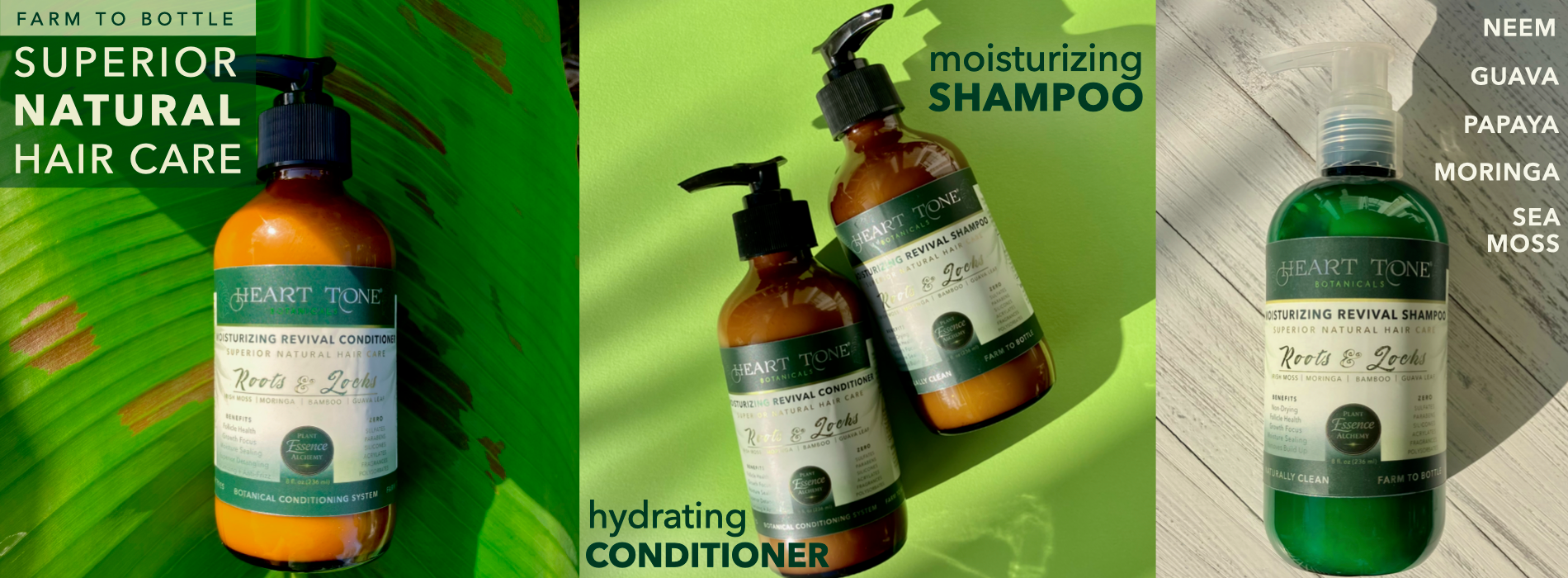
At Heart Tone Botanicals, we formulate with what works in nature — not what's cheapest to synthesize. Our Roots & Locks Moisturizing Revival Conditioner was built around the actual needs of thirsty, damaged, or moisture-starved hair.
It's free from silicones, sulfates, parabens, and synthetic fragrance. Instead, it delivers plant-based moisture and conditioning through real botanical ingredients — the kind that work with your hair's natural structure rather than masking what's underneath.
Pair it with our Roots & Locks Moisturizing Revival Shampoo for a complete wash-day system designed for hair that needs real nourishment, not a quick cosmetic fix.
You can explore the full collection at Heart Tone Botanicals Hair Care.
How Long Does It Take to See Results?
This is where honest expectations matter. No conditioner repairs hair overnight. Hair is not living tissue once it grows past the follicle — it can't heal the way skin does. What conditioning does is restore moisture, smooth the cuticle, reduce breakage, and improve how hair behaves over time.
With consistent use of a quality natural conditioner:
- After 1–2 washes: Hair feels softer, more manageable, easier to detangle
- After 2–4 weeks: Frizz reduces noticeably; hair looks healthier and shinier
- After 6–12 weeks: Less breakage; new growth comes in stronger; overall hair health improves
The real transformation happens at the root — literally. As you protect your existing strands and support a healthy scalp, new hair grows in stronger and more resilient than what was damaged.
The Bottom Line
If you're dealing with damaged, dry, or brittle hair, the conditioner you choose matters more than most people realize. A silicone-heavy conditioner will make your hair look better temporarily and may actually block the moisture repair you're trying to achieve.
A genuinely natural conditioner — one built around penetrating oils, plant humectants, and botanical emollients — does the slower, more honest work of real restoration. It takes a few weeks. But the results are real, not just cosmetic.
Your hair is worth that investment. So is what you put on it.
Shop Roots & Locks Moisturizing Revival Conditioner →
Try It: Roots & Locks Shampoo & Conditioner
Heart Tone Botanicals' Roots & Locks Moisturizing Revival Shampoo and Conditioner are formulated for all hair types — sulfate-free, silicone-free, and packed with farm-grown botanicals that nourish the scalp and restore moisture balance without stripping. Perfect for low and high porosity hair.

Leave a comment
This site is protected by hCaptcha and the hCaptcha Privacy Policy and Terms of Service apply.