

You reach for the lotion with the green leaf logo, the one that says "natural," "pure," and "clean" on the front. It feels like the right choice. But flip it over and read the ingredient list, and suddenly you're staring at a long chain of synthetic chemicals, synthetic fragrance buried mid-list, and a few botanical-sounding words that account for maybe 2% of the formula.

That's greenwashing. And in the beauty industry, it's everywhere.
What Is Greenwashing?
Greenwashing is when a brand uses eco-friendly language, packaging, or imagery to make a product seem cleaner, safer, or more natural than it actually is—without the ingredients or practices to back it up. It's marketing designed to make you feel good without giving you anything substantive to feel good about.
The term comes from environmental activism, but in the beauty world it's expanded to include not just environmental claims ("sustainable," "reef-safe," "zero-waste") but also ingredient claims ("natural," "clean," "chemical-free," "non-toxic") and ethical claims ("cruelty-free," "gentle," "hypoallergenic").
None of these terms are regulated by the FDA in the context of skincare and personal care. Any brand can print them on a label without meeting any standard. That's not an accident—it's a loophole that's been aggressively exploited for decades.
Why Greenwashing Works
Consumers want to do the right thing. You want products that are safe for your family and don't trash the planet. Brands know this, and they've gotten very good at signaling trustworthiness without earning it.
The tactics are predictable once you know them:
- Green packaging and earthy aesthetics. Brown kraft labels, botanical illustrations, and muted greens signal "natural" before you read a single word. Your brain does the work for them.
- One good ingredient, buried in a conventional formula. "With organic aloe vera" sounds great until you see it's listed 18th out of 22 ingredients, well after the synthetic preservatives.
- Vague claims with no evidence. "Clean." "Pure." "Eco-friendly." These words mean whatever the brand says they mean, which is often nothing at all.
- Absence claims as proof. "Paraben-free!" is technically good news, but if the formula still contains synthetic fragrance, PEGs, and other controversial ingredients, the headline doesn't tell the whole story.
- Self-created certifications. A brand's own "clean promise" seal is not the same as third-party verification. Always ask: who certified this, and what did they actually check?
The Buzzwords That Should Raise a Flag
The following words are unregulated in beauty and personal care. That doesn't mean every product using them is lying—but it means you need more information before trusting the claim:
- Natural — no legal definition in skincare
- Clean — each brand defines it differently, if at all
- Chemical-free — scientifically meaningless (water is a chemical)
- Non-toxic — not a regulated claim; dose, formulation, and exposure all matter
- Hypoallergenic — no FDA standard; brands self-apply this freely
- Organic — only meaningful when paired with a certification like USDA Organic or COSMOS
- Sustainable — could mean anything from one recyclable component to a full supply chain audit
- Reef-safe — not federally regulated; some products remove two problematic UV filters while keeping others equally harmful to marine life
None of these words are automatically a lie. But none of them are a promise either.
How to Read Past the Marketing
The ingredient list is the one place brands legally cannot lie. Here's a practical method for evaluating any product:
- Ignore the front label entirely at first. Go straight to the INCI (International Nomenclature of Cosmetic Ingredients) list on the back. Ingredients are listed in descending order of concentration.
- Check where the "good" ingredients actually land. If your product is marketed as a "lavender body butter," find lavender on the list. If it's near the bottom, it's present in trace amounts—flavoring, not function.
- Look for synthetic fragrance. Listed simply as "fragrance" or "parfum," this catch-all term can represent a blend of hundreds of undisclosed synthetic chemicals. It's one of the most common hidden ingredients in products marketed as "natural."
- Ask what the brand is NOT saying. "Paraben-free" is a great claim. But what preservative system are they using instead? Some substitutes have their own concerns.
- Look for third-party verification. Certifications like USDA Organic, EWG Verified, COSMOS Organic, or Leaping Bunny have real standards behind them. A brand's own made-up seal does not.
What Genuine Transparency Looks Like
Real transparency is rare, which is part of why it matters so much when you find it.
Genuinely transparent brands do things that are harder than printing a leaf on a label. They publish their full ingredient lists with sourcing information. They explain why they chose each ingredient—and why they left others out. They grow or source their botanicals with traceability, not just aspirational marketing copy.
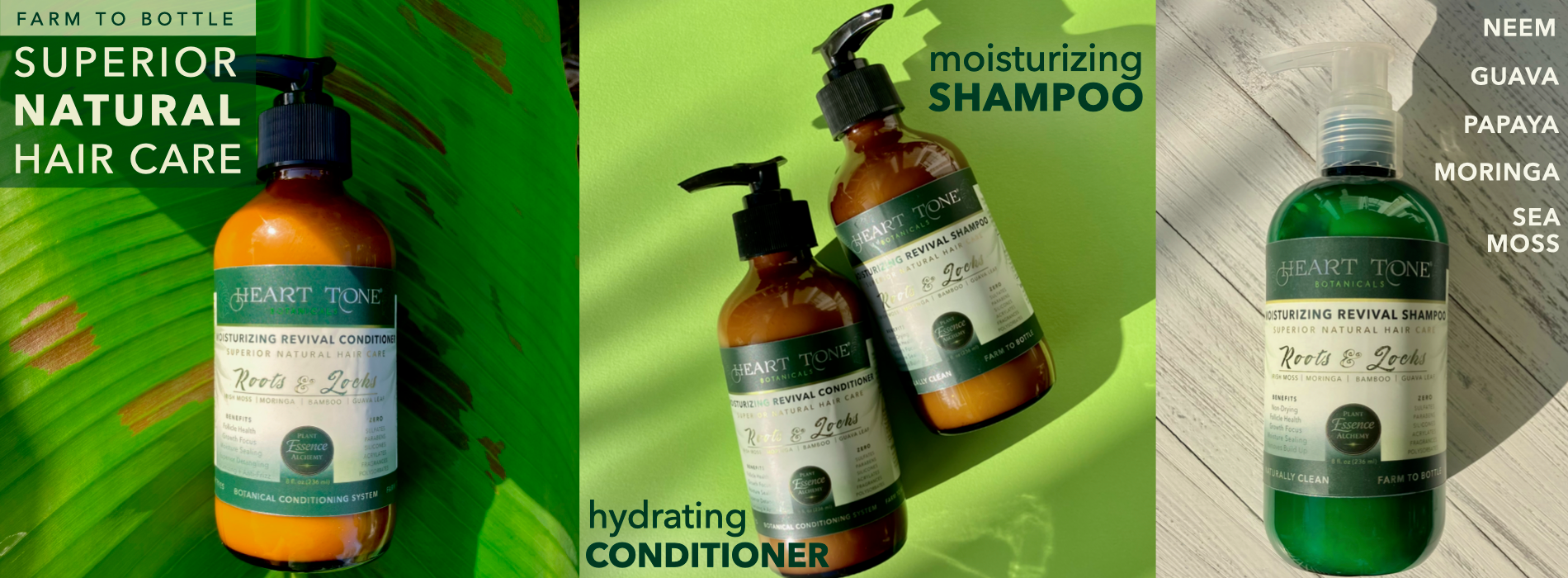
At Heart Tone Botanicals, JD grows many of the core botanicals used in our products on his farm in Vero Beach, Florida. When we say farm-to-bottle, we mean there is a literal farm, a literal bottle, and a person responsible for what happens between them. That's not a tagline—it's the whole operating model. You can visit the farm. You can ask where the moringa came from. The answer is a place with a name and a zip code.

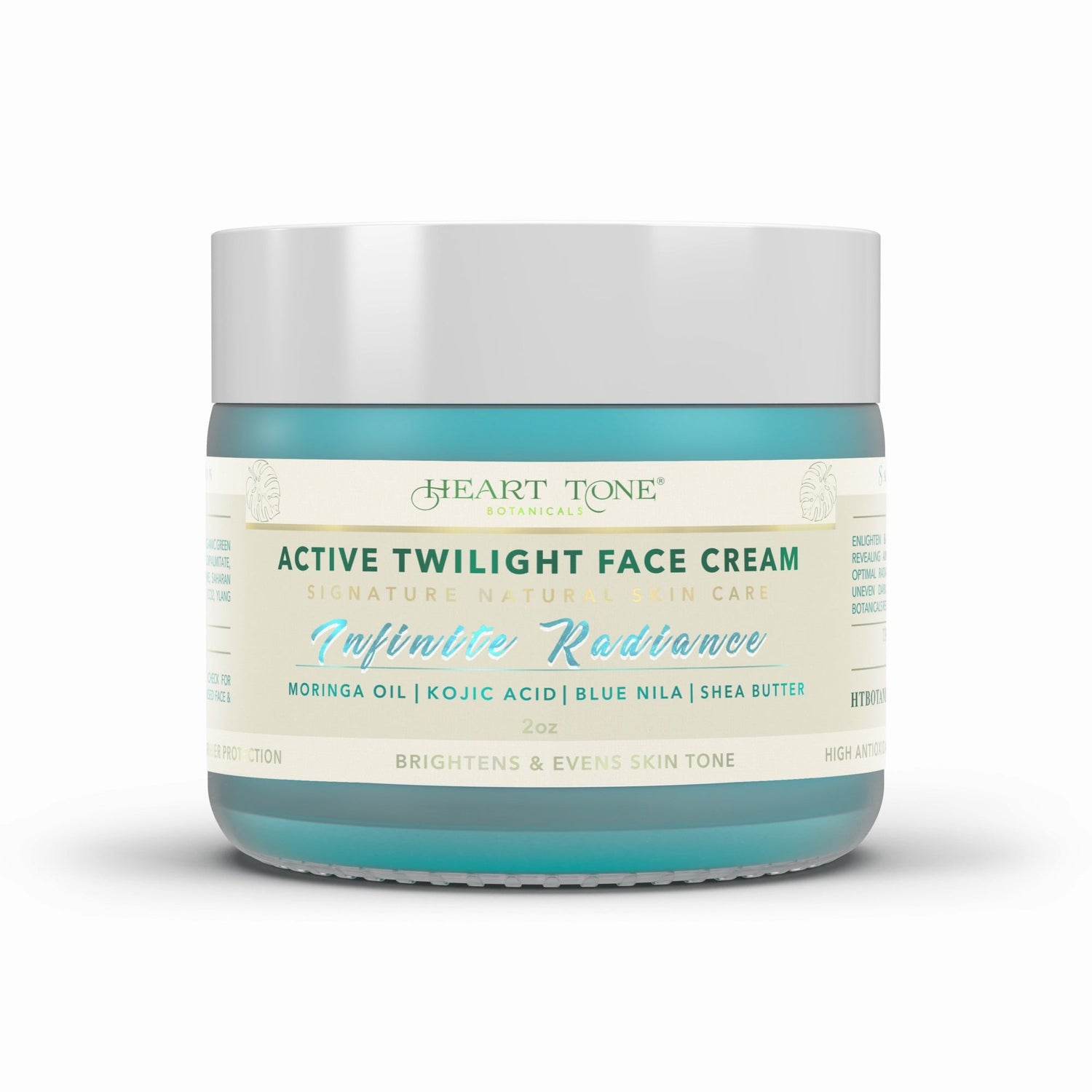
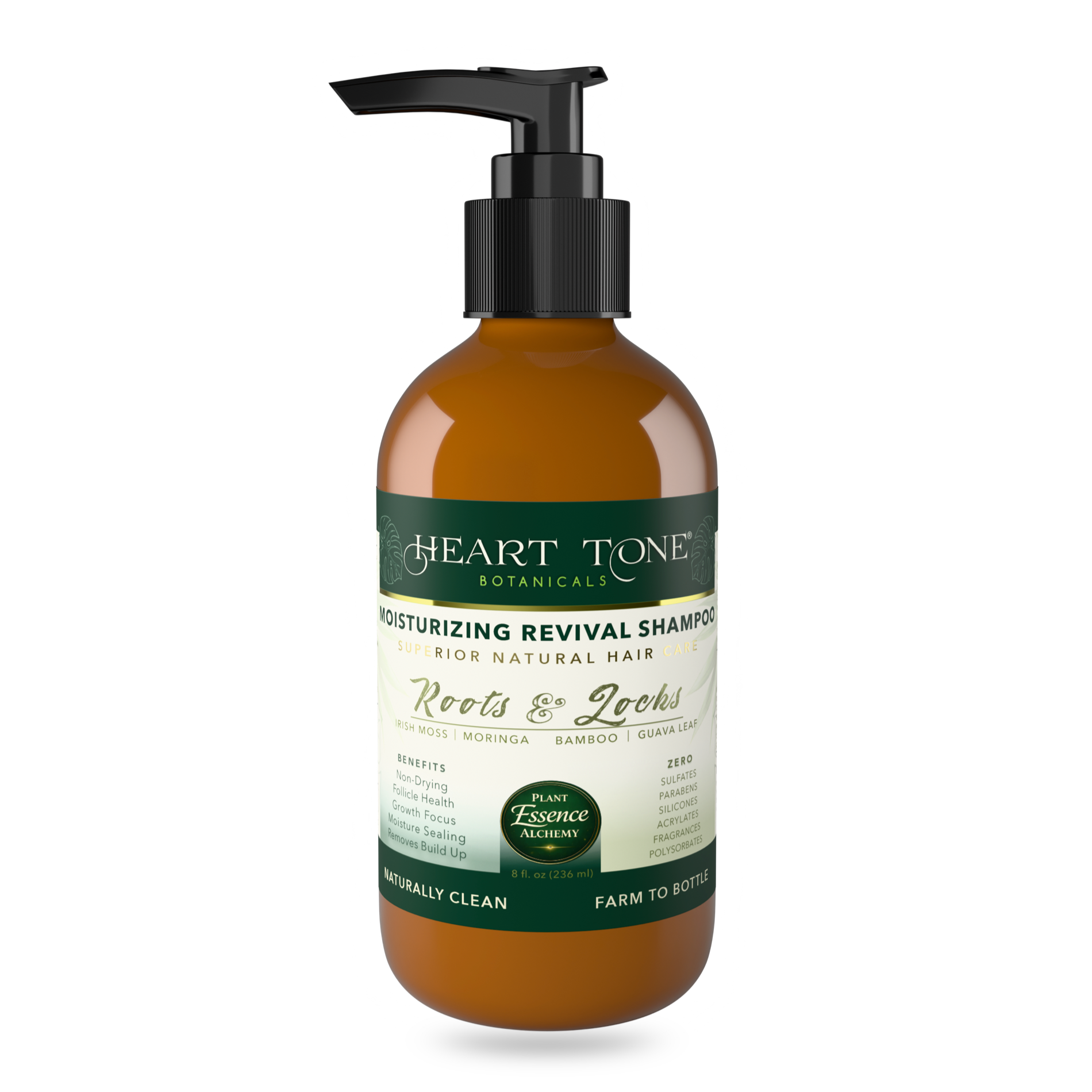
Our ingredient lists are short because our formulas are simple. We don't use synthetic fragrance. We don't hide behind 27-ingredient formulas with one botanical headliner. Every product in our collection is made to be read—not decoded.
The Packaging Angle
Greenwashing extends beyond ingredients. Packaging sustainability claims are another major arena:
- "Recyclable packaging" often means the bottle is recyclable but the pump, cap, or label is not. Most curbside recycling programs won't accept the full unit.
- "Refillable" sounds great, but if the refill process requires shipping the container back across the country, the net carbon impact may be worse than starting fresh.
- "Carbon neutral" based entirely on purchased offsets—with no actual reduction in emissions—is a form of greenwashing that's increasingly under regulatory scrutiny in the EU and UK.
For packaging claims, ask the same question you'd ask about ingredients: what's the actual evidence, and is it independently verified?
A Practical Greenwashing Checklist
Before you buy, run through these five questions:
- Does the product explain what it means by "natural," "clean," or "sustainable"—or does it just say the word?
- Do the headline botanical ingredients appear in the top half of the ingredient list?
- Does it contain "fragrance" or "parfum" without specifying what that means?
- Are the sustainability or ethical claims backed by a recognized third-party certification?
- Can you find information about where the ingredients come from, not just what they are?
If you can't answer yes to most of these, the product may be greenwashed—or at minimum, not as transparent as it claims.
Shopping Smarter Starts With Reading More
Greenwashing persists because it works. Consumers want to believe the leaf logo, and brands know that. The best defense is the habit of reading: the ingredient list, the certifications, the sourcing story (or lack of one).
It's easier than it sounds. Once you know the pattern, you start to recognize it everywhere—and you start to notice which brands have stopped using it. Those are the brands worth staying loyal to.
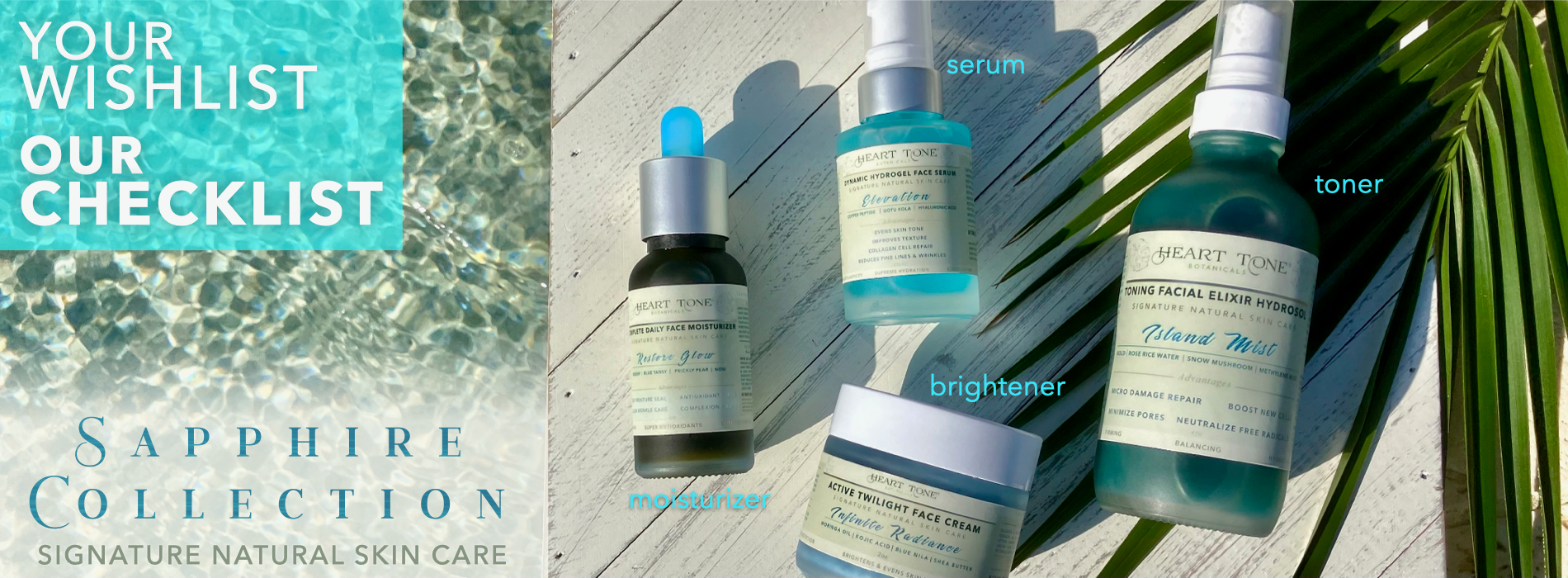
If you're looking for a place to start, explore our facial care, body care, and natural bar soap collections. Every formula is published in full, every botanical has a story, and the farm is real.
Have a question about an ingredient in one of our products? Ask us. Transparency isn't a value we print on a label—it's how we answer questions.
What Transparency Looks Like at Heart Tone Botanicals
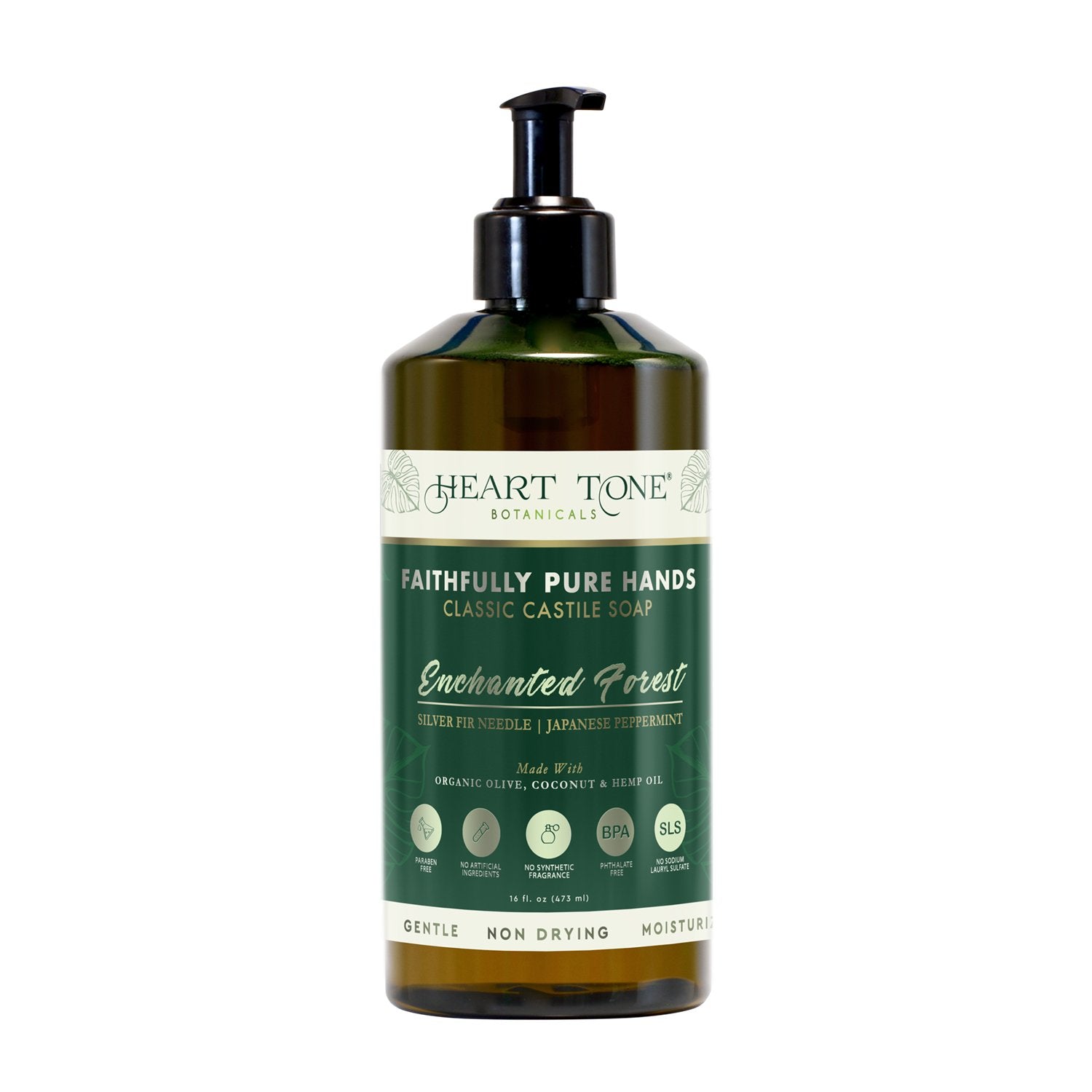
Every Heart Tone Botanicals product publishes its full ingredient list — no "fragrance," no hidden fillers, no vague botanical blends. Everything is small-batch crafted from ingredients grown on JD's farm in Vero Beach, FL.

Leave a comment
This site is protected by hCaptcha and the hCaptcha Privacy Policy and Terms of Service apply.