


The Most Deceptive Word on Any Ingredient Label
If you've ever flipped a bottle of lotion, shampoo, or body wash and noticed the word "fragrance" buried near the bottom of the ingredient list — you're looking at one of the least transparent entries in personal care labeling.
That single word — fragrance, parfum, or perfume, depending on where the product was made — is a legally permitted ingredient catchall. Under U.S. labeling rules, manufacturers are allowed to list an entire blend of compounds under one protected trade-secret designation. What's inside that blend? You're generally not entitled to know.
What "Fragrance" Actually Means on a Label
In the U.S., the Fair Packaging and Labeling Act allows companies to list fragrance as a single ingredient without disclosing what's in it, as long as the specific formula qualifies as a proprietary trade secret. This protection was originally designed for traditional perfume houses, who had legitimate reasons to protect complex, hand-crafted scent formulas.
It has since extended to nearly every personal care product on the market.
A single "fragrance" entry on a label can represent dozens to hundreds of distinct compounds — many of them synthetically manufactured. Some are derived from petroleum. Some are designed specifically to bind to fabrics and surfaces so the scent persists. That's why a freshly laundered shirt can still smell like detergent days later, and why you can smell the cleaning products aisle from three rows away at the grocery store — some retail layouts deliberately place cleaning products away from the produce section specifically because fragrance molecules travel. And persist.
In Europe, the same single word — parfum — serves the same function. In either case, the ingredient disclosure tells you almost nothing about what you're actually applying to your skin or breathing in while you use it.

Why It's in Nearly Everything
Fragrance is widespread in personal care not because it improves what a product does for your skin — it doesn't — but because scent influences perception. Consumer research has consistently found that people rate scented products as more effective than identical unscented formulas. That's a powerful commercial incentive.
So fragrance — synthetic or otherwise — ends up in a wide range of everyday products:
- Body lotions and moisturizers
- Shampoos and conditioners
- Bar soaps and body washes
- Deodorants and antiperspirants
- Facial cleansers and toners
- Laundry detergents and fabric softeners
- Multi-surface household cleaners
And because many synthetic fragrance compounds are engineered to be both volatile (so you smell them immediately) and persistent (so the scent stays), they don't just sit on surfaces. They circulate through air, cling to fabrics, and can linger in a space for hours or days after the product was used.
Why More People Are Reading Labels Differently
Interest in fragrance-free and clearly labeled personal care has grown significantly over the past decade. A large part of that shift has been driven by people with sensitive skin, allergies, or chemical sensitivities who found that when they eliminated undisclosed fragrance from their routine, their experience with personal care products changed.
Parents choosing products for young children often prefer fragrance-free options for the same reason — wanting to know exactly what's going on a child's skin. And anyone who has experienced a reaction to a heavily scented lotion, or a headache from the perfume aisle at a department store, has had a firsthand reminder that "smells pleasant" and "gentle on skin" are two different things.
This is one reason fragrance-free personal care has become a significant part of what's sometimes called the clean beauty movement — not as a niche preference, but as a straightforward request: tell me what's in the bottle.
The Health Concerns Behind Synthetic Fragrance
The concern with synthetic fragrance is not simply that the scent is strong. It is that the word can hide chemical families that researchers and regulators have studied for their potential effects beyond the skin.
Some synthetic fragrance formulas use compounds such as phthalates, including ingredients used to help scent last longer. Certain phthalates are widely discussed as endocrine-disrupting chemicals, meaning they can interfere with the body's hormone-signaling system. That matters because hormones help regulate growth, metabolism, thyroid activity, reproductive health, mood, and many other normal functions.
For men specifically, the concern is androgen signaling. Some phthalate exposures have been associated in human and animal research with lower testosterone activity, altered reproductive hormone levels, and changes in male reproductive development. That does not mean every scented product causes a measurable hormone change in every person. But it does mean a daily, repeated-use product with undisclosed fragrance is not a trivial exposure, especially when the same fragrance category appears across lotion, deodorant, shampoo, laundry detergent, and household cleaners.
This is why ingredient transparency matters so much. If a formula lists every aromatic ingredient by name, a customer can look it up, avoid known sensitivities, and make an informed choice. If the label says only "fragrance," the customer is being asked to accept an unknown blend on trust.
Essential Oils Are a Different Category Entirely
There's an important distinction that sometimes gets lost in these conversations: essential oils and synthetic fragrance are not the same thing, and they don't belong in the same category on a label.
Essential oils are concentrated botanical extracts obtained directly from plants — steam-distilled or cold-pressed from roots, bark, flowers, fruit rinds, and leaves. Lavender oil comes from lavender flowers. Bergamot oil is cold-pressed from bergamot citrus rind. Peppermint oil is steam-distilled from peppermint leaves. Each one is a single-ingredient, plant-derived extract that can be — and by good manufacturers, always is — listed by its botanical name on the ingredient label.
Synthetic fragrance is engineered in a lab to smell like something, or to smell like a proprietary blend, using chemically synthesized compounds — none of which need to be individually named.
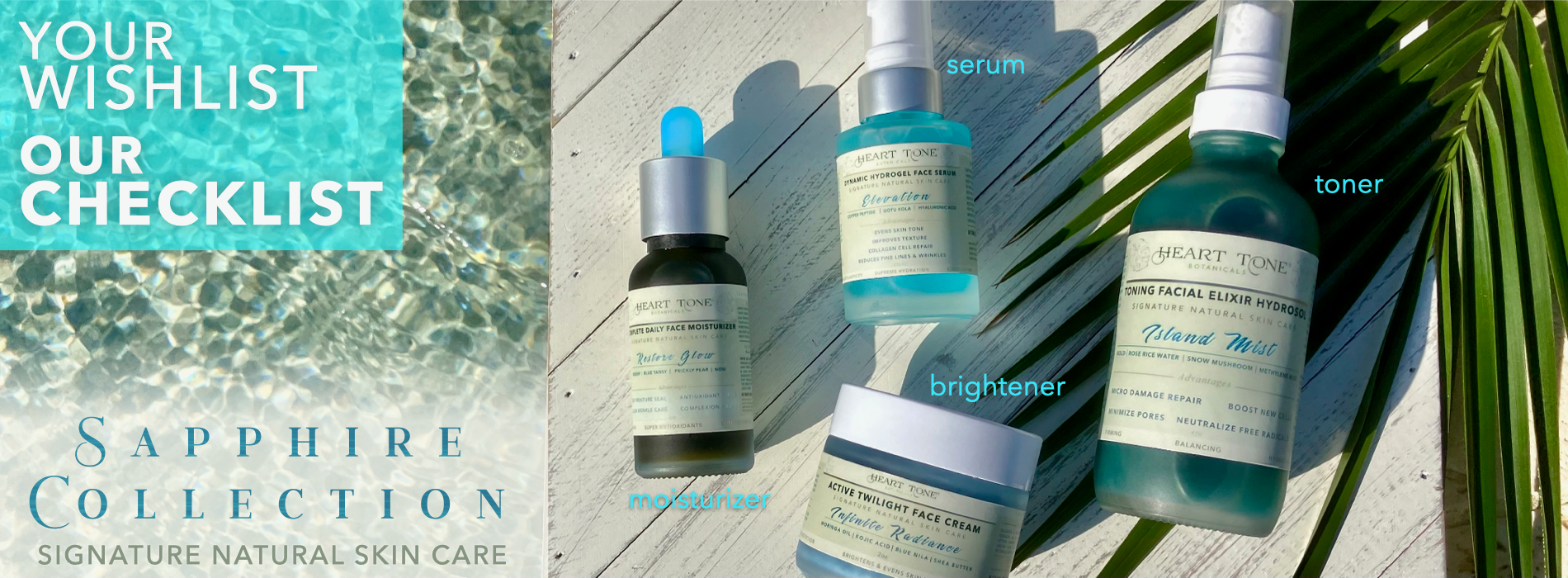
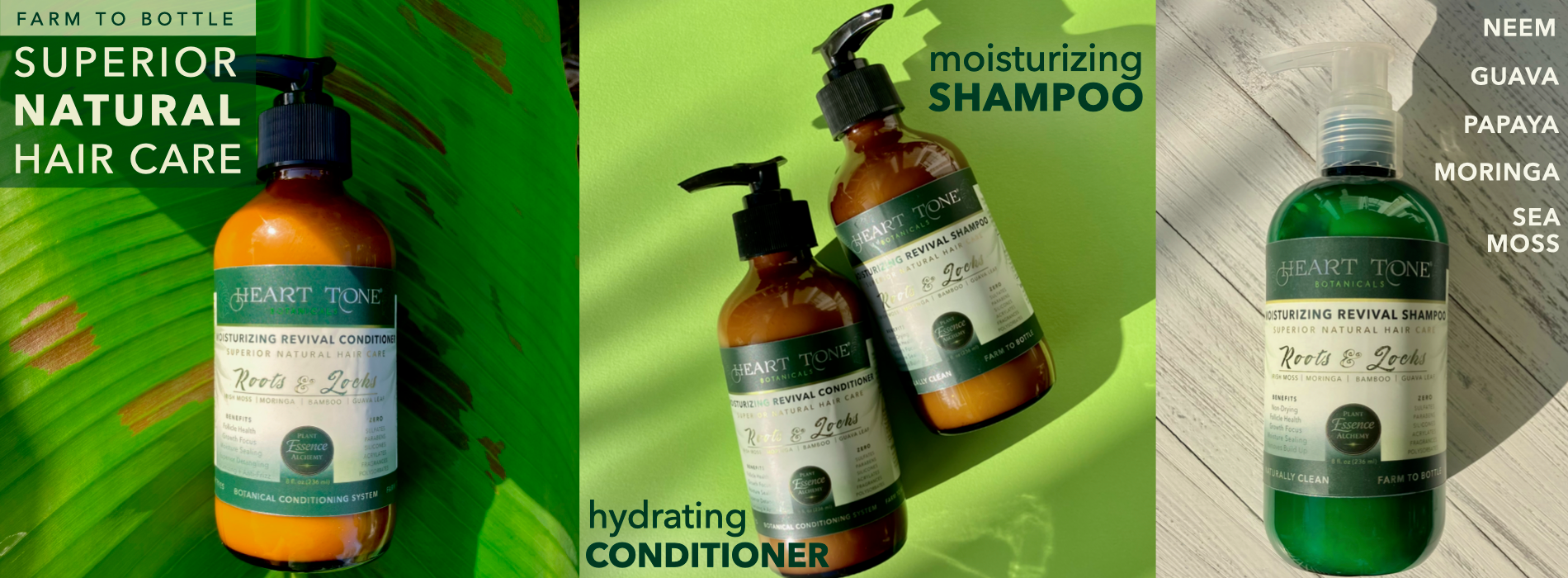
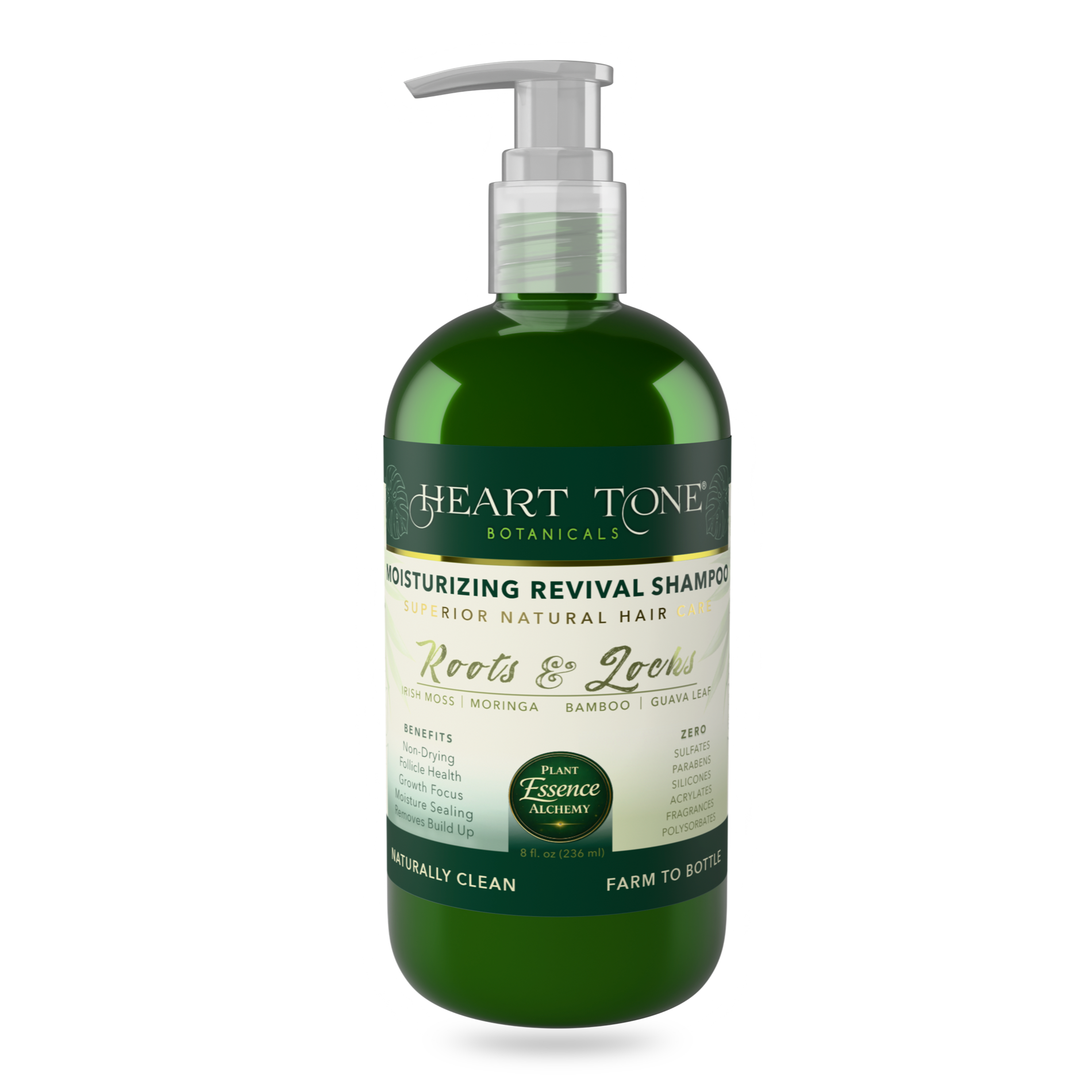
At Heart Tone Botanicals, every product is formulated without synthetic fragrance. When you smell the lavender and clary sage in our Eden's Garden Bioactive Deodorant, that scent comes from the Lavandula officinalis CO2 extract and Salvia sclarea (clary sage) essential oil listed on the label — botanical ingredients you can look up and verify. If you prefer no scent at all, our The Classic Bioactive Deodorant contains no essential oil fragrances whatsoever — just the functional botanical base, unscented.
Heart Tone was built with exactly this principle in mind: if we can't put a botanical name and a plant source on the label, it doesn't go in the formula.
How to Read an Ingredient Label for Fragrance
When you're evaluating a personal care product, here's a practical approach for understanding what you're looking at:
Flags worth noting:
- "Fragrance" or "parfum" anywhere in the ingredient list — this is a catchall term that names nothing specifically
- "Scent" or "aroma" used in place of a named ingredient
- Marketing descriptions like "fresh botanical blend" or "natural scent" with no named botanical sources
What ingredient transparency looks like:
- Named essential oils: lavender essential oil, bergamot essential oil, peppermint essential oil
- INCI botanical names: Lavandula angustifolia, Citrus bergamia, Mentha piperita
- Products listing all aromatic ingredients by source name
- Ingredient lists short enough to research every entry
A label that lists twelve named botanicals — with their Latin names and extraction method — is a different kind of transparency than a label that says "fragrance." Both can result in a pleasant-smelling product. Only one tells you what's in it.
Fragrance-Free for Sensitive Skin and Chemical Sensitivities
For anyone who wants to remove fragrance entirely from their personal care routine — not just swap synthetic for botanical — there's real demand for formulas that carry no aromatic ingredients at all.
Our Clean & Free kit was designed for exactly that. Completely unscented personal care — for sensitive skin, allergies, chemical sensitivities, and anyone who simply wants to know there's nothing on their skin they can't account for. Our Native & Free kit is built around the same principle: fragrance-free across the board, pure botanical formulas, nothing masked or added for scent.
You can explore our full collection of fragrance-free and botanical-scented personal care at Heart Tone Botanicals.
The Bottom Line
"Fragrance" on an ingredient label is a legal designation, not an ingredient description. A single word can stand in for many undisclosed compounds — none of which are required to be named on the label you're reading.
The alternative isn't a sensory-free personal care routine. It's personal care where the scent, if there is one, comes from sources you can read and verify: named essential oils and botanical extracts listed by their plant origin.
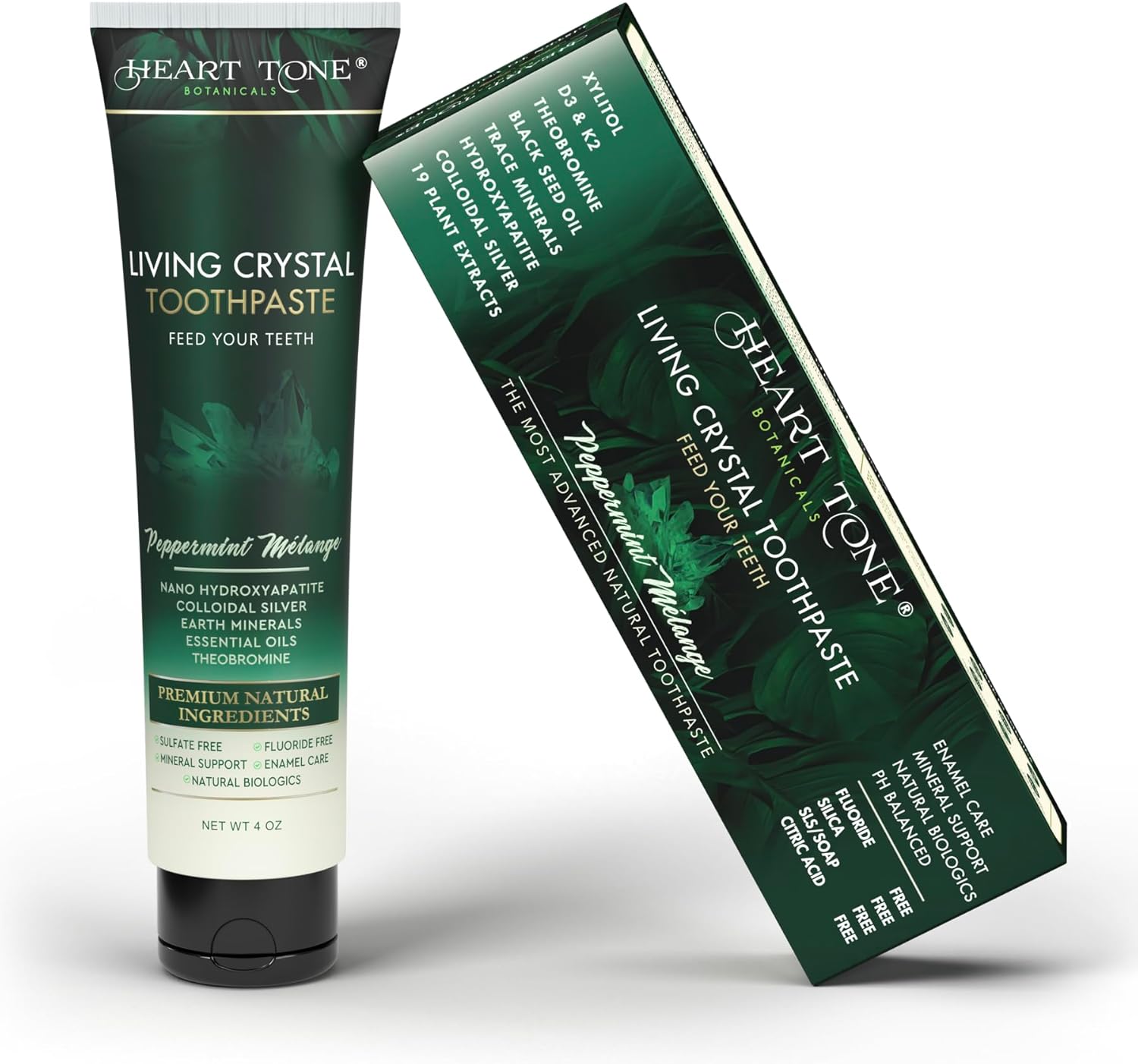
That's the standard Heart Tone Botanicals was built around. Every aromatic ingredient in every product comes from a botanical source — distilled, cold-pressed, or CO2-extracted — and listed by name on the label. No trade secrets. No catchall terms. Just the ingredients, named.

Leave a comment
This site is protected by hCaptcha and the hCaptcha Privacy Policy and Terms of Service apply.