

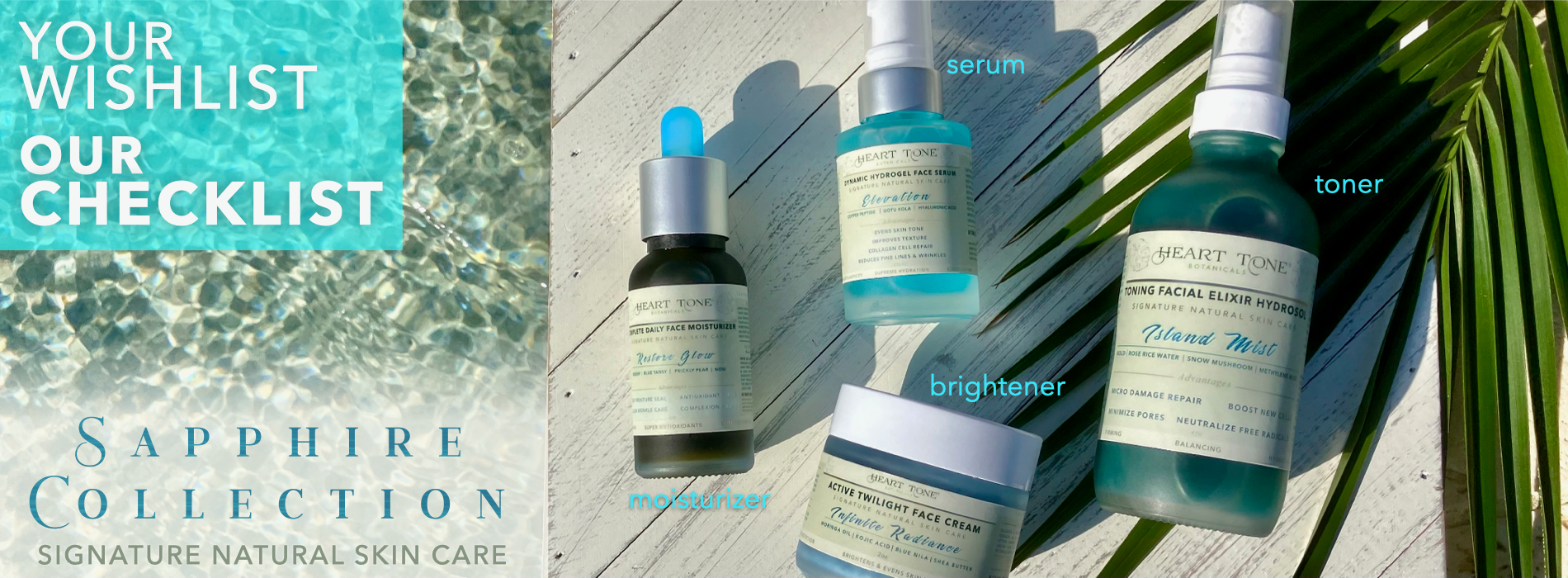
The search for a sulfate-free shampoo usually begins with a feeling — hair that comes out of the shower feeling stripped, dry, or somehow less than it should. Over time, people start reading the label and noticing the same ingredients: sodium lauryl sulfate (SLS), sodium laureth sulfate (SLES), or one of their close chemical relatives. The move to sulfate-free is a practical one but understanding what it actually means helps you choose a formula that genuinely delivers on the promise.
What Are Sulfates and What Do They Do?
Sulfates are a family of surfactants — cleansing agents that lower the surface tension of water so it can lift oils, product buildup, and residue from your hair and scalp. In shampoo, the most common sulfates are sodium lauryl sulfate (SLS) and sodium laureth sulfate (SLES). They produce the thick, satisfying foam that many people associate with a deep clean.
The issue isn't that sulfates clean — they do, efficiently. The issue is that they can clean too aggressively. The natural oils your scalp produces serve as a conditioning layer that travels down each strand. A high-surfactancy cleanser strips those oils quickly and completely, which can leave hair feeling rough and dry and the scalp feeling tight after washing.
For straight hair types with efficient natural oil distribution, this stripping effect may be tolerable. For curly, coily, or textured hair — where natural oils travel more slowly along the spiral of each strand — repeated sulfate washing often leaves hair looking dull and feeling rough, with frizz that gets worse wash after wash.
What Does Sulfate-Free Actually Mean?
A sulfate-free shampoo replaces conventional sulfate surfactants with milder, often plant-derived alternatives that still cleanse effectively but with a lighter touch. Two of the most common are:
- Coco taurate — a surfactant derived from coconut oil, known for producing a gentle, comfortable lather with a significantly milder profile compared to SLS or SLES
- Coco betaine — a coconut-derived amphoteric surfactant that contributes to a soft, conditioning lather and is commonly found in gentle cleansing formulas
These alternatives still lift oils and residue from the scalp and strand — that's the job of any shampoo. The difference is in the experience: hair often feels noticeably softer immediately after washing, and the scalp tends to feel more comfortable, especially for those who've found conventional shampoos drying or irritating.
Sulfate-free isn't a magic solution for every hair concern, and it's not the right fit for every hair type. But for people with dry, curly, textured, color-treated, or chemically processed hair — or anyone who's noticed a pattern of dryness following conventional shampoos — the change in how hair feels is often immediate.
The Botanical Layer: What's Beyond the Surfactant
In conventional formulas, the surfactant system carries most of the weight. Botanical formulas built on sulfate-free surfactants often include a carefully sourced layer of plant-derived ingredients that hair care traditions around the world have reached for over many generations.
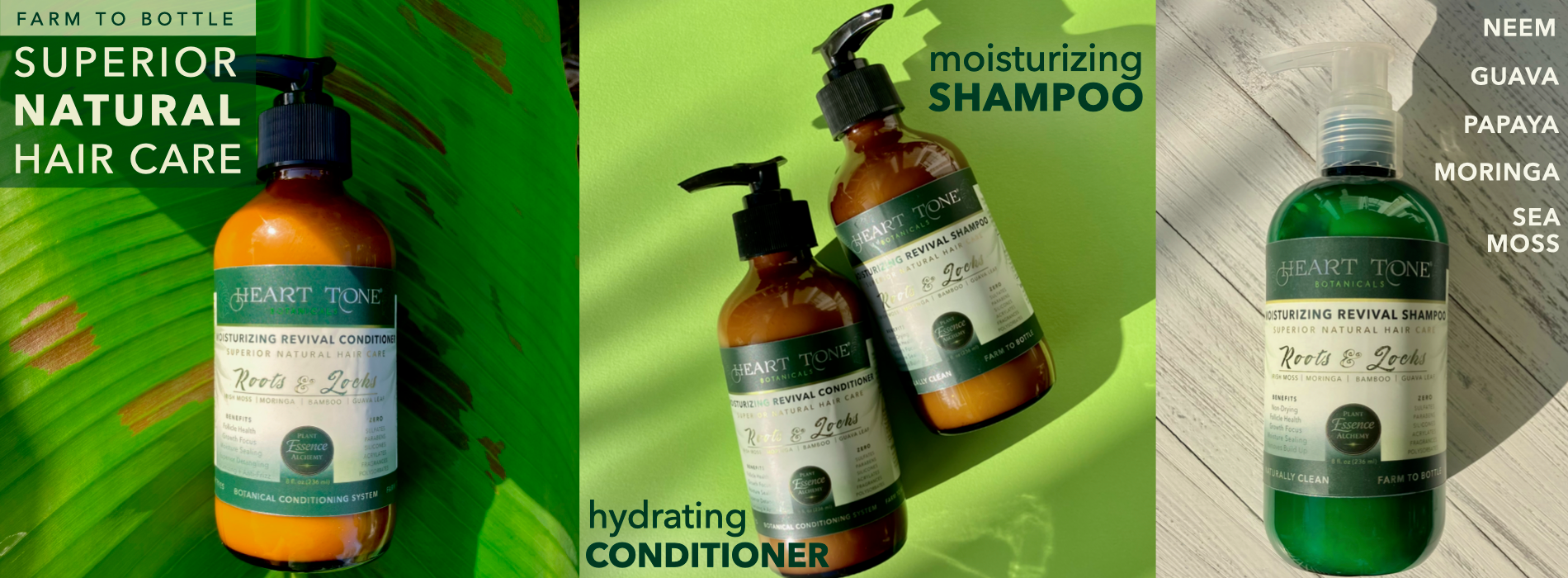
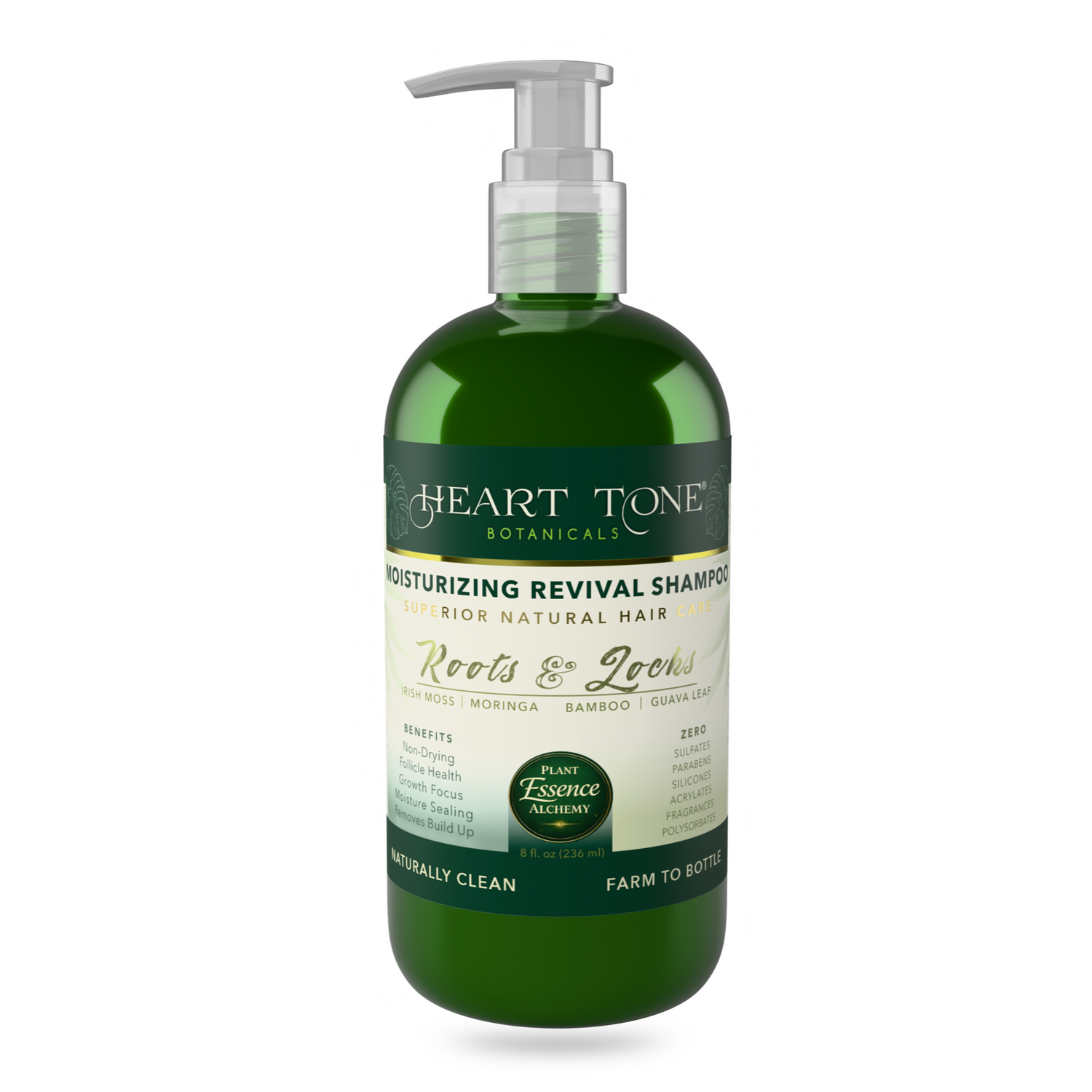
The Roots & Locks Moisturizing Revival Shampoo from Heart Tone Botanicals is built on coco taurate and coco betaine, and includes:
- Papaya leaf extract — used in traditional hair and beauty practices across tropical regions, long associated with soft, smooth-looking hair
- Moringa leaf extract — moringa has a centuries-long history in botanical hair care across Africa and South Asia; Heart Tone sources moringa from their family farm in Florida
- Neem leaf extract — a traditional staple in Ayurvedic hair care rituals with a long documented history of use in botanical hair preparations
- Guava leaf extract — part of traditional plant-based hair care across several cultures; included here for its place in that botanical lineage
- Aloe leaf juice extract — long used in hair care for a lightweight, soothing sensation at the scalp and a smooth feel along the strand
- Coconut milk — used across many hair care traditions for a nourishing, conditioning sensation
- Irish moss extract — a botanical source of natural slip, traditionally used in hair preparations for its texture-enhancing feel
- Chamomile extract — used for generations in botanical hair and scalp care for a gentle, calming sensation
The formula contains no sulfates, no silicones, no parabens, and no synthetic fragrances. For anyone building a hair care routine around genuinely clean ingredients, that list of absences matters as much as what's included.
Pairing With a Sulfate-Free Conditioner
Washing with a sulfate-free shampoo is one part of the picture. The conditioner that follows helps maintain what the gentler cleanser preserved.
The Roots & Locks Moisturizing Revival Conditioner carries several of the same botanical extracts as the shampoo — papaya, moringa, neem, guava, bay leaf, and aloe — alongside organic shea nut butter, coconut milk, Irish moss extract, and essential oils including clary sage, lavender tea tree, and organic rosemary CO2 extract.
Using a conditioner that shares the same botanical framework as your shampoo means the two products are telling the same ingredient story. The result is hair that looks visibly softer and more defined — and a routine that feels genuinely coherent rather than a patchwork of mismatched products.
Who Benefits Most From Sulfate-Free
Sulfate-free formulas tend to make the biggest difference for:
- Curly and coily hair types — where natural oils travel more slowly along the curl and aggressive cleansers compound dryness and visible frizz
- Color-treated or chemically processed hair — where the cuticle layer is already raised and strong surfactants can accelerate fading and dullness
- Dry or tight-feeling scalps — where conventional shampoos leave an uncomfortable sensation that persists after washing
- Anyone building a silicone-free routine — since sulfate-free formulas preserve enough natural moisture that silicone-based smoothers aren't needed to mask dryness afterward
- People with sensitivities to synthetic fragrance — sulfate-free and fragrance-free formulas often go together; if one bothers you, the other often does too
Making the Switch: What to Expect
A few practical notes for anyone moving from a conventional shampoo to a sulfate-free formula:
Expect an adjustment period. If your scalp has been producing excess oil to compensate for repeated sulfate washing, it may take two to four weeks to find a new balance. Hair may feel different — sometimes oilier, sometimes different in texture — during this transition. This is common and temporary.
The lather will be different. Sulfate-free shampoos typically produce a lighter, finer foam than SLS-based formulas. Less foam does not mean less cleansing — the surfactant system simply behaves differently. Give the shampoo a full minute of scalp massage to let it do its work.
Less product, more often. A small amount of a well-formulated sulfate-free shampoo goes further than you might expect. Start with a dime-to-quarter-sized amount, emulsify it in your palms with a little water, and then apply to a damp scalp.
Follow with conditioner. A gentle cleanser preserves more of the scalp's natural moisture balance than a conventional one, but a botanical conditioner still adds slip and a finished look to the strand. The two products are designed to work together.
The Heart Tone Approach to Hair Care
At Heart Tone Botanicals, the Roots & Locks line was built on one principle: formulate for what hair actually needs without the ingredients that work against it. Sulfate-free surfactants, no synthetic fragrance, no silicones, no parabens — and a botanical panel drawn from the same farm-grown and traditionally sourced ingredients that run through the rest of the Heart Tone line.
Explore the full hair care collection, or shop the Roots & Locks Moisturizing Revival Shampoo and Conditioner individually.


Leave a comment
This site is protected by hCaptcha and the hCaptcha Privacy Policy and Terms of Service apply.