

Coconut oil has been a cornerstone of natural skincare for thousands of years — from ancient Polynesian beauty rituals to Ayurvedic medicine. Today, science confirms what traditional cultures always knew: coconut oil soap delivers deep moisturization and a luxuriously rich lather that synthetic detergents simply cannot match.

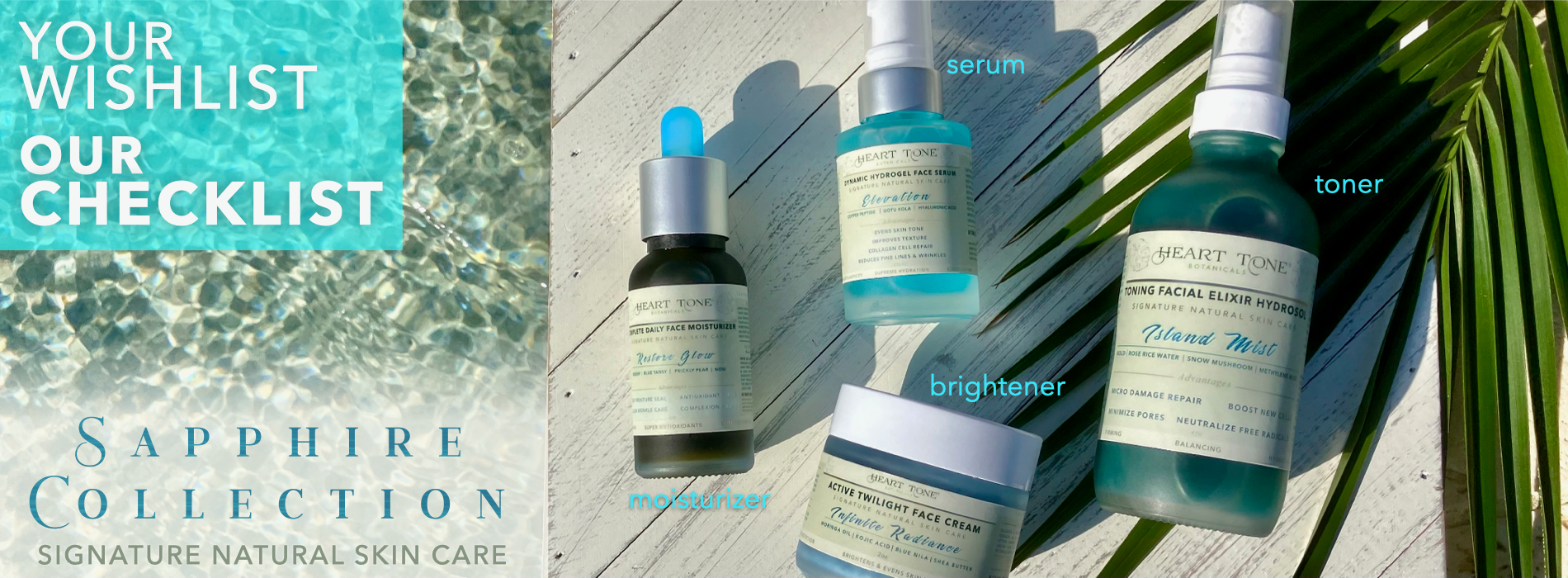
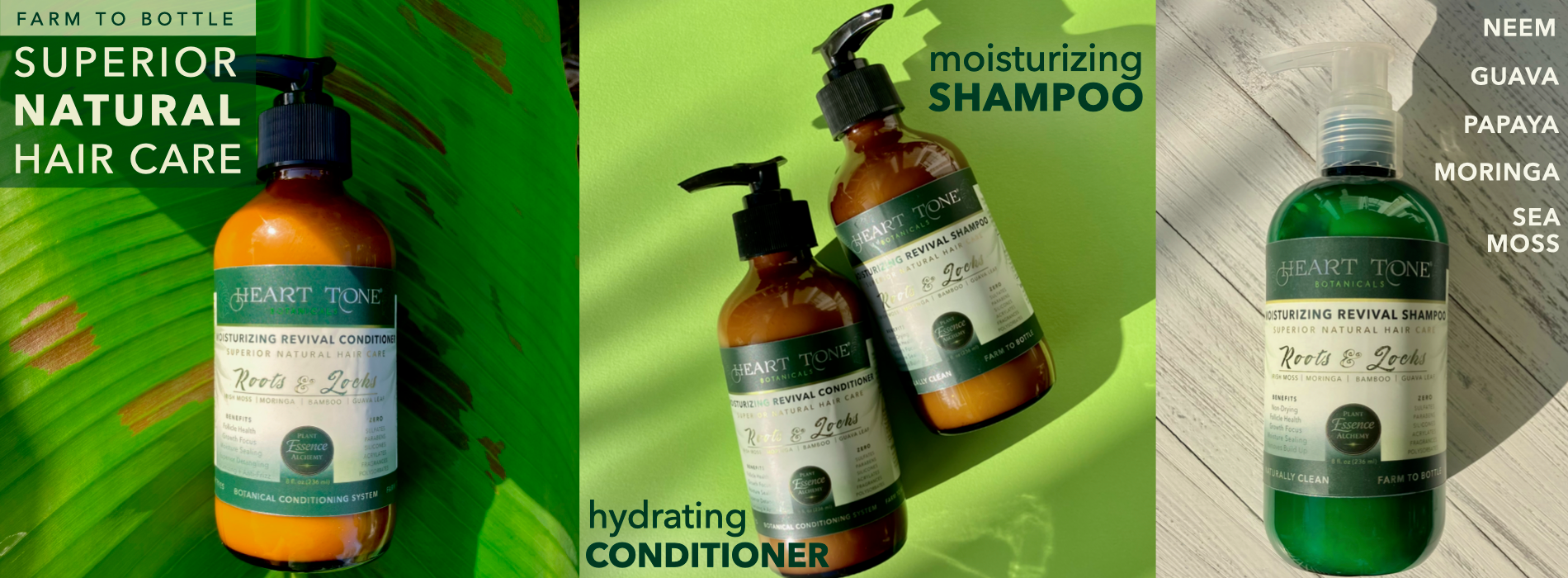
At Heart Tone Botanicals, coconut oil is our most versatile ingredient — appearing in 21 of our handcrafted products, from bar soaps and liquid castile soaps to deodorants, body butter, and household cleaners. Here's why this tropical powerhouse belongs in your daily routine.
What Makes Coconut Oil Special in Soap?
Unlike most vegetable oils used in soap making, coconut oil contains an exceptionally high concentration of medium-chain fatty acids (MCFAs) — particularly lauric acid, which makes up roughly 50% of coconut oil's fatty acid profile. When saponified (turned into soap through the cold process method), these MCFAs create a bar that's simultaneously cleansing and nourishing.
The key fatty acids in coconut oil soap include:
- Lauric acid (48-53%) — the fatty acid behind coconut soap's hardness and dense lather
- Myristic acid (16-21%) — creates rich, stable lather
- Caprylic acid (5-10%) — traditionally recognized in botanical practice and traditionally used
- Capric acid (4-8%) — a shorter-chain fatty acid that keeps the bar quick-rinsing
- Oleic acid (5-8%) — deeply moisturizing emollient
This unique fatty acid profile is why coconut oil produces the hardest, most bubbly bar soap of any single oil — and why it's the backbone of our cold process soap formulations.
7 Science-Backed Benefits of Coconut Oil Soap
1. Deep Moisturization Without Residue
Coconut oil's medium-chain triglycerides penetrate the skin's outer layer more effectively than long-chain fatty acids found in most commercial soaps. This ingredient has a long history of traditional use.
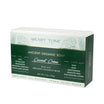
Unlike petroleum-based moisturizers that sit on top of your skin, coconut oil soap delivers hydration that absorbs naturally. Our Coconut Creme Soap keeps the list to five — organic coconut oil, deionized water, organic coconut milk, organic coconut pulp, and sodium hydroxide — leaving skin soft without feeling greasy or coated.
2. A Fatty Acid Profile Built for Cleansing
Lauric acid makes up roughly half of coconut oil, and it is the reason a coconut-oil bar behaves so differently from a soft, low-lather one. Saponified, it produces a hard bar with dense, fast-building foam that rinses clean instead of leaving a film.
That is a cleansing story, not a medical one. Soap lifts oil, dirt and debris off the skin so water can carry them away — no synthetic additives like triclosan required. Our Aloe Fields Soap pairs coconut oil with aloe vera leaf extract for a gentle, effective everyday cleanse.
3. A Short, Recognizable Ingredient List
Coconut oil's fatty acids are among the most familiar in soapmaking, which is why a cold-process coconut bar can be built from a handful of ingredients you can pronounce — and why there is so little in it to react to.
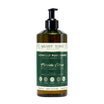
For those with reactive skin, our Pure Native Castile Liquid Soap offers an unscented, coconut oil-rich formula that cleanses without triggering irritation — no synthetic fragrances, no essential oil sensitivities, just pure botanical cleansing.
4. Rich, Luxurious Lather
If you've ever used a natural soap that barely lathered, it probably lacked sufficient coconut oil. The myristic and lauric acids in coconut oil produce abundant, stable foam that makes every shower feel indulgent. This rich lather also means you use less product per wash, making coconut oil soaps more economical despite their premium ingredients.
Our castile soap lineup is built on a coconut oil foundation, delivering that satisfying lather whether you're washing hands, body, hair, or dishes.
5. Gentle Exfoliation and Skin Renewal
Coconut oil soap naturally loosens dead skin cells during cleansing, promoting gentle turnover without the micro-tears caused by physical scrubs or the chemical sensitivity from AHAs and BHAs. The result is smoother, more radiant skin over time — particularly on the days you reach for a coarser bar.
6. Supports Your Skin's Natural Barrier
Your skin's acid mantle — the thin protective film on its surface — relies on a balanced mix of lipids and fatty acids to function properly. Commercial soaps made with synthetic detergents (SLS, SLES) strip these protective lipids, leaving skin vulnerable to moisture loss, irritation, and environmental damage.

Coconut oil soap works differently. The fatty acids left behind after rinsing actually reinforce the skin's lipid barrier, helping it retain moisture and resist irritants. This is why many people who switch from commercial body wash to coconut oil soap notice their skin feels less dry within the first week — even without applying moisturizer afterward.
7. Eco-Friendly and Biodegradable
Every ingredient in a pure coconut oil soap is plant-derived and fully biodegradable. No microplastics, no synthetic preservatives, no petrochemicals flowing down the drain. When you choose plant-based soaps made with coconut oil, you're protecting both your skin and the waterways downstream.
At Heart Tone, we go further — our coconut oil soaps are made using regenerative farming practices without synthetic pesticides, herbicides, or GMOs. Every bar supports the land, not just your skin.
Which Heart Tone Products Contain Coconut Oil?
Coconut oil is our most widely used ingredient, appearing across every product category:
Bar Soaps
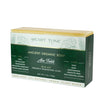
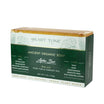
- Ancient Organic Soap — Aloe Fields — coconut oil + aloe vera leaf extract + jojoba oil
- Ancient Organic Soap — Alpha Bar — coconut oil + pine tar + tamanu oil
- Ancient Organic Soap — Coconut Creme — coconut oil-forward formula
Liquid Castile Soaps
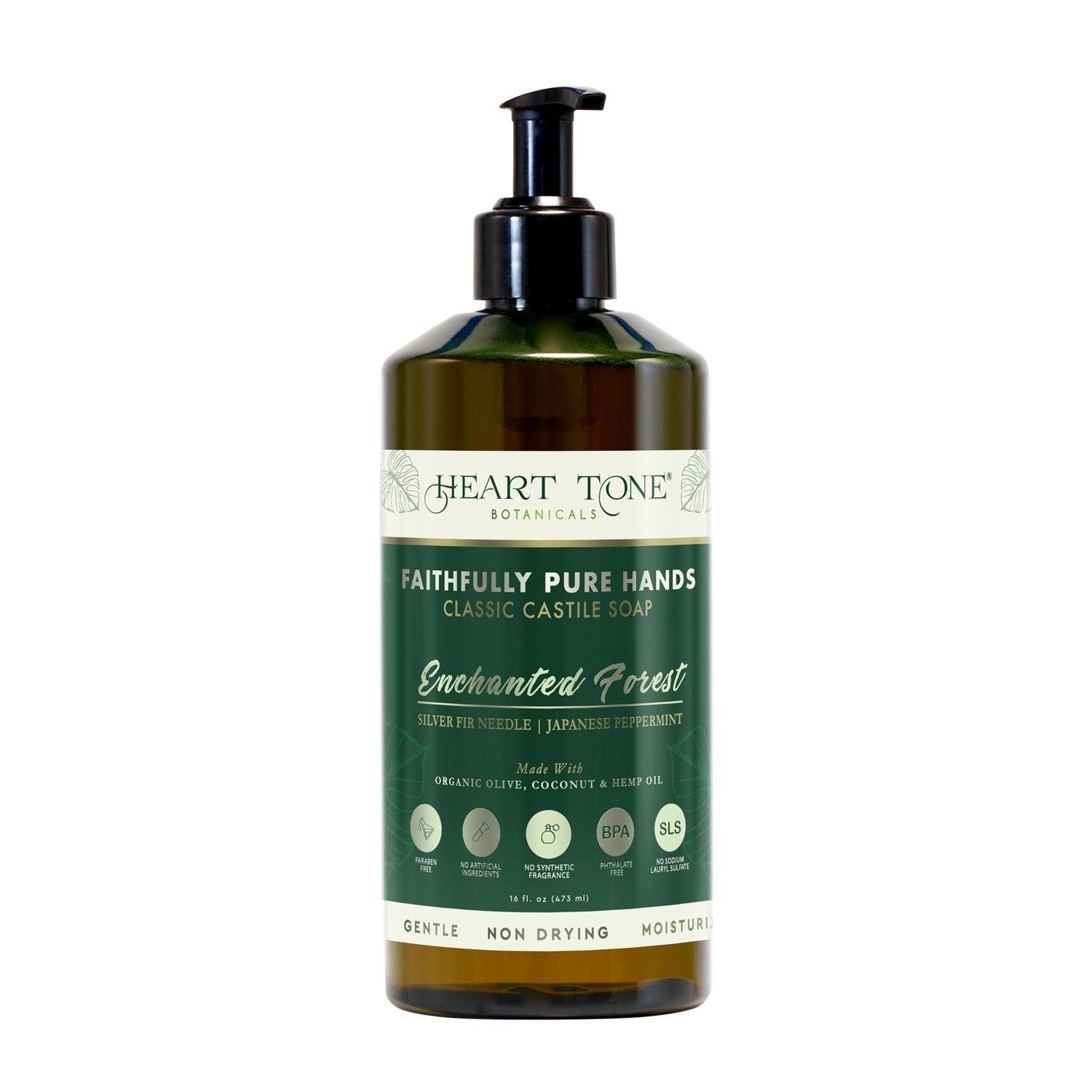
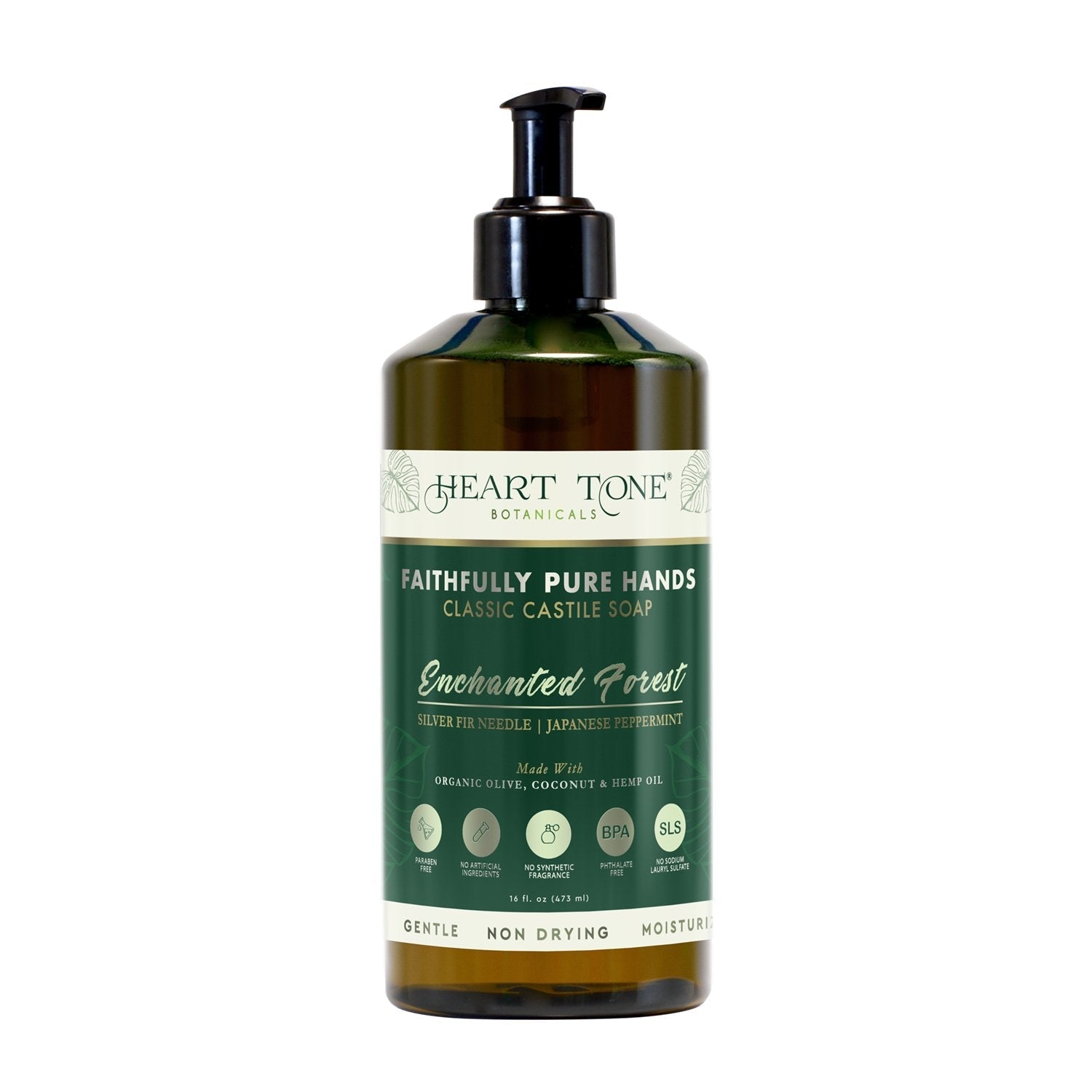
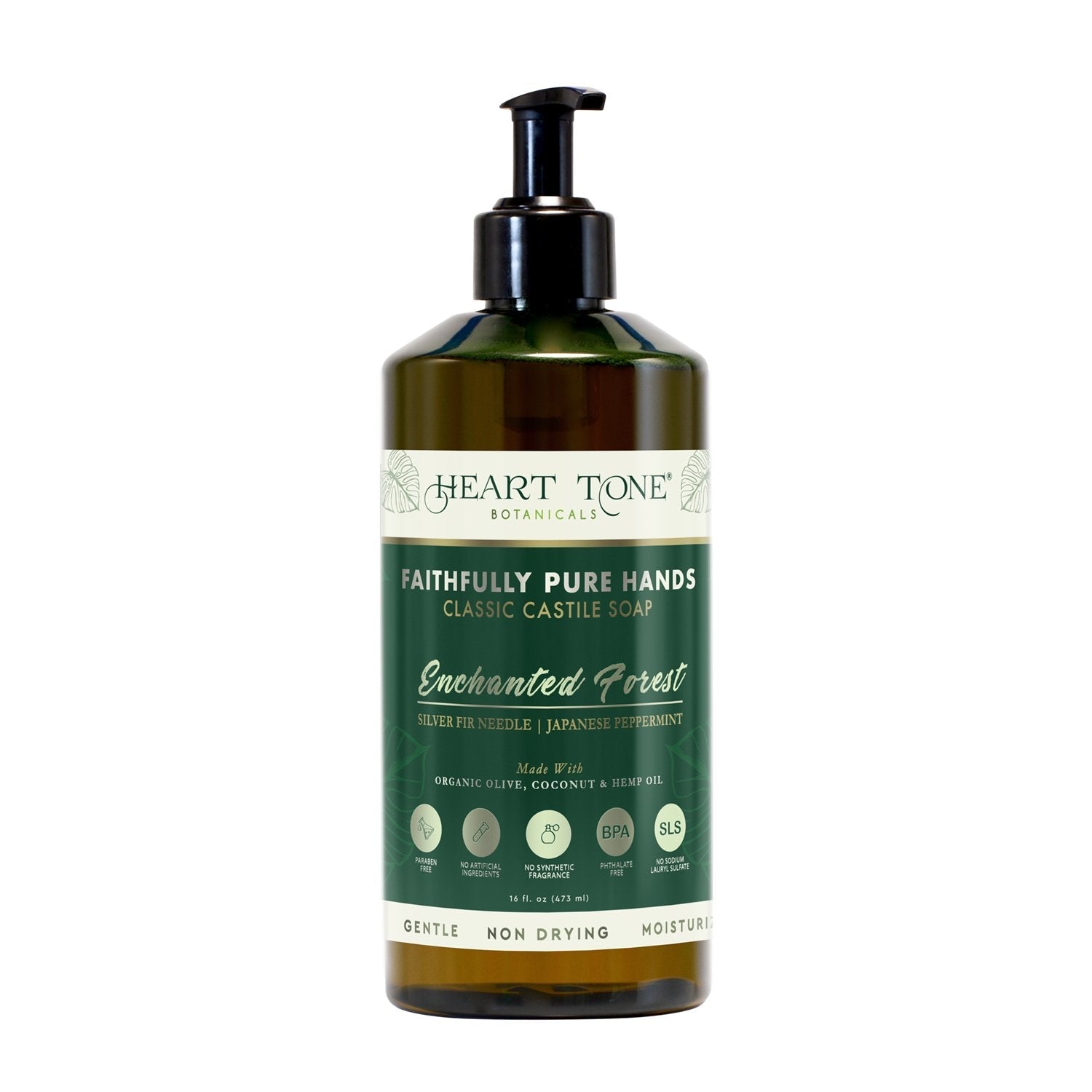
- Enchanted Forest — coconut oil + essential oils
- Florida Citrus — coconut oil + citrus blend
- Pure Native — unscented coconut oil formula
- Wild Blossom — coconut oil + floral botanicals
- Herbal Castile — coconut oil + herbal infusions
Body Care
- Botanical Renew Body Butter — coconut oil + shea butter + botanical extracts
- Dual Rescue Body Rub — coconut oil + pain-relieving botanicals
Deodorants
- The Classic Bioactive Deodorant
- Eden's Garden Bioactive Deodorant
- Gentleman's Reserve Bioactive Deodorant
- Grove Island Bioactive Deodorant
- Jamaica Estate Bioactive Deodorant
Household
Why coconut oil is our foundation: We chose coconut oil as the backbone of nearly every formula because no other single oil delivers the combination of cleansing power, skin nourishment, active protection, and luxurious lather. When you combine it with our other farm-grown botanicals — aloe vera, neem, moringa, papaya — the results speak for themselves.
Coconut Oil Soap vs. Commercial Body Wash: What's the Difference?
| Factor | Coconut Oil Soap | Commercial Body Wash |
|---|---|---|
| Cleansing Agent | Saponified plant oils (natural) | SLS/SLES (synthetic detergents) |
| Moisturizing | Natural glycerin retained + fatty acids | Glycerin often removed, synthetic moisturizers added |
| active | Natural lauric acid | Often triclosan or synthetic agents |
| Lather | Rich, creamy from myristic/lauric acid | Foaming agents (cocamidopropyl betaine) |
| Skin Barrier | Reinforces lipid barrier | Can strip natural oils |
| Environmental Impact | 100% biodegradable | May contain microplastics, synthetic preservatives |
| Packaging | Minimal (bar) or recyclable | Plastic bottles |
How to Get the Most from Your Coconut Oil Soap
- Let the bar cure: Cold process coconut oil soap improves with age. If a bar feels too firm, let it sit for a week — it will develop a creamier lather.
- Use a soap dish with drainage: Coconut oil soap lasts longest when it can dry between uses. A slotted soap dish prevents waterlogging.
- Pair with a natural loofah: For the ultimate exfoliating experience, combine coconut oil soap with our natural Egyptian loofah sponge — the lather and the fibers work together beautifully.
- Start with lukewarm water: Warm (not hot) water preserves more of the natural glycerin and fatty acids on your skin after rinsing.
Frequently Asked Questions
Will coconut oil soap clog pores?
Saponified coconut oil is not the same thing as raw coconut oil. In a finished cold-process bar the oil has been converted into soap, so it rinses away rather than sitting on the skin the way straight coconut oil can. If your skin runs oily, start with a bar built on a coconut oil base such as our Alpha Bar.
Will coconut oil soap dry out my skin?
Pure 100% coconut oil soap can be drying because of its strong cleansing power. That's why our formulas always balance coconut oil with superfatting oils like olive oil, castor oil, and jojoba, plus aloe vera leaf extract — giving you the lather and cleansing without stripping moisture. Our aloe vera soap is specifically designed for maximum hydration.
What's the difference between coconut oil soap and castile soap?
Traditional castile soap uses olive oil as the primary fat. Modern castile soaps — including our Faithfully Pure Hands line — typically blend olive oil with coconut oil for better lather and cleansing. Coconut oil soap uses coconut oil as the dominant oil, producing a harder bar with more bubbles.
Can I use coconut oil soap on my face?
Many people successfully use coconut oil soap on their face, especially if the formula includes moisturizing co-ingredients. If your skin runs very oily, try our Alpha Bar, a pine tar and tamanu oil formula built on the same coconut oil base. For sensitive facial skin, our Pure Native unscented castile is the gentlest option.
Is coconut oil soap safe for babies?
Coconut oil soap with a proper superfat percentage is gentle enough for baby skin. Our castile soaps, particularly Pure Native (unscented), are commonly used by parents looking for a synthetic-free option. Always patch test on a small area first.
The Bottom Line
Coconut oil isn't just another trendy ingredient — it's the foundation of effective natural soap making. Its unique fatty acid profile delivers active protection, deep moisturization, rich lather, and skin skin nourishment that synthetic alternatives cannot replicate.
When that coconut oil comes from regenerative, pesticide-free sources and is crafted through the cold process method that preserves every beneficial compound, the difference on your skin is unmistakable.

Leave a comment
This site is protected by hCaptcha and the hCaptcha Privacy Policy and Terms of Service apply.