

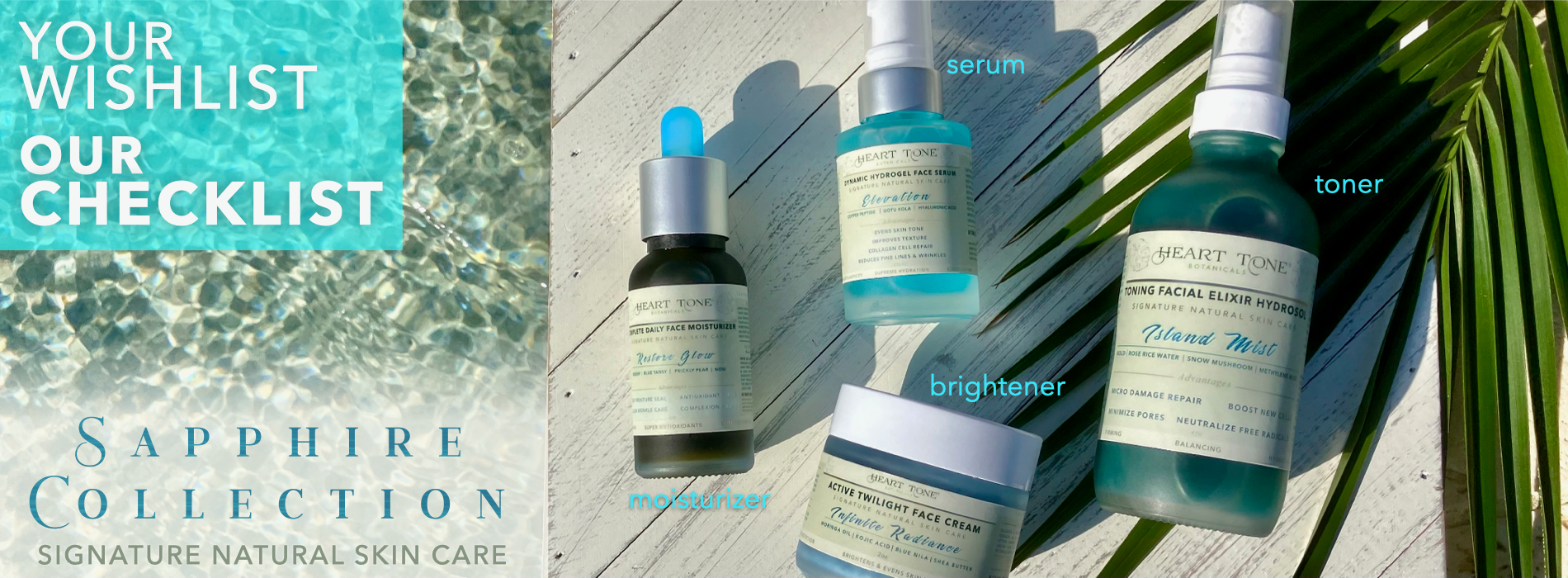
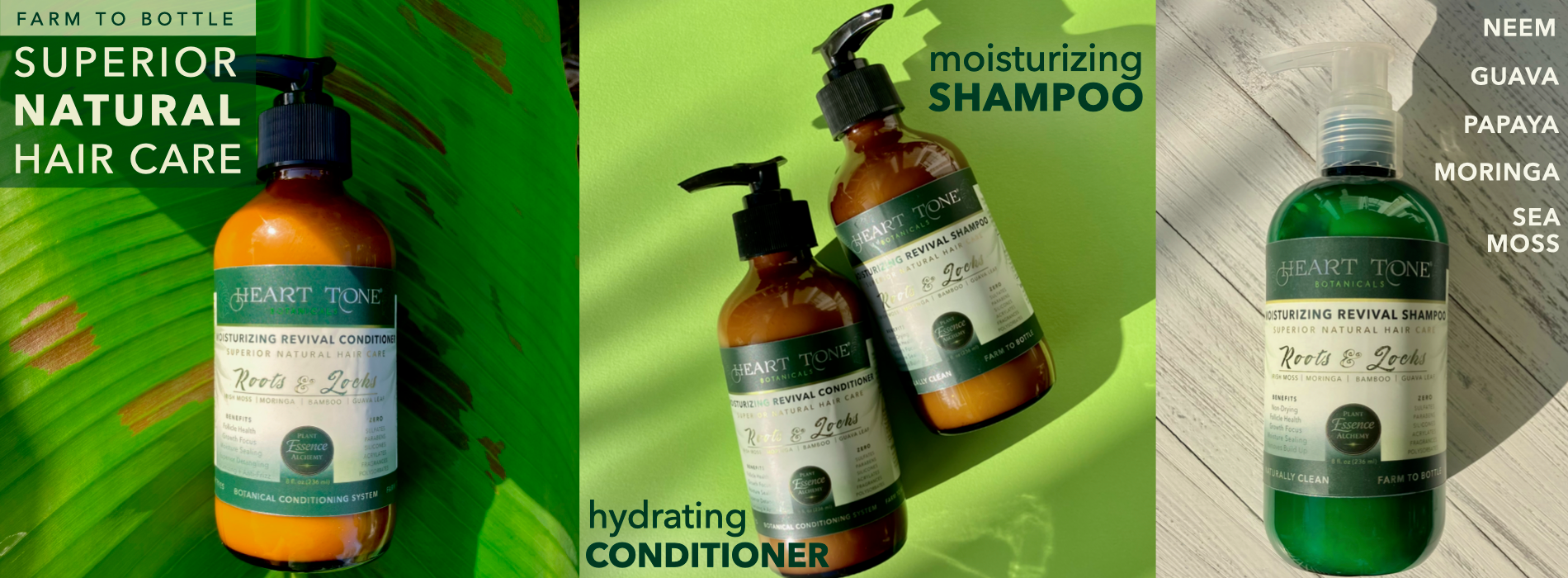
If you've ever used a bar of soap that left your skin feeling tight, dry, or stripped — you already know why ingredients matter. Shea butter soap is a different kind of bar. Rich in vitamins A, E, and F, plus a fatty acid profile that complements your skin's natural oils, shea butter brings a deeply nourishing quality to every wash.

But not all shea butter soaps are created equal. The difference between a mass-produced bar with a trace of shea butter and a cold-processed soap loaded with unrefined shea butter is the difference between a label claim and real results.
Here's what makes shea butter worth seeking out — and why we use it across nearly our entire product line.
What Makes Shea Butter Special for Skin?
Shea butter (Vitellaria paradoxa) comes from the nuts of the African shea tree, which grows wild across the savanna belt of West Africa. Unlike most plant butters, shea butter contains an unusually high concentration of unsaponifiable fats — compounds that don't convert to soap during saponification and instead remain in the finished bar as free moisturizers.
This is why cold-processed shea butter soap feels fundamentally different from conventional soap. The shea butter's nourishing botanical compounds remain present and intact through the cold process method.
The Key Compounds
- Oleic acid (40–60%) — absorbs readily and contributes to the smooth, comfortable feel shea butter is known for
- Stearic acid (20–50%) — creates a protective film on the skin that contributes to a lasting moisturized feeling
- Linoleic acid — an essential fatty acid that supports a comfortable moisture balance in the skin
- Cinnamic acid esters — botanical compounds with a long history of traditional use in skin care
- Vitamins A and E — antioxidant-rich components valued in botanical skin care traditions worldwide
- Phytosterols — plant-derived compounds that contribute to shea butter's characteristic emollient skin feel
Shea butter has been a staple of West African skin and hair care for thousands of years — valued not just as a food, but as a topical ingredient prized for its rich, emollient character and long tradition of use.
7 Benefits of Shea Butter Soap
1. Deep Moisturization Without Residue
Shea butter's fatty acid profile closely matches the oils your skin produces naturally. When used in soap, it delivers intense hydration that absorbs readily — no greasy film, no heavy feeling. This makes it ideal for daily use, even in warm climates like here in Florida where heavy moisturizers feel suffocating.
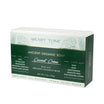
Our Coconut Creme Soap combines shea butter with coconut oil and coconut milk for a lather that's rich but never heavy.
2. A Soothing Sensory Experience
The cinnamic acid esters in shea butter have been used in traditional botanical skin care for centuries. Valued for their gentle, soothing character, they contribute to the comfortable, non-stripping feeling shea butter is known for — making it a thoughtful choice for anyone who wants a cleanse that feels as good as it cleans.
3. Comfortable Moisture Balance
Your skin's outermost layer — the stratum corneum — is a network of skin cells held together by natural lipids. Harsh cleansers can leave skin feeling dry and stripped after every wash. Shea butter soap, by contrast, cleanses while leaving behind a cushion of emollient compounds that support a comfortable, moisturized feeling throughout the day.
Many people find that switching to a shea butter-based soap reduces the sensation of tightness and dryness they experience after washing — particularly in dry or cold weather.
4. Gentle Exfoliation Support
Shea butter soap won't exfoliate on its own, but it creates the perfect base for gentle exfoliation. The moisturizing matrix softens the skin while you cleanse, allowing dead skin cells to release naturally. Pair it with a premium Egyptian loofah sponge for a spa-level exfoliation that polishes without irritation.
5. Antioxidant-Rich Botanical Care
Shea butter's natural vitamin A and E content brings antioxidant character to every wash — a quality long valued in traditional botanical skin care around the world. Regular use contributes to skin that looks and feels consistently well-cared-for, with the kind of visible radiance that comes from gentle, nourishing daily attention.
Many people notice visibly smoother, more comfortable skin within a few weeks of consistent use.
6. Non-Comedogenic Cleansing
Despite being intensely moisturizing, shea butter has a low comedogenic rating — meaning it's unlikely to clog pores. This makes shea butter soap suitable for face washing, not just body care. It cleanses without stripping natural oils, which helps maintain a comfortable balance for most skin types.
7. Versatility Across Skin Types
Dry skin loves shea butter for obvious reasons. Sensitive skin appreciates its gentle, non-stripping character. Oily skin benefits from the way it cleanses without leaving skin feeling tight. Even combination skin does well because shea butter delivers a comfortable moisture balance without overwhelming areas that don't need it. It's one of the few ingredients that genuinely works across the spectrum.

Why Cold Process Matters for Shea Butter
Here's the thing most soap brands won't tell you: heat destroys shea butter's best compounds.
Mass-produced soaps use high-heat (hot process) or melt-and-pour methods that can degrade the very vitamins, antioxidants, and unsaponifiable fats that make shea butter valuable. Cold process saponification preserves these compounds because the reaction happens at lower temperatures, allowing the shea butter to retain its full botanical profile.
At Heart Tone Botanicals, every bar soap we make is cold-processed. It takes longer. It requires more care. But the difference — in lather, in how your skin feels, in what the soap actually delivers — is undeniable.
How We Use Shea Butter at Heart Tone
Shea butter isn't a guest ingredient in our formulas — it's foundational. Here's where you'll find it:
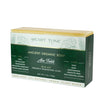
- Alpha Bar Soap — olive oil, coconut oil, and shea butter. Our activated charcoal + cedarwood bar for deep cleansing.
- Coconut Creme Soap — coconut oil, coconut milk, and shea butter. Rich, creamy lather for sensitive skin.
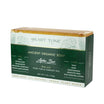
- Aloe Fields Soap — aloe vera, coconut oil, and shea butter. Our gentlest bar, grown on our own Florida farm.
- Botanical Renew Body Butter — triple-butter formula with shea, cocoa, and coconut. Deep moisture without grease.
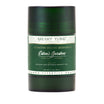
- Eden's Garden Deodorant — aloe vera, coconut oil, and shea butter for smooth, gentle application.
- Dual Rescue Body Rub — coconut oil and shea butter base for soothing application.
- The Castaway Kit — deodorant + soap duo, both infused with shea butter.
When we say shea butter is foundational, we mean it. Eleven products across soaps, body care, and personal care.
What to Look for in a Shea Butter Soap
Not all shea butter soaps deliver the benefits the label promises. Here's how to tell the real thing:
- Unrefined shea butter — refined shea butter has been processed in ways that reduce its natural vitamin and botanical content. Look for "unrefined" or "raw" on the label.
- Cold process method — preserves the unsaponifiable fats that give shea butter its distinctive emollient skin feel.
- Short, readable ingredient list — if you see sodium lauryl sulfate, synthetic fragrances, or parabens, the shea butter is just marketing decoration. (Why plant-based soaps matter)
- Shea butter listed in the top 3-5 ingredients — ingredient lists are ordered by concentration. If shea butter appears near the end, there's barely any in there.
- No artificial preservatives — a properly made natural soap doesn't need parabens or formaldehyde releasers.
Frequently Asked Questions
Is shea butter soap good for sensitive skin?
Shea butter has a long history of traditional use in botanical skin care, and its gentle, emollient character makes it a popular choice for people with sensitive skin. It cleanses without stripping, leaving skin feeling comfortable and moisturized. Choose a soap without synthetic fragrances or SLS, which are common sources of sensitivity for many people.
Can I use shea butter soap on my face?
Absolutely. Shea butter has a low comedogenic rating, meaning it's unlikely to clog pores. It cleanses without stripping natural oils, which helps maintain a comfortable balance for most skin types, including oily and combination skin. Start with once daily to see how your skin responds.
Is shea butter soap safe for babies?
Unscented shea butter soap is generally considered gentle enough for baby skin. However, always patch test first and consult your pediatrician if your baby has known sensitivities or skin conditions.
How is shea butter soap different from regular soap?
Regular soap (especially commercial bars) often contains synthetic detergents like SLS that leave skin feeling dry and stripped. Shea butter soap, especially cold-processed varieties, cleanses while leaving behind emollient compounds that keep skin feeling soft and comfortable. It's the difference between cleaning your skin and caring for it.
Does shea butter soap help with dry skin in winter?
Yes — this is one of its strongest use cases. The combination of oleic and stearic acids contributes to a comfortable, moisturized feeling that's especially valuable when cold, dry air leaves skin feeling tight and dry. Many people find they can reduce or eliminate body lotion in winter when they switch to shea butter soap.
The Bottom Line
Shea butter isn't a trend ingredient — it's been used in African skin care for thousands of years, and its rich botanical profile speaks for itself. When used in cold-processed soap, shea butter delivers deep moisturization, a soothing sensory experience, comfortable moisture balance, and antioxidant-rich botanical care in every wash.
At Heart Tone Botanicals, shea butter is woven into nearly everything we make — because we believe the ingredients that touch your skin should nourish it, not strip it.

Leave a comment
This site is protected by hCaptcha and the hCaptcha Privacy Policy and Terms of Service apply.