



Walk into any drugstore and you will find dozens of 'soap' bars on the shelf. Most of them are not actually soap. They are synthetic detergent bars — manufactured with petroleum-derived surfactants, stripped of natural glycerin, and loaded with preservatives designed to give them a five-year shelf life. They clean your skin the same way dish liquid cleans a frying pan.
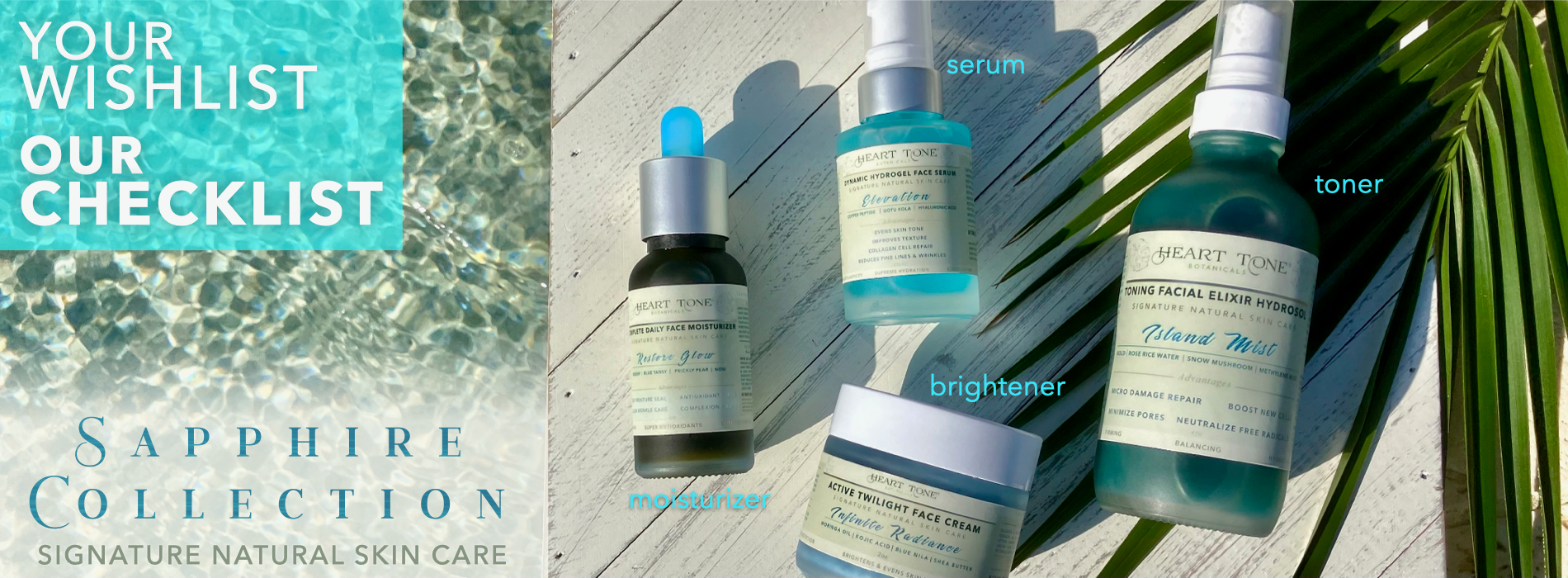
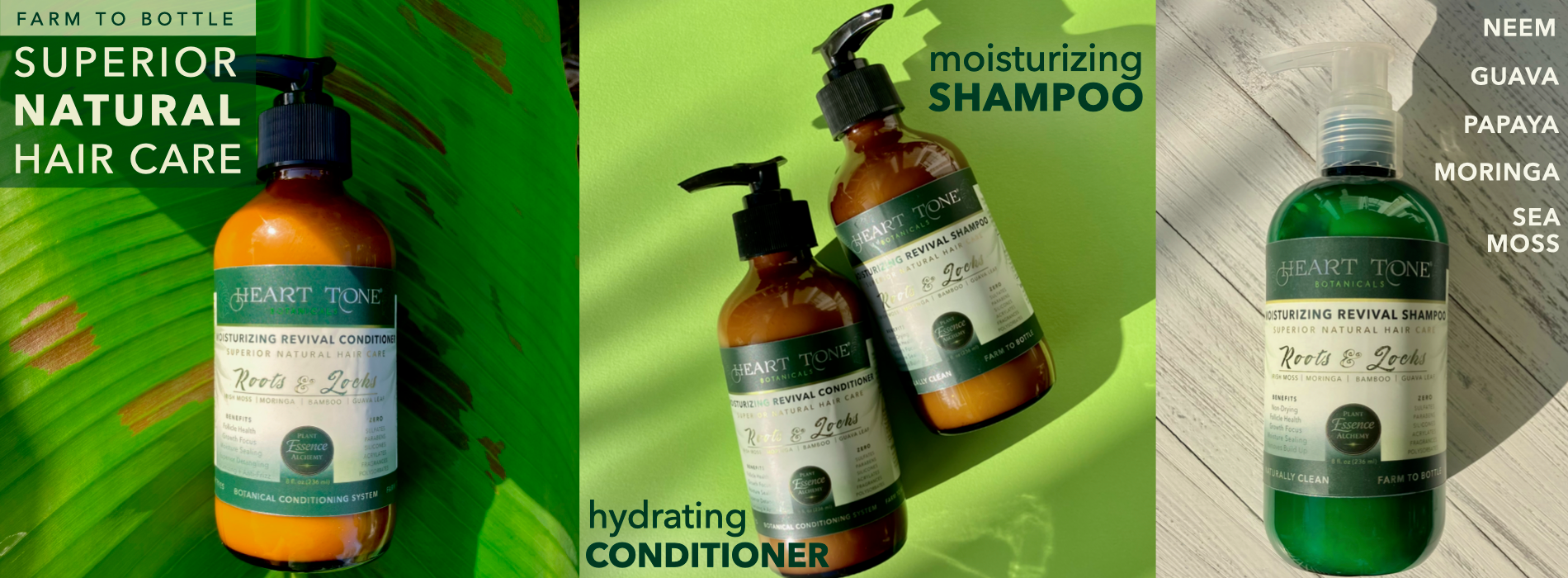
At Heart Tone Botanicals, we chose a different path. Every bar in our Ancient Organic Soap line is cold processed — a centuries-old method that preserves what nature puts into the oils and produces something a factory never could.
Here is why cold process matters, what makes it different, and why we believe it is the only honest way to make soap.
What Is Cold Process Soap?
Cold process soapmaking combines plant-based oils with sodium hydroxide (lye) at low temperatures. The chemical reaction — called saponification — transforms the oils and lye into soap and glycerin over a 24- to 48-hour period. The bars then cure for four to six weeks, hardening and mellowing into a long-lasting, skin-nourishing product.
No external heat is applied to force the reaction. No glycerin is extracted. No synthetic shortcuts are taken. The result is a bar that contains every beneficial compound the original oils carried — vitamins, antioxidants, fatty acids — intact and ready to work on your skin.
"We cold process because it is the only method that respects the ingredients. When you grow your own botanicals and press your own oils, you do not want a manufacturing process that destroys what you just spent months cultivating." — JD, Heart Tone Botanicals
Cold Process vs. Commercial Soap: What You Are Actually Putting on Your Skin
| Factor | Cold Process | Commercial "Soap" |
|---|---|---|
| Glycerin | Naturally retained — moisturizes as you wash | Extracted and sold separately |
| Base ingredients | Plant oils (olive, coconut, shea) | Petroleum-derived detergents (SLS, SLES) |
| Fragrance | Essential oils or unscented | Synthetic fragrance (often 50+ unnamed chemicals) |
| Preservatives | None needed — the curing process stabilizes naturally | Parabens, BHT, EDTA |
| Skin feel after use | Soft, hydrated, balanced | Tight, dry, stripped |
| Environmental impact | Biodegradable, low energy, minimal waste | Petrochemicals, high energy, plastic packaging |
5 Reasons We Choose Cold Process
1. It Keeps the Glycerin Where It Belongs — in Your Soap
Glycerin is a natural humectant that draws moisture from the air into your skin. During saponification it forms automatically — it is a free gift from chemistry. Commercial manufacturers extract this glycerin because it is worth more sold separately to the cosmetics industry than left in a bar of soap.
Cold process soap retains 100% of its naturally produced glycerin. That is why our Aloe Fields bar leaves skin feeling soft after rinsing — the glycerin is still there, doing its job.
2. Low Heat Protects Sensitive Compounds
Olive oil contains polyphenols. Aloe vera contains acemannan. Shea butter contains vitamins A and E. These compounds are sensitive to heat. In hot process or industrial manufacturing, temperatures can exceed 200°F, denaturing the very ingredients that make natural soap worthwhile.
Cold process saponification generates only mild, self-contained heat — enough to drive the reaction, not enough to destroy the botanicals. The result is a bar that carries the full nutrient profile of its ingredients from the mixing bowl to your shower.
3. Superfatting Creates a Built-In Moisturizer
In cold process soapmaking, we intentionally add more oil than the lye can convert — a technique called superfatting. Those extra oils remain in the finished bar as free-floating moisturizers that condition your skin while you wash.
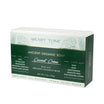
Our Coconut Creme bar is superfatted with coconut oil, coconut milk, and shea butter — delivering a rich, creamy lather that doubles as a skin treatment. Commercial bars have no superfat; they are formulated to be cost-neutral, not skin-positive.
4. No Preservatives Needed
A properly cured cold process bar has a naturally low moisture content and high pH that supports a balanced microbial environment growth. It does not need parabens, methylisothiazolinone, or any of the synthetic preservatives found in commercial bars and body washes.
Fewer ingredients means fewer potential irritants — which is why cold process soap is often recommended for people with sensitive or reactive skin.
5. It Honors the Craft — and the Ingredients
Cold process cannot be rushed. Each batch requires precise measurement, careful temperature monitoring, and four to six weeks of curing time. There is no shortcut.

That patience is the point. When you grow your own aloe vera, press your own coconut oil, and harvest your own botanicals — as we do on our farm in Vero Beach, Florida — you want a process that preserves what the soil produced. Cold process is that process.
Learn more about our farming practices in Why We Grow Our Own Ingredients.
What Goes Into Our Cold Processed Bars
Every Ancient Organic Soap bar is handcrafted with ingredients we know by name:
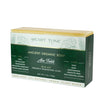
- Aloe Fields — olive oil, coconut oil, and fresh aloe vera. A soothing, herbal bar for everyday use.
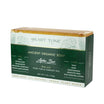
- Alpha Bar — olive oil, coconut oil, shea butter, activated charcoal, and cedarwood. A bold, detoxifying bar built for deep cleaning.
- Coconut Creme — coconut oil, coconut milk, and shea butter. An ultra-moisturizing tropical bar with the richest lather in the line.
Every bar is pesticide-free, handcut, and cured on-site. No synthetic fragrances. No parabens. No sulfates. Just plants and patience.
How to Get the Most from Cold Process Soap
- Keep it dry between uses. Use a draining soap dish — cold process bars last longest when they can air dry completely between showers.
- Use warm water, not hot. Hot water strips natural oils from your skin and softens the bar faster than necessary.
- Lather in your hands first. This extends the life of the bar and gives you a richer, more even application — especially on your face.
- Let it cure if it is fresh. A fully cured bar (6+ weeks) is harder, milder, and produces a better lather than a young one.
The Bottom Line
Cold process is slower, more demanding, and more expensive than commercial manufacturing. We choose it anyway — because the difference shows up on your skin.
When glycerin stays in the bar, when heat never touches the botanicals, when extra oils are left in on purpose to moisturize — you end up with something that commercial soap will never be: a product that actually improves your skin while it cleans it.
That is the Heart Tone standard. Farm-grown. Cold processed. No compromises.
Frequently Asked Questions
Is cold process soap safe? Does it still contain lye?
The finished bar contains zero lye. During saponification, sodium hydroxide reacts completely with the oils and is fully consumed. What remains is soap and glycerin — nothing caustic. Cold process soap has been safely used for centuries.
Why does cold process soap need to cure for weeks?
Curing allows excess water to evaporate, making the bar harder, longer-lasting, and milder on skin. It also allows the crystal structure of the soap to fully develop, which improves lather quality. Skipping or shortening the cure produces a soft, short-lived bar.
Is cold process soap botanically active?
All soap is effective at removing bacteria through its surfactant action — it lifts germs off skin and rinses them away. You do not need synthetic antibacterials like triclosan (which the FDA banned from consumer wash products in 2016). Cold process soap cleans just as effectively.
Can I use cold process soap on my face?
Yes. Cold process soap is generally gentler than commercial bars because it retains glycerin and does not contain synthetic detergents. Our Aloe Fields bar in particular — with olive oil and aloe vera — is well-suited for facial use. Lather in your hands first for a gentler application.
How long does a bar of cold process soap last?
With proper drainage (a soap dish that lets it dry between uses), a 5oz bar typically lasts 4-6 weeks of daily use. Bars that sit in standing water will dissolve faster — keeping them dry is the key to longevity.
Handcrafted on our family farm in Vero Beach, Florida. Explore all body care →

Leave a comment
This site is protected by hCaptcha and the hCaptcha Privacy Policy and Terms of Service apply.