

Most ingredients in natural toothpaste get their own marketing moment — hydroxyapatite, colloidal silver, xylitol. Usnea lichen rarely does. That's unusual, because its active compound has been studied for decades, and its antimicrobial profile is remarkably well-suited to the oral environment.

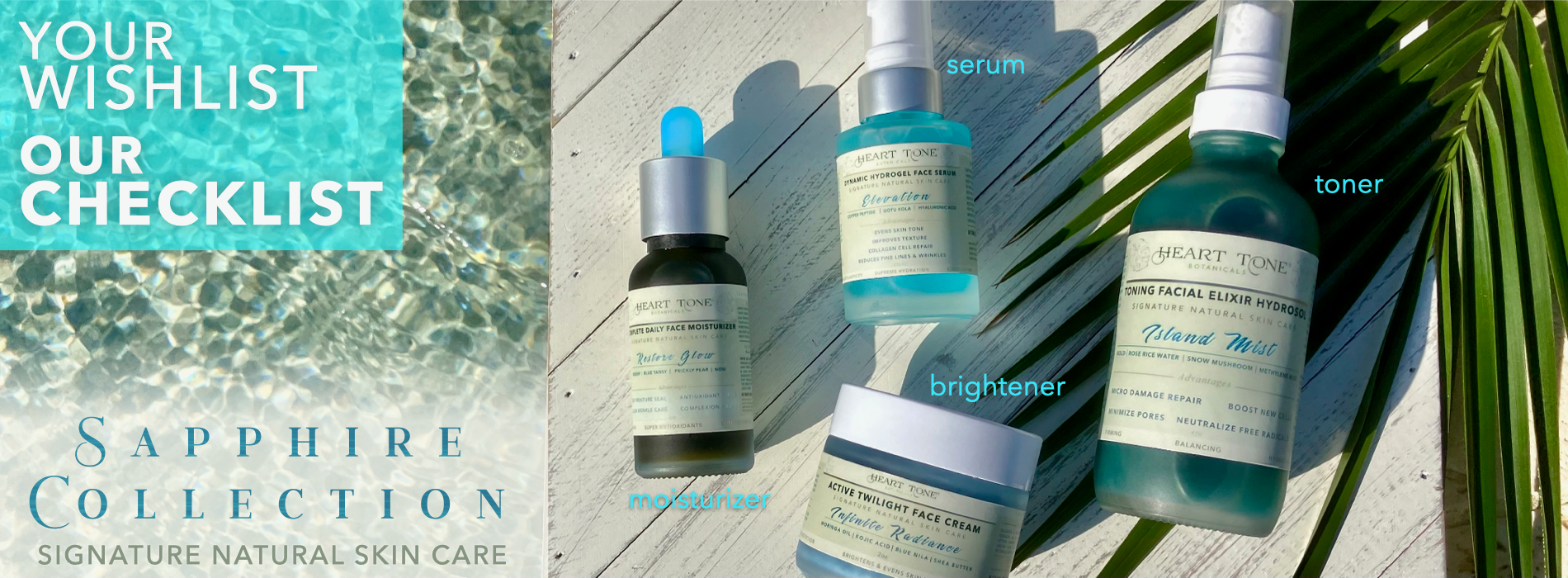
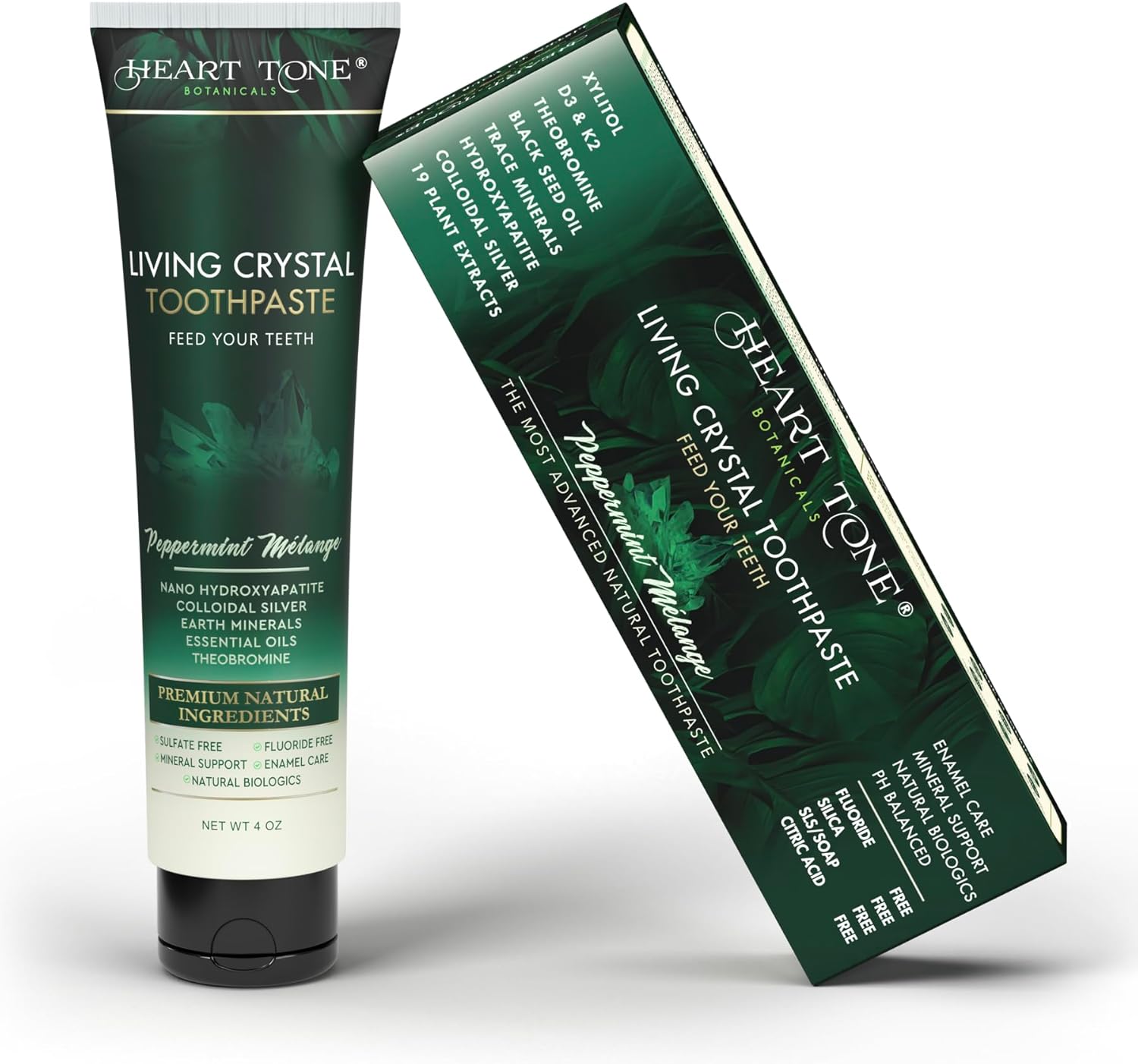
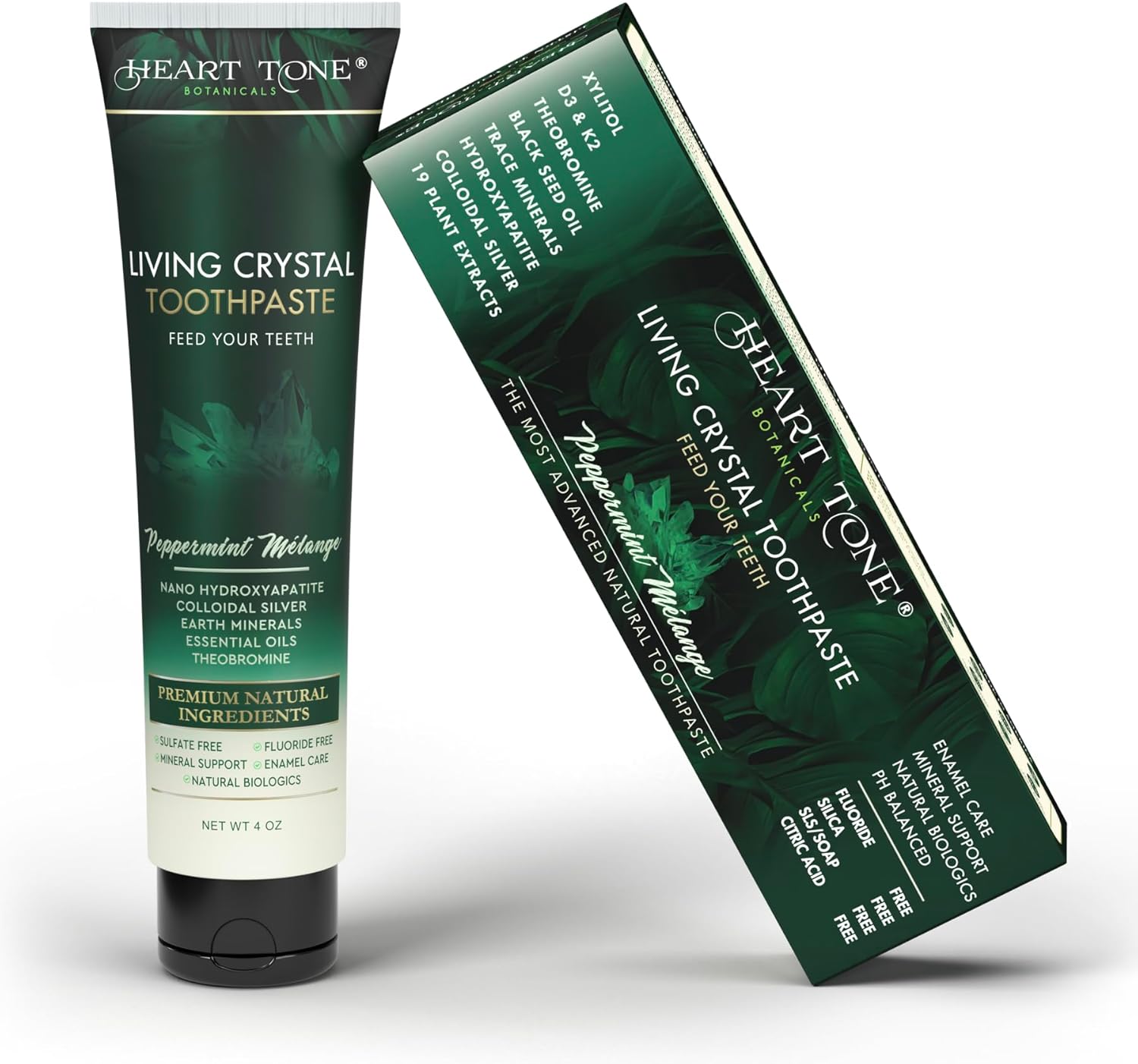
If you're using Living Crystal Toothpaste, you're already getting usnea in every brush. Here's what it actually does.
What Is Usnea Lichen?
Usnea is not a plant. It's a lichen — a composite organism formed by algae and fungi living in a symbiotic relationship. Lichens are among the oldest living things on Earth, surviving on bare rock faces, tree bark, and arctic tundra. They produce a range of secondary metabolites specifically to defend themselves from microbial threats, UV radiation, and competing organisms.
Herbalists have used usnea for centuries in traditional European, Asian, and Native American medicine — primarily for its antimicrobial and anti-inflammatory properties. The name "old man's beard" comes from its distinctive gray-green, thread-like appearance hanging from tree branches.
Usnea's traditional use wasn't arbitrary. Modern science has traced its biological activity to a specific compound: usnic acid.
Usnic Acid: The Active Compound
Usnic acid is a naturally occurring dibenzofuranoid — a complex polycyclic molecule produced almost exclusively by lichens. It is one of the most studied lichen-derived compounds in scientific literature, and much of that research centers on its antimicrobial properties.
How does usnic acid work against bacteria? The primary mechanism involves disruption of oxidative phosphorylation — the process cells use to produce ATP (energy). Usnic acid uncouples this process in susceptible bacteria, essentially depleting their energy reserves. Gram-positive bacteria, which include many oral pathogens, are particularly vulnerable because their cell walls don't block usnic acid entry the way gram-negative bacteria can.
What Usnea Does in the Mouth
The oral cavity is home to over 700 bacterial species. Most are harmless or beneficial. A smaller subset drive decay, gum inflammation, and the persistent biofilm we call plaque. Usnea's antimicrobial profile overlaps meaningfully with several of these problem species.
Research published in peer-reviewed journals has found usnic acid active against:
- Streptococcus mutans — the primary cavity-causing bacterium, responsible for acid production that erodes enamel
- Streptococcus salivarius — implicated in early biofilm formation
- Fusobacterium nucleatum — associated with gum disease and periodontal inflammation
- Candida albicans — the fungal organism behind oral thrush and yeast-driven oral dysbiosis
That last point is worth emphasizing. Most antibacterial toothpaste ingredients target bacteria only. Usnic acid shows antifungal activity too — making it useful in formulas designed to support full oral microbiome balance, not just kill specific bacterial strains.
Usnea vs. Conventional Oral Antiseptics
Chlorhexidine is the gold standard antiseptic in clinical dentistry. It's effective. It's also associated with tooth staining, altered taste, and — with prolonged use — disruption of the oral microbiome in ways that can increase inflammation rather than reduce it.
Alcohol-based mouthwashes take a similar approach: broad-spectrum disruption via ethanol. Effective short-term at reducing bacterial counts. Less effective at selectively protecting beneficial bacteria.
Usnea operates differently. Rather than blanket disruption, usnic acid's selectivity for gram-positive organisms means it preferentially acts on the bacteria most associated with decay and inflammation, while leaving many gram-negative commensal organisms — which play protective roles in healthy oral ecology — largely unaffected.
This doesn't mean usnea alone is a substitute for proper oral care. But it does mean a formula that includes usnea alongside other botanical antimicrobials can support oral health without the collateral disruption of conventional antiseptics.

Why Extraction Method Matters
Usnic acid is fat-soluble and thermally sensitive. Traditional water-based botanical extractions produce minimal usnic acid content. CO2 extraction — which uses supercritical carbon dioxide as a solvent — is far more effective at concentrating lichen-derived compounds, including usnic acid, while preserving their biological activity.
This is the same reason CO2 extraction is used for other premium botanical actives in natural oral care: calendula, myrrh, clove. The extraction method determines whether you're getting a meaningful dose or a trace amount used primarily for marketing.
Usnea in Living Crystal Toothpaste
Living Crystal Toothpaste includes usnea lichen as part of a broad-spectrum botanical canvas that also features myrrh CO2, clove CO2, calendula CO2, rhatany root, licorice root CO2, tea tree, and cinnamon bark — alongside its mineral actives (micro-hydroxyapatite, zinc citrate, colloidal silver) and enamel-rebuilding compounds (theobromine, L-arginine).
The result is a formula where usnea isn't doing all the work — it's one of many converging botanical and mineral inputs supporting oral health from multiple angles simultaneously.
No single ingredient in natural oral care is a silver bullet. But usnea's combination of gram-positive selectivity, antifungal activity, and usnic acid content makes it one of the more interesting and underappreciated botanicals in any comprehensive natural toothpaste formula.
Frequently Asked Questions
Is usnea lichen safe to use in toothpaste every day?
Yes. Usnea has a long history of topical use in herbal medicine and is considered safe at appropriate concentrations. In toothpaste, concentrations are small and the formula is rinsed rather than ingested in quantity. High-dose oral supplementation of usnic acid is a separate consideration and not relevant to topical oral care use.
How does usnea lichen compare to tea tree oil in toothpaste?
Both have antimicrobial properties, but they operate via different mechanisms. Tea tree oil (terpinen-4-ol) disrupts bacterial cell membranes. Usnic acid targets energy production. They are complementary, not redundant — which is why formulas like Living Crystal include both alongside other botanicals.
Will usnea toothpaste stain teeth?
No. Usnic acid is a yellowish compound in concentrated form, but at the concentrations used in toothpaste it does not cause staining. Usnea-based formulas are not associated with the surface discoloration sometimes seen with chlorhexidine or iodine-containing rinses.
Is there research on usnea for oral health specifically?
Several in vitro studies have examined usnic acid against oral pathogens — including S. mutans, oral Candida strains, and periodontal bacteria. These studies establish a biological basis for its inclusion in oral care, though large-scale clinical trials in toothpaste specifically are limited. As with many botanical actives, the evidence base is growing and the mechanism is well-characterized even when long-term clinical data is still emerging.
Shop Living Crystal Toothpaste →
Explore the full oral care routine: Restorative Mouth Rinse | Antioxidant Oil Pull | Full Oral Care Collection
More From the Living Crystal Botanical Canvas
Rhatany Root CO₂ is one of several traditional botanical extracts in Living Crystal Toothpaste. Learn about its botanical companions:

Leave a comment
This site is protected by hCaptcha and the hCaptcha Privacy Policy and Terms of Service apply.