

If your hair drinks up moisture like a sponge — but loses it just as fast — you're likely dealing with high porosity hair. You might notice your strands feel dry within an hour of washing, tangle easily, or seem to absorb water quickly yet stay frizzy. Sound familiar? You're not imagining it. High porosity hair behaves fundamentally differently from low porosity hair, and most mainstream hair products are not designed for it.

The good news: once you understand what's happening at the cuticle level, caring for high porosity hair with natural ingredients becomes straightforward — and genuinely effective.
What Makes Hair "High Porosity"?
Every strand of hair is covered by a cuticle — tiny overlapping scales, like roof shingles. In healthy, low-porosity hair, those scales lie flat and tight, forming a barrier that keeps moisture in and chemicals out. In high porosity hair, those scales are raised, spaced apart, or even damaged — creating gaps that let moisture rush in quickly, but escape just as fast.
High porosity can be genetic — some people's hair grows this way naturally, particularly in many textured and curly hair types. But it can also be acquired through years of:
- Chemical processing (bleaching, coloring, relaxing, perming)
- Excessive heat styling
- Harsh sulfate shampoos that strip the cuticle over time
- Mechanical damage from rough brushing or terrycloth towels
- Sun and environmental exposure
A quick home test: drop a clean strand of hair into a glass of water and wait two minutes. If it sinks quickly to the bottom, that's high porosity — it absorbed the water readily. If it floats near the top, you're low porosity. Most people fall somewhere in the middle, but many are surprised to discover just how porous their hair actually is.
The Core Challenge: Moisture Retention
Here's the fundamental problem with high porosity hair: because the cuticle is already open or damaged, moisture doesn't stay put. You can deep condition, add leave-in, apply oil — and two hours later your hair feels dry again. This is not a product failure. It's physics. The raised cuticle allows water molecules to evaporate freely, especially in dry or warm environments.
This is why high porosity hair responds so differently to products than low porosity hair does. You need formulas designed to deposit moisture AND seal it in — in that order. And you need gentle cleansing that doesn't strip the cuticle further.
Why Natural Ingredients Work So Well for High Porosity Hair
Conventional hair products — particularly those loaded with silicones, sulfates, and synthetic film-formers — can create a temporary illusion of smoothness for high porosity hair. But silicones coat the strand without actually hydrating it, and they build up over time. Sulfate shampoos strip the scalp aggressively, which is fine for low-porosity hair that needs help opening the cuticle — but devastating for high-porosity hair that's already wide open.
Natural, plant-derived ingredients work with the hair's structure rather than masking it. Here's what makes a real difference:
Humectants that draw moisture in
Ingredients like aloe vera, honey, and glycerin pull water from the environment into the hair shaft. For high porosity hair, these are essential — they actively bring hydration in rather than relying on the hair to hold it.
Emollients that smooth the cuticle
Plant oils — especially jojoba, argan, and avocado oil — are structurally similar to the hair's natural sebum. They fill gaps in the cuticle temporarily, reducing porosity and increasing shine. Unlike silicones, they don't build up and they actually nourish the strand.
Proteins that reinforce weak spots
High porosity hair often benefits from protein because the cuticle gaps allow protein molecules to temporarily bond within the strand. Hydrolyzed proteins from sources like wheat, rice, or silk can improve tensile strength and reduce breakage. The key word is occasionally — too much protein without moisture creates brittle hair. A protein-moisture balance is the goal.
Heavy butters that seal moisture in
Shea butter, mango butter, and similar plant butters are too heavy for low porosity hair, where they just sit on the surface. But for high porosity hair, they're ideal sealants — applied after your moisturizing products, they help lock water inside the shaft and slow down evaporation.
Building a Natural Wash Day Routine for High Porosity Hair
Getting wash day right is the single most impactful thing you can do for high porosity hair. Here's a step-by-step framework:
Step 1: Pre-Poo (Optional but Effective)
Applying a light oil or conditioner to dry hair 30 minutes before washing creates a barrier that reduces how much moisture the shampoo strips. Coconut oil or a diluted conditioner work well. This step is particularly helpful if your hair tangles badly or if you're washing in hard water.
Step 2: Gentle, Sulfate-Free Shampoo
This is non-negotiable for high porosity hair. Sulfates are aggressive surfactants that strip lipids from the cuticle — which high porosity hair simply can't afford to lose. Look for a shampoo that's sulfate-free, pH-balanced, and moisturizing rather than "volumizing" or "clarifying."

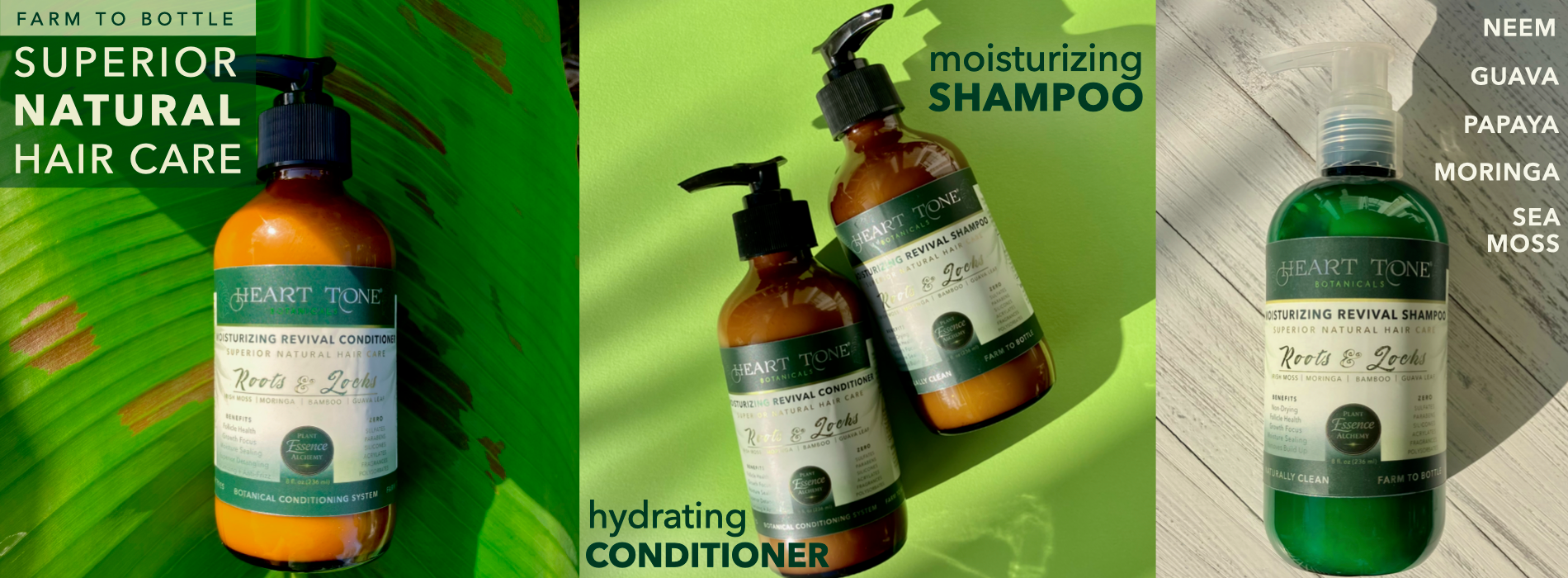
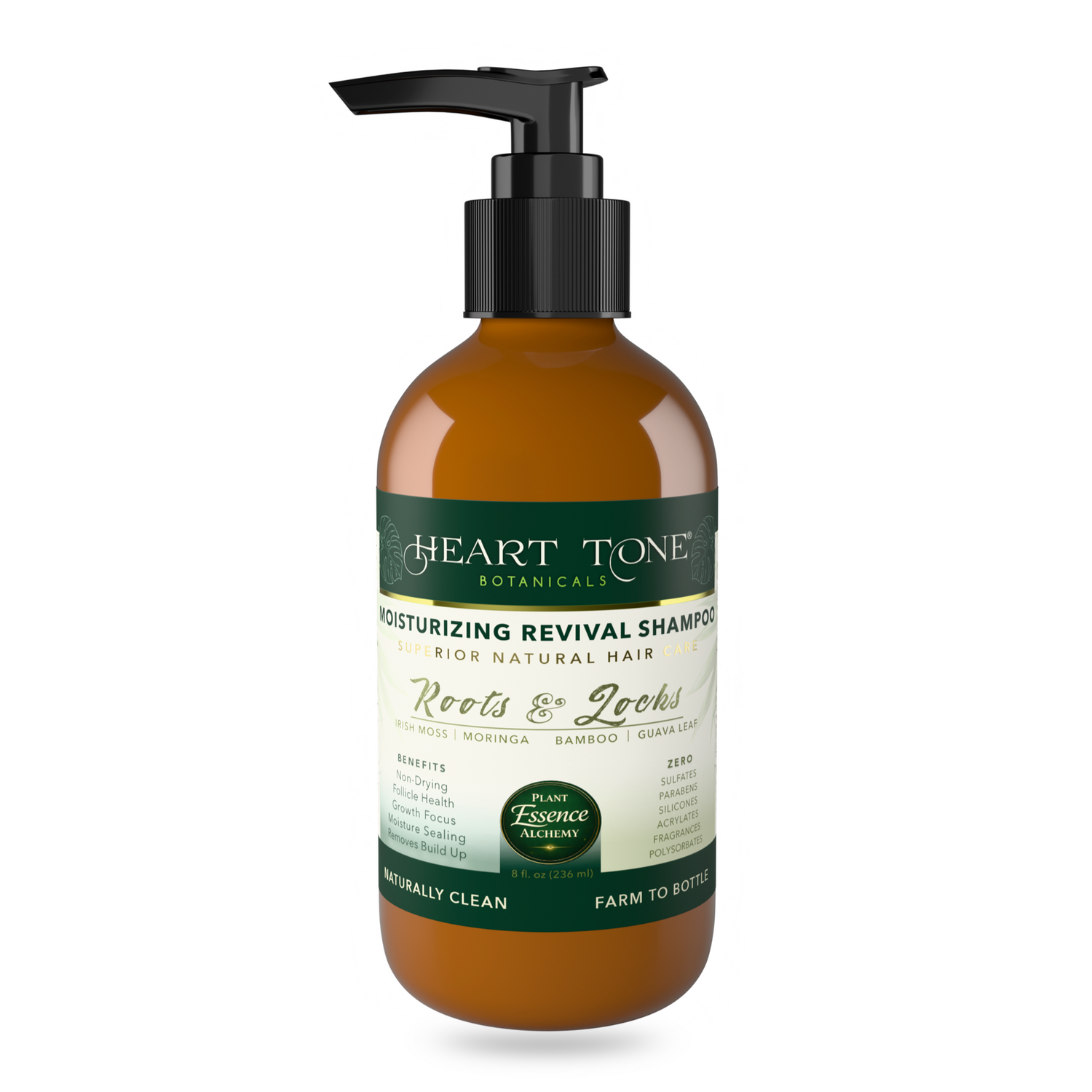
Our Roots & Locks Moisturizing Revival Shampoo is formulated specifically for this purpose — farm-grown botanical ingredients, sulfate-free, color-safe, and built to cleanse gently while supporting scalp and strand health. It's pH-balanced to avoid disrupting the cuticle further, which matters enormously for high-porosity strands.
Step 3: Deep Condition — Every Wash
For low porosity hair, deep conditioning is a monthly luxury. For high porosity hair, it's a weekly necessity. The open cuticle is actually an advantage here — deep conditioner absorbs quickly and thoroughly. Apply generously, cover with a shower cap, and leave it for 20–30 minutes. The heat helps the ingredients penetrate fully.
After rinsing, do a final cool water rinse. This is not a myth — cooler water causes the cuticle to close slightly, temporarily reducing porosity and increasing shine. Hot water does the opposite.
Step 4: Leave-In Conditioner on Wet Hair
Apply your leave-in conditioner immediately after blotting hair gently with a microfiber towel or cotton T-shirt. Never a terrycloth towel — the rough texture physically damages the already-vulnerable cuticle and causes frizz. Apply leave-in while hair is still very damp so it helps the product absorb.
Step 5: Seal with Oil or Butter
This is the step most people skip — and why high porosity hair stays dry. After your leave-in, apply an oil or butter while hair is still damp. This traps the moisture you just added and dramatically slows evaporation. The LOC method (Leave-in, Oil, Cream) was essentially invented for high porosity hair.
Our Roots & Locks Moisturizing Revival Conditioner combines deep hydration with plant-based emollients that smooth the cuticle from root to tip. It's rich enough to support the sealing step while still rinsing clean — no silicone buildup, no synthetic residue.
Between Wash Days: Refresh Without Stripping
High porosity hair dries out faster between wash days, too. A few strategies that help:
- Water + leave-in spritz: Mix water and a small amount of leave-in conditioner in a spray bottle. Mist over hair to reactivate moisture, then scrunch in a small amount of oil.
- Protective styles: Braids, twists, and buns reduce the surface area exposed to dry air, significantly slowing moisture loss.
- Satin bonnet at night: Cotton pillowcases absorb moisture from hair while you sleep. A satin or silk bonnet (or pillowcase) prevents this.
- Avoid over-washing: Every wash day, no matter how gentle, is a stress event for high porosity hair. Once a week — or even every 10 days — is often enough if you're using the right products.
What to Avoid with High Porosity Hair
Just as important as what you use is what you skip:
- Sulfate shampoos — strip lipids and worsen porosity over time
- Silicone-heavy products — coat without hydrating; build up and require sulfates to remove (a destructive cycle)
- Hot water rinses — open the cuticle further and accelerate moisture loss
- Alcohol-based products — drying alcohols (like alcohol denat) evaporate fast and take moisture with them
- Too much protein too often — protein overload causes brittle, snapping hair; balance protein treatments with deep conditioning
- Skipping the sealing step — adding moisture without sealing is like filling a bucket with holes
The Long Game: Can You Lower Hair Porosity?
If your high porosity is acquired (from chemical processing or heat damage), some improvement is possible over time — but you can't fully "fix" the existing damage. What you can do is:
- Grow out the most damaged portions while maintaining the length carefully
- Reduce or eliminate further heat and chemical processing
- Support new growth with consistent moisture and gentle handling
- Use protein treatments periodically to temporarily reinforce the cuticle
If your porosity is genetic, the goal isn't to change it — it's to develop a routine that works with it. Many people with naturally high porosity hair find that once they understand the LOC method, cool rinses, and the right products, their hair thrives.
Shop High Porosity-Friendly Hair Care at Heart Tone
We formulate our hair products for real hair — including hair that's high porosity, color-treated, or chemically processed. Our Roots & Locks line uses farm-grown botanicals with no sulfates, no silicones, and no synthetic shortcuts.
- Roots & Locks Moisturizing Revival Shampoo — pH-balanced, sulfate-free botanical shampoo for all hair types including high porosity and color-treated
- Roots & Locks Moisturizing Revival Conditioner — rich farm-grown botanical conditioner for deep moisture, detangling, and cuticle support
Explore the full Heart Tone Botanicals hair care collection — everything formulated with the same respect for your scalp and strands that JD brings to every crop on the farm.
High porosity hair is not broken hair. It's hair that needs a different kind of care — and once you give it that, the difference is real.
Try It: Roots & Locks Shampoo & Conditioner
Heart Tone Botanicals' Roots & Locks Moisturizing Revival Shampoo and Conditioner are formulated for all hair types — sulfate-free, silicone-free, and packed with farm-grown botanicals that nourish the scalp and restore moisture balance without stripping. Perfect for low and high porosity hair.

Leave a comment
This site is protected by hCaptcha and the hCaptcha Privacy Policy and Terms of Service apply.