












The Short Answer: It Depends on What "Small Batch" Actually Changes

"Small batch" shows up on a lot of skincare labels these days, usually next to a photo of hands stirring something in a copper pot. It sounds like a promise — fresher, purer, more careful. And sometimes it is exactly that. But the phrase itself isn't regulated, which means it can describe a genuinely different way of making a product, or it can just be a label choice that costs a brand nothing to print. The difference isn't in the words. It's in what actually changes about how the product is made.
What "Small Batch" Really Means
At its most literal, small batch means a product is formulated and mixed in limited quantities rather than run through large-scale industrial production. In practice, that usually shows up as a few concrete differences:
- Shorter time from mixing to shelf — smaller runs move through production and into inventory faster than a run sized for a national retail chain
- More direct oversight — a small team can watch a 20-gallon batch in a way that isn't practical at industrial scale
- Flexibility on ingredients — smaller producers aren't locked into a formula because a supplier contract requires 10,000 units of the same input
- Room for seasonal or limited variation — a small operation can adjust a batch without re-tooling an entire production line
None of that is a guarantee of quality on its own. It's a description of process. What that process is used for is what determines whether "small batch" means anything for your skin.
Why Batch Size Can Matter for a Formula
Where batch size genuinely connects to what ends up on your skin is in formulas that lean on ingredients that are sensitive to time, heat, or storage. Certain plant oils, butters, and botanical extracts change character the longer they sit — some slowly oxidize, some lose their scent profile, some simply separate. A product mixed in small runs and sold through a shorter supply chain has less time sitting in a warehouse before it reaches you.
Batch size can also matter for formulas built around a specific ratio of many ingredients. A body butter or facial oil built from a dozen botanical inputs is harder to keep consistent at industrial volume — you need those ratios to hold steady whether you're making one gallon or one thousand. Smaller runs make it easier to keep that consistency batch to batch.

When "Small Batch" Is Just a Label
Here's the honest part: batch size alone doesn't fix a weak formula, and it doesn't make a product safer, cleaner, or better suited to your skin. A "small batch" moisturizer built on cheap filler oils and a splash of fragrance is still a moisturizer built on cheap filler oils and a splash of fragrance — the batch size doesn't change what's in the bottle. Some brands use the phrase because it sounds artisanal, not because it describes anything different about how the product is made or what's inside it.
The tell is usually in the ingredient list, not the marketing copy. A product actually built around a small-batch process tends to show it — real plant oils and butters near the top of the list, a shorter shelf life or "best by" date, and language on the label that's specific about sourcing rather than vague about "purity."
Questions to Ask Before You Believe the Label
- Does the brand say where the raw ingredients actually come from, or just that the product is "small batch"?
- Is there a real ingredient list you can check, with plant-based inputs near the top?
- Does the product have a shelf life or "best by" date that suggests it isn't sitting in a warehouse for a year?
- Can you find out who's actually making it — a named farm, a named formulator, a real address?
If a brand can answer those questions specifically, "small batch" is probably describing something real. If the answers are vague, the phrase is likely doing more work in the marketing than in the formula.
How Heart Tone Botanicals Approaches Batch Size
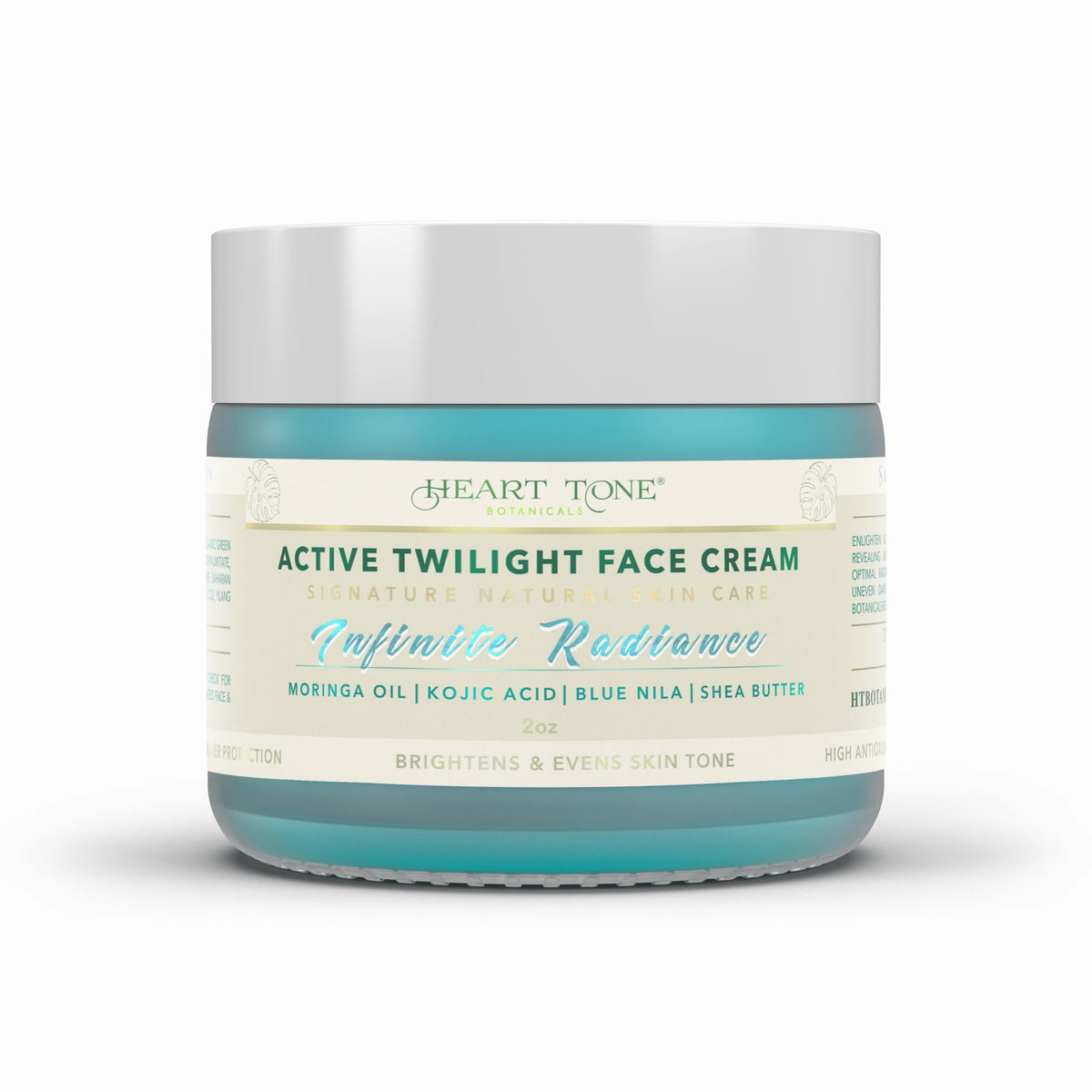
At Heart Tone Botanicals, small batch isn't a phrase we print — it's a byproduct of where the ingredients start. Some of our core botanicals, including aloe vera, neem, moringa, and soursop, are grown on our own farm in Vero Beach, Florida. Farm-grown ingredients don't scale the way a synthetic input does; a harvest is a harvest, and it sets a natural limit on how much we can make at once. The rest of our formulas draw on more than 30 botanical extracts sourced from trusted suppliers, mixed in small runs alongside what comes off the farm.
That's the honest version of small batch: not a marketing claim, but a consequence of formulating around real plants instead of designing a formula to fit a factory schedule. Our Ancient Organic Soap Aloe Fields is built around farm-grown aloe vera and cold-pressed organic oils, saponified in small runs rather than mass-produced. Our Botanical Skin Gel combines farm-grown aloe vera with sourced botanical extracts — calendula, willow bark, and comfrey among them — in a lightweight gel base, formulated in limited quantities to keep the botanical blend consistent batch to batch.
The Bottom Line
"Small batch" is worth paying attention to, but it's not a shortcut for evaluating a product — it's a starting point for asking better questions. Look past the phrase and check what's actually in the formula, where the ingredients come from, and whether the brand is specific or vague about both. A small batch made from filler ingredients isn't better than a large batch made well. But a formula built around real, farm-grown botanicals that can't be scaled overnight — that's a small batch claim with something behind it.
If you want to see what that looks like in practice, explore our Body Care collection, formulated in small runs around farm-grown aloe vera, neem, moringa, and soursop alongside carefully sourced botanical extracts. For more on reading past marketing language on skincare labels, read our guide to What Does "Natural" Mean in Skincare?

Leave a comment
This site is protected by hCaptcha and the hCaptcha Privacy Policy and Terms of Service apply.