

The Short Answer: They Mean Very Different Things
When you see "natural" on a beauty product, it means almost nothing from a regulatory standpoint. When you see "organic," it might mean quite a lot — or nothing at all, depending on how the word is used. The distinction matters because it affects what’s actually inside the bottle.
Here’s how to tell the difference, and what to look for instead.
What "Natural" Actually Means on a Label
Legally, almost nothing. In the United States, the FDA does not define or regulate the word "natural" on cosmetics. A product can call itself natural while containing synthetic preservatives, synthetic fragrances, petroleum derivatives, and other ingredients that most people would not consider natural by any reasonable definition.
This is not an obscure loophole — it is the daily reality of the beauty aisle. "Natural" is a marketing term, not a standard. Any brand can use it on any product without meeting a single ingredient requirement. There is no audit, no third-party review, and no certification required before the word appears on a label.
What this means for shoppers: "natural" on the front of a label tells you about brand positioning, not formulation. To understand what’s actually in a product, you have to read the ingredient list on the back.
What "Organic" Means — and When It Actually Matters
"Organic" carries more regulatory weight — but only in certain contexts.
USDA Organic certification, administered through the National Organic Program, sets real ingredient standards. A product certified USDA Organic contains at least 95% organically produced ingredients. A product labeled "made with organic [ingredients]" contains at least 70% organic content. Both categories require third-party audits and verification — the certification is not self-issued.
But here’s the catch: USDA Organic was designed for food, not cosmetics. Its use in beauty products is entirely voluntary. Many brands skip formal certification and still use the word "organic" on packaging, relying on consumers to assume it carries the same weight as a certified seal. It does not.
On a beauty label, "organic" without a certifying body logo is just another marketing claim. The meaningful version looks like a clear USDA Organic seal, or a statement such as "Certified Organic by [Organization Name] — Certificate #XXXXX." That’s the version that was actually verified.
Why the Gap Between the Two Terms Matters
Ingredient sourcing affects what ends up in the formula — and on your skin.
Conventionally grown botanical ingredients can carry residues from pesticides, herbicides, and synthetic fertilizers. Certified organic production specifically prohibits those inputs, which is why ingredient sourcing is part of what organic certification tracks. When a formula relies heavily on plant-based ingredients, how those plants were grown shapes the overall ingredient profile.
That said, certified organic formulations are not automatically better than every uncertified product. A brand that grows its own botanical ingredients, uses cold-pressed plant oils, and publishes a complete INCI ingredient list may deliver better transparency than a brand with a certification logo and a short, low-concentration ingredient list. Certification is one useful signal. Transparency is another. The full ingredient list is the most complete picture of all.
What to Look for Instead of Front-Label Claims
Rather than relying on "natural" or "organic" on the front, look for:
- A full INCI ingredient list — every cosmetic sold in the US is required by law to display the complete ingredient list in descending order of concentration. Read it before you buy.
- Recognizable plant ingredients near the top — ingredients listed higher appear in greater concentration. If the first five ingredients are water, glycerin, and identifiable plant oils, that’s a meaningful signal about formula character.
- Disclosed scent sources — "fragrance" or "parfum" is a catch-all term that can cover a blend of dozens of undisclosed synthetic compounds. Brands serious about ingredient transparency list their scent sources individually — typically as named essential oils.
- Minimal filler ingredients — synthetic thickeners, petroleum derivatives, and artificial colorants add cost efficiency without adding to the experience. Their presence often indicates a formula built around margins rather than ingredients.
- Honest sourcing language — look for brands that can tell you specifically where their ingredients come from, not just that they are "inspired by nature" or "botanical-based."
How Heart Tone Botanicals Approaches It
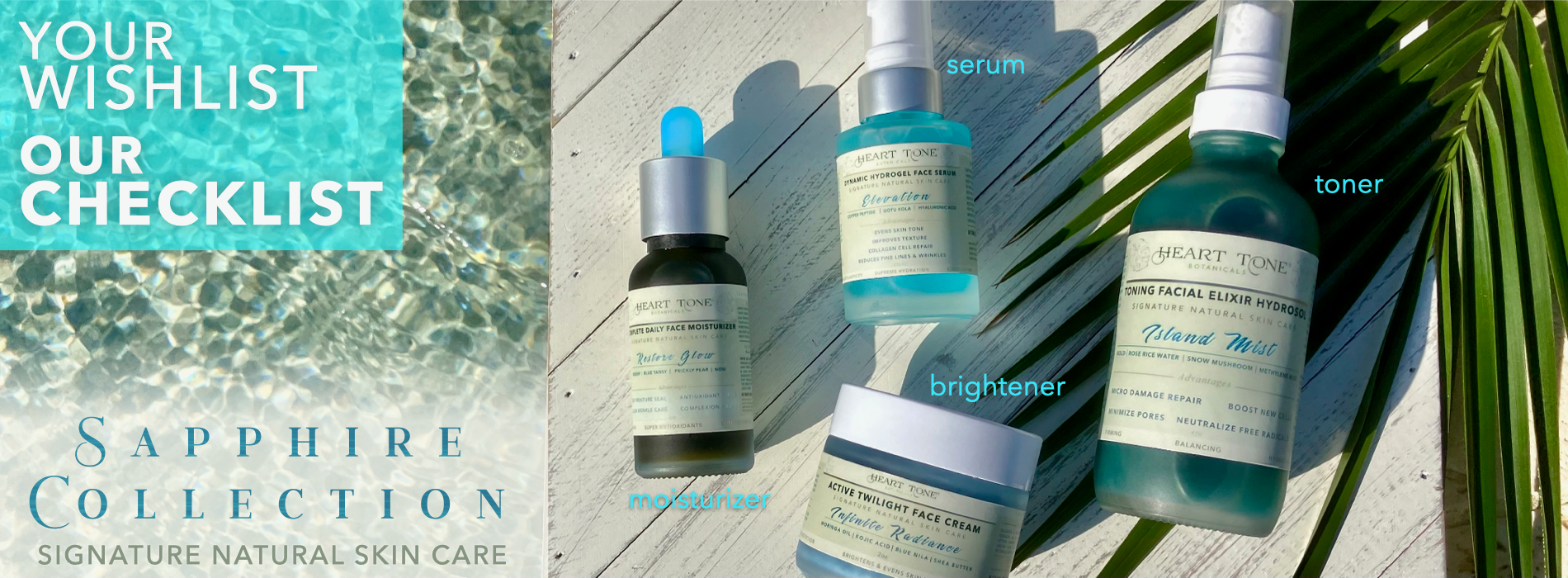
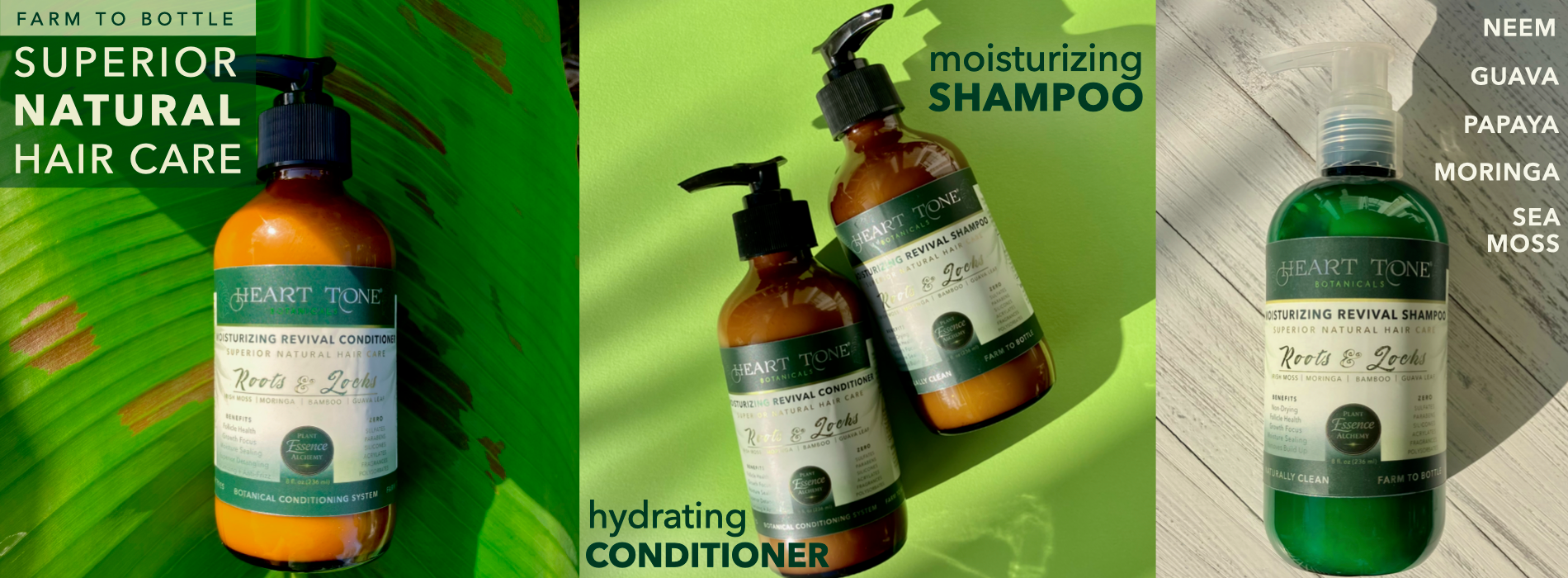
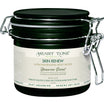
Heart Tone Botanicals is a small-batch, farm-based brand from Vero Beach, Florida — not a marketing company with a contract manufacturer. JD grows aloe vera, neem, moringa, and soursop on the family farm in Vero Beach, and those farm-grown botanicals go directly into the formulas. The supply chain is short and visible by design.
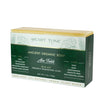
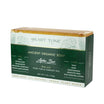
The approach is unglamorous. You won’t find "natural" splashed across the front of a product without something behind it on the ingredient list. The soaps in the Ancient Organic Soap line are made with certified organic plant oils — coconut, olive, sunflower, castor, hemp, and jojoba — cold-processed in small batches. The organic ingredient certifications are on the label because the base oils are actually sourced that way, with the certification marks included in the ingredient notes.
The Faithfully Pure Hands Castile Liquid Soap uses the same certified organic oil base in liquid form, with essential oils providing the scent in each variety — named individually on the label rather than grouped under a single "fragrance" entry. Florida Citrus lists orange, key lime, grapefruit, bergamot, and lemon essential oils. Enchanted Forest lists silver fir needle, peppermint, and eucalyptus. The sourcing is specific and traceable.
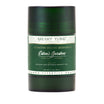
For deodorant, the Eden’s Garden Bioactive Deodorant contains no aluminum, no parabens, and no synthetic fragrances — the three specific things most people are trying to avoid when they reach for a natural alternative. The scent comes from clary sage, lavender, and lavandin essential oils, each listed separately. The deodorant base uses arrowroot powder, coconut oil, jojoba, and carnauba wax rather than synthetic film-forming agents.
None of these products make claims about what they do to your body. They list what they’re made of, where the ingredients come from, and let you evaluate the formula for yourself. That’s the version of "natural" that can actually be verified.
The Bottom Line
"Natural" means nothing on a beauty label without a specific ingredient list behind it. "Organic" means something only when it comes with third-party certification and a named certifying body. The word alone — without the audit — is a marketing choice, not a standard.
What actually tells you what’s in a product is the INCI ingredient list on the back. What tells you whether a brand is serious about sourcing is whether they can tell you specifically where those ingredients come from.
If you’re ready to start from the ingredient list rather than the front label, the Heart Tone Botanicals collection is a reasonable place to begin. Everything shows its ingredient work — farm-grown where it applies, certified organic where that applies, and transparent about the difference.

Leave a comment
This site is protected by hCaptcha and the hCaptcha Privacy Policy and Terms of Service apply.