

The Word That Means Everything — and Nothing
Walk through any personal care aisle and you'll see "natural" on dozens of products — shampoos, face creams, body washes, toothpastes. It sounds reassuring. It suggests plants, farm fields, and pure ingredients. It's one of the most powerful words in beauty marketing.
There's just one problem: in the United States, "natural" on a cosmetic label means absolutely nothing under the law.

This isn't a criticism of any particular brand — it's a labeling reality that affects every product on the shelf. Once you understand what "natural" actually does and doesn't mean, you'll shop completely differently.
The FDA Has No Definition for "Natural" in Cosmetics
The U.S. Food and Drug Administration regulates cosmetics under the Federal Food, Drug, and Cosmetic Act — but it has not established a regulatory definition for "natural" when it comes to personal care products. There is no standard, no certification process, and no required minimum percentage of plant-sourced ingredients that a product must meet to use the word.
Any brand can print "natural" on a label, regardless of what's inside. A product that relies heavily on synthetic fragrances, petroleum-derived emollients, or synthetic preservatives can legally carry the word "natural" on its packaging. The word is unregulated and unenforceable in cosmetics.
The Federal Trade Commission (FTC), which governs advertising claims, does require that marketing claims be truthful and not misleading — and has historically taken the position that "all-natural" or "100% natural" products should not contain artificial ingredients. But that standard is loosely applied and leaves enormous room for interpretation.
What "Organic" Actually Means (This One Has Standards)
"Organic" is a different story. If a personal care product carries the USDA Organic seal, it must meet the same agricultural standards as organic food: at least 95% of the content by weight must come from organically grown sources, verified by a USDA-accredited certifying agency. It's one of the few terms in personal care that carries genuine third-party accountability.
Some brands use "made with organic ingredients" — a lower bar at 70% organic content, without the right to display the USDA seal — which is still more verifiable than "natural." When you see both words on a label, "organic" is the one that actually has regulatory grounding. "Natural" is still just marketing.
Why "Natural" Shows Up on So Many Labels
Because it connects. Research consistently shows that consumers associate "natural" with gentler, more wholesome products — even when the term has no regulatory meaning. Brands use words that resonate with their customers, and "natural" is one of the most resonant in beauty.
This isn't always cynical. Many brands that use "natural" are genuinely building plant-forward, low-synthetic formulas. The word often reflects a real product philosophy, even when it carries no legal weight. But it can't be the only thing you look at — because a word on the front of the package tells you nothing about what's actually inside the bottle.

What to Look For Instead
The ingredient list — the INCI (International Nomenclature of Cosmetic Ingredients) list on the back of every cosmetic product — is the only place where a brand is required to be transparent. Ingredients must be listed from highest to lowest concentration, using standardized names. That's where the real picture is.
When you want a genuinely plant-forward formula, here's what to check for:
- Plant-derived ingredients near the top of the list: Water, aloe leaf juice, and plant oils listed first indicate a genuinely botanical base. When the first several ingredients are all synthetic-sounding names, "natural" on the front is doing a lot of heavy lifting.
- Recognizable botanical names: "Aloe barbadensis leaf juice," "Cocos nucifera (coconut) oil," "Lavandula angustifolia (lavender) oil" — these are traceable plant ingredients. Botanical names are always listed in parentheses next to their common name when they appear in INCI lists.
- Verifiable absence claims: "No parabens," "no synthetic fragrance," "alcohol-free," "fluoride-free" — these are specific and checkable. You can confirm a no-parabens claim by scanning the INCI list for methylparaben, propylparaben, butylparaben, or ethylparaben. If none appear, the claim holds.
- Third-party certifications over marketing words: USDA Organic, EWG Verified, B Corp — these involve actual external verification. A word on the front of the package does not.
What Genuine Farm-Sourced Botanicals Look Like
There's a difference between a formula built around real botanical extracts and one that uses a synthetic compound with a plant name in the marketing copy. Genuine plant-forward formulas tend to have longer, more specific ingredient lists — because whole botanical extracts carry a natural range of compounds that a single synthetic ingredient can't replicate.
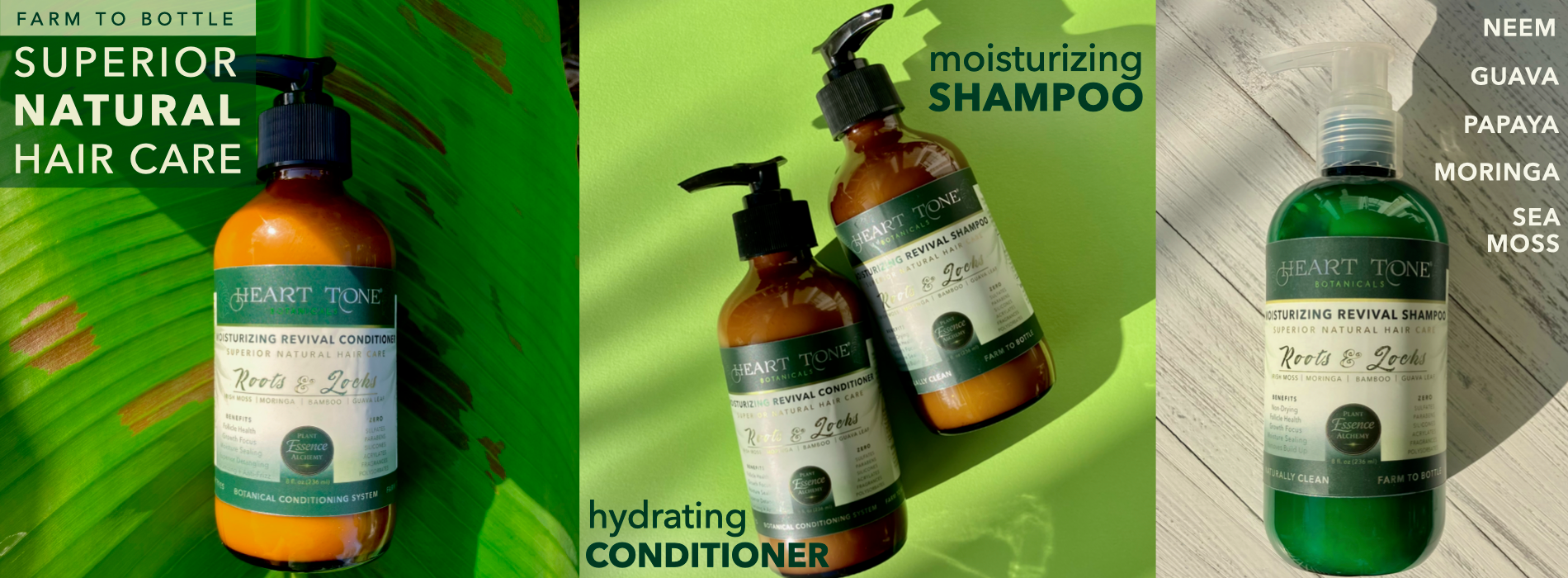
At Heart Tone Botanicals, JD grows core botanicals — aloe vera, neem, and moringa — on his farm in Vero Beach, Florida. That's a specific, traceable sourcing story. When you see aloe vera leaf juice in an HTB product, it came from plants grown in the Florida sun, not from a reconstituted powder or lab analog.
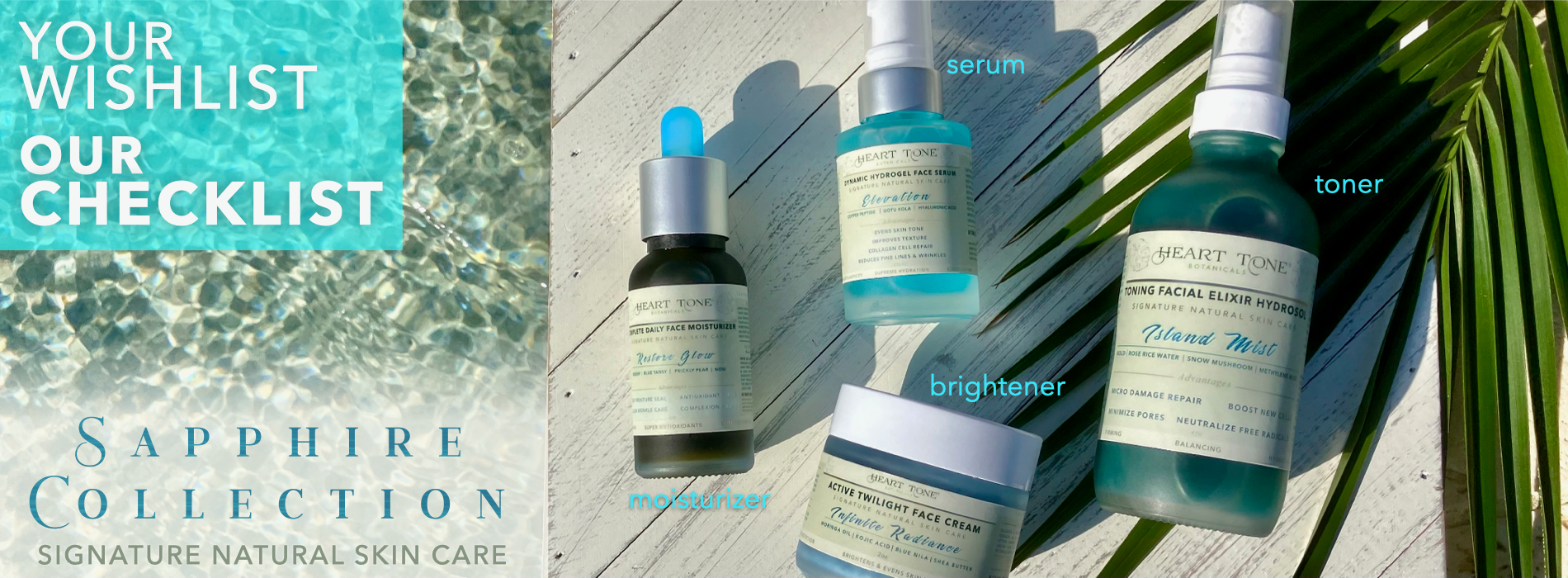
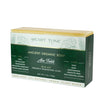
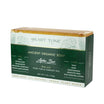
Those farm-grown botanicals show up throughout the line — including in our handcrafted Ancient Organic Soap, made with certified organic oils and farm-grown aloe vera leaf extract, and our Active Twilight Face Cream, built on organic shea butter, organic moringa oil, and botanical CO2 extracts.
That story doesn't make "natural" appear on the label. It makes the sourcing real — and you can see it by reading the INCI list, not just the front of the package.
The Bottom Line
When you see "natural" on a skincare label, here's what it tells you:
- It is not an FDA-regulated claim in cosmetics
- It does not guarantee any specific percentage of plant-derived content
- It reflects a brand's marketing positioning, not a verifiable formula standard
The real evaluation happens on the back of the bottle. Look for plant-derived bases, recognizable botanical names, and absence claims you can verify. Look for brands that can trace specific ingredients to specific sources — farms, not just slogans.
If you're building a more intentional personal care routine, explore our clean beauty collection — products formulated around farm-grown botanicals, organic certified ingredients, and ingredient lists you can actually read and verify.

Leave a comment
This site is protected by hCaptcha and the hCaptcha Privacy Policy and Terms of Service apply.