

"Farm-to-Bottle" Is Everywhere. Real Farm-to-Bottle Is Rare.
Scroll through any clean beauty brand's site and you'll likely run into the phrase "farm-to-bottle" somewhere — usually next to a photo of a green field and a sentence about "sourcing straight from nature." It sounds specific. Most of the time, it isn't. For a lot of brands, "farm-to-bottle" means the same thing as "farm-to-table" means at a chain restaurant: a feeling the marketing team is going for, not a claim anyone could actually verify.
That doesn't make every brand that uses the phrase dishonest. It means the phrase alone doesn't tell you much. The difference between a brand that's genuinely working from a farm and one that's borrowing the aesthetic comes down to a few concrete, checkable things — not the vocabulary on the label.
What the Phrase Is Supposed to Mean
In its original sense, farm-to-bottle describes a short, traceable supply chain: a specific plant, grown on a specific piece of land, harvested and processed with a minimum of intermediaries before it ends up in a finished formula. It's the botanical-skincare version of a single-origin coffee bag — you can trace the ingredient back to a place, not just a category.
That's a meaningfully different supply chain than the industry default, which usually runs through several layers: a grower, a regional aggregator, an ingredient broker, a formulation lab, and finally the brand that puts its name on the bottle. None of that makes an ingredient bad. It just means the brand is several steps removed from where the plant actually grew — which is exactly what "farm-to-bottle" claims to avoid.
Four Questions That Separate a Real Farm From a Marketing Photo
1. Can they name the farm?
Not "we partner with organic farms" — an actual place. A city, a region, a family name. Vague sourcing language ("ethically sourced," "from nature") is a description of intent, not a location.
2. Can they tell you which ingredient came from it?
A brand with a real farm can usually point to one or two specific botanicals in its formulas and say, plainly, "this is the one we grow." If every ingredient in the lineup is credited to the same vague "our farm," that's worth a second look — very few small farms grow the full ingredient list a modern skincare or personal care formula requires.
3. How many hands does the raw ingredient pass through?
Grown, harvested, and processed by the same team is a short chain. Grown by a contracted grower, sold to a broker, shipped to a third-party extraction facility, then sold again to the brand is a long one — even if a farm shows up somewhere in that chain.
4. What do they say about the ingredients they don't grow?
No farm grows everything a formula needs — a body butter with shea, jojoba, and citrus oils is drawing from at least three different growing regions. The honest version of farm-to-bottle isn't "100% of everything," it's transparency about which ingredients are farm-grown and which are responsibly sourced from elsewhere. A brand that's upfront about that split is more credible than one that implies the whole formula came from one field.
What This Looks Like at Heart Tone Botanicals
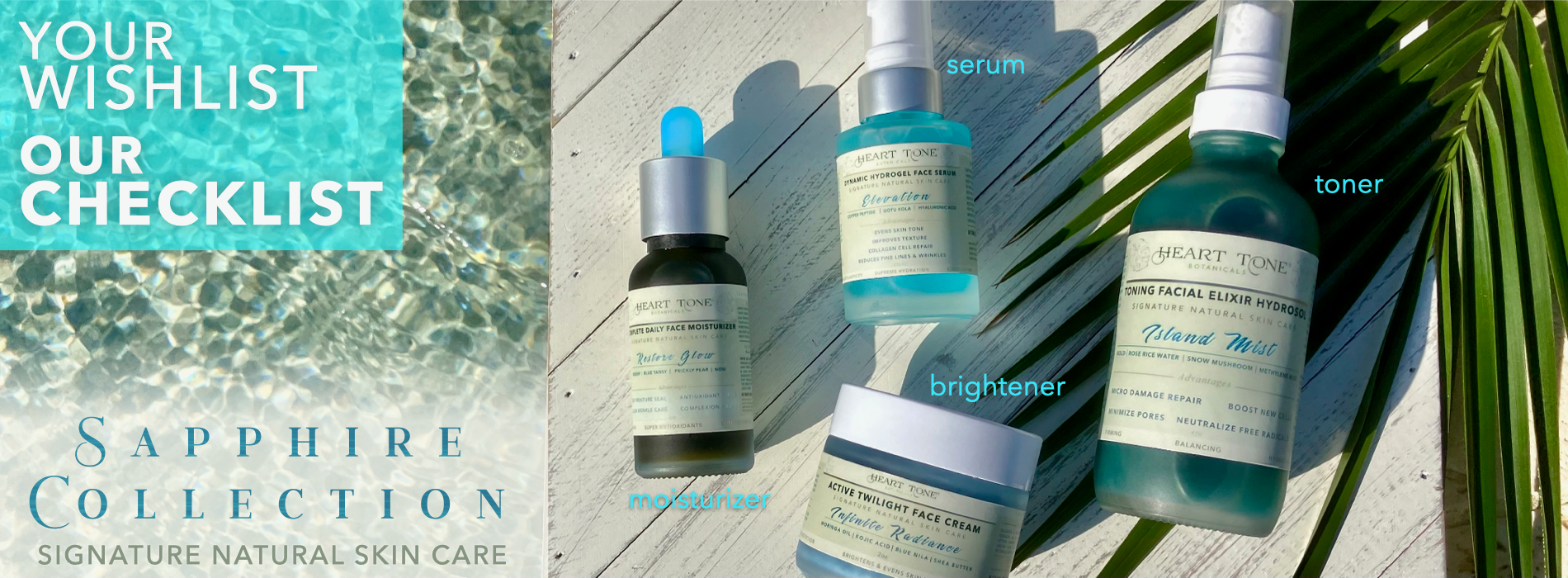
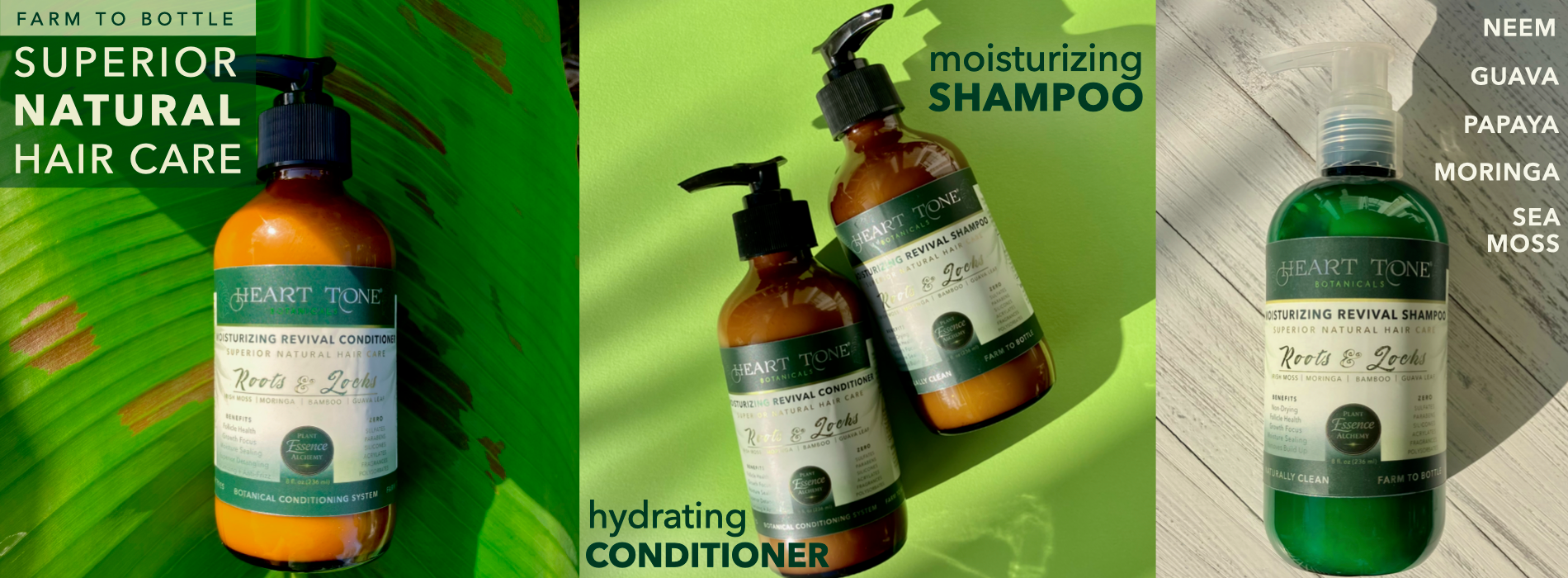
Heart Tone Botanicals started on a biodynamic farm in Vero Beach, Florida, founded in 2018 by JD and Christina. Aloe vera, moringa, and neem are grown on that farm — not sourced from a powder supplier and reconstituted, but planted, tended, and harvested as part of the day-to-day work of running the property.
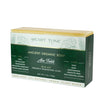
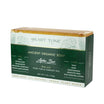
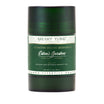
That's a specific, checkable claim, and it shows up in individual products rather than as a blanket statement across the whole catalog. The Ancient Organic Soap in Aloe Fields lists aloe vera leaf extract on its ingredient panel, farm-grown alongside the cold-pressed organic oils that make up the rest of the bar. The Restorative Mouth Rinse lists aloe vera leaf juice for the same reason — it's part of what the farm actually produces, not a marketing flourish added to the copy afterward. And the Eden's Garden Bioactive Deodorant is built around arrowroot powder and elderberry extract, ingredients chosen because they're part of what grows well on Florida soil, not because they tested well in a lab.
None of that means every ingredient in every HTB formula comes off that one property — a shea-butter body butter or a jojoba-based facial oil is, honestly, sourced from elsewhere, the way it would be for any brand. The distinction is that the farm-grown ingredients are named specifically, tied to specific products, and visible on the ingredient panel — not implied by a photo of a field on the homepage.
Red Flags Worth Knowing
- No location, anywhere. If "our farm" never gets a city, state, or region attached to it across the entire site, treat it as a phrase, not a fact.
- Stock photography of a generic field. A brand that's actually growing its own ingredients usually has real photos of real plants — not a wide shot of a sunrise over crops that could belong to anyone.
- The claim, but no ingredient tied to it. "Farm-to-bottle" as a tagline with no specific botanical anywhere in the ingredient list connecting back to it is a sourcing story with nothing underneath.
- Every ingredient credited to the same farm. A believable farm-to-bottle story is usually about one or two hero botanicals, not an entire multi-ingredient formula.
The Bottom Line
"Farm-to-bottle" is a useful phrase when it's backed by a real, named place and specific ingredients you can trace back to it — and an empty one when it's just doing the visual work of a green field on a product page. The fastest way to tell the difference isn't asking the brand if the claim is true. It's checking whether the ingredient panel on an individual product backs it up.
To see what that looks like on an actual label, browse the Ancient Organic Soap collection or the full Heart Tone Botanicals catalog — every product page lists its ingredients in full, farm-grown or otherwise.

Leave a comment
This site is protected by hCaptcha and the hCaptcha Privacy Policy and Terms of Service apply.