

The Short Answer: A Seal Tells You One Thing, Not Everything
Clean beauty labels are covered in seals and badges — USDA Organic, cruelty-free bunnies, "verified" stamps, "clean" claims. It's easy to assume a product covered in seals must be the safest, most transparent option on the shelf. The reality is narrower and more useful: each certification checks one specific thing, and none of them check everything. Knowing what a seal actually requires — and what it stays silent on — is the difference between shopping with real information and shopping by badge count.

The Certifications You'll Actually See
USDA Organic
This is the one seal in beauty with real regulatory teeth. The USDA's National Organic Program sets standards for how agricultural ingredients are grown and processed, and certified organic products are audited to carry the seal. It's a claim about growing and processing methods for specific ingredients — not a claim about the whole formula being free of synthetic ingredients, and not every product needs full certification to use certified organic ingredients within it.
Leaping Bunny and Cruelty-Free Seals
These certifications are about animal testing policy — the brand and its ingredient suppliers commit to not testing on animals at any stage. It's a meaningful, checkable standard. What it doesn't tell you: nothing about the ingredient list itself, nothing about whether ingredients are synthetic or plant-derived, and nothing about sourcing or sustainability. Cruelty-free and "clean" are two separate questions.
MADE SAFE
This certification screens finished products and ingredients against a list of substances the organization considers to be of concern — a different approach from USDA Organic, since it's evaluating safety screening rather than agricultural growing methods. It's one of the more rigorous third-party reviews in the space, but like any list-based standard, it only catches what's on the list.
EWG Verified
The Environmental Working Group's Skin Deep database and EWG Verified mark are widely cited by clean beauty shoppers. EWG Verified requires full ingredient disclosure and screens against EWG's own hazard criteria. It's useful as one data point, but EWG's hazard scoring methodology is also debated within the industry — worth treating as one opinion among several, not a final verdict.
What a Seal Does NOT Tell You
- It doesn't tell you the ingredient concentration. A certified ingredient present at 0.1% and one present at 30% both just count as "in the formula" to most certification programs.
- It doesn't tell you where the ingredients were grown. Certified organic ingredients can be sourced from anywhere in the world and shipped long distances before they reach a formula.
- It doesn't tell you how the product performs. Certifications check compliance with a standard, not whether a product feels good to use or works for your skin.
- It doesn't cover the whole brand. A single certified product doesn't mean every product in a brand's catalog meets the same bar — check the individual product, not just the company logo.
Why Small Producers Often Skip Formal Certification
Formal certification programs come with real costs: application fees, annual audits, and paperwork that scales with the size of a company's legal and compliance team. That's manageable for a large brand with a dedicated regulatory department. For a small, farm-based producer, the same process can cost more than it's worth relative to the size of the business — even when the ingredients and practices would pass the standard easily.
This is why the absence of a certification logo isn't automatically a red flag, and the presence of one isn't automatically a green light. A small producer with a short, fully disclosed ingredient list and no seal on the label can be more transparent than a larger brand with three badges and a sixty-ingredient formula. The seal is evidence of a paid audit process, not a substitute for reading what's actually in the product.
How to Use Seals Without Over-Trusting Them
Seals are a useful shortcut, not a replacement for reading the ingredient list. The most reliable approach is to treat a certification as a starting filter — it narrows the field — and then read the actual ingredient list underneath it to see what you're getting. A short, recognizable ingredient list still tells you more than any single badge on its own.

Where Farm-Grown Ingredients Fit Into This
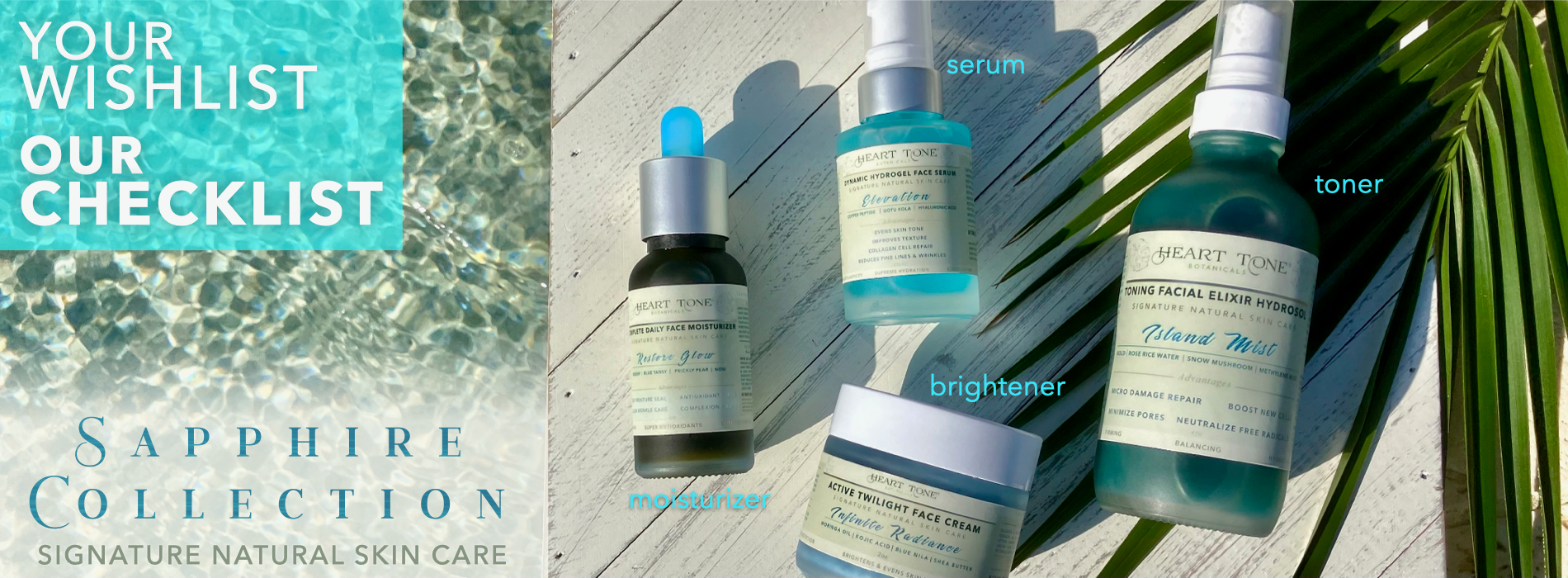
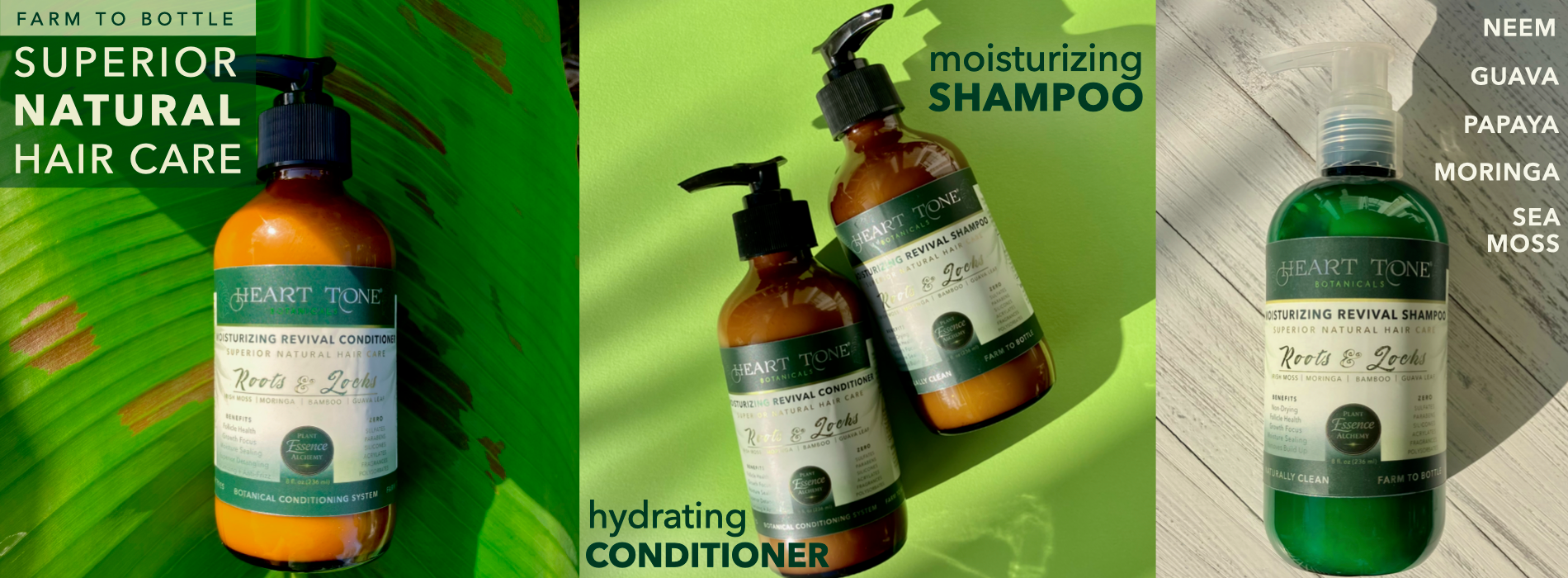
Heart Tone Botanicals grows and sources botanical ingredients from JD's family farm in Vero Beach, Florida. On our ingredient lists, entries marked with an asterisk are certified organic — a specific, checkable claim about that individual ingredient, not a blanket label. It's the same principle a seal is supposed to represent: a specific claim you can verify, rather than a general impression of "clean."
The Bottom Line
No single seal covers concentration, sourcing, performance, or the rest of a brand's catalog — and that's fine, as long as you know what each one is actually checking. Use certifications as a filter, then read the ingredient list to see what's really in the bottle.
Our Ancient Organic Soap line uses asterisk-marked certified organic ingredients you can check ingredient by ingredient, and our Botanical Renew Body Butter lists every ingredient in full. You can browse our full soap collection or facial care collection to compare ingredient lists for yourself.
For more on reading past front-of-bottle claims, see our guide to What ‘Natural’ Actually Means on a Skincare Label.

Leave a comment
This site is protected by hCaptcha and the hCaptcha Privacy Policy and Terms of Service apply.