

If you have spent any time reading skincare labels, you have almost certainly seen witch hazel. It is one of the most recognizable names in the natural toner aisle, and it has been part of the North American botanical tradition far longer than the word "toner" has existed. But witch hazel for skin is one of those ingredients most people use without ever knowing what it actually is, where it comes from, or how it ends up in a bottle. This is a plain-language look at the botanical itself — the plant, the history, and how it shows up in a modern facial mist.
What Witch Hazel Actually Is
Witch hazel comes from Hamamelis virginiana, a deciduous shrub native to the woodlands of eastern North America. It is an unusual plant: it flowers in late autumn and early winter, often after its leaves have dropped, sending out spidery yellow blooms when most of the forest has gone dormant. That out-of-season flowering is part of what made it memorable to the people who first catalogued it.
The witch hazel you find on an ingredient label is not the shrub itself but an extract drawn from its bark, leaves, and twigs. Traditionally, the plant material is steam-distilled — the same broad family of process used to make floral hydrosols and essential oils — to produce a clear, water-based botanical distillate. That distillate is the "witch hazel" most people picture when they think of the ingredient.
Witch hazel is not a single manufactured chemical. It is a plant distillate — the water-based aromatic fraction of a North American shrub, captured through distillation.
A Long History in the North American Botanical Tradition
Few skincare botanicals have as deep a history on this continent as witch hazel. Indigenous peoples of the northeastern woodlands used preparations of the plant long before European settlement, and the plant's traditional uses were later adopted into early American home apothecaries. By the nineteenth century, distilled witch hazel had become a fixture on bathroom and barbershop shelves across the country — a familiar, plant-derived splash that generations grew up with.
That long, continuous history is a big part of why witch hazel still feels so at home in natural skincare. It is not a trend ingredient. It is one of the original botanicals of the American personal-care cabinet, and it has stayed there through every shift in beauty fashion since.
Witch Hazel, Hydrosols, and the Toner Format
To understand why witch hazel shows up in facial toners and mists, it helps to understand the format itself. A toner or facial mist is a water-based product — the watery, non-oil step that many people reach for after cleansing and before heavier creams or serums. Because witch hazel distillate is itself a water-based botanical, it fits naturally into this category alongside floral waters and hydrosols.
In fact, witch hazel sits in the same broad family as the hydrosols that give many botanical mists their character:
- Rose hydrosol — the aromatic water captured when rose petals are steam distilled, prized for its soft, familiar floral note.
- Orange blossom hydrosol — the distillate of neroli (bitter orange flowers), bright and delicate.
- Witch hazel distillate — the water-based extract of Hamamelis virginiana, with a clean, characteristically green scent.
When these plant waters are blended together, the result is a botanical mist that carries the aromatic and sensory character of each — a genuinely plant-derived alternative to the synthetic, fragrance-heavy toners that dominated the category for decades.
How Witch Hazel Shows Up in a Real Botanical Formula
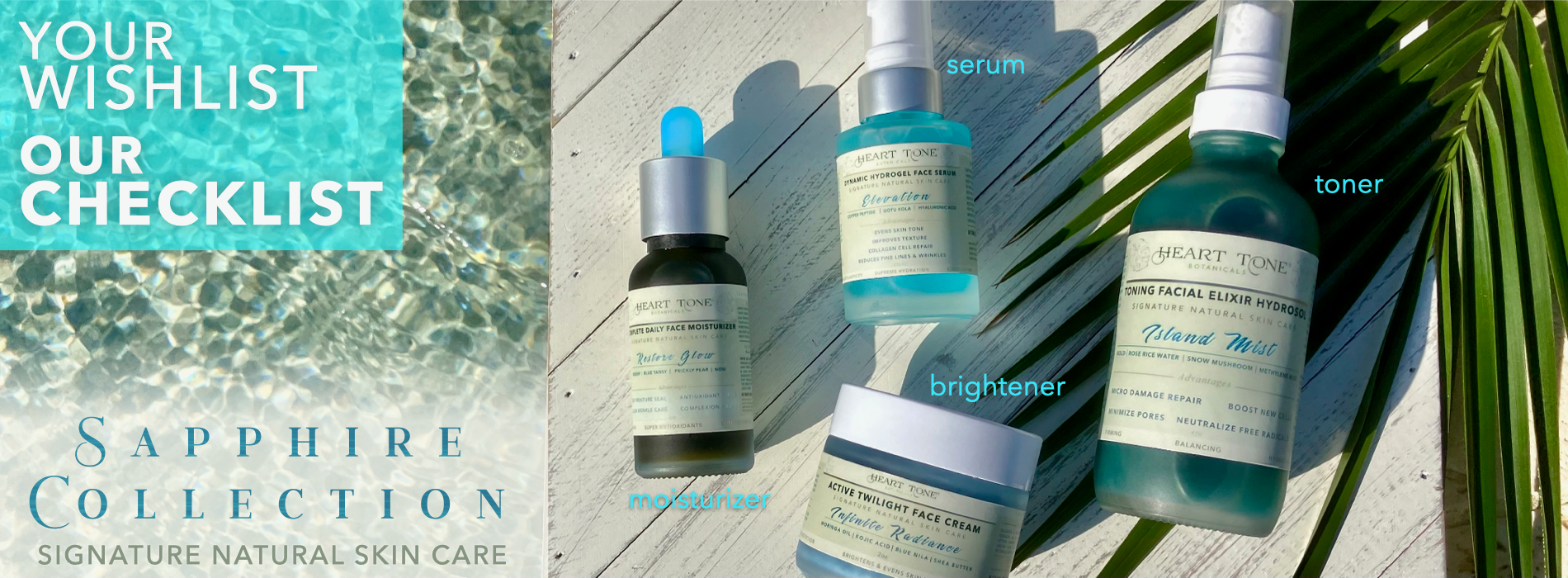
A good way to see witch hazel in context is to look at where it sits in a full botanical toner. In Heart Tone Botanicals' Island Mist Toning Facial Elixir Hydrosol, organic witch hazel appears alongside a layered blend of plant waters and botanical extracts — rose hydrosol, orange blossom hydrosol, aloe vera leaf juice, and fermented rice water, joined by more unusual inclusions like colloidal gold, snow mushroom extract, and frankincense serrata CO2.
What this illustrates is how witch hazel is meant to work in a modern formula: not as a harsh stand-alone splash, but as one plant-water component in a considered botanical blend. The mist format lets it sit within a broader cast of hydrosols and botanical extracts, each named individually on the label rather than hidden under a catch-all "fragrance" term.
What to Look For on a Witch Hazel Label
Not all witch hazel on a label is presented the same way. A few things are worth noticing when you are choosing a product:
- Where it sits in the ingredient list. Ingredients are listed roughly in order of quantity, so a witch hazel high on the list is a more central part of the formula than one near the bottom.
- What it is blended with. Witch hazel paired with other named plant waters and botanical extracts like aloe and floral hydrosols reads very differently from witch hazel dropped into a stripped-down synthetic base.
- How the rest of the label is written. A transparent botanical brand names every plant water and extract individually. If a formula lists rose hydrosol, orange blossom hydrosol, and witch hazel by name rather than collapsing them into "fragrance," that is ingredient transparency in practice.
Where Witch Hazel Fits in a Botanical Routine
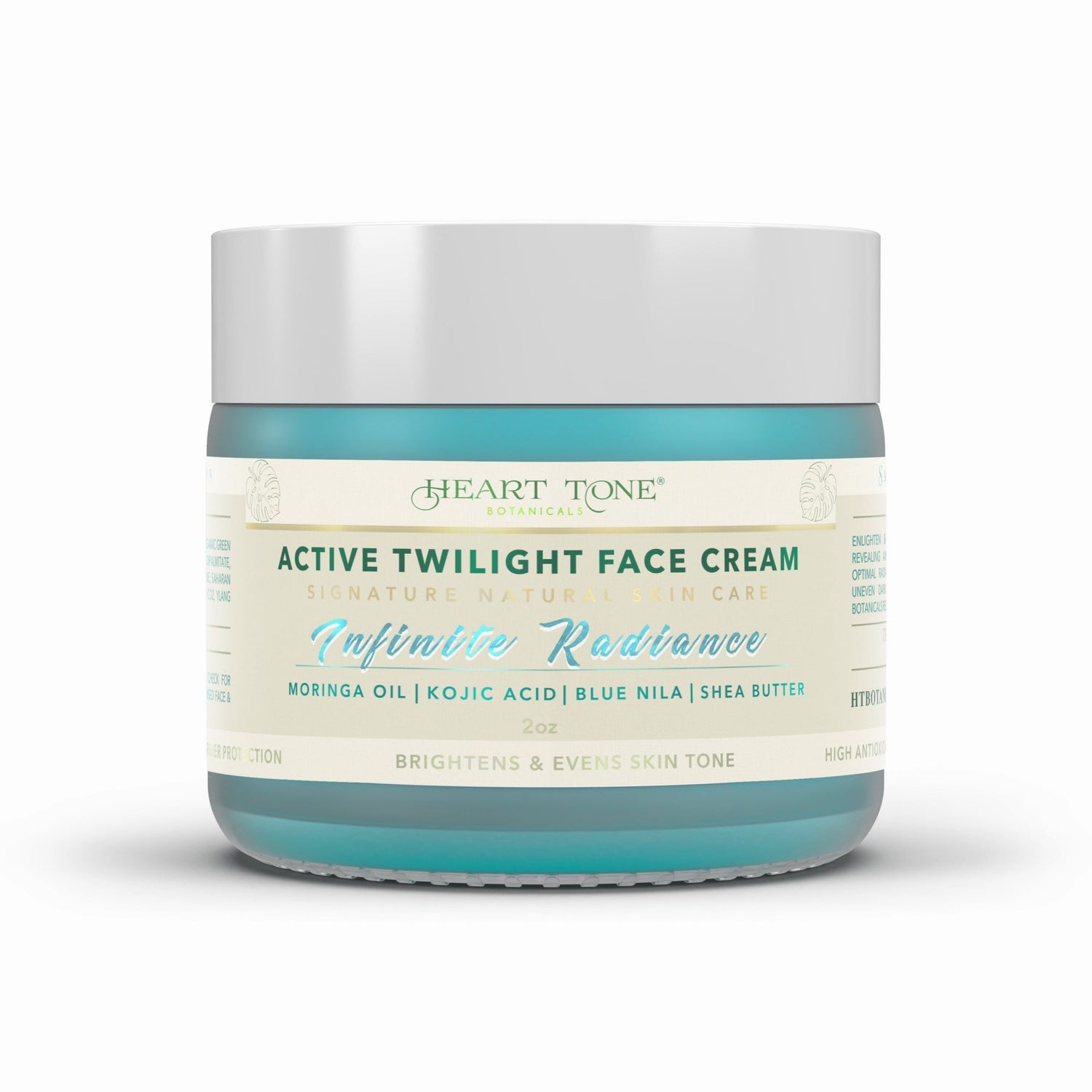
Because it is a water-based plant distillate, witch hazel naturally belongs to the mist-and- toner step of a routine — the light, refreshing layer many people reach for after cleansing. From there, a botanical routine typically moves into richer steps: a hydrating serum, then a moisturizer to finish. If you want to build that out, Heart Tone Botanicals' Complete Daily Face Moisturizer is a plant-oil-based option designed to follow a lighter water-based layer like a toning mist.
Every Heart Tone product is rooted in the same idea that started the company: JD began by growing aloe vera, neem, and moringa on the farm in Vero Beach, Florida, and the same commitment to naming real botanicals — witch hazel included — carries through to every label.
The Bottom Line
Witch hazel for skin is not a mystery ingredient or a modern invention. It is Hamamelis virginiana — a North American shrub whose steam-distilled extract has been part of the personal-care tradition for well over a century. Understood plainly, it is a water-based botanical distillate that fits naturally into the toner and facial-mist format, especially when it is blended thoughtfully with other named plant waters and botanical extracts. Knowing what it actually is makes it a lot easier to read a label — and to recognize when a brand is using it as a genuine botanical rather than a marketing word.

Leave a comment
This site is protected by hCaptcha and the hCaptcha Privacy Policy and Terms of Service apply.