

Black seed oil is having a moment in natural skincare, but it is one of the most misunderstood ingredients on a label. People see it in a botanical face oil, recognize the name from a wellness shelf somewhere, and assume it is a trendy newcomer. It is almost the opposite: black seed oil for skin traces back to some of the oldest recorded personal-care traditions on earth. This is a plain-language look at the botanical itself — the plant, the history, the way it is pressed, and how it actually shows up in a modern botanical face oil blend.
What Black Seed Oil Actually Is
Black seed oil is pressed from the tiny black seeds of Nigella sativa, a small flowering plant in the buttercup family that grows across the Mediterranean, the Middle East, and South Asia. The plant produces delicate pale-blue and white flowers, and inside its seed capsules sit the small, angular black seeds that give the oil its name. You may also see it called black cumin seed oil, black caraway, or by its Arabic name habbat al-barakah — "the seed of blessing."
The oil itself is cold-pressed directly from those seeds. When it is done gently, without heat or solvents, the result is a dark amber-to-black oil with a distinctive, unmistakable character. It is not a refined, deodorized, colorless carrier oil — a genuine cold-pressed black seed oil keeps the color and aroma of the seed it came from.
Black seed oil is not a modern lab creation. It is the cold-pressed oil of Nigella sativa seeds — a botanical humans have kept close for thousands of years.
One of the Oldest Botanicals on Earth
Few skincare ingredients have a history this deep. Black seeds were considered valuable enough in ancient Egypt that they were placed in the tomb of Tutankhamun, and the plant appears again and again across the traditional practices of the Middle East, North Africa, and South Asia. For centuries it was a staple of the household — kept in the kitchen, folded into traditional grooming rituals, and passed down as one of those ingredients every family simply knew.
That long, continuous history is a big part of why black seed oil feels so at home in botanical skincare today. It is not a trend ingredient dreamed up for a marketing cycle. It is one of the original botanicals of the human personal-care cabinet, and it has stayed relevant through every era since.
What Makes Black Seed Oil Distinctive
Part of what sets black seed oil apart from more neutral plant oils is its character. A few things stand out:
- Color. Cold-pressed black seed oil ranges from deep amber to near-black, a direct reflection of the dark seed it comes from.
- Aroma. It carries a bold, warm, slightly peppery and herbaceous scent — one of the most recognizable aromas in the botanical-oil world.
- Composition. Like many seed oils it is rich in fatty acids such as linoleic and oleic acid, and it contains thymoquinone, the aromatic compound most closely associated with the seed and the one researchers most often point to when they describe what makes Nigella sativa chemically unusual.
Because it is so distinctive, formulators rarely use black seed oil on its own as a whole face oil. Its strength of character means it usually appears as one considered component within a larger blend of lighter, more neutral botanical oils.
How Black Seed Oil Shows Up in a Real Botanical Formula
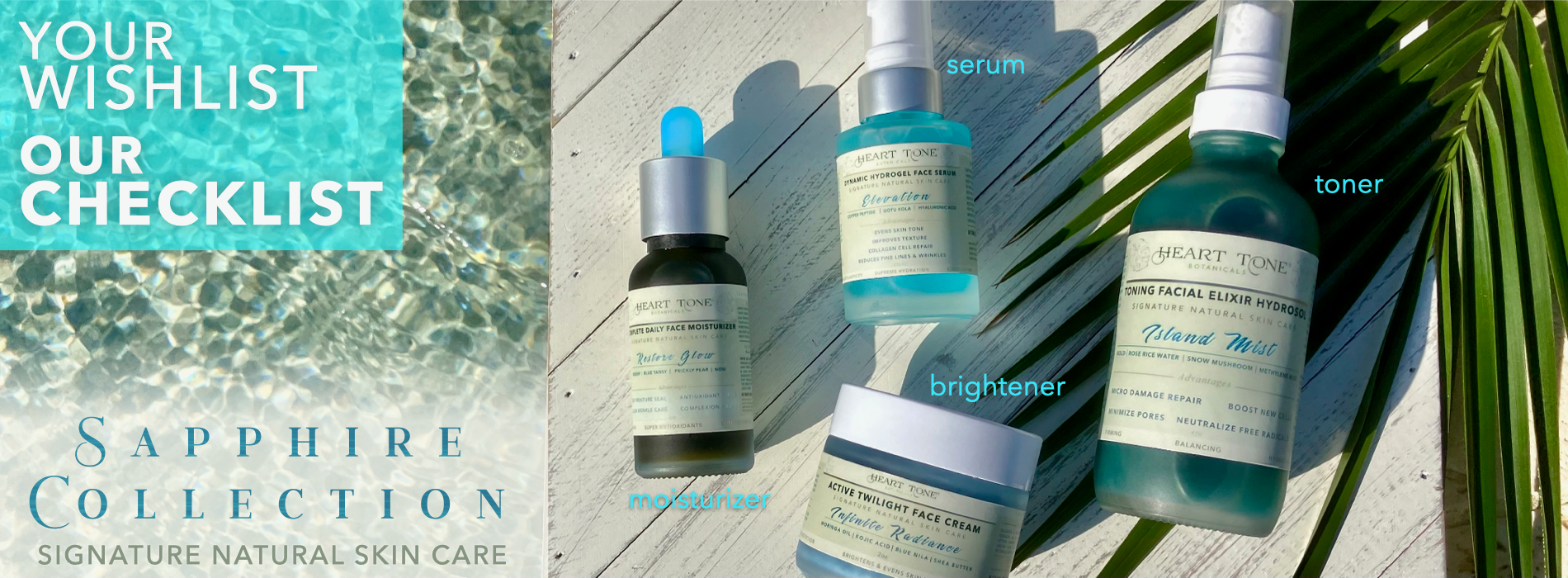
A good way to see black seed oil in context is to look at where it sits in a full botanical face oil. In Heart Tone Botanicals' Complete Daily Face Moisturizer, black seed oil appears partway down a long list of cold-pressed plant oils — joined by organic moringa oil, jojoba oil, apricot oil, rosehip oil, sea buckthorn oil, prickly pear seed oil, and pomegranate seed oil, finished with botanical essential oils like blue chamomile, blue tansy, and ylang ylang.
What this illustrates is how black seed oil is meant to work in a modern formula: not as a harsh stand-alone oil, but as one botanical voice in a considered blend. Its position partway down the ingredient list reflects that role — present and intentional, but balanced by lighter, more neutral oils that carry the bulk of the blend. That is the difference between a formula that name-drops a trendy oil and one that uses it thoughtfully.
What to Look For on a Black Seed Oil Label
Not all black seed oil on a label is presented the same way. A few things are worth noticing when you are choosing a product:
- Cold-pressed versus refined. A cold-pressed, unrefined oil keeps the color and aroma of the seed. A pale, scentless "black seed oil" has usually been refined and stripped of much of what made it distinctive.
- Where it sits in the ingredient list. Ingredients are listed roughly in order of quantity. Black seed oil high on the list is a central player; lower down, it is one accent among many — both can be intentional, but they tell you different things.
- What it is blended with. Black seed oil paired with other named, cold-pressed botanical oils reads very differently from black seed oil dropped into a stripped-down synthetic base. A transparent botanical brand names every oil individually rather than hiding them under a catch-all term.
Where Black Seed Oil Fits in a Botanical Routine
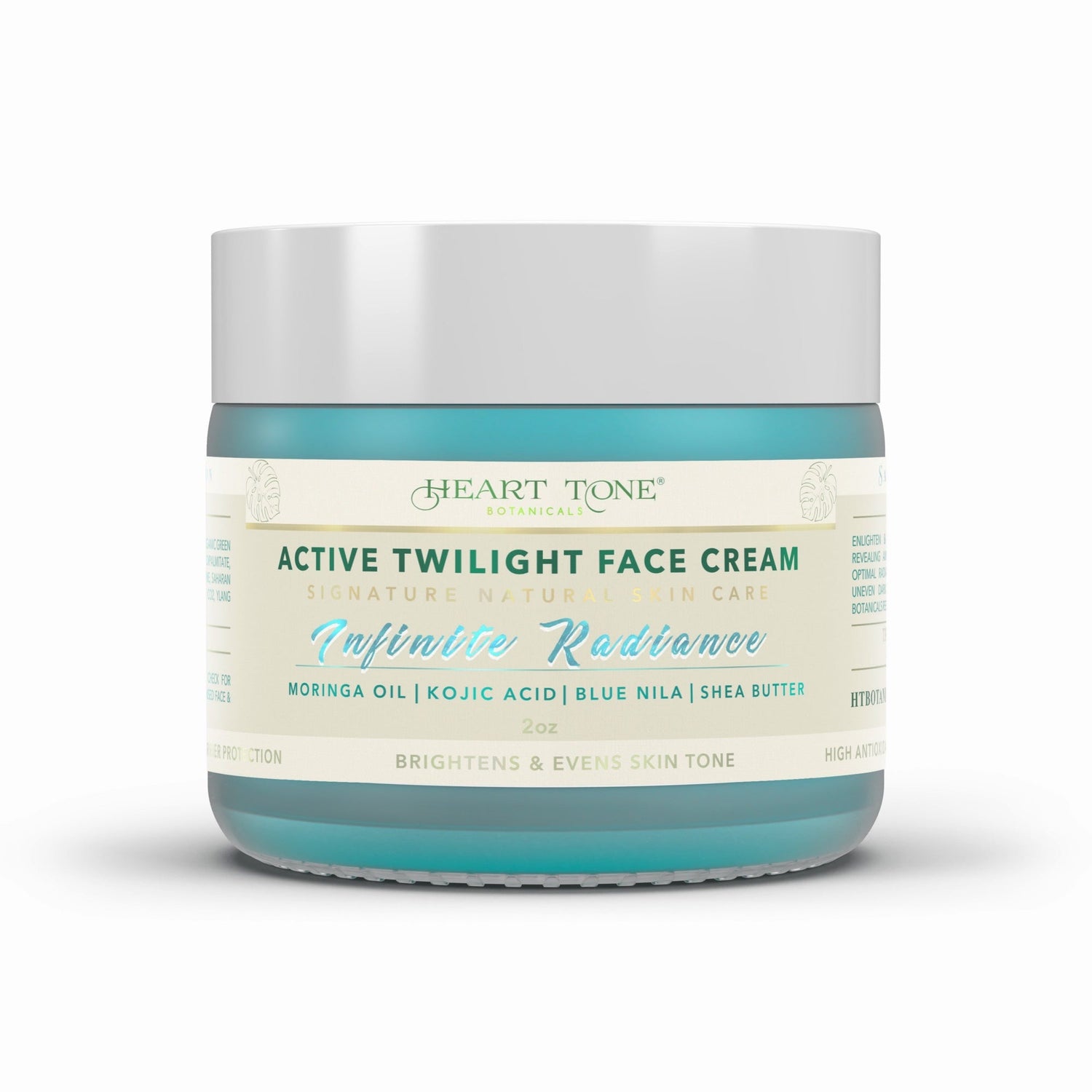
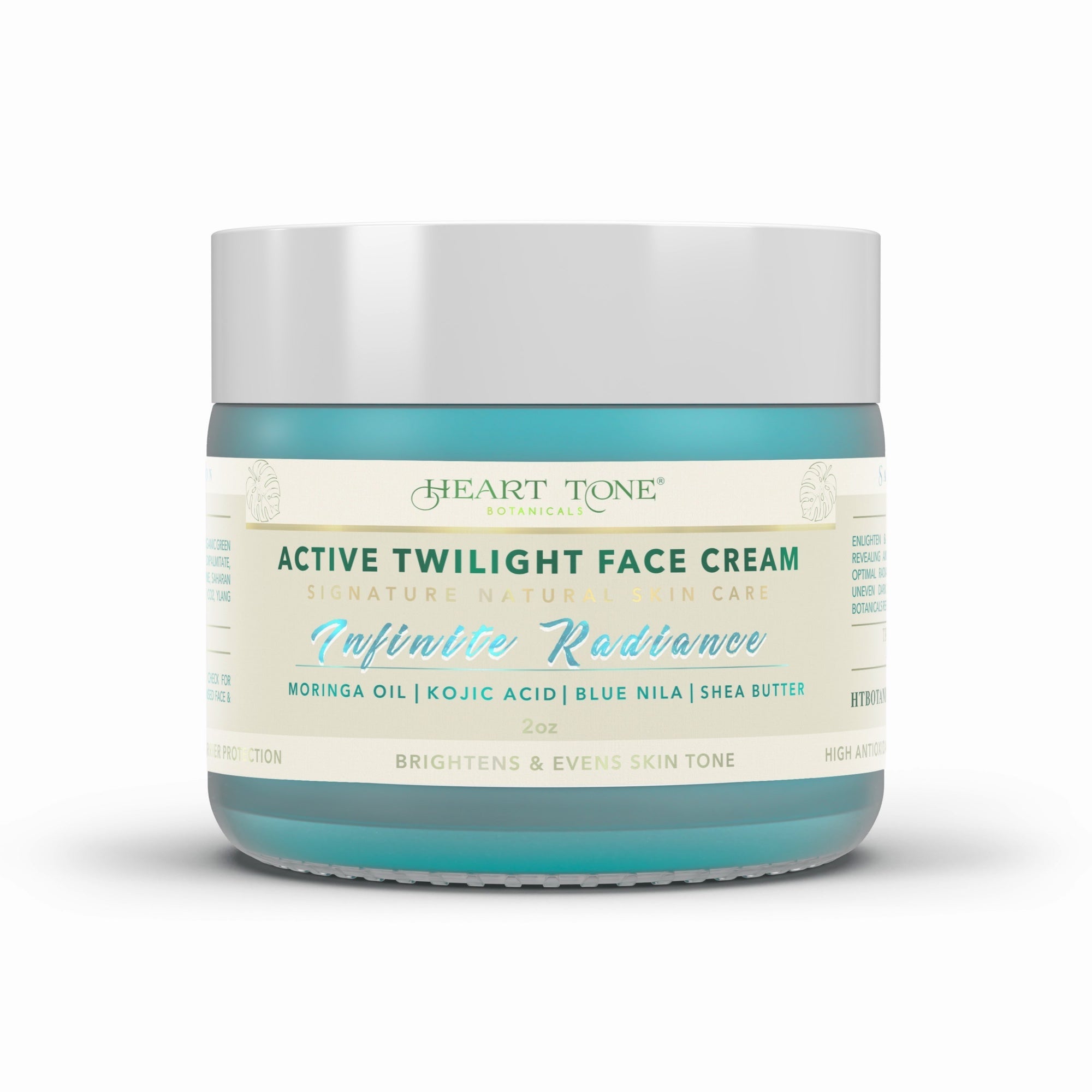
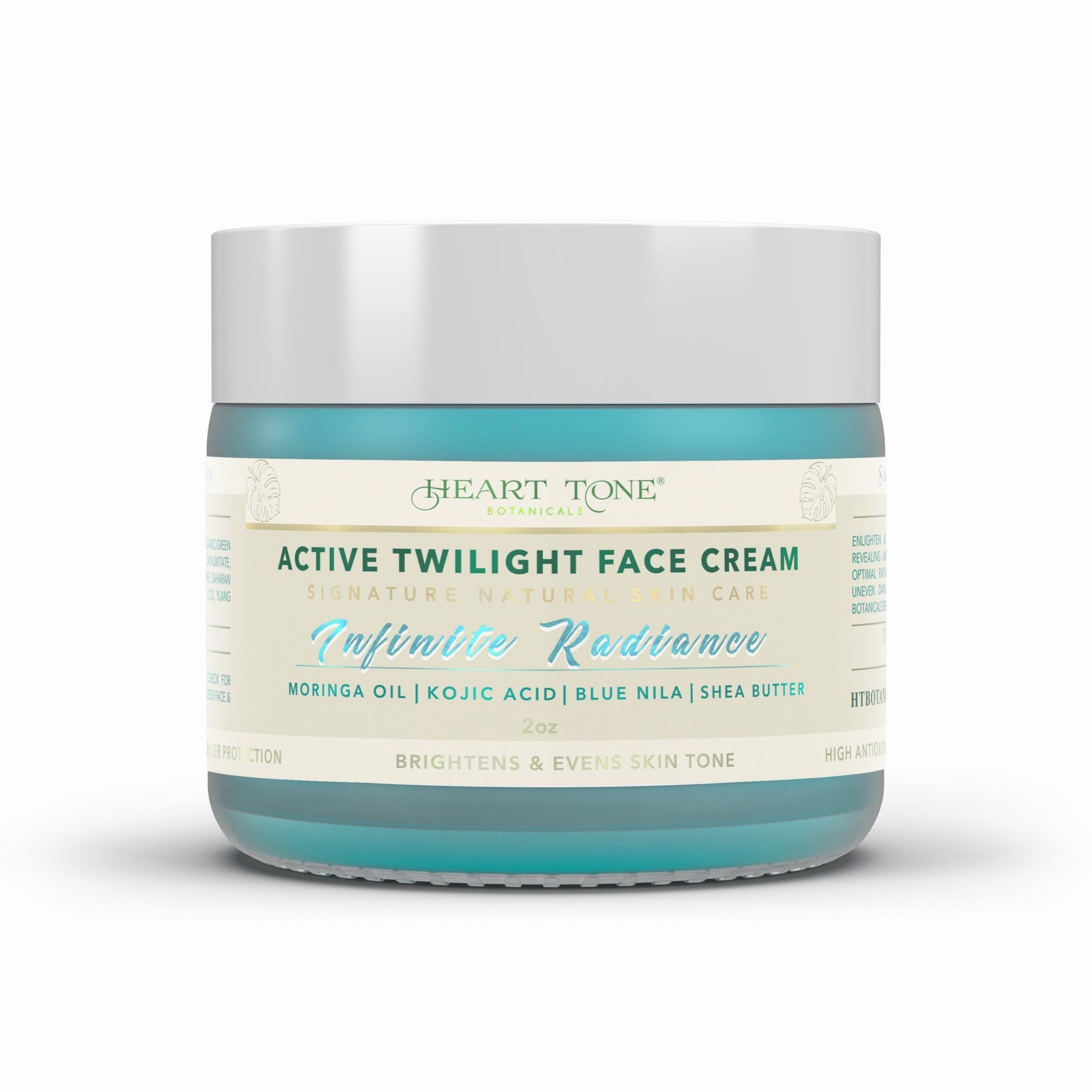
Because it is a plant oil, black seed oil belongs to the oil-and-moisturizer step of a routine — the richer layer many people reach for after a lighter, water-based toner or serum. It shares that step with other cold-pressed botanicals; if you have read our guide to moringa oil for the face, you have already met the oil that sits at the very top of the same blend black seed oil appears in. For a lighter, cream-textured option in the same family, Heart Tone Botanicals' Active Twilight Face Cream is another plant-oil-based formula built around botanicals like organic moringa and green tea oils.
Every Heart Tone product is rooted in the same idea that started the company: JD began by growing aloe vera, neem, and moringa on the farm in Vero Beach, Florida, and the same commitment to naming real botanicals — black seed oil included — carries through to every label.
The Bottom Line
Black seed oil for skin is not a mystery ingredient or a modern invention. It is Nigella sativa — a small flowering plant whose cold-pressed seed oil has been part of human personal-care tradition for thousands of years, from ancient Egypt to the households of the Middle East and South Asia. Understood plainly, it is a dark, aromatic, cold-pressed botanical oil that fits naturally into a face-oil or moisturizer step, especially when it is blended thoughtfully with other named, cold-pressed plant oils. Knowing what it actually is makes it a lot easier to read a label — and to recognize when a brand is using it as a genuine botanical rather than a marketing word.

Leave a comment
This site is protected by hCaptcha and the hCaptcha Privacy Policy and Terms of Service apply.