

Of all the botanical oils that show up on a skincare label, prickly pear seed oil is one of the rarest and most quietly prized. It appears in small amounts, near the end of ingredient lists, and it is one of the most labor-intensive plant oils a formulator can source. Here's what prickly pear seed oil actually is, where it comes from, and how it earns its place in a botanical face oil.
What Is Prickly Pear Seed Oil?
Prickly pear seed oil is a plant oil cold-pressed from the tiny seeds of the prickly pear cactus, Opuntia ficus-indica. The cactus is instantly recognizable — flat, paddle-shaped green pads studded with fine spines, topped in season with vivid magenta-and-orange fruit. That fruit (the "prickly pear" or tuna in Spanish) is edible, and it is inside the fruit that the oil-bearing seeds are found.
The oil is a pale, lightweight golden liquid with a very light, faintly nutty scent. Because it is cold-pressed rather than heat- or solvent-extracted, the process keeps the oil close to its natural state as it comes out of the seed.
Why Prickly Pear Seed Oil Is So Rare
The reason prickly pear seed oil is one of the most expensive botanical oils by volume comes down to arithmetic. The seeds are tiny, they are scattered sparsely through the pulp of the fruit, and each seed holds only a small fraction of oil.
By most accounts it takes on the order of a metric ton of prickly pear fruit — that is, several million individual seeds — to produce roughly one liter of oil. The fruit must be harvested (carefully, around the spines), de-seeded, the seeds dried, and only then cold-pressed. Much of this work is still done by hand.
Pound for pound, prickly pear seed oil is often more costly to produce than argan oil — which is why it almost always appears as a precious accent in a blend rather than as a base oil.
This is exactly why you see it listed in modest amounts. A formula that includes prickly pear seed oil at all is signaling that it reached for a specialty ingredient, not a commodity filler.
What's Actually in the Oil
Prickly pear seed oil is a plant oil, and like other seed oils its character comes from its natural fatty-acid makeup. Compositionally, it is notable for being high in linoleic acid (an omega-6 fatty acid) and for naturally containing vitamin E (tocopherols) and plant sterols. These are simply the compounds the seed puts into its oil.
Its fatty-acid profile is part of why the oil has such a distinctive feel on the skin: it is one of the lighter, faster-sinking plant oils, without the heavier, occlusive character of some richer botanical oils. In a face oil, that lightweight texture is a big part of the sensory appeal.
Where Does Prickly Pear Come From?
The prickly pear cactus is native to the arid regions of Mexico, where it has been a staple of food and traditional plant use for thousands of years — the nopal pads and the fruit are woven deep into Mexican culinary and cultural tradition. From there, Opuntia spread across the Mediterranean basin and North Africa, where it thrives in hot, dry climates.
Today, much of the world's cosmetic-grade prickly pear seed oil comes from Morocco and Tunisia, where the fruit is harvested and the seeds cold-pressed as a specialty botanical crop. In North African beauty tradition, prickly pear seed oil sits alongside argan oil as one of the region's treasured plant oils.
The Sensory Profile in a Face Oil
In a botanical face formula, prickly pear seed oil contributes to the overall sensory experience: it is light, it absorbs quickly, and it leaves very little heaviness behind. Blended with other seed oils, it helps give an anhydrous (waterless) face oil that fast-sinking, non-greasy feel that many people prefer over heavier single-oil products.
Because it is such a precious ingredient, it is used in concert with a wider cast of botanical oils rather than on its own — each oil bringing its own texture, scent, and traditional-use story to the blend.
How Prickly Pear Seed Oil Shows Up at Heart Tone
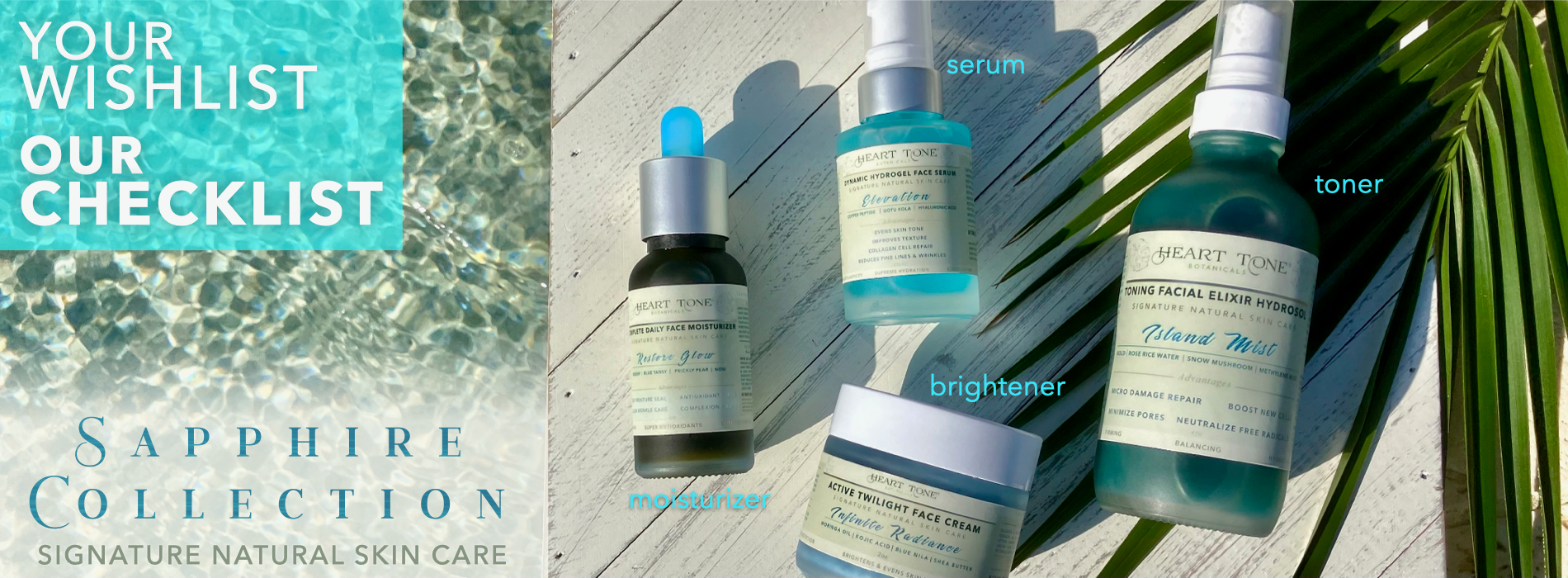
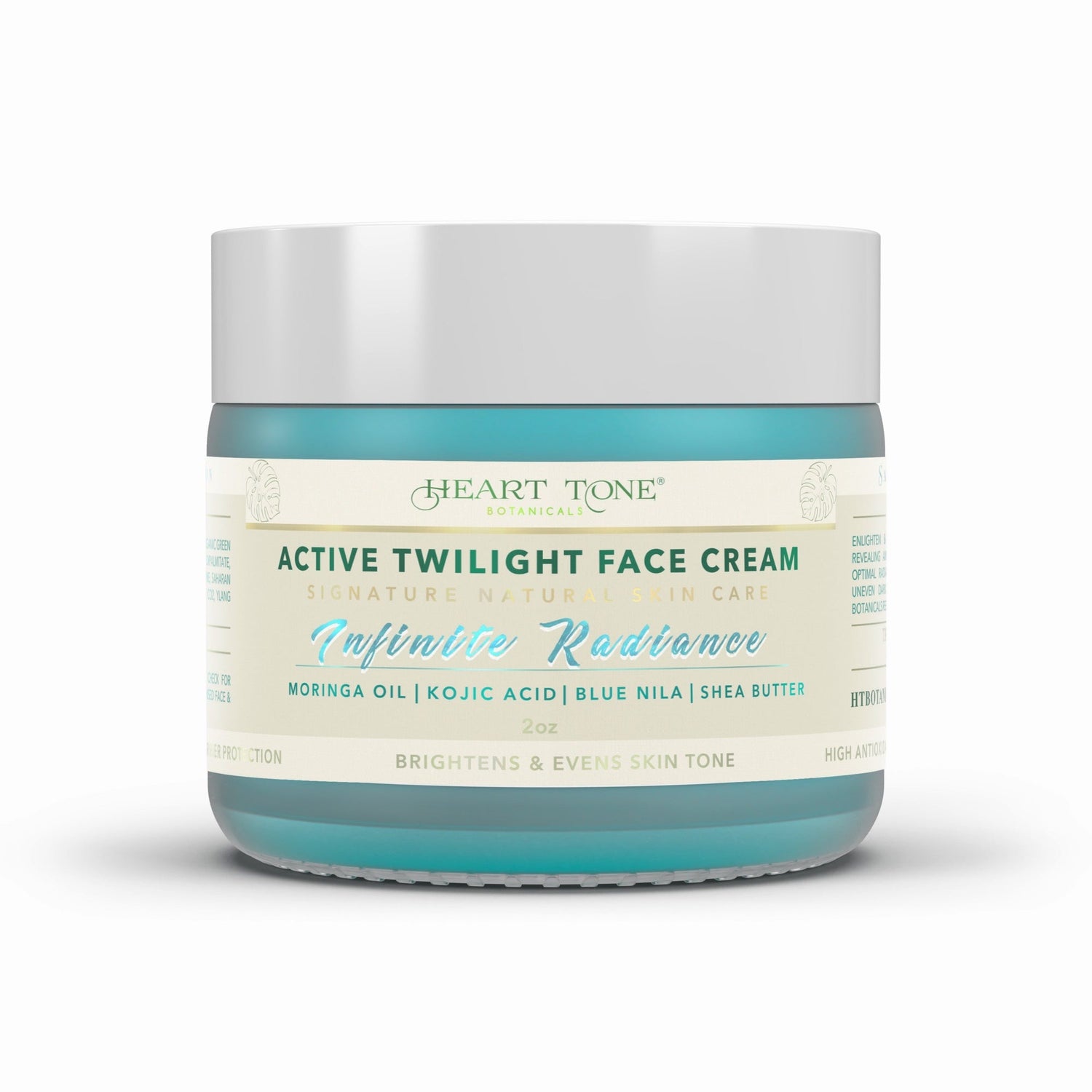
The Complete Daily Face Moisturizer from Heart Tone Botanicals is a waterless, filler-free botanical blend of 22 ultra-premium oils, and prickly pear seed oil is one of them. It sits alongside a deep cast of botanical oils — organic moringa oil, jojoba, bakuchiol, rosehip, sea buckthorn, pomegranate seed, black seed, and apricot among them — with carrot CO2 extract and CoQ10 rounding out the profile.
In a blend like this, prickly pear seed oil is one voice in a botanical chorus: a rare, lightweight North African seed oil contributing to the light, fast-absorbing character of an anhydrous face oil.
No single oil defines a good botanical face formula. The art is in the blend — pairing a rare, lightweight oil like prickly pear with richer, more traditional oils so the whole feels balanced.
Reading a Prickly Pear Label
A few things worth knowing when you see prickly pear on an ingredient list:
- Look for the botanical name. Genuine prickly pear seed oil is listed as Opuntia ficus-indica seed oil. That is the seed oil — the specialty, cold-pressed material.
- Seed oil vs. fruit/pad extract. "Prickly pear extract" or "cactus extract" from the fruit or pad is a different, more common (and far less costly) material than the cold-pressed seed oil. The seed oil is the rare one.
- Position on the list. Because it is so expensive, prickly pear seed oil almost never appears at the very top of an ingredient list. Seeing it named at all is the signal that matters.
- Cold-pressed. The most prized versions are cold-pressed to keep the oil close to its natural state.
Botanical Oils for the Face
If you want to keep learning about the individual botanical oils that make up a natural face routine, these companion articles explore other members of the same botanical cast:
- Black seed oil for skin — what Nigella sativa oil really is
- Moringa oil for face — the farm-grown botanical
- Frankincense Serrata CO2 in skincare
For the full experience, explore the whole body care collection and the botanical face oils within it.
Heart Tone Botanicals products are formulated with botanical ingredients. These statements have not been evaluated by the Food and Drug Administration. This product is not intended to diagnose, treat, cure, or prevent any disease.

Leave a comment
This site is protected by hCaptcha and the hCaptcha Privacy Policy and Terms of Service apply.