

Fermented rice water has been part of East Asian beauty traditions for centuries. Long before it appeared in modern toners and serums, it was used by the Yao women of Huangluo, China — a village whose residents are renowned for unusually long hair — as a daily hair and skin rinse. Japanese sake brewery workers were observed to have soft, youthful-looking hands despite years of immersion in rice-based fermentation liquid. Korean households passed down the practice of saving rice soaking water as a gentle daily facial rinse.
Today, fermented rice water appears in botanical skincare formulas because of what fermentation does to the raw ingredient — and because of the compound profile it carries into a formula. Here is what it is, how it is made, and why it appears in Island Mist Toning Facial Elixir Hydrosol alongside colloidal gold, snow mushroom extract, methylene blue, and frankincense serrata CO2.
What Is Fermented Rice Water?
Rice water is the liquid that remains after rice has been soaked, cooked, or rinsed. It contains water-soluble compounds that have leached from the grain during contact — including starches, proteins, vitamins, and polyphenols.
Fermented rice water goes one step further. Through lacto-fermentation or yeast-based fermentation, microorganisms break down the larger starch molecules and convert certain compounds into smaller, more stable forms. The process also lowers the pH slightly, producing an acidic liquid closer to the natural surface pH of healthy skin.
The fermentation step is not cosmetic. It changes the molecular composition of the water in ways that make certain compounds more concentrated and more stable in a formula. Unfermented rice water contains the raw material; fermented rice water contains the post-transformation version.
The Compound Profile: What Fermented Rice Water Carries
Fermented rice water is particularly notable for a few classes of compounds:
- Gamma-oryzanol — A compound found in rice bran and rice germ, gamma-oryzanol is a mixture of ferulic acid esters and phytosterols. It is one of the more distinctive compounds in rice-derived skincare ingredients and has been studied in nutritional and cosmetic contexts for decades.
- Ferulic acid — A polyphenol found in cell walls of plants, ferulic acid is a well-known antioxidant compound that appears across many botanical skincare ingredients. Rice is one of its natural sources. Fermentation increases the bioavailability of ferulic acid by breaking the ester bonds that bind it to the cell wall.
- Inositol — A naturally occurring polyol (a type of carbohydrate-related compound), inositol is found in rice bran and passes into rice water during soaking. It has a soft, water-retaining quality that contributes to the texture profile of fermented rice water.
- Para-aminobenzoic acid (PABA) — A compound associated with the water from sake fermentation and certain rice ferments. Noted historically in the context of sake brewery workers' hand observations.
These are compounds that have been in the rice grain for millions of years of cultivation. Fermentation makes them more available in liquid form — which is why the fermented version has a longer traditional use history in beauty practice than the raw version.
A Centuries-Long Tradition in East Asian Beauty
The Yao women of Huangluo are perhaps the most well-documented example of rice water in traditional beauty practice. Their ritual involves fermenting rice water for several days before use, producing a sour-smelling liquid that has been passed down as a family beauty practice across generations. The village has been recognized by Guinness World Records for the longest average hair length of any community — and while hair length alone is not a product claim, the practice has drawn sustained interest from ethnobotanists and cosmetic researchers.
In Japan, the connection to sake production has long been part of the oral history of rice fermentation in skincare. Workers in sake breweries, who spent long hours with their hands in fermentation vats, were frequently observed to have unusually soft hands. This observation contributed to the development of what is now widely known as pitera — a sake ferment filtrate that became the cornerstone of one of Japan's most recognized skincare brands. The commercial product is proprietary; the traditional observation is not.
In Korea, the practice of ssaltteumul (쌀뜨물) — the water from rinsing rice before cooking — has been part of household beauty routines for generations, used as a rinse for both face and hair. This form is unfermented and closer to the base material; it represents the longest and most widespread version of the tradition.
What all of these traditions share is a consistent cultural observation: water produced during the processing of rice has properties that make skin feel softer, look clearer, and appear more even in tone over time. These are traditional use observations, not clinical claims. But they are also the kind of long-duration, cross-cultural signal that tends to precede formal investigation.
Fermentation vs. Regular Rice Water
The distinction matters for skincare formulation. Regular rice water (from rinsing or soaking) contains a higher proportion of larger starch molecules. These can sit on the surface of the skin without much absorption. Fermented rice water has a different molecular profile — smaller molecules, lower pH, and higher concentrations of the compounds described above.
Some fermented rice water formulas also contain beneficial byproducts of fermentation itself: organic acids, small peptides, and postbiotic compounds that are produced by the fermenting organisms as they metabolize the starch. The fermentation vessel and process vary — lacto-fermentation (using lactobacillus strains) produces a different profile than yeast-based fermentation. The Island Mist formula uses fermented organic rice water, indicating an organic grain source and a fermentation step before inclusion.
How Fermented Rice Water Appears in Island Mist
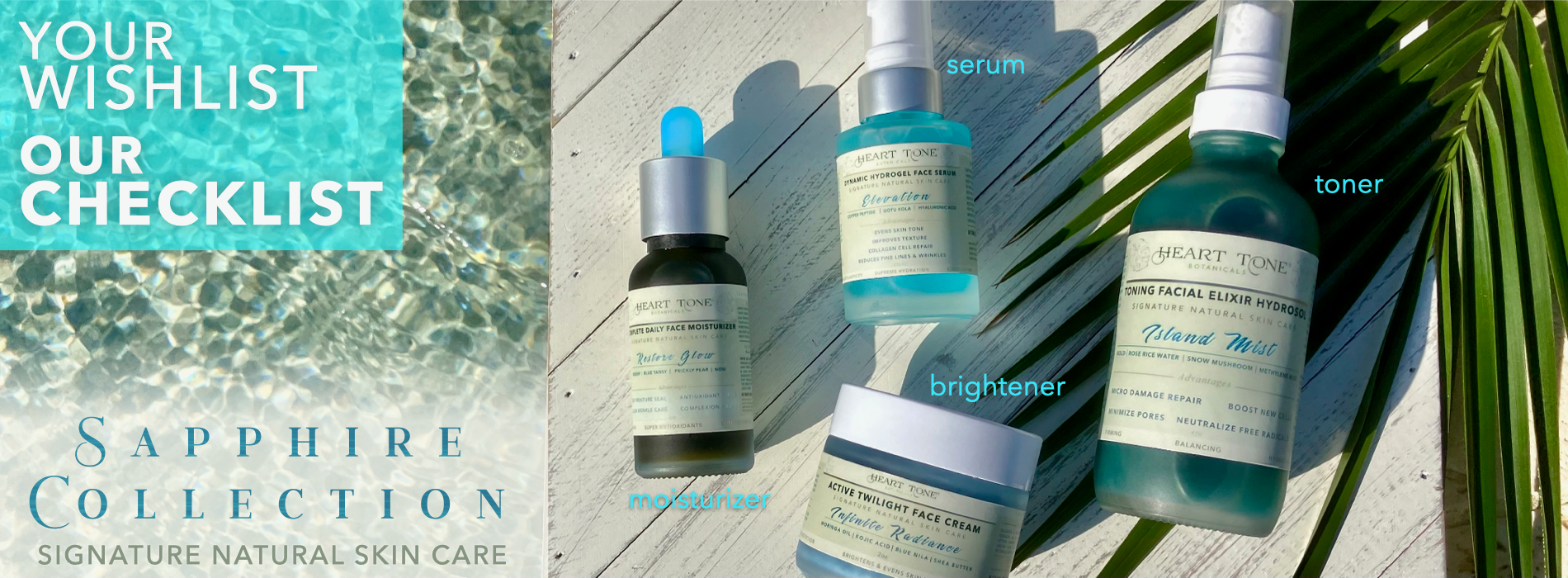
Island Mist Toning Facial Elixir Hydrosol lists FERMENTED ORGANIC RICE WATER as one of its base ingredients — fourth on the INCI list after Colloidal Silver, Rose Hydrosol, and Orange Blossom Hydrosol. This positioning means it is one of the higher-concentration actives in the formula, not a trace additive.
The hydrosol delivery format is relevant here. Hydrosols — water-based misting formulas — allow water-soluble compounds to be applied in a fine mist across the full face rather than in a targeted topical format. Fermented rice water's water-soluble compound profile is well-suited to this delivery method. The misting format also means the formula dries quickly and does not require rubbing or absorption time.
Fermented rice water has been used in beauty rituals for centuries across Japan, Korea, and China. Island Mist brings it into a multi-active botanical mist alongside colloidal gold, snow mushroom, and frankincense serrata CO2 — combining traditional rice ferment practice with modern redox-active botanicals.
The Island Mist Ingredient Canvas
Fermented organic rice water sits within a larger formula that has been discussed in detail across this blog. The full Island Mist INCI is:
COLLOIDAL SILVER, ROSE HYDROSOL, ORANGE BLOSSOM HYDROSOL, FERMENTED ORGANIC RICE WATER, ORGANIC WITCH HAZEL, ALOE VERA LEAF JUICE EXTRACT, COLLOIDAL GOLD, SNOW MUSHROOM EXTRACT, HONOKI WOOD ESSENTIAL OIL, HO WOOD ESSENTIAL OIL, KUNZEA ESSENTIAL OIL, FRANKINCENSE SERRATA CO2 EXTRACT, METHYLENE BLUE.
Each of these ingredients has been the subject of its own dedicated post in this series:
- Snow Mushroom Extract — a high-molecular-weight polysaccharide with water-binding properties; traditional use in East Asian herbalism
- Methylene Blue — a synthetic compound with a 150-year history; studied for mitochondrial-targeting redox activity
- Colloidal Gold — gold nanoparticles studied for their electron-sink antioxidant properties and cytokine-modulating research; distinct from decorative gold flakes
- Frankincense Serrata CO2 — contains boswellic acids including AKBA; the CO2 extraction preserves thermally sensitive triterpenes that steam distillation destroys
Fermented rice water completes the hydrophilic base alongside rose hydrosol and orange blossom hydrosol — three water-phase ingredients that carry the formula's remaining actives across the skin surface.
Island Mist Formula Notes: What It Does Not Contain
Island Mist is formulated without alcohol, parabens, synthetic fragrance, or GMO ingredients. The misting format and absence of alcohol means it is appropriate for use on sensitive skin without the drying effect associated with alcohol-based toners.
The formula is also fragrance-free in the synthetic sense — the scent profile comes from rose hydrosol, orange blossom hydrosol, and the essential oil blend (Honoki Wood, Ho Wood, Kunzea). These contribute a light, floral-botanical scent without synthetic fragrance compounds.
How to Use Island Mist in Your Facial Routine
Island Mist is designed as a toning step — used after cleansing and before any facial moisturizer or serum. The sequence allows the water-phase actives (fermented rice water, rose hydrosol, colloidal silver, colloidal gold) to settle on the skin before the moisturizer creates an occlusive layer.
- Cleanse your face and pat dry.
- Hold Island Mist 6–8 inches from your face and mist evenly across your skin. Eyes closed.
- Allow to absorb for 20–30 seconds. No rubbing needed.
- Follow with your moisturizer or face serum.
- Can also be used as a midday refresh mist — apply over makeup for a light, botanical hydration reset.
Frequently Asked Questions
Is fermented rice water different from the rice water I can make at home?
Yes. Home rice-water rinses are typically made by soaking or rinsing uncooked rice in water — this is the traditional ssaltteumul method. Fermented rice water undergoes an additional step in which microorganisms convert the starch and compounds in the water over several days. The fermented version has a lower pH and a different compound profile than the unfermented version. Island Mist uses the fermented, organic version of rice water rather than a simple rice rinse.
Does Island Mist contain alcohol?
No. Island Mist is alcohol-free. The toning and pore-tightening qualities in the formula come from witch hazel, rose hydrosol, and the botanical actives — not from alcohol, which can strip skin and contribute to dryness with repeated use.
Can I use Island Mist every day?
Yes. Island Mist is designed as a daily-use toning mist. Most customers use it morning and evening after cleansing, or as a midday refresh. The absence of alcohol and the gentle pH of the fermented rice water base make it appropriate for regular use.
Does Island Mist contain synthetic fragrance?
No. The scent in Island Mist comes from rose hydrosol, orange blossom hydrosol, and the essential oil blend (Honoki Wood, Ho Wood, Kunzea). There are no synthetic fragrance compounds in the formula. The INCI is fully disclosed on the product page.
Shop Island Mist Toning Facial Elixir →
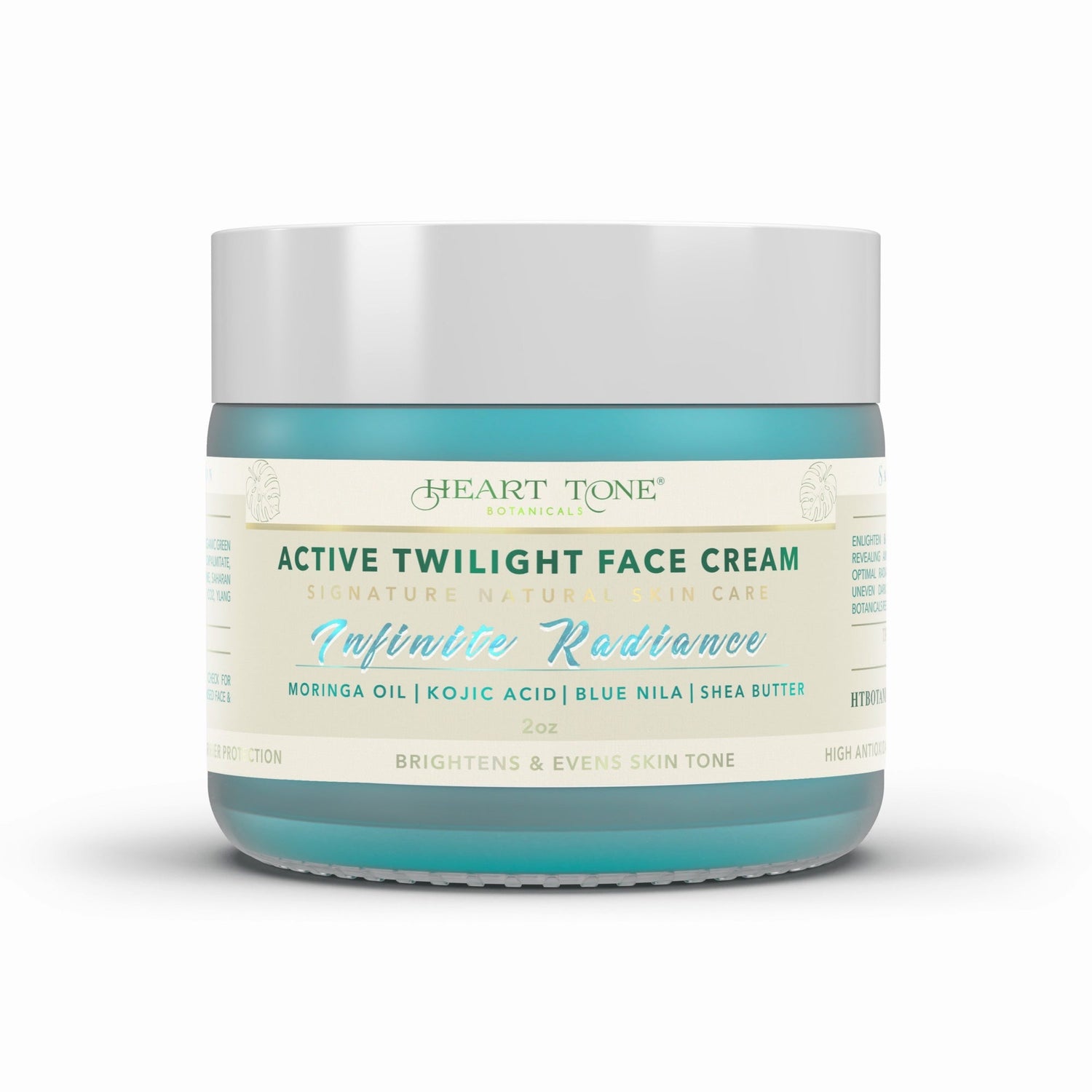
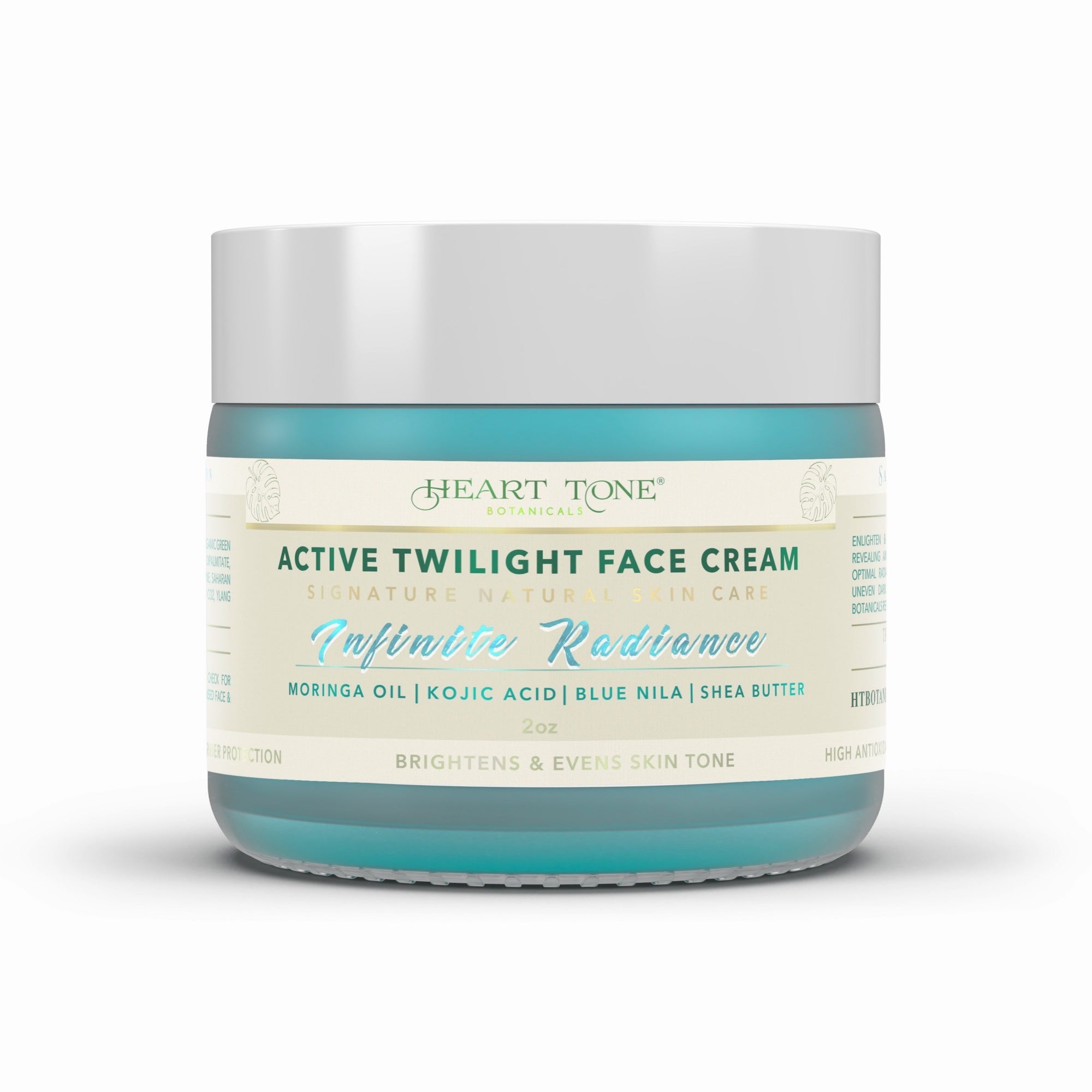
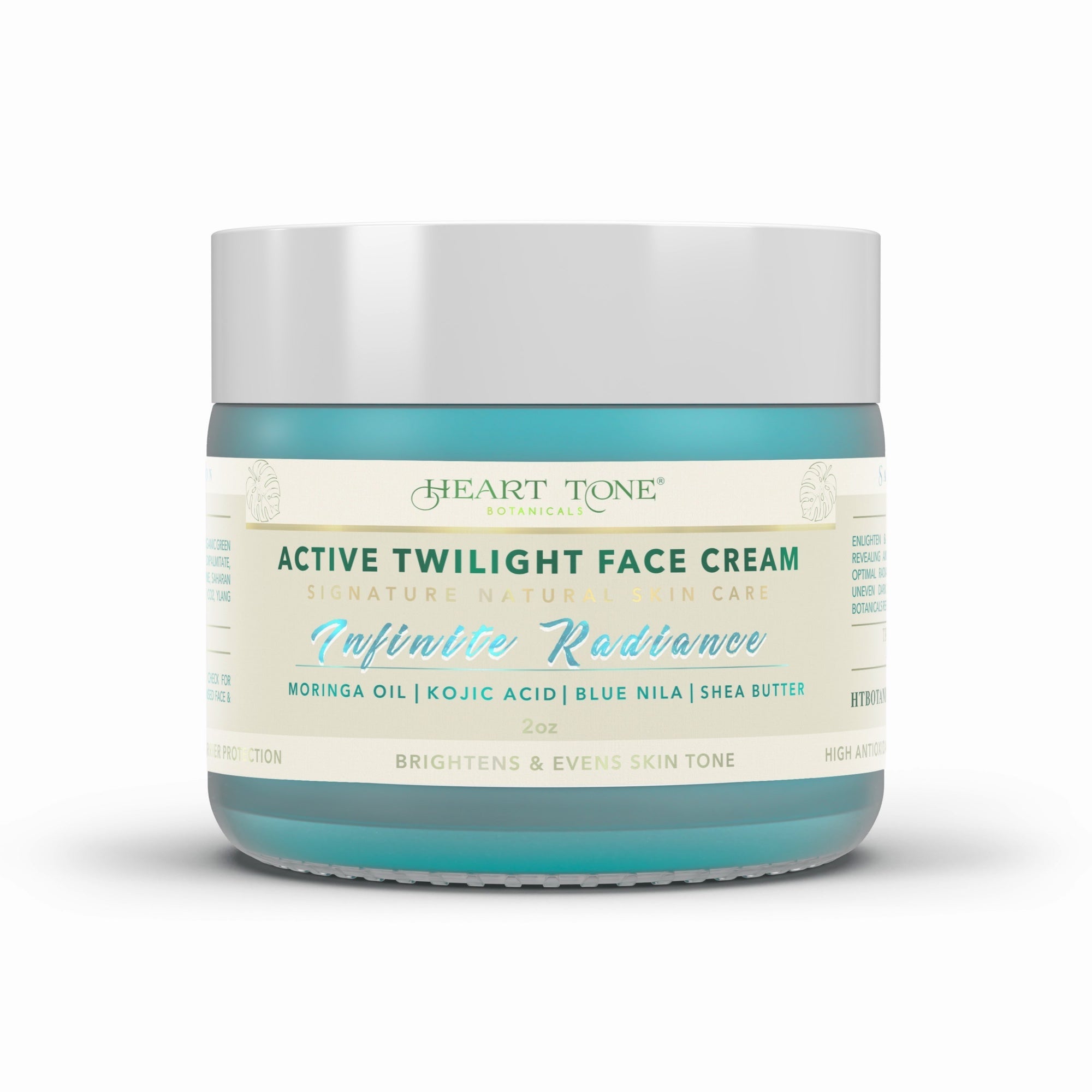
Island Mist is available individually at $69.99. It pairs naturally with the Active Twilight Face Cream and the Dynamic Hydrogel Face Serum as part of a botanical facial care routine. Browse the full facial care collection.

Leave a comment
This site is protected by hCaptcha and the hCaptcha Privacy Policy and Terms of Service apply.