












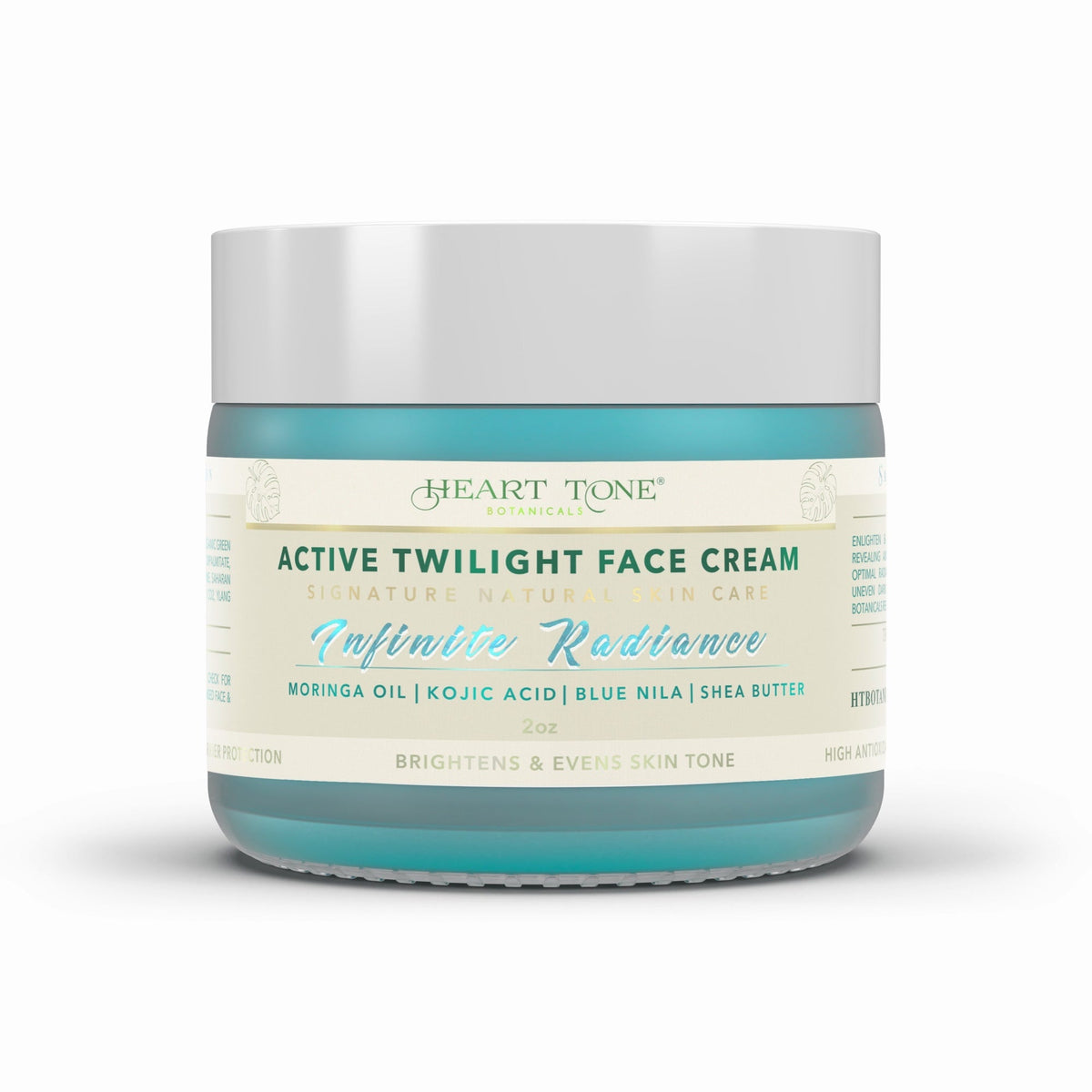
Walk the skincare aisle of any store and you'll see the same words repeated on nearly every bottle: natural, green, clean, eco-friendly, pure, non-toxic. The labels are lush. The fonts are earthy. The photography features wildflowers and dewy leaves. But behind the packaging, the ingredient list often tells a very different story.
This is greenwashing — and it is pervasive in the beauty industry.
Understanding what greenwashing is, how to recognize it, and what genuinely clean beauty actually looks like can help you make purchases you feel confident about. This guide covers it all.
What Is Greenwashing?

Greenwashing is the practice of marketing a product as natural, sustainable, or eco-friendly when the reality is more complicated. It doesn't have to be outright lying. Greenwashing can be:
- Vague language — terms like "natural," "green," or "clean" have no regulated legal definition in the United States. A brand can print any of them on a label without meeting any standard at all.
- Selective emphasis — highlighting one or two plant-based ingredients while quietly including a longer list of synthetics elsewhere in the formula.
- Misleading imagery — photographs of herbs, farms, and open fields that imply a connection to nature that the formula doesn't actually have.
- Made-up certifications — proprietary badges that look like third-party seals but are created and awarded by the brand itself.
- Naturalistic naming — product names like "Botanical Radiance" or "Pure Herbal Glow" that suggest a plant origin with no guarantee behind the claim.
Greenwashing works because most shoppers can't easily read an INCI (International Nomenclature Cosmetic Ingredient) list. Complex Latin names and unfamiliar chemical terms look indistinguishable to many people — which gives brands cover to include synthetic ingredients alongside their "hero" botanicals without most buyers noticing.
Common Greenwashing Tactics to Watch For
"Made With" Callouts
A product advertised as "made with organic aloe vera" may contain a small percentage of aloe alongside a much longer list of synthetic stabilizers, preservatives, or fillers. "Made with" tells you nothing about how much of that ingredient is actually in the formula. Flip the bottle and look at where that ingredient falls on the full list.
Front-of-Package Hero Ingredients
Brands frequently list one or two appealing botanical ingredients prominently on the front of the label — rosehip oil, green tea, bakuchiol — while those ingredients appear near the very bottom of the INCI list, meaning they're present at trace levels. In INCI format, ingredients are listed in descending order by weight. Near the bottom usually means a fraction of a percent.
"Free From" Lists That Bury the Lede
Seeing "paraben-free" or "sulfate-free" on a label feels reassuring — and it should, because those are legitimate considerations. But a product can exclude one category of ingredient while still containing others you might want to avoid. A long "free from" list can actually function as a distraction from what is still in the formula.
Vague "Natural Fragrance"
Fragrance is one of the most common ways synthetic compounds enter otherwise "natural" products. In the United States, fragrance formulas are protected as trade secrets, which means a brand can list "fragrance" or even "natural fragrance" on a label without disclosing what that blend actually contains. Some people find that undisclosed fragrance compounds cause skin irritation — and since the full blend is hidden, there's no way to evaluate what you're being exposed to.
Genuinely transparent brands either name every aromatic ingredient individually by its botanical or common name, or they offer unscented options for those who want to eliminate fragrance entirely.
Self-Styled Certifications
Meaningful certifications include USDA Certified Organic (which requires at least 95% certified organic content in personal care products) and NSF/ANSI 305 (for products with organic ingredients). If you see a badge or seal that you can't trace back to a third-party organization, approach it skeptically. A certification is only meaningful if someone outside the brand is responsible for enforcing it.
How to Read an Ingredient Label
Ingredients on a cosmetic label must, by law, be listed in descending order of weight — the first ingredient is present in the highest concentration, the last ingredients at the lowest levels. Here's what to look for:
- Water usually comes first — in most lotion, serum, and cream formulas, water (aqua) is the primary carrier. That's not a problem on its own, but it sets the context for everything that follows.
- Plant oils appear in their botanical names — organic coconut oil is Cocos nucifera, jojoba is Simmondsia chinensis, rosehip is Rosa canina. When plant Latin names appear early in the list, that's a positive signal.
- Note where hero ingredients actually land — if the ingredient your product is named for appears near the bottom, it's present at a trace level regardless of what the front label implies.
- Fragrance as a wildcard — if a product contains "fragrance," "parfum," or "aroma," and the brand can't tell you what's in it, that's worth noting before you buy.
What Genuine Transparency Looks Like
Clean beauty done honestly isn't about removing every unfamiliar word from a label. It's about intention: sourcing ingredients with care, formulating without unnecessary synthetics, and being fully honest about what's in each product and why.
That kind of transparency tends to share a few recognizable qualities:
- Full ingredient disclosure, easily found — you can see the complete INCI list without clicking through multiple pages or emailing customer service.
- Sourcing stories that are specific — not "inspired by nature," but actual named origins: a specific farm, a specific botanical, a specific method of extraction.
- Certification that's verifiable — if a brand claims certified organic ingredients, there should be a certifying body you can look up independently.
- Measured performance language — genuinely clean brands describe how products feel and what they contain rather than making dramatic promises about transformation.
The Farm-to-Bottle Difference
One of the clearest antidotes to greenwashing is knowing where the ingredients in your products actually come from. When a brand grows botanicals on its own land, there's a level of traceability that supply-chain opacity makes very difficult to fake.
Heart Tone Botanicals was built around exactly that premise. JD's farm in Vero Beach, Florida grows botanicals that go directly into the products — aloe vera, loofahs, herbs — tended, harvested, and processed by the family. That's not a story built for a label. It's how the products came to exist.
The Ancient Organic Soap Aloe Fields is cold-processed with certified organic coconut oil, olive oil, sunflower oil, hemp oil, jojoba oil, and castor oil, along with farm-grown aloe vera, parsley, and spirulina. The ingredient list is short and entirely readable — you can understand every entry before you buy.
The Ancient Organic Soap Coconut Creme takes simplicity even further: organic coconut oil, deionized water, organic coconut milk, organic coconut pulp, and sodium hydroxide (which converts entirely to soap during saponification, leaving none of the lye in the finished bar). Five ingredients. Nothing to decipher.
For those who want a completely fragrance-free option, the Faithfully Pure Hands Castile Liquid Soap Pure Native is built entirely on certified organic oils — coconut, olive, sunflower, palm kernel, castor, hemp, and jojoba — with no added aromatic ingredients. What's not in a product is sometimes just as meaningful as what is.
Deodorant and the "Natural" Problem
Personal care deodorant is one of the most heavily greenwashed product categories in beauty. Many products marketed as "natural" still contain synthetic fragrance compounds, alcohol-based propellants, or preservative systems with trade-name ingredients that obscure their synthetic origin.
The Eden's Garden Bioactive Deodorant names every aromatic ingredient individually — clary sage essential oil, lavender CO2, lavandin essential oil — each listed by its botanical Latin name. There is no "fragrance" entry. What you read is what's in the product. The formula is aluminum-free and baking soda-free, in a base of certified organic coconut oil, carnauba wax, sunflower oil, and jojoba seed oil.
For those who want to minimize aromatic botanicals altogether, The Classic Bioactive Deodorant uses the same certified organic carrier base — with zinc oxide, kaolin clay, bentonite clay, diatomaceous earth, magnesium hydroxide, and elderberry extract — with no added essential oils or fragrances of any kind.

A Note on the Word "Natural"
In the United States, neither the FDA nor the FTC has a formal regulatory definition for the word "natural" on cosmetic labels. Any brand can call any product natural. The word carries no legal weight. This isn't widely understood — and greenwashing depends on that gap.
What does carry weight: ingredient lists, certifications from third-party organizations, sourcing stories with real specifics, and manufacturing practices you can actually learn about. A brand that can tell you where its aloe was grown is more trustworthy than one that prints "naturally derived" across the front and keeps the details vague.
Shopping Smarter Without Getting Overwhelmed
You don't need to become a cosmetic chemist to shop more intentionally. A few practical habits make a meaningful difference:
- Flip the bottle first — read the full ingredient list before anything else on the label.
- Find the hero ingredient on the list — if it's near the bottom, it's at a trace level, regardless of the front-panel claim.
- Look up unfamiliar ingredients — the Environmental Working Group's Skin Deep database is a useful free reference for individual cosmetic ingredients.
- Ask where ingredients come from — if a brand can't or won't tell you the source of their botanicals, that's worth noting.
- Value specificity over vagueness — "certified organic olive oil" is more meaningful than "enriched with botanical extracts."
- Trust what's simple — formulas with short, legible ingredient lists and no marketing buzzwords tend to be exactly what they say they are.
Start With Something You Can Read
If you're making the transition to cleaner personal care, starting with products whose ingredient lists you can actually understand is one of the most practical choices you can make. When a label reads like a familiar list of plants and oils rather than an alphabet soup of abbreviations and trade names, that transparency is already telling you something important.
Explore the full Heart Tone Botanicals collection — every product comes with complete ingredient disclosure, a farm origin story, and no synthetic shortcuts. The Clean Life Starter is a simple introduction to what farm-grown personal care looks and feels like: a bar soap, a castile liquid soap, and a fluoride-free toothpaste — everything you need to replace what's under your sink with something real.

Leave a comment
This site is protected by hCaptcha and the hCaptcha Privacy Policy and Terms of Service apply.