












What "Small Batch" Actually Means in Skincare

"Small batch" shows up on clean beauty labels almost as often as "natural" or "organic" — and like those words, it isn't regulated. There's no legal definition, no minimum or maximum unit count, no third-party check on the claim. So the phrase can mean two very different things: a real production choice, or a marketing word stapled onto a formula made the same way as everything else on the shelf.
In practice, small batch production means a brand mixes formulas in limited quantities — often by hand, often in runs measured in dozens or a few hundred units rather than tens of thousands. The batch gets used up and sold before the next one is mixed, instead of sitting in a warehouse for months waiting to move.
Why the Batch Size Itself Isn't the Point
Here's the part most small batch marketing skips: the batch size alone doesn't tell you anything useful. What matters is what smaller batches make possible — mainly, how long an ingredient sits between being pressed, extracted, or blended and actually landing on your skin.
Natural oils, butters, and plant extracts are not shelf-stable in the way synthetic ingredients are. They're time-sensitive:
- Cold-pressed oils — jojoba, moringa, rosehip, and similar oils have a limited window before their scent shifts from light and clean to heavier and duller
- Unrefined butters — shea and cocoa butter can change in texture and aroma the longer they sit, especially once a container is opened
- Botanical extracts — plant-derived extracts are formulated to be used within a defined window, not stockpiled indefinitely
Mass production runs are built around long shelf lives, big warehouses, and slow-moving inventory. That's a completely reasonable way to manufacture body wash or shampoo at scale — but it usually means leaning harder on synthetic stabilizers and preservative systems designed to keep a formula looking and smelling the same after a year in transit and storage. Small batch production sidesteps a lot of that need in the first place, simply because the formula isn't sitting around waiting for a year to pass.
How to Tell Real Small Batch From a Marketing Word
A few questions separate an actual small-batch process from a label choice:
- Does the brand list a batch or production date? A real small-batch operation usually knows exactly when a run was made, because it just happened.
- Is the ingredient list built around fewer, more delicate ingredients — or does it lean on the same stabilizers found in mass-market formulas? Heavy preservative systems are a signal the "small batch" language isn't changing how the product is actually made.
- Can the brand say where and how it's made? Hand-mixed in a real, named location is a very different claim than "crafted in small batches" printed on a bottle from a co-packer running thousands of identical units a day.
How Heart Tone Approaches Small-Batch Production
JD makes Heart Tone's formulas in small runs, by hand, rather than through a large contract manufacturer. Some of the ingredient library — aloe vera, neem, moringa, and soursop — is grown directly on JD's farm in Vero Beach, FL and used close to harvest. The rest of the botanical library, more than 30 additional extracts and oils, comes from outside growers and suppliers, the same way it does for nearly every clean beauty brand this size. Small batches don't mean everything is farm-grown — they mean the formulas move from mixing to bottle to customer without sitting in inventory for months at a time.
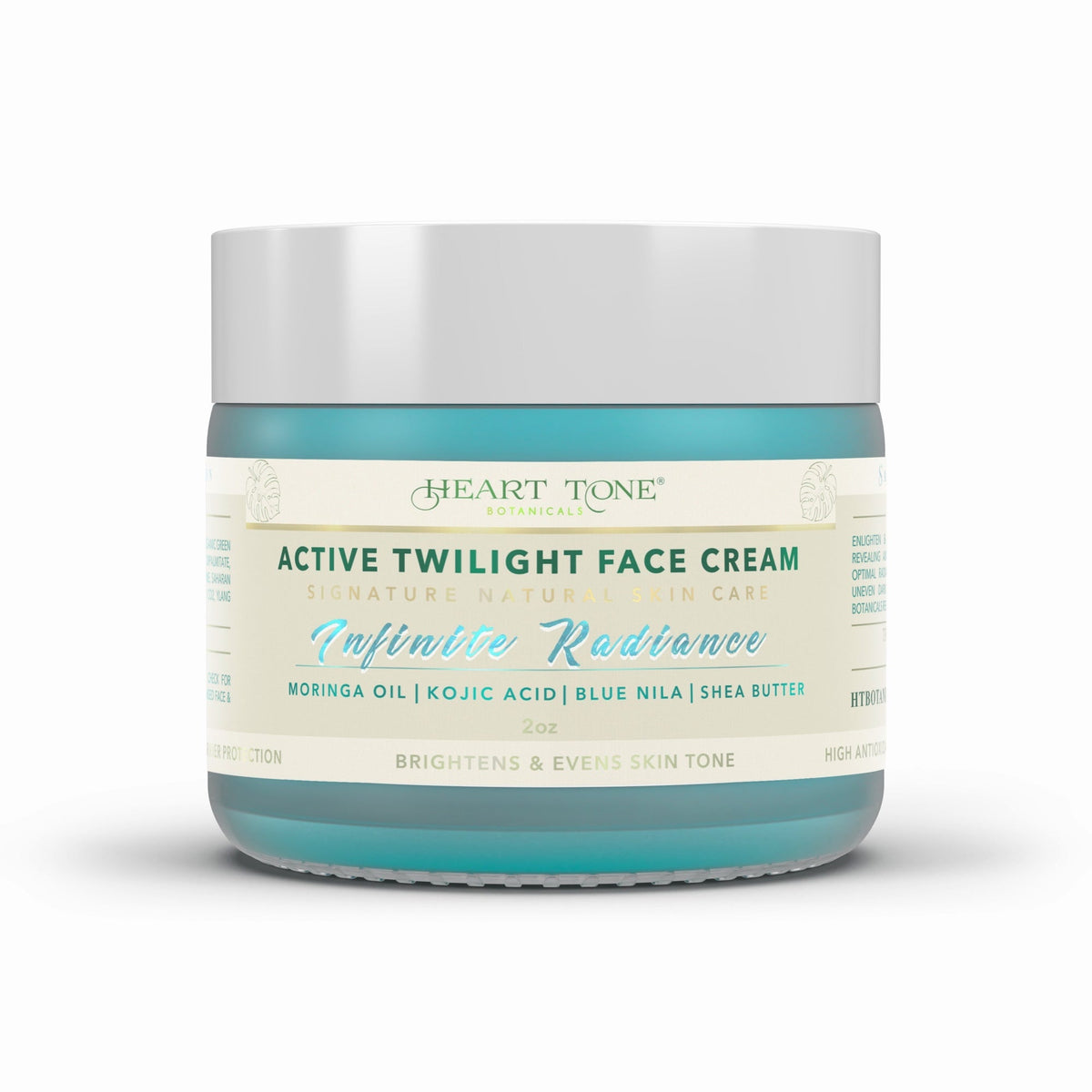
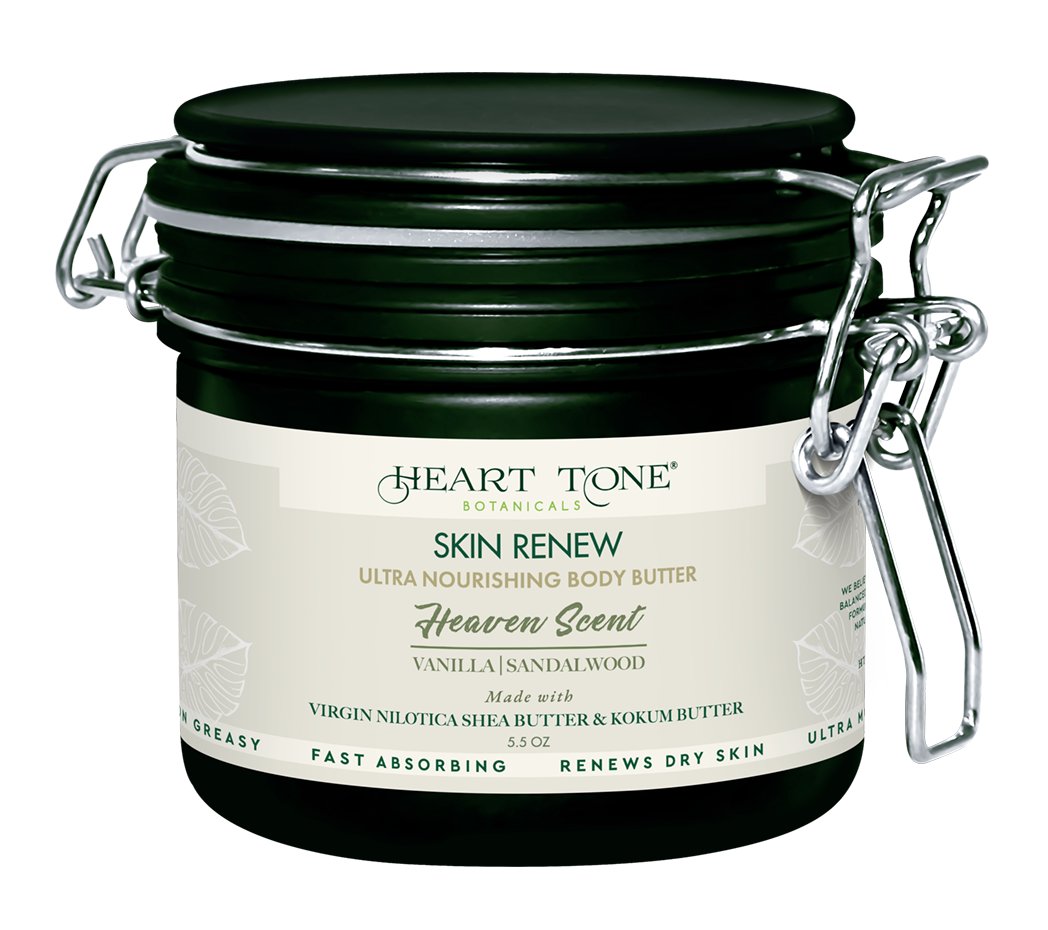
The Botanical Renew Body Butter is a good example of what that looks like in practice: a triple-butter formula built on shea, kokum, and meadowfoam seed oil, hand-poured in small runs rather than mass-produced. The Complete Daily Face Moisturizer takes the same approach with a 22-oil botanical blend — jojoba, moringa, rosehip, sea buckthorn, and more — formulated and bottled in limited quantities rather than warehoused at scale. Both are part of the Facial Care collection.
The Ancient Organic Soap line and the Faithfully Pure Hands Castile Liquid Soap follow the same production model — cold-pressed organic oils, saponified and poured in small runs, rather than a formula built to sit on a distribution shelf indefinitely. Both are part of the Body Care collection.
What to Actually Look For
If small batch production matters to you, the label word matters less than these three things:
- A named place — a real address or region, not just "our workshop"
- A short ingredient list built around recognizable botanicals — rather than a long list of synthetic stabilizers doing the work of shelf stability
- Honesty about sourcing — which ingredients are grown in-house, and which are responsibly sourced from outside suppliers
That combination is a much more reliable signal than the phrase "small batch" sitting on its own on a label.
The Bottom Line
Small batch production is a real, meaningful choice when it changes how a formula is actually made — shorter time between mixing and use, fewer heavy stabilizers, and ingredients sourced with a specific place attached to them. It's a marketing word when none of that is true and the label is doing the work instead. At Heart Tone, that means formulas mixed and poured in small runs, with farm-grown aloe vera, neem, moringa, and soursop worked in alongside a responsibly sourced botanical library.

Leave a comment
This site is protected by hCaptcha and the hCaptcha Privacy Policy and Terms of Service apply.