












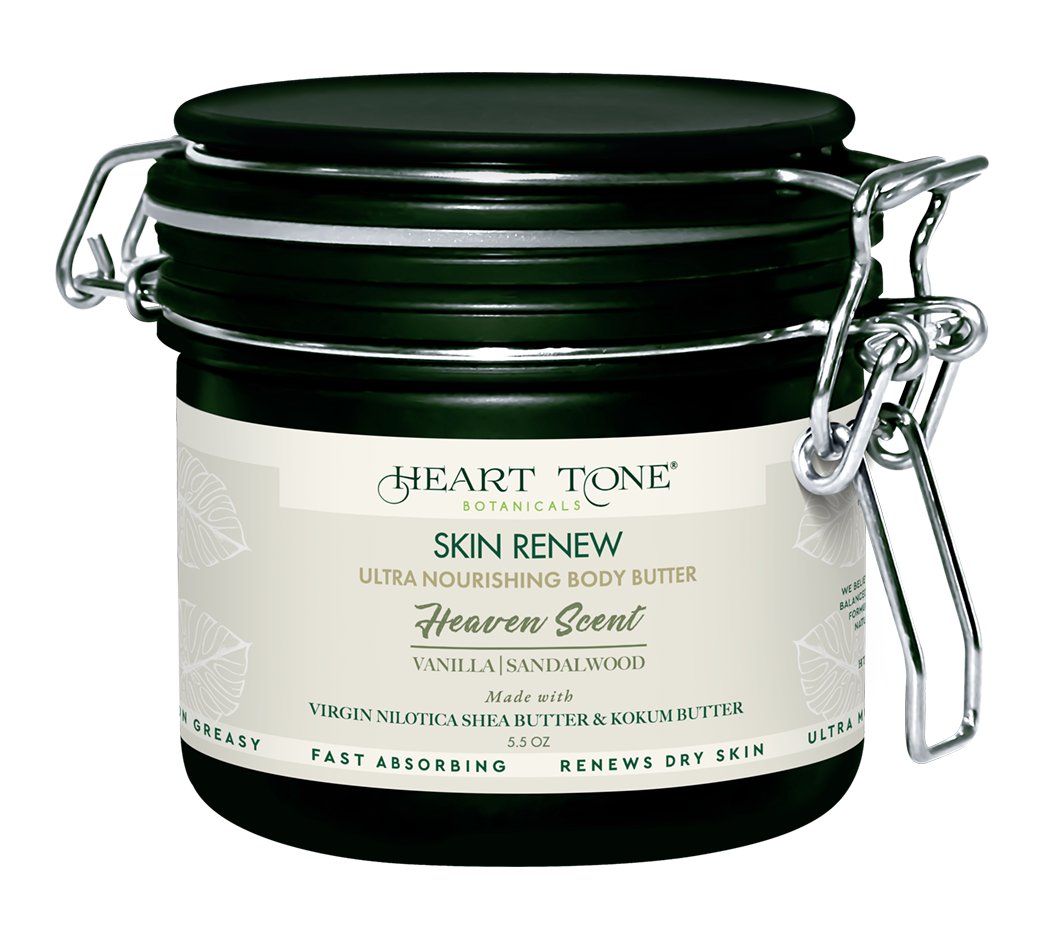
Why Body Butter Feels Greasy When You Apply It Wrong

If you've tried body butter and ended up with a heavy, tacky film that transfers onto your clothes, the formula probably isn't the problem. The most common reason body butter feels greasy has nothing to do with the ingredients and everything to do with how much is applied and when. A solid, buttery texture that isn't warmed or worked into skin will sit on the surface no matter how good the formula is underneath it.
The fix is technique, not a different product. Here's what actually changes the outcome.
Apply to Damp Skin, Not Dry Skin
The best time to apply body butter is right after a shower or bath, while skin is still slightly damp -- not fully dried off. That leftover moisture on the skin's surface helps the butter spread and settle in, rather than sitting on top of completely dry skin where it has nowhere to go. Pat skin gently with a towel instead of drying it completely, then apply while it's still a little damp.
Use Less Than You Think You Need
The single most common mistake with body butter is using too much. A rich, whipped body butter is concentrated, and a small amount goes much further than the equivalent scoop of a thin lotion. For a full arm or leg, a piece roughly the size of a large marble is usually enough. Elbows, knees, hands, and feet -- the driest, roughest areas -- can take a little more.
Start with less than feels right, rub it in, and only add more to spots that still feel dry. It's much easier to add a second pass than to fix a greasy first one.
Warm It Between Your Palms First
Body butter is solid at room temperature, which is exactly why it feels thick and hard to spread straight out of the jar. Scoop out your amount and rub it between your palms for about ten seconds before it touches your skin. The warmth from your hands melts the butter into a smooth, spreadable texture that glides on instead of dragging or sitting in clumps.
Massage It In -- Don't Just Rub It On
Once the butter is warmed and spreadable, work it into skin with slow, circular motions rather than a quick swipe. Giving it a real massage -- especially on elbows, knees, and drier patches -- is what actually moves the product into skin instead of leaving it sitting on top. If you've applied the right amount and it still feels greasy after a minute of massaging, blot the area lightly with a clean towel rather than adding more product to compensate.
What to Look for in a Body Butter Formula
Technique matters, but the formula still sets the ceiling. A body butter built on a blend of butters -- rather than one butter stretched thin with water and fillers -- tends to spread and absorb more predictably once it's warmed and massaged in. Botanical Renew Body Butter is formulated with virgin Nilotica shea nut butter, kokum butter, and meadowfoam seed oil for a silky, non-greasy finish once it's properly worked in. It comes in three scent profiles -- Heavenly Scent, Bohemia, and Day Dream -- so there's a version for whichever finish you prefer.
Look for a short, recognizable ingredient list on any body butter: real plant butters and oils near the top, no synthetic fillers doing the bulk of the work, and nothing that leaves a heavy residue no matter how little you use.
The Bottom Line
A body butter that feels greasy isn't necessarily the wrong formula -- it's often just applied dry, cold, and in too large an amount. Apply to slightly damp skin, start with less than you think you need, warm it between your palms first, and massage it in with real circular motion. Get those four things right and even a rich, buttery formula should leave skin feeling soft and smooth rather than sticky.
If you're deciding between a butter and a lighter oil for your routine, our guide on Body Butter vs. Body Oil breaks down which one fits drier skin versus normal skin. Explore the full Heart Tone Botanicals body care collection for the rest of the lineup.

Leave a comment
This site is protected by hCaptcha and the hCaptcha Privacy Policy and Terms of Service apply.