












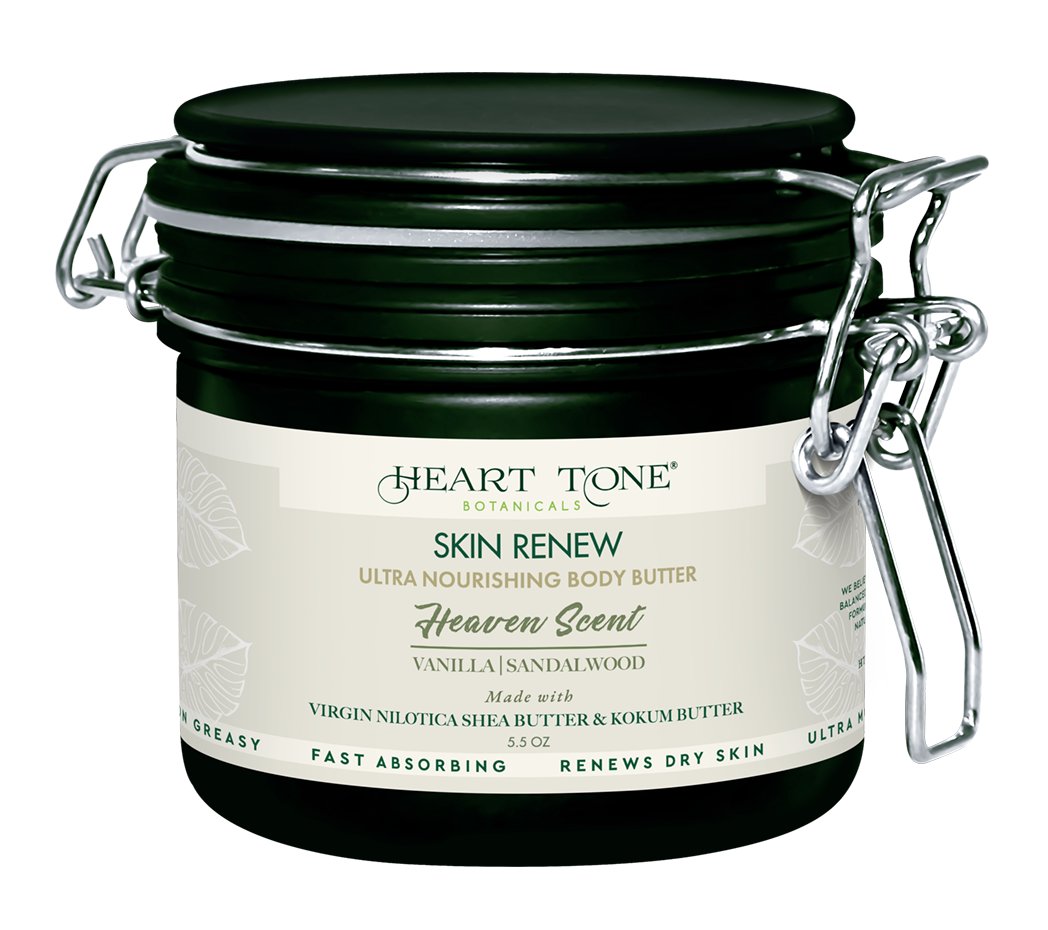
The Short Answer: It's a Texture and Occlusion Difference, Not a Marketing One

If you've stood in front of a shelf trying to decide between a jar of body butter and a bottle of body oil, the honest answer is that they solve slightly different problems. Body oil is a thin layer of plant lipids that absorbs quickly and adds slip and shine. Body butter is a concentrated, water-free blend of plant butters that sits on the skin longer and creates a heavier barrier. Neither is "better" in the abstract — the right one depends on your skin, the season, and what you're using it for.

What Body Oil Actually Does
A body oil is typically a blend of lightweight carrier oils — think sweet almond, grapeseed, jojoba, or squalane — sometimes finished with a botanical or essential oil for scent. Because oils are made almost entirely of fatty acids and no water, they don't need emulsifiers or preservatives the way a lotion does. That's the appeal: a short, simple ingredient list.
Where oil shines is speed and feel. A well-formulated dry oil sinks into skin in under a minute, leaves a light sheen rather than a greasy film, and layers easily under clothing. It works well on normal to combination skin, and it's a popular choice for people who want a quick step in a morning routine or a way to add shine to skin without heaviness.
Where oil falls short is on genuinely dry, rough, or cracked skin. A thin oil film slows water loss somewhat, but it doesn't create the kind of substantial barrier that very dry elbows, heels, or hands need to feel meaningfully different.
What Body Butter Actually Does
Body butter takes a different approach. Instead of a thin oil, it's built from solid plant butters — shea, kokum, cocoa, or mango — whipped or blended with liquid oils until the mixture is spreadable at room temperature but re-solidifies into a thicker layer on skin. There's no water in a well-made body butter, which means no emulsifiers and no synthetic preservatives are needed to hold the formula together.
That richer, water-free structure is what makes body butter feel noticeably different in the jar and on skin. It takes a bit longer to work in than oil, and a little goes further because the formula is concentrated rather than diluted. The tradeoff for that slower absorption is a heavier, longer-lasting layer — which is exactly what dry, rough, or seasonally stressed skin responds to.
Body Butter vs. Body Oil, Side by Side
- Absorption speed: Oil absorbs in seconds to a minute. Butter takes longer and sits on the surface as it works in.
- Best for: Oil suits normal to combination skin and all-over light hydration. Butter suits very dry skin, rough patches, and areas like elbows, knees, and heels.
- Best season: Oil tends to feel lighter in warm, humid months. Butter earns its keep in dry winter air or after long exposure to sun, wind, or chlorine.
- Application window: Both work best on damp skin right after a shower, but butter's richness makes that timing more forgiving if you wait a few extra minutes.
- Ingredient list: Both can be short and recognizable when formulated well — the difference is texture and concentration, not necessarily ingredient quality.
What's in a Well-Formulated Body Butter
The Heart Tone Botanicals Botanical Renew Body Butter is built on Virgin Nilotica shea nut butter and kokum butter — two plant butters with a long history of use in traditional African and South Asian skin care. Meadowfoam seed oil is included for a lighter, less greasy finish than shea alone typically delivers, and organic arrowroot powder helps the formula absorb without feeling sticky or heavy-handed. Farm-grown aloe vera and elderberry extract round out the formula, with non-GMO vitamin E included as a natural antioxidant to help the plant oils hold up over time.
It comes in three scent profiles — Heavenly Scent (vanilla and sandalwood), Bohemia (lemon verbena and bergamot), and Day Dream (lavender and chamomile) — so the richer texture doesn't come at the cost of variety.
Building a Routine That Uses Both Textures
You don't have to choose only one. A layered approach uses each texture where it does the most good:
Step 1 — Cleanse: Start with a formula that cleans without stripping natural oils from skin. The Ancient Organic Soaps are cold-pressed with organic oils and farm-grown botanicals, available in Aloe Fields, Alpha Bar, and Coconut Creme. For a liquid option, the Herbal Castile Liquid Soap and the four-scent Faithfully Pure Hands Castile line work for both hands and body. For a more traditional exfoliating step, the Moroccan Exfoliating Black Soap is made with organic olive oil and aged Moroccan black olive paste.
Step 2 — Lightweight layer (optional): If you want something with an oil-like lighter feel before a heavier step, the Botanical Skin Gel is a fast-absorbing gel made with organic aloe vera, colloidal silver, and farm-grown botanical extracts including calendula and willow bark.
Step 3 — Body butter where it counts: Apply the Botanical Renew Body Butter to elbows, knees, heels, and any areas that feel rough or dry, while skin is still a little warm and damp from the shower.
Step 4 — Natural deodorant: Finish the routine with an aluminum-free formula. The Bioactive Deodorant line includes Eden's Garden (lavender and clary sage), Grove Island (citrus), Jamaica Estate (bergamot and frankincense), Gentleman's Reserve (woodsy), and The Classic (fragrance-free) — all made without aluminum, baking soda, or synthetic fragrance.
The Bottom Line
Body oil and body butter aren't competing products — they're different tools. Oil gives you speed and a light feel for everyday, all-over use. Butter gives you a richer, longer-lasting layer for the areas and seasons where skin needs more than a quick pass can deliver. If you only keep one in the shower, the season and your skin's driest spots should make the call — and for most people dealing with rough elbows, heels, or winter skin, the concentrated, water-free formula of a well-made body butter does more work per application.
Explore the full Heart Tone Botanicals body care line at htbotanicals.com/collections/body-care.

Leave a comment
This site is protected by hCaptcha and the hCaptcha Privacy Policy and Terms of Service apply.