












The Short Answer: "Natural" Doesn't Automatically Mean "Right for a Child's Mouth"

Fluoride-free toothpaste is one of the fastest-growing categories in kids' oral care, and it's easy to see why: parents want to avoid fluoride overexposure in small children who are still learning to spit instead of swallow. But swapping a fluoride formula for anything labeled "natural" isn't automatically a step up. Some of the same botanical ingredients that make a toothpaste appealing for an adult — strong mint oils, essential oil blends, mineral concentrates — need a second look before they end up in a five-year-old's mouth.

Here's what to actually look for on the label — and where age matters more than the word "natural" ever will.
Why Age Changes the Ingredient List
A toothpaste formula that's a comfortable, flavorful daily habit for a teenager or adult isn't automatically appropriate for a toddler or young child. The reason isn't about whether an ingredient is "natural" or synthetic — it's about swallowing risk and concentration. Young children reliably swallow some amount of whatever is in their mouth, so a formula built for an adult's spit-and-rinse habits needs a different lens when a four-year-old is the one holding the toothbrush.
A few practical label questions for parents to ask, at any age:
- Is this toothpaste labeled and portioned for the child's specific age range?
- Does it use a mild, kid-friendly flavor rather than a strong mint or essential oil blend?
- Is the ingredient list short enough to actually read and understand?
- Does the brand disclose full ingredients rather than hiding behind "natural flavor" or "proprietary blend"?
Ingredients Worth Slowing Down On
Strong Mint and Essential Oil Blends
Peppermint, wintergreen, and cornmint oils are traditional, well-loved flavors in adult natural toothpaste — they're part of what makes a botanical formula feel invigorating. But concentrated essential oil blends are formulated with an adult's mouth and swallowing habits in mind. For young children, a milder, kid-specific flavor profile is generally the more comfortable and age-appropriate choice, and it's worth checking that a children's formula is labeled and diluted specifically for smaller mouths rather than simply a smaller tube of the adult version.
Mineral and Clay Bases
Ingredients like kaolin clay and bentonite clay have a long history of traditional use in oral care for their gentle, non-abrasive texture. They're a common base in fluoride-free formulas because they create a smooth, pleasant brushing feel without harsh scrubbing agents. For any age, a lower-abrasion base is generally the more comfortable everyday choice — but a formula's overall gentleness still depends on the full ingredient list, not any single mineral.
Xylitol
Xylitol is a sugar alcohol that's become a familiar name on natural toothpaste labels, valued for contributing a mild sweetness without table sugar. It has a long history of use in oral care products marketed to families. As with any ingredient, appropriate quantity matters — xylitol toothpaste is designed to be spit out, not swallowed in meaningful amounts, which is one more reason supervised brushing matters for young children.
What "Fluoride-Free" Actually Means — And Doesn't
Choosing a fluoride-free toothpaste is a values decision many families make deliberately, often after talking with their pediatric dentist about their child's specific needs, water source, and diet. A fluoride-free label simply means what it says: the formula doesn't include fluoride. It doesn't automatically mean gentler, safer, or better suited to a specific age — that still comes down to reading the full ingredient list and flavor concentration, not the marketing claim on the front of the box.
Whatever formula a family chooses, supervised brushing for young children remains the standard recommendation — using a pea-sized amount, encouraging spitting rather than swallowing, and keeping toothpaste out of reach between brushings.
Where This Leaves Older Kids, Teens, and Adults
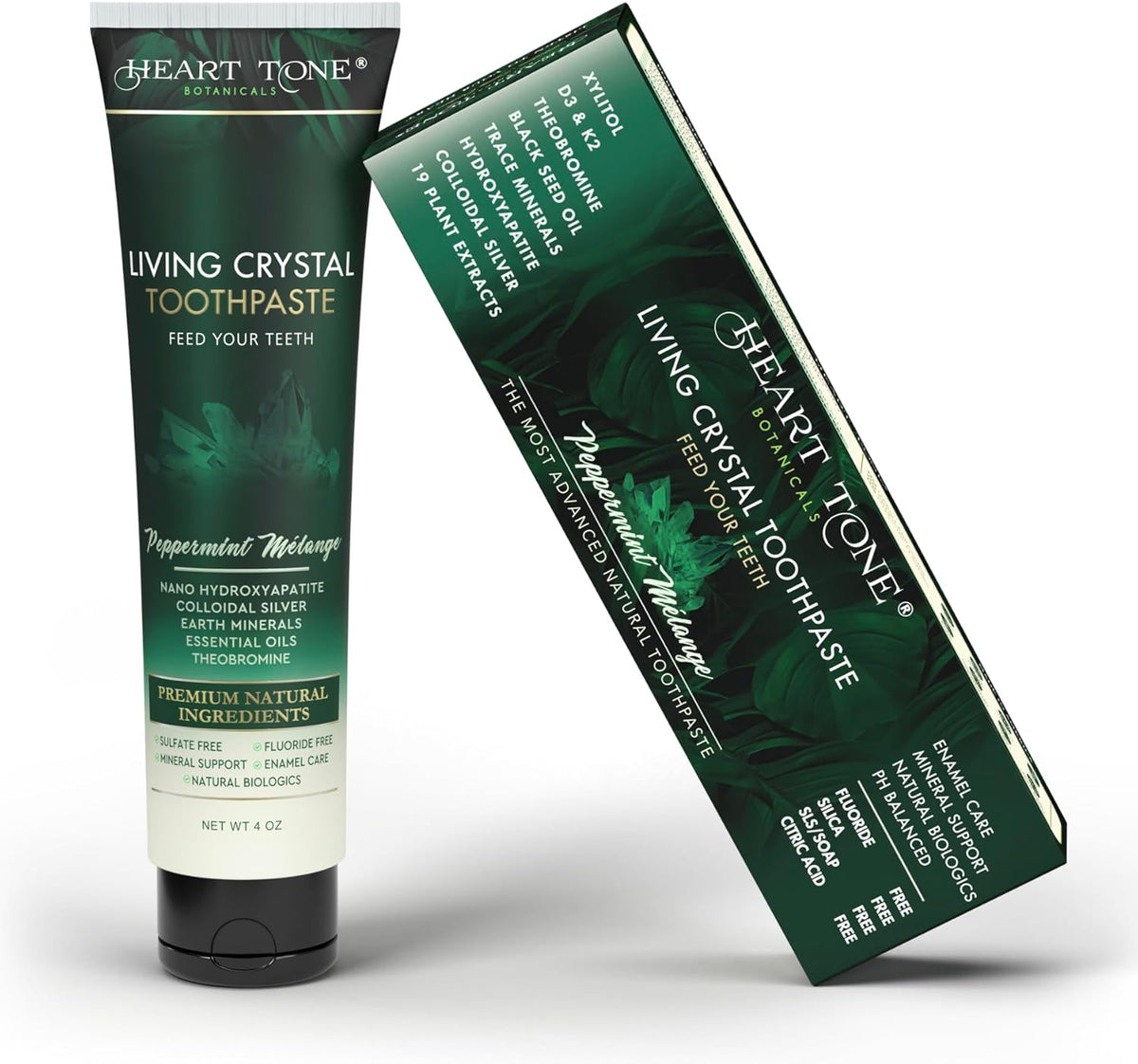
Once a child is reliably spitting instead of swallowing — a milestone most dentists associate with older kids and teens rather than toddlers — a full-strength botanical formula becomes a more reasonable fit for the whole family's routine. This is where a fluoride-free formula built for teens and adults, like Living Crystal Toothpaste, comes in. It's a handcrafted formula built on kaolin clay, xylitol, and a full botanical mint complex, with no fluoride and a fully disclosed ingredient list — the kind of label a parent can actually read start to finish.

The Bottom Line
"Natural" is a starting point, not a finish line, when you're choosing toothpaste for a child. The real questions are age-appropriateness, flavor strength, and whether the ingredient list is short and fully disclosed enough to actually evaluate. For younger children, that usually means a dedicated kids' formula with a mild flavor and supervised brushing. For older kids, teens, and adults ready to move away from fluoride altogether, a full-strength botanical formula with a transparent label is worth a look.
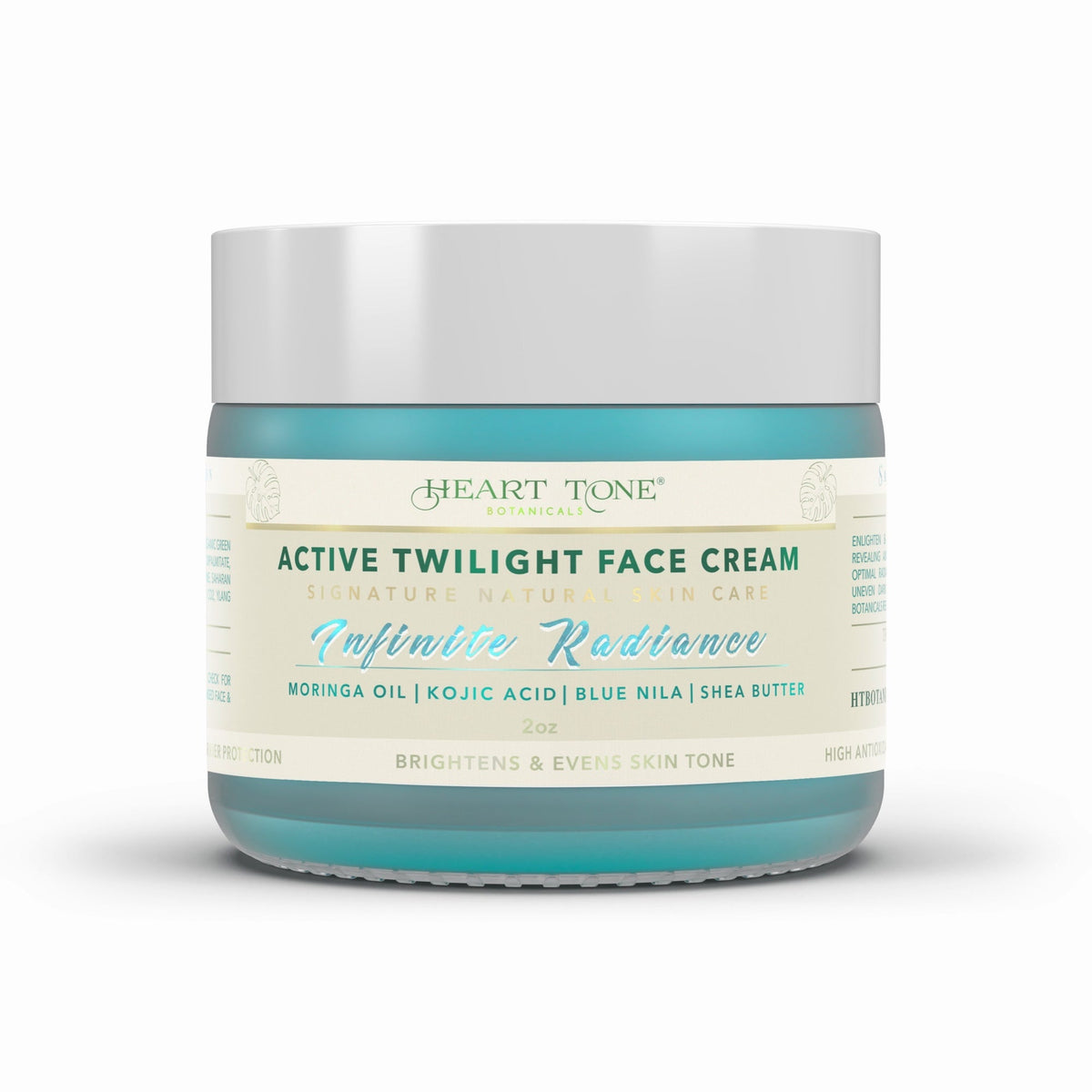
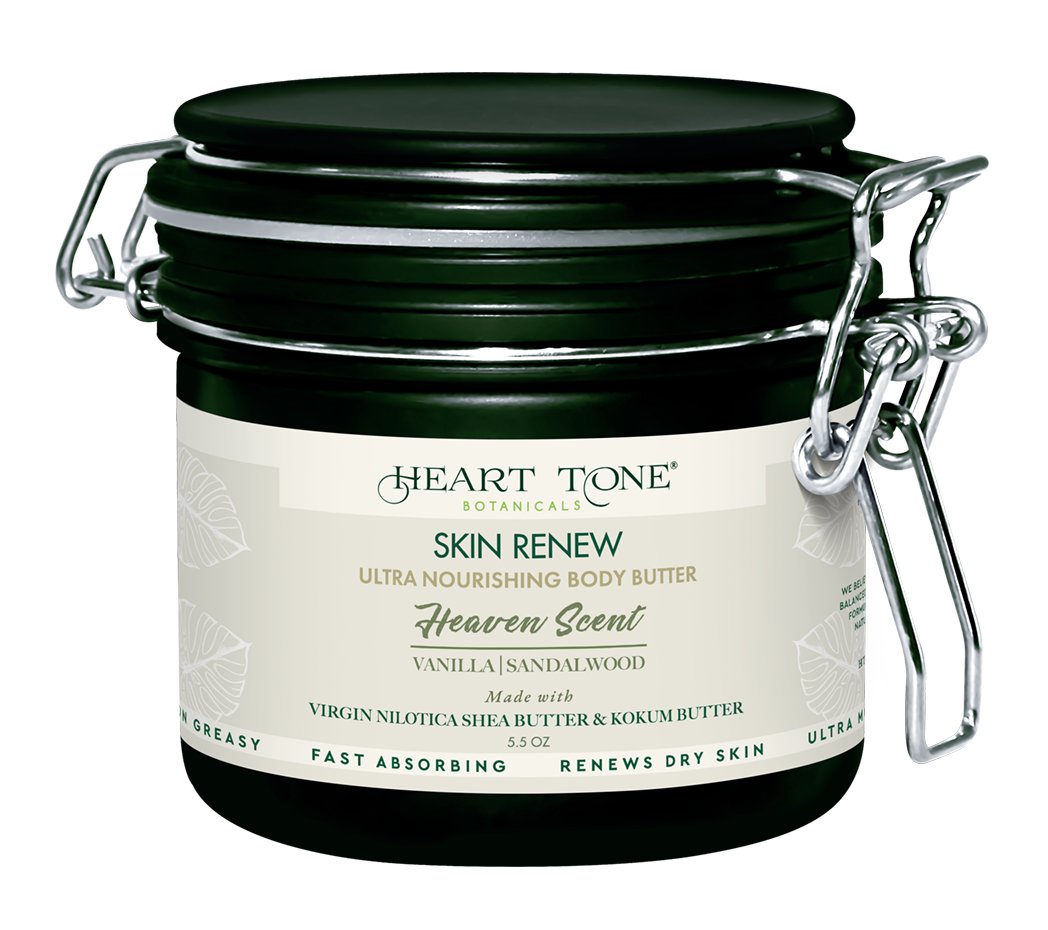
Explore the full natural oral care collection from Heart Tone Botanicals to see the complete lineup, including the alcohol-free Restorative Mouth Rinse for the rest of the family's routine.

Leave a comment
This site is protected by hCaptcha and the hCaptcha Privacy Policy and Terms of Service apply.