












What Is Meadowfoam Seed Oil?

Meadowfoam seed oil comes from the seeds of Limnanthes alba, a low-growing wildflower native to the Pacific Northwest that carpets fields in white blossoms each spring. The oil pressed from its seeds has a long-standing role in natural body care formulas, prized less for any single "active" property and more for what it brings to a formula's texture and stability.
If you've read a body butter ingredient list and skimmed past "meadowfoam seed oil" without knowing why it's there, here's what it actually does — and why formulators keep reaching for it.
Why Formulators Reach for It in Body Butter
A Texture Unlike Most Plant Oils
Body butters built on a single heavy butter — shea alone, for example — can feel thick and slow to absorb, especially in warm weather or on areas like the arms and legs. Meadowfoam seed oil has a light, silky, non-greasy character that helps balance out a richer butter base. Blended into a formula alongside shea or kokum butter, it contributes to a finish that feels smooth on application rather than heavy or waxy.
This is why meadowfoam rarely appears as the star ingredient on a label. It's a texture-modifying oil — the kind of ingredient that changes how a whole formula feels on skin without needing to headline the product.
Naturally Long Shelf Life
Meadowfoam seed oil is unusually resistant to oxidation compared to most plant oils, largely due to its distinctive fatty acid profile. In practical terms, that means a body butter formulated with it tends to hold its texture and scent over time rather than turning rancid the way lighter, more delicate oils can. For a small-batch, botanically formulated product, that natural stability matters — it's one less synthetic preservative a formulator needs to lean on.
How It Compares to Other Body Oils
Every plant oil brings something different to a formula:
- Meadowfoam seed oil — light, silky, slow to absorb into fabric (which is why it's popular in leave-on body products), naturally shelf-stable
- Jojoba oil — technically a liquid wax, similar in texture to skin's own natural oils, very lightweight
- Shea butter — a solid, richer fat that provides the bulk of a body butter's moisturizing feel
- Coconut oil — fast-absorbing but can feel greasy in humid climates; solid at cooler room temperatures
None of these is objectively "better" — they play different roles. In a well-built body butter, a heavier butter provides the base, and a lighter oil like meadowfoam rounds out the texture so the finished product doesn't feel like a solid block of wax on skin.
What to Look For in a Body Butter With Meadowfoam Seed Oil
- Placement on the ingredient list — meadowfoam should appear alongside other named botanical oils and butters, not buried at the very end after a long list of synthetic fillers
- No synthetic silicones or mineral oil — these are sometimes used to fake a "silky" after-feel; a formula that gets that texture from meadowfoam and other plant oils doesn't need them
- A butter base it's actually paired with — meadowfoam works as a complement to a richer butter, not a replacement for one
The Rest of the Formula Matters Too
Meadowfoam seed oil rarely works alone. In a well-rounded body butter, it's usually paired with a primary butter for richness, a starch for a non-greasy finish, and a botanical extract or two for the finished character of the product.
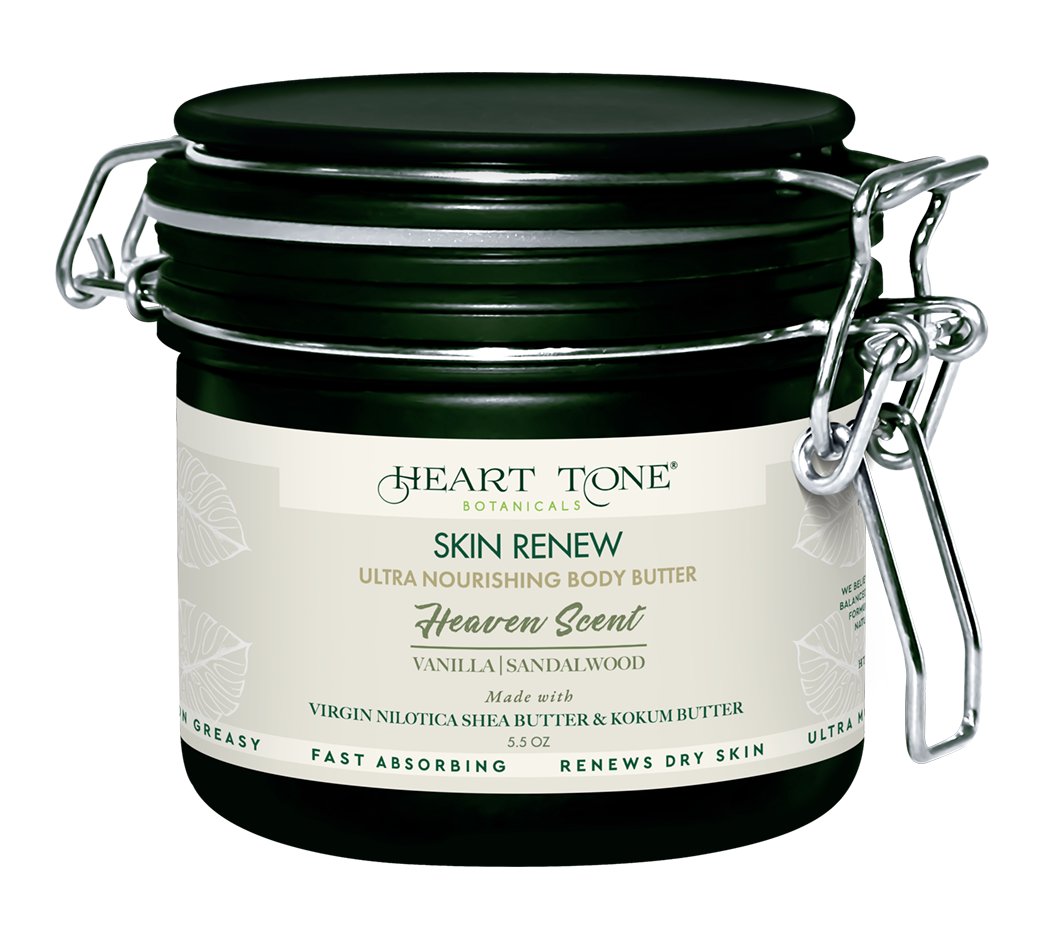
The Botanical Renew Body Butter from Heart Tone Botanicals is formulated with Virgin Nilotica Shea Nut Butter, Kokum Butter, Meadowfoam Seed Oil, Organic Arrowroot Powder, Elderberry Extract, and Non-GMO Vitamin E — available in three scent profiles: Heavenly Scent (vanilla and sandalwood), Bohemia (lemon verbena and bergamot), and Day Dream (lavender and neroli). The shea and kokum butters provide the moisture-rich base, the meadowfoam seed oil keeps the texture light rather than waxy, and the arrowroot powder helps the finished butter absorb with a non-greasy after-feel rather than sitting on the surface of the skin.
The Bottom Line
Meadowfoam seed oil isn't a flashy ingredient, and it isn't marketed as one — it's a formulation workhorse. Its job is to keep a rich body butter from feeling heavy, to help the finished product stay stable on the shelf, and to round out the texture of a formula built on real botanical fats rather than synthetic fillers. When you see it on an ingredient list next to shea or kokum butter, that's usually a sign the formulator was thinking about how the product would actually feel on skin, not just what would sound good on the label.
To see how it's used in a finished formula, explore the full Heart Tone Botanicals body care collection — body butter, botanical skin gel, aluminum-free deodorant, and castile soap, all built on named botanical ingredients.

Leave a comment
This site is protected by hCaptcha and the hCaptcha Privacy Policy and Terms of Service apply.