

Most exfoliating products at the drugstore contain synthetic microbeads, harsh chemical abrasives, or plastic-derived particles that irritate your skin and end up in the waterways. The good news? Nature has been exfoliating skin for thousands of years — and doing it better.

This guide covers everything you need to know about how to exfoliate your body naturally: what it actually does, which methods work best, how often to do it, and which whole-ingredient products belong in your routine.
Why Exfoliation Actually Matters
Your skin renews itself roughly every 28 days. As new skin cells form underneath, old dead cells accumulate on the surface — creating a dull, rough, flaky barrier that blocks moisturizers from absorbing properly, clogs pores, and makes skin look flat.
Natural exfoliation removes that dead layer. Done right, it:
- Reveals brighter, smoother skin underneath
- Improves absorption of body butters, oils, and moisturizers
- Reduces rough patches on elbows, knees, heels, and shoulders
- Helps prevent body acne by keeping pores clear
- Stimulates circulation, which gives skin a healthy glow
- Primes skin before shaving for a cleaner, smoother result and fewer ingrown hairs
The key phrase is done right. Over-exfoliating — scrubbing too hard, too often, or with particles that are too coarse — strips the skin's protective barrier and causes irritation, redness, and sensitivity. Natural exfoliation is about working with your skin, not against it.
The Two Types of Natural Exfoliation
Physical Exfoliation
Physical exfoliants use texture — gentle abrasion — to manually lift and remove dead skin cells. The best natural physical exfoliants include:
- Finely ground botanical particles (oat flour, rice bran, almond powder)
- Natural clay minerals
- Sea salt and fine sugar (for thicker-skinned areas like elbows and feet)
- Plant-based exfoliating soaps like Moroccan black soap, which soften and loosen dead cells through a combination of olive oil saponification and gentle scrubbing
Enzymatic Exfoliation
Enzymatic exfoliants use naturally occurring plant enzymes — found in papaya, pumpkin, and other botanicals — to dissolve the bonds holding dead skin cells together without any scrubbing at all. These are gentler and ideal for sensitive or reactive skin.
Which Is Right for You?
- Normal to oily skin: physical or enzymatic, 1–2 times per week
- Dry or sensitive skin: gentle enzymatic exfoliants or very fine physical particles, once per week
- Rough patches (elbows, knees, heels): slightly coarser physical exfoliation, 2–3 times per week
- Body acne or back congestion: gentle physical + anti-bacterial natural soaps, 2x per week
The Star of Natural Body Exfoliation: Moroccan Black Soap
If there's one natural exfoliation ritual that deserves a spotlight, it's the traditional Moroccan hammam — and at its center is black soap (savon beldi).
Moroccan black soap has been used in North African wellness culture for centuries. It's made from fermented olive paste — rich in vitamins E and K, oleic acid, and natural glycerin — saponified to create a soft, gel-like soap that both cleanses and conditions while loosening dead skin cells for removal.
Unlike harsh scrubs with synthetic abrasives, black soap works chemically as well as physically. The olive oil compounds soften and lift dead skin, while the natural saponins deep-clean without stripping. When combined with an exfoliating mitt or loofah, the results are dramatic — rolls of dead skin lift away to reveal noticeably smoother, brighter skin beneath.
How to use Moroccan black soap for exfoliation:
- Warm your skin first. Shower or soak in warm water for 5–10 minutes to soften skin and open pores.
- Apply a thin layer. The soap is concentrated — a small, hazelnut-sized amount goes a long way. Spread it evenly over damp skin.
- Let it sit 3–5 minutes. This is where the magic happens. The olive compounds penetrate and soften dead cell bonds.
- Exfoliate with a mitt or loofah. Use gentle circular or back-and-forth motions. You'll see small rolls of dead skin — that's completely normal and the whole point.
- Rinse well, then follow with a moisturizer or body butter while skin is still slightly damp.
- Frequency: Once a week for most people; twice a week for oilier or rougher skin.
Heart Tone's Moroccan Exfoliating Black Soap comes with a free Egyptian loofah sponge — the traditional pairing for a proper hammam experience. No plastic. No synthetic fragrance. Just centuries-old botanical wisdom in a modern routine.
Castile Soap: The Everyday Natural Cleanser That Gently Exfoliates
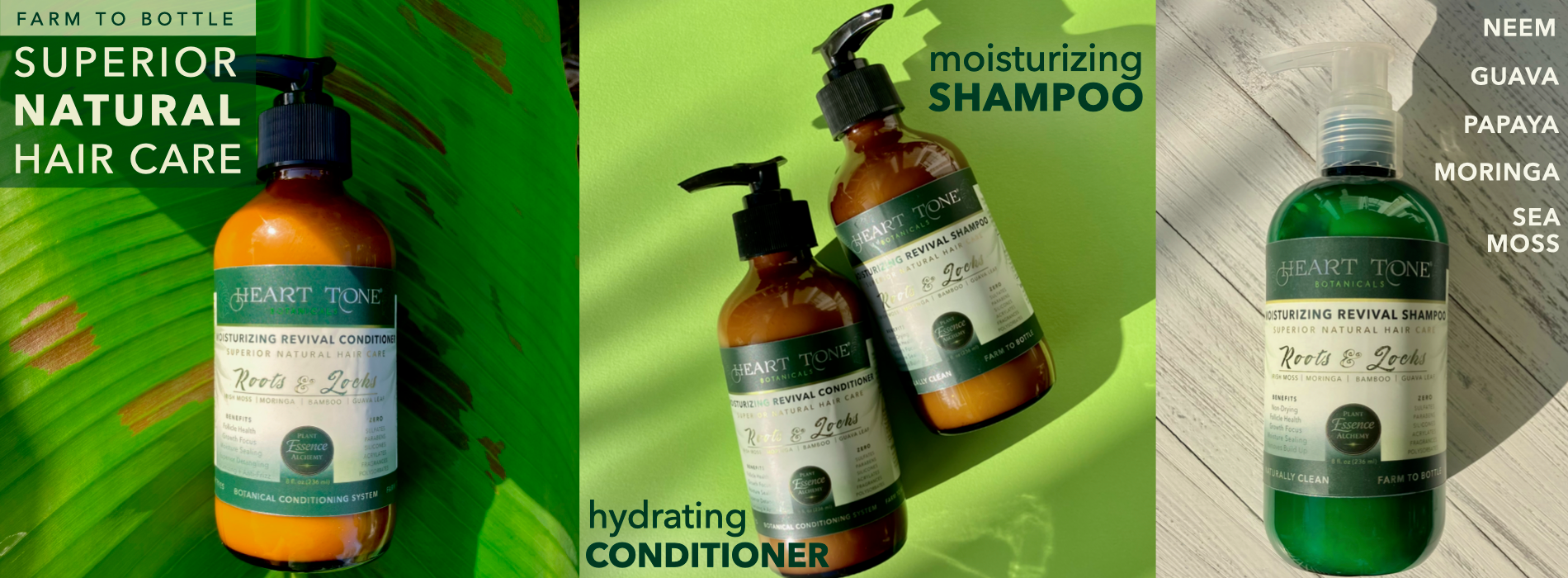
You don't need a special scrub product for daily maintenance exfoliation. A genuine castile soap — made from plant oils like olive, coconut, and hemp — provides mild, ongoing exfoliation every time you shower through the action of natural saponins removing surface buildup without stripping the skin barrier.
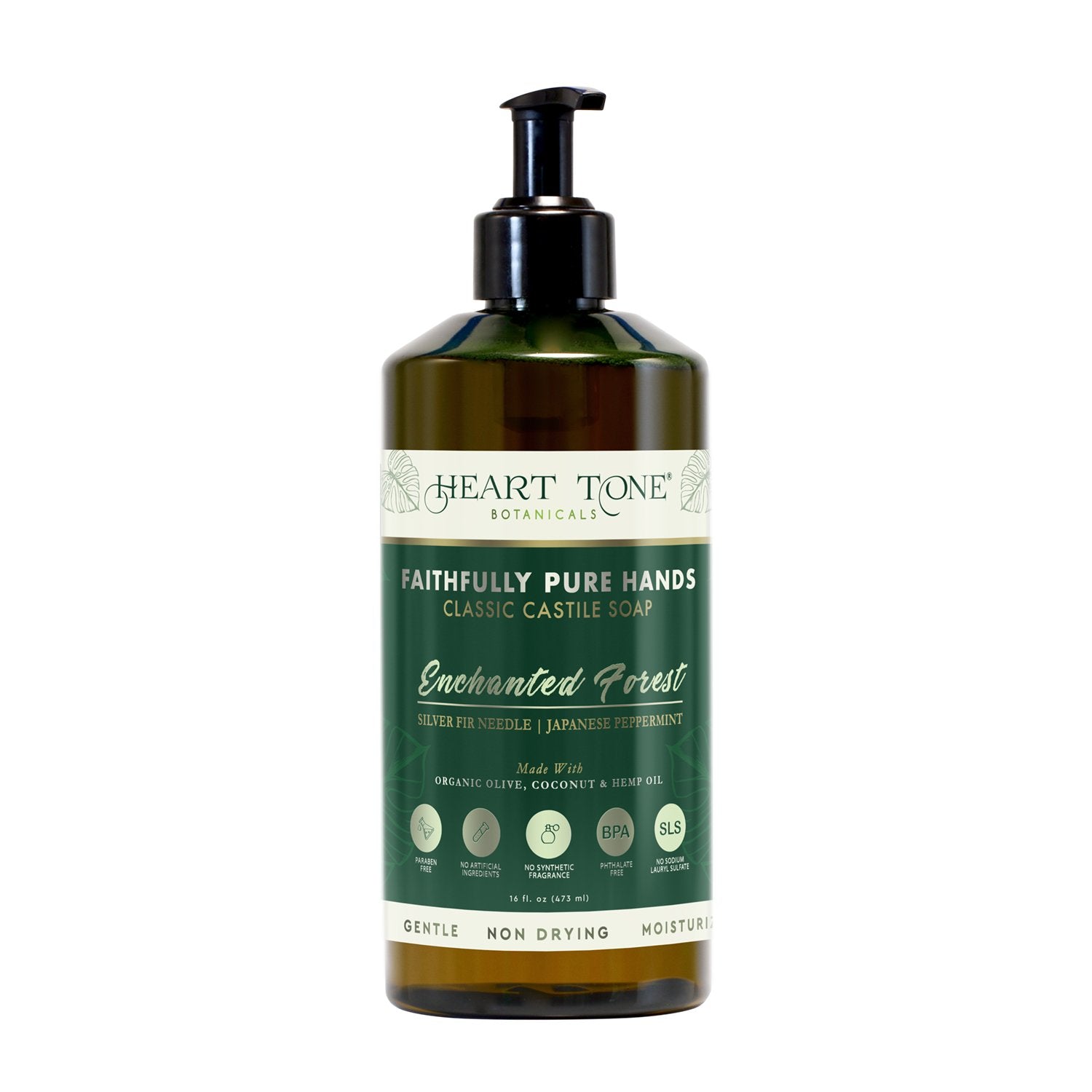
Herbal Castile Liquid Soap and the Faithfully Pure Hands Castile Liquid Soap range are made with real plant oils and botanical extracts. Unlike synthetic body washes with surfactants that disrupt the skin microbiome, castile soap maintains a gentle, sustainable cleanse — making it an excellent complement to a weekly black soap exfoliation session.
For a basic daily + weekly exfoliation routine:
- Daily: Castile soap body wash with a soft bath cloth
- Weekly: Moroccan black soap ritual with an exfoliating mitt
- Post-exfoliation: Rich botanical moisturizer
What to Do After Exfoliation (This Part Matters More Than Most People Think)
Freshly exfoliated skin is like a clean canvas — and also temporarily more vulnerable. The top layer of dead cells, while dull, does provide some barrier protection. Once removed, your skin is primed to absorb everything — which means this is the optimal window for moisturizing.
Apply moisturizer within a few minutes of stepping out of the shower, while skin is still slightly damp. The best options:
Botanical Renew Body Butter — A rich, plant-based body butter made with shea, mango, and botanical oils that locks in hydration and supports skin renewal. This is exactly what freshly exfoliated skin is waiting for. The absorption is noticeably deeper when applied right after exfoliation.

Botanical Skin Gel — A lighter option for warmer months or oilier skin types that still delivers deep botanical moisture without heaviness.
Both are free from synthetic emulsifiers, petrochemicals, and artificial fragrances — which matters even more on freshly exfoliated skin when absorption is at its peak.
Natural Exfoliation Mistakes to Avoid
1. Scrubbing too hard
More pressure does not equal better results. Dead skin cells are loosely attached — gentle circular motion is all that's needed. Aggressive scrubbing causes micro-tears in the skin surface and sets off inflammation.
2. Exfoliating every day
Your skin needs time to rebuild after exfoliation. For most skin types, 1–2 times per week is optimal. Daily exfoliation breaks down the moisture barrier and leads to dryness, redness, and sensitivity.
3. Using products with synthetic abrasives
Walnut shell powder, apricot kernel fragments, and plastic microbeads all have irregular, jagged edges that cause microscopic cuts in the skin. Natural alternatives — oat flour, sugar, or black soap — are smooth and rounded, making them far gentler at the surface level.
4. Skipping moisturizer after
This is the most common exfoliation mistake. Every exfoliation session should end with a moisturizer applied immediately after patting skin dry. Without it, you're removing the protective layer without replacing the moisture it was holding in.
5. Exfoliating sunburned, irritated, or broken skin
Give any compromised skin time to heal first. Exfoliation on irritated skin adds stress to a barrier that's already struggling.
Building Your Natural Body Exfoliation Routine
Here's a simple framework you can start this week:
Once or twice a week (Black Soap Session):
- Warm shower or bath for 5–10 minutes
- Apply Heart Tone Moroccan Exfoliating Black Soap, let sit 3–5 min
- Exfoliate with the included Egyptian loofah in gentle circles
- Rinse, pat dry
- Apply Botanical Renew Body Butter immediately while skin is still slightly damp
Daily maintenance:
- Shower with Herbal Castile Liquid Soap or a Faithfully Pure Castile variant
- Use a soft bath cloth or loofah with light pressure for gentle daily maintenance
- Follow with a light body moisturizer as needed
Monthly deep treatment (for very rough or dry areas):
- Soak feet, elbows, knees in warm water
- Apply black soap, leave 10 minutes
- Exfoliate with mitt, rinse
- Apply body butter generously, leave on overnight if possible
Why Whole-Ingredient Products Make the Difference
The conventional beauty industry has conditioned us to think more ingredients = better results. The opposite is often true. Skin responds to what it recognizes — plant oils, botanical extracts, and simple saponified soaps that have supported human skin health for thousands of years.
When you exfoliate with Moroccan black soap and moisturize with a plant-based body butter, you're giving your skin actual nutrients — oleic acid, vitamin E, phytosterols, antioxidants — instead of synthetic stand-ins.
The result isn't just smoother skin today. It's a skin barrier that gets progressively healthier, more resilient, and more self-regulating over time.
Explore the full Body Care collection at Heart Tone Botanicals to find the products that fit your routine.
Heart Tone Botanicals handcrafts all products in small batches from real botanical ingredients. No petrochemicals, no synthetic fragrance, no shortcuts.

Leave a comment
This site is protected by hCaptcha and the hCaptcha Privacy Policy and Terms of Service apply.