

Walk through any beauty aisle and you'll see the words "natural" and "organic" plastered across nearly every label. They're often used interchangeably, as if they mean the same thing. They don't. And understanding the difference isn't just trivia — it's one of the most practical skills you can develop as a conscious beauty consumer.

Here's the truth: one of these words is regulated, verifiable, and traceable. The other is almost entirely a marketing term that any brand can slap on any product with zero accountability.
The Short Answer
Natural = from nature. Organic = from nature AND grown under certified, regulated farming standards.
Every organic ingredient is also natural. But not every natural ingredient is organic. That's the whole thing. But let's go deeper, because the implications for your skin — and for the planet — are significant.
What "Natural" Actually Means on a Label
When a brand calls its product "natural," it means the ingredients are derived from nature rather than synthesized in a lab. Plant oils, botanical extracts, fruit acids, clay minerals, beeswax — these are natural ingredients. So far, so good.
Here's the catch: "natural" is not a regulated term in the United States. There is no federal definition, no required certification, and no third party checking whether a product called "natural" actually lives up to that claim. A shampoo could contain 90% synthetic ingredients and still put "natural" on the front label — legally.
This is why you can find "natural" products with ingredient lists full of synthetic preservatives, synthetic surfactants, and petroleum-derived compounds. The word natural on the front label tells you almost nothing about what's inside the bottle.
That doesn't mean all natural products are deceptive. Many genuinely clean brands use "natural" accurately. But the label alone gives you no protection. You still need to read the ingredient list.
What "Organic" Actually Means on a Label
Organic is different. In the U.S., "organic" is a regulated agricultural term governed by the USDA's National Organic Program. When a beauty product carries a USDA Organic seal, it means:
- At least 95% of the agricultural ingredients were grown without synthetic pesticides, synthetic fertilizers, or GMOs
- The farming and processing methods were audited by an accredited third-party certifier
- The brand can document exactly where each ingredient came from and how it was grown
Products labeled "Made With Organic Ingredients" must contain at least 70% organic ingredients — still a meaningful threshold, but a step below the full USDA Organic seal.
The key point: organic certification creates accountability. The brand has to prove what they're claiming. That's fundamentally different from "natural," where no proof is required.
What This Means for Small Farms Like JD's
At Heart Tone Botanicals, our founder JD grows many of our key botanical ingredients on his farm in Vero Beach, Florida. That hands-on relationship with the land is part of what makes our products different — we know exactly what goes into the soil, what gets applied to the plants, and what ends up in the formulas we make.
This is the farm-to-bottle philosophy: not just sourcing from nature, but sourcing from a specific, known place with transparent growing practices. For a small farm operation, third-party organic certification can be cost-prohibitive and administratively burdensome. That's a real challenge many small producers face — they may grow cleaner than certified-organic farms while not having the certification to prove it on paper.
What we can tell you is what we use and what we don't. That level of transparency is what actually matters, whether a product has a certification seal or not.

Clean Beauty: The Third Term in This Conversation
You'll also hear "clean beauty" — a third term that gets confused with both natural and organic. Clean beauty is focused less on how ingredients were grown and more on what isn't in the formula. A clean beauty product avoids certain ingredients of concern: parabens, synthetic fragrances, phthalates, formaldehyde-releasing preservatives, and others that have raised safety questions.
Clean beauty can include some synthetic ingredients — as long as those specific ingredients have a strong safety track record. So a clean beauty product might not be natural or organic by strict definitions, but it may be carefully formulated with safety as the primary filter.
Here's a simple breakdown:
- Natural: Ingredients from nature. Unregulated term. Read the full label.
- Organic: Ingredients from nature, grown under certified agricultural standards. Regulated. Look for USDA Organic or equivalent certifier.
- Clean: Formulated without specific harmful or high-concern ingredients. Not a regulated term, but a meaningful commitment when backed by a transparent avoid list.
A product can be all three — or just one — or none of the above while still being effective. These terms describe origin and formulation philosophy, not clinical efficacy.
Does Organic Skincare Actually Work Better?
This is a fair question, and the honest answer is: not automatically. Organic and natural refer to sourcing and farming practices, not to how well an ingredient performs on skin. An organically grown shea butter and a conventionally grown shea butter have very similar molecular profiles. The performance difference is likely minimal.
Where organic sourcing may matter more:
- Pesticide residue. Synthetic pesticides used in conventional farming can leave trace residues on plant material. For ingredients used at high concentrations in leave-on products — like a face oil or a body butter — some consumers prefer to minimize even trace pesticide exposure. The research here is still developing, but the concern is reasonable.
- Environmental impact. Organic farming generally reduces synthetic chemical runoff, supports soil health, and protects pollinators. If ecological impact matters to you in your purchasing decisions, organic sourcing is more traceable.
- Transparency and trust. Certification creates a paper trail. If you want accountability from a brand, the organic certification process is more rigorous than most other label claims.
How to Actually Read a Beauty Label
Whether a product calls itself natural, organic, or clean, here's how to evaluate it honestly:
- Flip to the full ingredient list — this is the INCI (International Nomenclature of Cosmetic Ingredients) list required by the FDA. The front label is marketing. The ingredient list is facts.
- Look for certifications with named certifiers. "USDA Organic" certified by a named organization means something. "Organic blend" with no certifier means almost nothing.
- Check ingredient position. Ingredients are listed in descending order of concentration. If the "botanical extract" you're buying the product for appears near the bottom of a long list, it's probably present in a negligible amount.
- Watch for synthetic fragrance. Listed simply as "fragrance" or "parfum," this single ingredient can contain dozens of undisclosed synthetic compounds — often the single biggest question mark in an otherwise natural formula. We don't use it in our products.
- Use resources like the EWG Skin Deep database to look up individual ingredients if something gives you pause.
Why We Keep It Simple
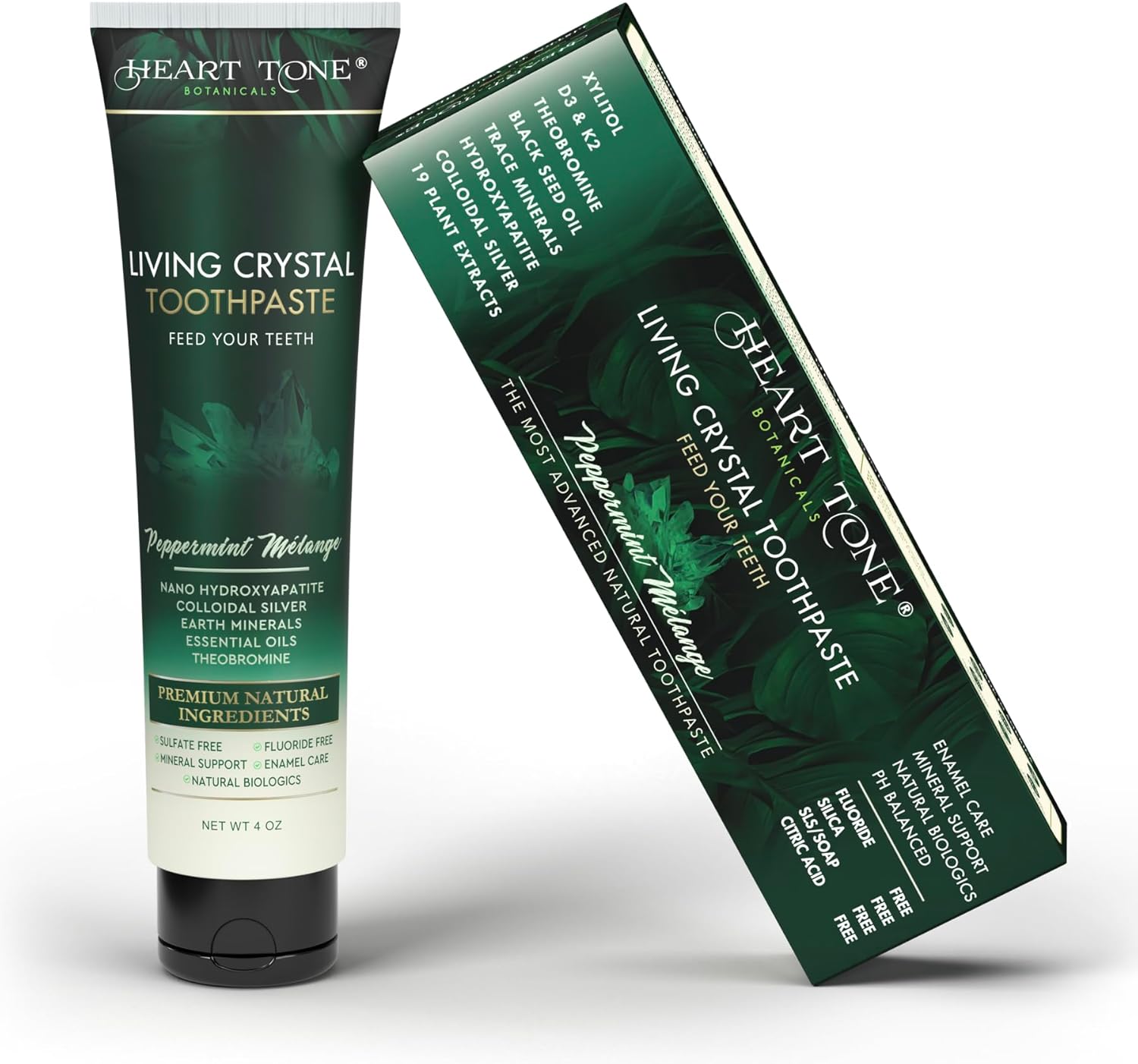
At Heart Tone Botanicals, we don't chase label claims. We focus on formulating with botanically derived ingredients, keeping our ingredient lists short and legible, and being upfront about everything we use. Our full product line is built on that foundation — whether you're looking for a body care routine or oral health products rooted in plants rather than chemistry lab synthetics.
The natural vs organic distinction matters because it helps you see through marketing noise. But the deeper principle is simpler: find brands that are willing to show you exactly what's in the bottle. That transparency — not any single certification — is the real signal of a brand you can trust.
The Bottom Line
"Natural" tells you where ingredients came from. "Organic" tells you how they were grown and gives you a certifier to verify that claim. "Clean" tells you what a brand has chosen to leave out. None of these terms, alone, tells you whether a product will work for your skin or whether it's the right choice for you.
What matters most: a readable ingredient list, a brand willing to be transparent about sourcing and formulation, and a clear understand of what your skin actually needs. Start there, and the label language starts to sort itself out.
Have questions about ingredients in any of our products? We're always happy to explain exactly what's in the formula — and why. Browse our full collection at Heart Tone Botanicals.

Leave a comment
This site is protected by hCaptcha and the hCaptcha Privacy Policy and Terms of Service apply.