

If your gums bleed when you brush, feel tender, or look a little puffy, you're not alone — and you're not stuck with it. Most gum problems start as mild inflammation (gingivitis), and the good news is that natural, consistent care can make a real difference before things ever progress.

But the wellness space is full of noise on this topic. Some remedies are backed by solid research. Others are folklore passed off as science. This post is designed to cut through it — giving you what's actually worth trying, what to skip, and how to build a routine that supports genuinely healthy gums for the long term.
Why Gums Become Inflamed in the First Place
Gum inflammation almost always traces back to one thing: plaque buildup at the gumline. Plaque is a sticky biofilm of bacteria that forms on teeth throughout the day. When it isn't removed consistently, the bacteria produce acids and toxins that irritate the surrounding gum tissue.
The result? Redness, swelling, bleeding when brushing, and — if left unchecked — eventual gum recession and bone loss. But here's the critical insight: the right ingredients can meaningfully change the bacterial environment in your mouth, reducing the burden on your gums and giving tissue a real chance to heal.
Natural Ingredients That Are Actually Backed by Research
1. Aloe Vera
Pure aloe vera gel has shown anti-plaque and anti-gingivitis properties in clinical trials, including the ability to reduce gingival bleeding when applied directly to irritated gum tissue. It works because of its natural antimicrobial and anti-inflammatory compounds. Look for it in your toothpaste or rinse — or apply a small amount of pure gel to swollen areas for a few minutes before rinsing.
2. Calendula (Pot Marigold)
This ancient flower isn't just for skin. Calendula extract has demonstrated meaningful anti-inflammatory activity in the oral cavity, helping to calm irritated gum tissue without the harshness of synthetic antibacterial agents. It's particularly valuable for people whose gums are sensitive rather than actively infected.
3. Neem
Neem is one of the most well-studied herbal ingredients in oral care. Research shows it can reduce plaque formation and inhibit the bacteria most responsible for gingivitis — including Streptococcus mutans. Used in toothpaste or rinse form, neem provides antimicrobial support without disrupting the broader oral microbiome the way chlorhexidine can.
4. Green Tea Extract
The catechins in green tea — especially EGCG — are potent anti-inflammatories. Studies have found that green tea dentifrices can reduce markers of gum disease including pocket depth and gingival bleeding. Even drinking unsweetened green tea daily appears to support gum health over time, likely due to sustained antioxidant exposure.
5. Clove Oil
Clove contains eugenol, a natural compound with well-documented antibacterial, anti-inflammatory, and analgesic properties. It's one of the few herbal ingredients that conventional dentistry acknowledges — it's been used in professional dental products for decades. A small amount in toothpaste or rinse can help address gum tenderness and the bacteria driving it.
6. Xylitol
Xylitol isn't just about cavities — it also inhibits the adhesion of harmful bacteria to gum tissue and has been shown to reduce plaque levels when used regularly. It's a smart addition to natural toothpaste because it supports both gum and enamel health simultaneously, without requiring fluoride.
7. Mineral-Rich Formulas (Hydroxyapatite, Colloidal Minerals)
Healthy gums depend on more than just soft tissue — they depend on the underlying mineral environment of your teeth and bone. Toothpastes that include hydroxyapatite or naturally derived minerals like those found in deep-sea or crystalline mineral sources provide the raw material for tooth remineralization, which reduces the bacterial acid cycle that drives gum inflammation in the first place.
This is one reason Heart Tone's Living Crystal Toothpaste has developed a loyal following — it combines botanical antimicrobials with a mineral-rich base that supports gum tissue without synthetic detergents or harsh abrasives. No SLS, no artificial ingredients — just a formula designed to work with your mouth's natural biology.
What About Oil Pulling?
Oil pulling — swishing a tablespoon of coconut or sesame oil for 10–20 minutes — has roots in Ayurvedic medicine and has been the subject of several small clinical studies. The evidence is limited but generally positive for reducing bacteria counts and mild gum inflammation. It's safe as an adjunct to your regular routine, but shouldn't replace brushing and flossing.
If you try it, use unrefined coconut oil, swish gently for 10–15 minutes, spit into the trash (not the sink — it solidifies), then rinse and brush. Some people find it helps with morning breath as well.

Saltwater Rinses: Simple and Effective
Don't underestimate this one. A warm saltwater rinse — ½ teaspoon of sea salt dissolved in a glass of warm water — is a natural disinfectant that soothes inflamed tissue and temporarily raises oral pH, making conditions less hospitable to harmful bacteria. It won't replace a proper rinse or toothpaste, but used 2–3 times daily during a flare-up, it genuinely helps.
The Role of a Good Natural Mouth Rinse
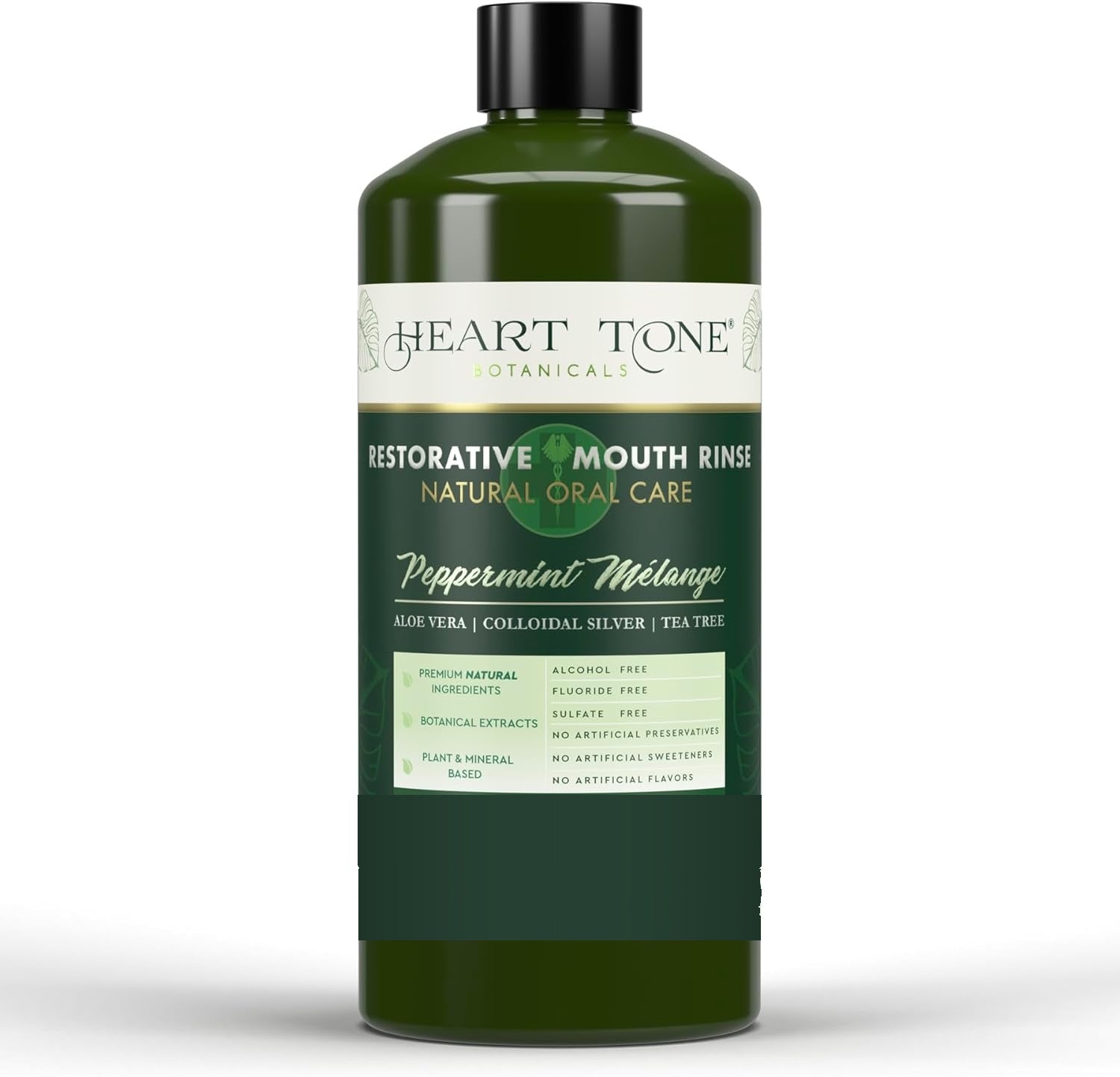
Many people focus only on toothpaste and miss the opportunity that a daily rinse provides: reaching the areas between teeth and under the gumline that brushing can't fully access. A botanical rinse — one made with herbal extracts, essential oils, and without alcohol — can extend the anti-inflammatory and antimicrobial work your toothpaste starts.
Our Natural Mouth Wash collection includes formulas designed for exactly this — supporting gum tissue with botanicals rather than disrupting your oral microbiome with alcohol or chlorhexidine.
The Habits That Matter More Than Any Product
No ingredient — natural or synthetic — outperforms consistent physical plaque removal. Here's the non-negotiable baseline:
- Brush twice daily with a soft-bristled brush held at a 45° angle to the gumline. This angle is what lets the bristles reach just below the gum margin where plaque accumulates.
- Floss or use an interdental brush every day. The spaces between your teeth are where gingivitis almost always starts. No toothpaste replaces this.
- Rinse after brushing — and don't rinse out all the toothpaste. Let the active ingredients sit on your gums for a few minutes.
- Watch your diet. Sugar and refined carbohydrates feed the bacteria driving gum inflammation. Leafy greens, vitamin C-rich foods, and omega-3 fatty acids actively support gum tissue repair.
- Stay hydrated. A dry mouth allows bacteria to thrive. Water throughout the day helps keep the bacterial load balanced.
When to See a Dentist
Natural remedies are genuinely effective for early-stage gum problems — mild bleeding, tenderness, puffiness. But they have real limits. If you notice:
- Gums that bleed consistently for more than two weeks despite improved hygiene
- Gum recession (teeth looking longer than they used to)
- Teeth that feel loose or shifting
- Persistent bad breath that doesn't improve with brushing and rinsing
...see a periodontist. Advanced gum disease involves bacterial communities that live below the gumline in ways that home care can't fully address. Early professional intervention is far less invasive (and expensive) than treating later-stage disease.
Building Your Natural Gum Health Routine
Here's what an evidence-based, fully natural gum care routine looks like in practice:
- Morning: Brush 2 minutes with a mineral-rich, botanical toothpaste like Living Crystal Toothpaste. Rinse with a botanical mouth rinse.
- Midday (optional): Drink unsweetened green tea. Rinse with water after meals.
- Evening: Floss, then brush again. Apply a small amount of aloe gel or use a herbal rinse if gums are tender. Consider oil pulling 2–3 times per week.
Consistency matters more than any single ingredient. Gum tissue can recover remarkably well when the bacterial environment is consistently managed — but it takes weeks, not days.
The Bigger Picture
Your gums are a window into your overall health. Research continues to find connections between gum disease and cardiovascular health, blood sugar regulation, and systemic inflammation. Taking gum health seriously isn't vanity — it's a meaningful part of caring for your whole body.
Natural doesn't mean ineffective. With the right ingredients and consistent habits, you can support genuinely healthy gums without synthetic chemicals, harsh detergents, or ingredients your body has to work to process.
Explore our full Oral Care collection — every product is formulated with botanical integrity and a real understanding of what your mouth actually needs.
Your gums work hard for you. Give them the care they deserve — naturally.

Leave a comment
This site is protected by hCaptcha and the hCaptcha Privacy Policy and Terms of Service apply.