

You've probably seen "clean beauty" splashed across product labels, Instagram feeds, and wellness blogs. But what does it actually mean — and how do you know if a product is genuinely clean or just cleverly marketed?

If you're new to this space, the noise can feel overwhelming. That's why we built this guide: straightforward, honest, no fear-mongering. Just the information you need to make smarter choices for your body.
What "Clean Beauty" Actually Means
Here's the honest truth: "clean beauty" isn't a regulated term. There's no FDA certification for it. No universal standard. Any brand can print "clean" on a label and mean something different.
In practice, clean beauty generally means products formulated without a specific list of ingredients that have raised health, safety, or environmental concerns — things like synthetic fragrances, parabens, phthalates, and formaldehyde-releasing preservatives.
But the definition varies. One brand's "clean" list has 50 ingredients to avoid; another brand's has 500. This is why reading ingredient labels yourself — rather than relying solely on front-of-label claims — is one of the most important skills you can develop.
Why People Make the Switch
There are a few common reasons people start exploring clean beauty:
- Skin sensitivity — synthetic fragrances and preservatives are among the most common triggers for contact dermatitis and irritation
- Hormonal concerns — some preservatives (like certain parabens) and plasticizers (like phthalates) are endocrine disruptors at high exposure levels
- Environmental impact — many conventional beauty chemicals don't break down in waterways and accumulate in marine ecosystems
- Transparency — a growing number of consumers simply want to know what they're putting on their skin, and many conventional brands make that harder than it needs to be
None of this means everything "conventional" is dangerous or that everything "natural" is safe. Context, dose, and formulation all matter. Clean beauty at its best is about making more informed choices — not about fear.
The Ingredients Worth Knowing About
If you want to start somewhere, here are the ingredients most commonly flagged in clean beauty circles — and why:
Synthetic Fragrance (listed as "Fragrance" or "Parfum")
This single ingredient can mask hundreds of individual chemicals under one word, including potential allergens and sensitizers. "Fragrance-free" is generally a safer starting point than "unscented" — the latter can still contain masking fragrance to cover up ingredient odors.
Parabens (methylparaben, propylparaben, butylparaben)
Common preservatives that have been studied for their potential to mimic estrogen in the body. The research is still evolving, but many clean brands avoid them as a precaution — and effective paraben-free preservation is widely achievable today.
Phthalates
Often found in synthetic fragrances and some nail products, phthalates are plasticizers linked in some studies to hormone disruption. They're rarely listed by name — they hide in "fragrance."
Formaldehyde-Releasing Preservatives
Ingredients like DMDM hydantoin, quaternium-15, and imidazolidinyl urea slowly release formaldehyde in the product over time. They're effective but controversial — and increasingly replaced in clean formulations.
Sulfates (specifically SLS/SLES in rinse-off products)
Sodium lauryl sulfate and sodium laureth sulfate are powerful surfactants that create rich lather. They can be stripping for some skin types and dry scalps, though for most people they're not a serious health concern. Gentler alternatives abound.
How to Start: One Product at a Time
The single most common mistake beginners make: trying to replace everything at once. Don't. You'll spend a lot of money, overwhelm your skin with new ingredients, and make it impossible to figure out what's actually working.

Instead, start with the products you use most, leave on longest, or apply to the largest surface area:
- Body wash or bar soap — high-contact, daily use
- Deodorant — applied near lymph nodes, left on all day
- Toothpaste — oral mucosa is highly absorptive
- Body lotion or butter — large surface area, leave-on
- Shampoo & conditioner — scalp absorption matters
Replace each one as it runs out. This approach is budget-friendly, low-stress, and gives your skin time to adjust.
Where Heart Tone Botanicals Fits In
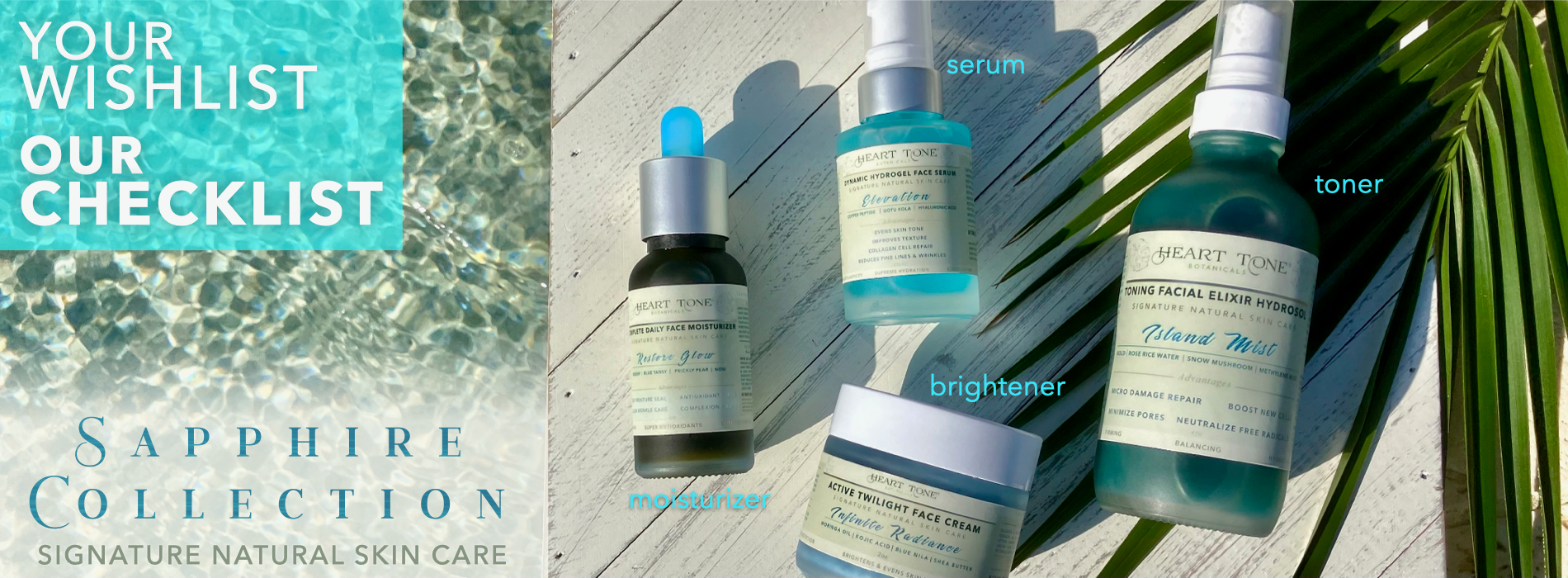
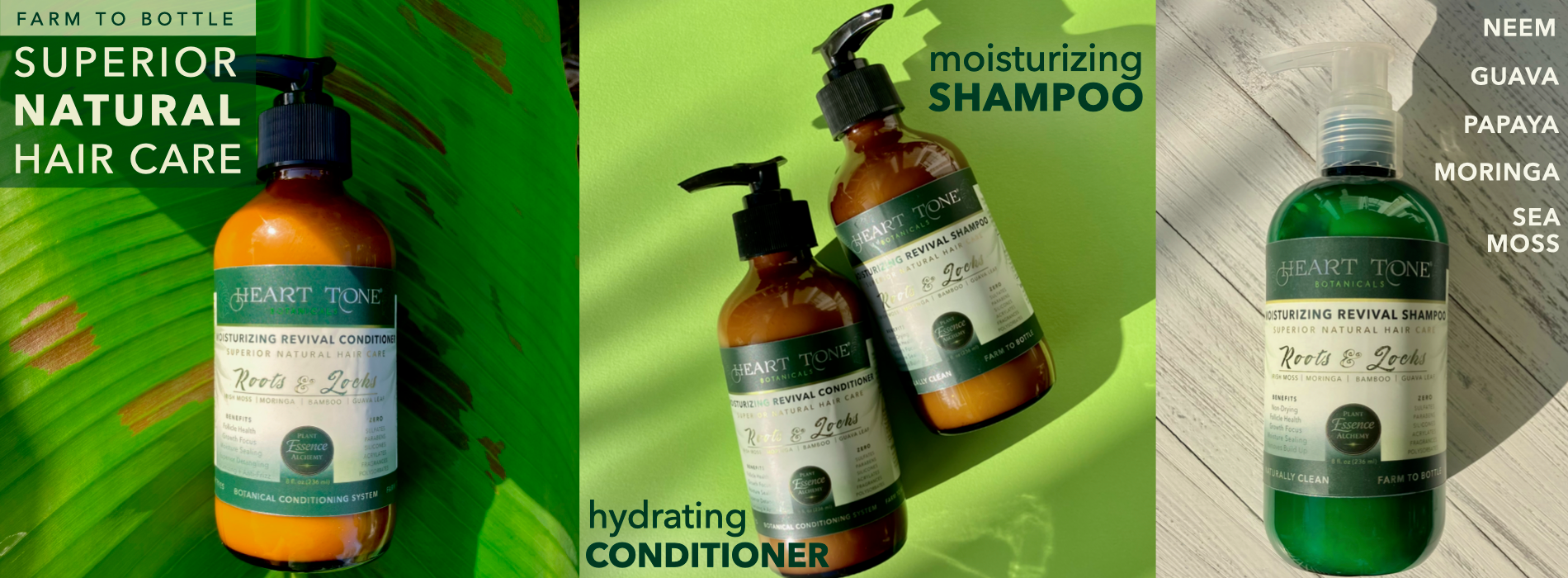
At Heart Tone Botanicals, we believe clean beauty should be legible — meaning you should be able to read our ingredient lists and actually understand what's in the bottle. JD grows and harvests many of the botanicals on his farm in Vero Beach, Florida. That farm-to-bottle process means fewer steps between plant and product, and more control over what goes in.
We don't use synthetic fragrances, parabens, or artificial preservative cocktails. We don't need to — when you start with genuinely good botanicals, you don't need a chemistry lab to compensate.
A few places to start if you're making the switch with us:
- Ancient Organic Bar Soap — a clean, hard-working bar with a short, readable ingredient list. Available in multiple scent profiles, all botanically sourced.
- Bioactive Deodorant — baking-soda-free, fragrance-formulated with essential oils (not synthetic parfum), and actually effective.
- Living Crystal Toothpaste — our fluoride-free, remineralizing formula made without synthetic sweeteners or artificial colors.
- Faithfully Pure Castile Soap — versatile, plant-based liquid soap that works for body, hands, and even household use.
- Botanical Renew Body Butter — a rich, leave-on moisturizer made with plant butters and botanical oils. No synthetic emulsifiers or fragrance.
You can also explore our full Bath & Body collection or our complete store if you want to see everything we make.
How to Read a Label: The Quick Version
INCI (International Nomenclature of Cosmetic Ingredients) is the standard system for listing ingredients. A few rules of thumb:
- Ingredients are listed highest to lowest concentration — if water is #1, you know the base. If an expensive botanical is #18, it's probably trace-level marketing.
- "Fragrance" or "parfum" as a single entry = unknown blend. Look for brands that specify "essential oil blend" or list individual oils.
- Short lists aren't always better — some effective, safe products have longer lists. Focus on recognizing ingredients, not counting them.
- "-eth" and "PEG-" prefixes often signal ethoxylated ingredients — a processing method that can introduce trace contaminants. Not a red flag for everyone, but worth knowing.
If an ingredient stops you cold and you can't find plain-language info in 30 seconds of searching, that's a sign the brand could do more to explain their choices. Transparency shouldn't be a scavenger hunt.
A Note on "Natural" vs. "Clean"
These terms aren't synonyms. "Natural" means derived from nature — but nature includes plenty of irritants, allergens, and toxins. "Clean" is more about what's excluded than what's included. A product can be natural and still problematic (think: certain essential oils at high concentrations on sensitive skin). A product can be synthetic and perfectly safe.
The most useful question isn't "is this natural?" — it's "do I know what this is, and do I trust the brand that made it?"
Getting Started: A Simple Checklist
- ✅ Replace your highest-contact products first (soap, deodorant, toothpaste)
- ✅ Look for "fragrance-free" instead of "unscented" when possible
- ✅ Read the ingredient list, not just the front label
- ✅ Give new products 2–4 weeks before judging — your skin needs time to adjust
- ✅ Don't throw everything out at once — swap as products run out
- ✅ Trust brands that tell you exactly what's in the bottle and why
The clean beauty transition isn't about perfection. It's about moving in a direction — away from unnecessary chemicals and toward products you feel good about using. That's a journey worth taking at whatever pace works for you.
If you want to explore where to start, browse Heart Tone Botanicals — or if you have questions, we're here.

Leave a comment
This site is protected by hCaptcha and the hCaptcha Privacy Policy and Terms of Service apply.