












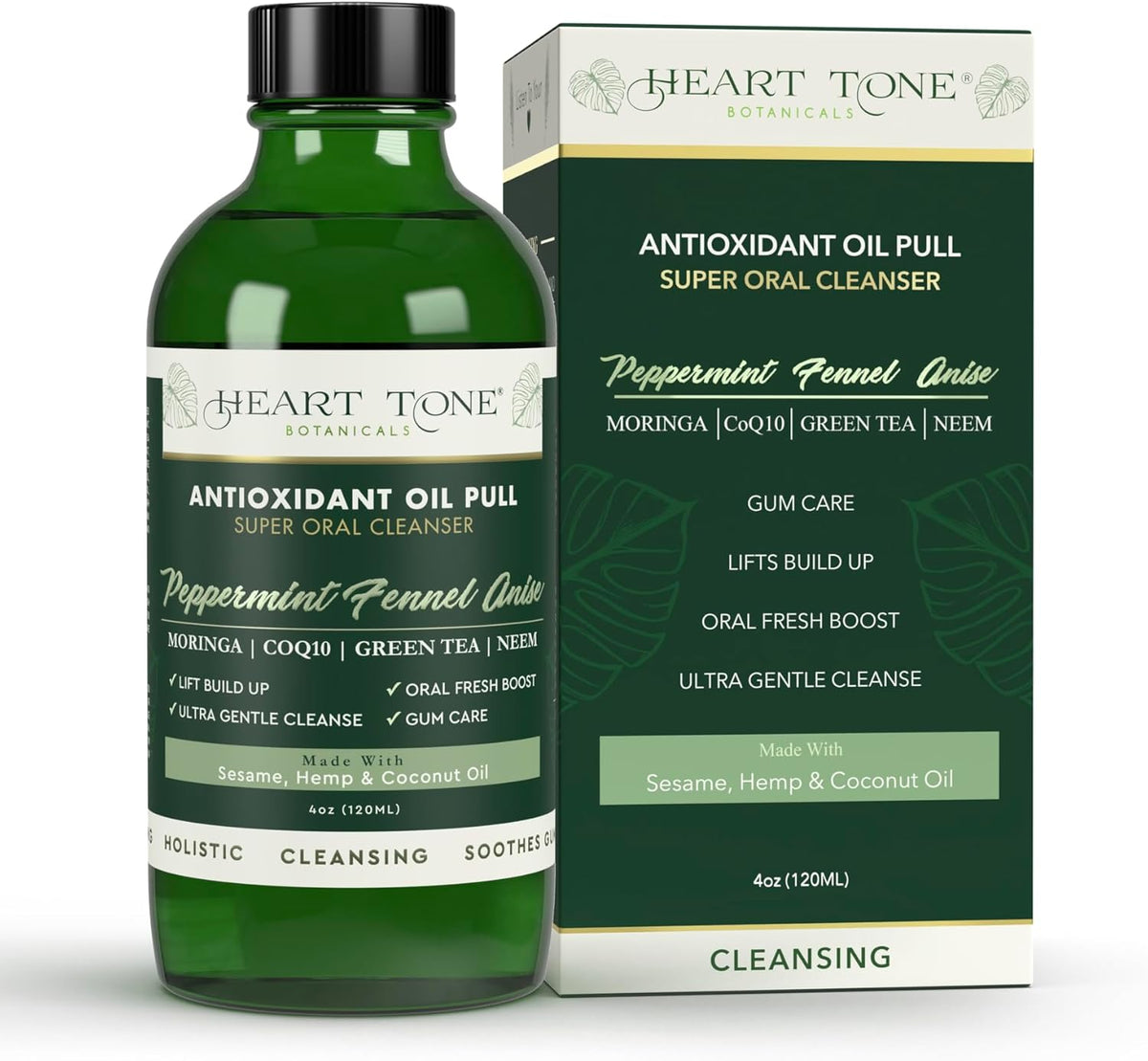
Oil Pulling Is Simple in Theory — and Easy to Get Wrong in Practice

Oil pulling is one of the oldest rituals in Ayurvedic tradition: swishing oil around your mouth for a stretch of time before spitting it out. It sounds simple, and it is — but the version most people actually do looks nothing like the version that leaves your mouth feeling genuinely clean. A tablespoon of the wrong oil, ten minutes of aggressive swishing, and a spit into the bathroom sink is a routine most people abandon within a week. Here's what actually changes the experience.

A Ritual With a Long History — Not a New Trend
Oil pulling (kavala or gandusha in Sanskrit) has been part of Ayurvedic tradition for centuries, long before it showed up in wellness roundups. The traditional practice is straightforward: a small amount of oil, swished gently, held in the mouth for a period of time, then spit out. What's changed is how the ritual gets described online — a lot of modern advice skips the technique details that made it sustainable in the first place, which is exactly why so many people try it once and never come back to it.
Mistake 1: Using Too Much Oil
More is not more comfortable. A full tablespoon of oil is a lot to manage for 15–20 minutes, and it's the single biggest reason people quit after one try. Traditional practice calls for about a tablespoon at most, and many people find a teaspoon to a tablespoon is plenty — enough to coat the mouth without making your jaw tired or triggering a gag reflex halfway through.
Mistake 2: Swishing Like It's Mouthwash
Oil pulling isn't a 30-second rinse. It's a slow, low-effort practice — gently working the oil between your teeth and around your gums rather than vigorously swishing the entire time. Aggressive swishing tires out your jaw fast and is a common reason people cut the ritual short. A relaxed, easy motion — almost a slow chew — is closer to how the practice was traditionally done.
Mistake 3: Picking an Oil You Can't Stand the Taste Of
Traditional oil pulling most often uses sesame oil or coconut oil, and the texture and flavor matter more than people expect. Straight sesame oil has a strong, distinct taste that some people find hard to tolerate for a full session. This is part of why formulated oil pulling blends exist — a base oil paired with mint or other flavoring botanicals makes the ritual something you'll actually want to repeat, rather than something you white-knuckle through once a week.
Mistake 4: Spitting It Into the Sink
This one is about your plumbing, not your mouth. Oil is not water-soluble, and spitting it into a sink or shower drain day after day means it can build up in your pipes over time, the same way cooking oil does. Spit into a trash can, a tissue, or a cup you'll empty into the trash — not down the drain.
Mistake 5: Swallowing It
The point of the ritual is what leaves your mouth at the end, not what stays in it. Swishing for 15–20 minutes and then swallowing defeats the purpose — you want to spit out everything you just worked loose. If you find yourself accidentally swallowing small amounts because the oil is too thin or too strong-tasting, that's usually a sign to switch oils or shorten your session length until you build up tolerance.

Mistake 6: supporting It as a Replacement for Brushing
Oil pulling is a traditional addition to an oral care routine — not a substitute for brushing and rinsing. Most people who stick with it do it first thing in the morning, before brushing, and follow it with their normal routine. A fluoride-free toothpaste and an alcohol-free rinse afterward round out the ritual and leave your mouth feeling genuinely fresh, not just coated in oil.
How Long and How Often, Realistically
Traditional guidance calls for 15–20 minutes, but that's an ideal, not a rule. If you're new to the practice, starting with 5 minutes and working your way up is a far more sustainable approach than attempting a full 20-minute session on day one and giving up entirely. Consistency at 5–10 minutes most mornings beats a perfect 20-minute session you only manage once.
A few signs you're on the right track: your jaw feels loose rather than sore, the oil thins out and turns a lighter color by the time you spit it out, and you can comfortably finish the session without watching the clock. If your jaw aches or you find yourself cutting sessions short every time, that's usually a sign to dial back the amount of oil, shorten the session, or switch to a milder-tasting oil rather than pushing through discomfort. The habit sticks when the routine feels manageable, not when it feels like an endurance test.
The Bottom Line
Oil pulling is a low-effort, low-cost ritual with a long history — but the details determine whether it becomes a habit or a one-time experiment. Use a manageable amount of oil, keep the motion gentle, spit into the trash instead of the sink, and treat it as the first step in your routine rather than the whole routine.
To finish the ritual, the Living Crystal Toothpaste from Heart Tone Botanicals is a fluoride-free formula built on farm-grown botanical extracts, and the Restorative Mouth Rinse is an alcohol-free rinse made with colloidal silver and farm-grown aloe vera leaf juice. You can explore the full natural oral care collection to build out a complete daily routine.

Leave a comment
This site is protected by hCaptcha and the hCaptcha Privacy Policy and Terms of Service apply.