












"No preservatives" shows up on natural beauty packaging like it's a badge of honor -- and sometimes it's an honest description of the formula. Other times it's a claim that doesn't hold up once you understand what a preservative is actually doing in the bottle.
Here's the plain-language version: a preservative isn't there to do something to your skin. It's there to keep the product itself stable while it sits in a jar on a bathroom shelf, gets opened and closed a hundred times, and picks up a little water and a little air with every use. Whether a formula needs one comes down to one question -- does it contain water? -- and the answer changes everything else about how it's made.
Why water is the whole story

Water-based formulas -- lotions, gels, liquid soaps, serums, anything that lists Aqua, a hydrosol, or a plant juice near the top of the ingredient list -- create an environment where things can grow over time. That's just chemistry, not a flaw in the formula. Any product built on water, oil, and emulsifiers needs a deliberate strategy to stay stable and usable for the length of time it sits on a shelf and then in your bathroom.
That's true whether the brand is a mass-market drugstore line or a small farm-to-bottle operation. The water doesn't care who made the product.
What "preservative-free" often really means
A lot of "no preservatives needed" marketing is describing an anhydrous formula -- one built entirely on oils, butters, and waxes with no water at all. Oil-based products don't create the same environment that water-based ones do, so they can be formulated without a traditional preservative system.
Our Complete Daily Face Moisturizer is a good example of what that looks like on a real label: a blend of over 20 plant oils -- moringa, jojoba, rosehip, sea buckthorn, and more -- with no water anywhere in the ingredient list. Same with our Botanical Renew Body Butter, built on shea nut butter and kokum butter rather than a water base. Neither formula needs the kind of preservation a lotion or gel does, because there's no water phase to stabilize.
That's a real distinction worth knowing when you're comparing labels -- not every "clean" claim about skipping preservatives is describing the same kind of product.
Soap is its own category
Traditional bar soap and true castile liquid soap sit in a different category entirely. Saponified soap -- oil and an alkali (sodium or potassium hydroxide) reacted together -- comes out the other end as a genuinely different chemical compound, at a pH high enough that it doesn't need the kind of preservative system a lotion does. That's why you'll see ingredient lists like our Ancient Organic Soap bars or our Faithfully Pure Hands Castile Liquid Soap -- organic oils, water, and sodium or potassium hydroxide -- without a separate preservative ingredient listed. The chemistry of saponification is doing that work, not an added ingredient.
That's a genuinely different mechanism from a lotion or serum, and it's worth knowing the difference so "no preservatives" claims can be evaluated against what kind of product is actually being described.
Reading a preservative system on a label
When a formula does contain water, the honest way to evaluate it isn't "does it have a preservative" -- it's "what kind, and how far down the list is it." A few things to look for on an INCI list:
- Synthetic preservatives most commonly show up as phenoxyethanol, parabens (methylparaben, propylparaben, butylparaben), or formaldehyde-releasing names like DMDM hydantoin.
- Naturally derived alternatives include sodium benzoate, potassium sorbate, and fermentation-derived ingredients like radish root ferment filtrate (sometimes sold under the trade name Leucidal) and lactobacillus ferment.
- Position matters. INCI order runs by concentration, so a preservative sitting near the end of a long list is typically present at a small, functional percentage -- which is where preservatives are meant to sit.
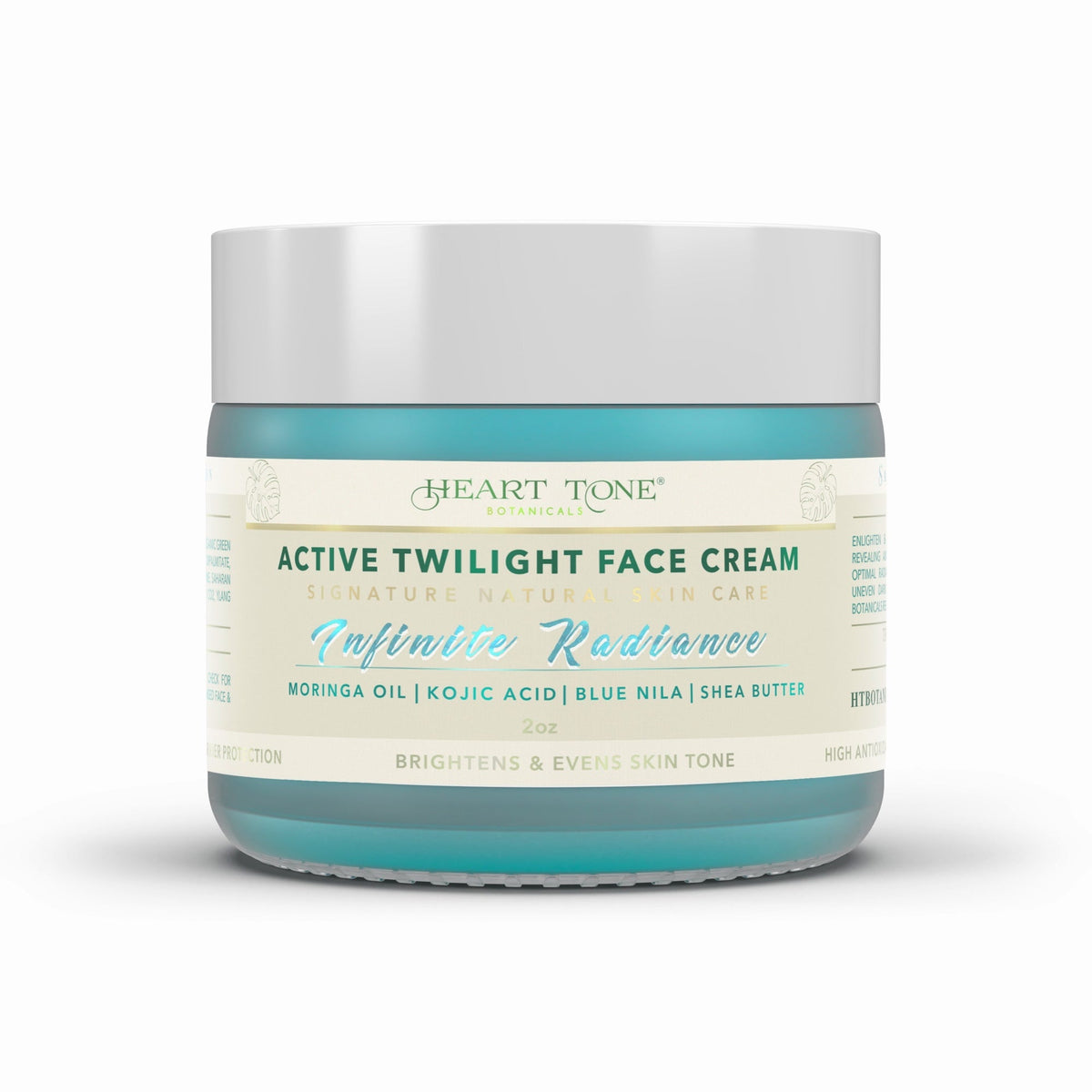
Our Dynamic Hydrogel Face Serum is a water-based formula, built on rose hydrosol and neroli hydrosol rather than plain water, and its ingredient list includes radish root ferment and lactobacillus ferment -- a fermentation-derived approach some clean formulators use as an alternative to phenoxyethanol or parabens. We think the honest place to show that choice is the ingredient list itself, which is why we'd rather point you to reading one than ask you to take "preservative-free" at face value.
Why this matters more for farm-grown ingredients
JD grows aloe vera, neem, moringa, and soursop on our family farm in Vero Beach, Florida, and those plants get processed into extracts and juices that go into finished formulas. The moment a fresh-harvested plant is turned into a liquid extract, it becomes a water-containing ingredient with the same stability question as any other -- fresh-cut aloe doesn't stay shelf-stable in a bottle without a plan for it, any more than a store-bought version would. Farm-grown doesn't exempt an ingredient from chemistry; it just means the plant behind the extract has a shorter, more traceable path to the bottle.
What to actually look for
Skip the "preservative-free" headline and ask three questions instead:
- Does this formula contain water, a hydrosol, or a plant juice? If yes, it needs a preservation strategy of some kind -- the only real question is which one.
- Is it a true anhydrous (oil/butter-only) formula? If so, "no preservative" is an accurate description of the chemistry, not a marketing shortcut.
- Is it a saponified soap? Then the alkalinity from the soap-making process itself is doing the stabilizing.
None of these answers make one category "better" than another -- they're just different formulation paths that call for different label literacy. A clean beauty label you can trust is one that lets you see which path it took.

Leave a comment
This site is protected by hCaptcha and the hCaptcha Privacy Policy and Terms of Service apply.