












If you've ever gone down a clean beauty rabbit hole, you've almost certainly stumbled across the EWG Skin Deep database. Maybe someone told you to "check your products on EWG." Maybe you scanned a moisturizer at Target and panicked when it came back with a 6. Maybe you're trying to figure out whether any of this is actually worth trusting.
Let's slow down and walk through what EWG Skin Deep actually is, how to use it well, and — just as importantly — what it can't tell you. Because this tool is genuinely useful when you understand its purpose. And genuinely misleading when you don't.
What Is the EWG Skin Deep Database?

The Environmental Working Group (EWG) is a U.S.-based nonprofit focused on environmental health and consumer product safety. Their Skin Deep database (skindeep.ewg.org) is a free, publicly searchable tool that rates cosmetics and personal care products — shampoo, moisturizer, sunscreen, toothpaste, you name it — on a hazard scale from 1 to 10.
- 1–2: Low hazard
- 3–6: Moderate hazard
- 7–10: High hazard
They've rated over 100,000 products and thousands of individual ingredients. There's also a free Healthy Living app that lets you scan barcodes in-store to get a quick score before you buy.
Their scores consider concerns like carcinogenicity, endocrine disruption, developmental toxicity, and allergen potential — pulling from peer-reviewed research, regulatory databases, and ingredient safety profiles.
How to Actually Use It: A Step-by-Step Guide
Step 1: Search by product name or barcode
Go to ewg.org/skindeep and type in your product's name. Or download the Healthy Living app and scan the barcode next time you're shopping. You'll get an overall hazard score and a breakdown of flagged ingredients.
Step 2: Don't stop at the overall score
This is where most people go wrong. A product with a score of 4 might have 47 clean ingredients and one flagged preservative present at 0.01%. A product with a score of 2 might still contain a fragrance ingredient you personally react to. Dig into the ingredient-level breakdown, not just the headline number.
Step 3: Look for ingredient-specific concerns
When you click on a flagged ingredient, EWG shows you why it's flagged — cancer, hormone disruption, allergy, irritation — and at what level of data confidence. Pay attention to whether an ingredient is flagged for limited data (we just don't know much yet) vs. strong evidence (multiple peer-reviewed studies).
Step 4: Use EWG VERIFIED as a shortcut
Products that carry the "EWG VERIFIED" badge have passed stricter ingredient review and demonstrated full formula transparency. It's a higher bar than a low hazard score alone. If you want to simplify your research, looking for EWG VERIFIED products is a reasonable filter.
What EWG Skin Deep Can't Tell You
Here's where we need to be honest — because overstating EWG's authority is how people end up making poor product decisions in either direction.
It rates hazard, not risk
This is the most important nuance. Hazard means a substance has the potential to cause harm under some conditions. Risk is the actual probability of harm given how you're exposed — the dose, frequency, product type, and how it's used.
Sodium lauryl sulfate (SLS) can be a skin irritant at high concentrations in leave-on products. In a rinse-off body wash at 1%, used twice a day, the risk is genuinely low for most people. EWG may flag the ingredient; your skin experience will tell you the truth about your risk.
Data gaps ≠ danger
EWG sometimes gives moderate scores to ingredients simply because there isn't much published research on them — not because existing evidence shows harm. If you see a "3" driven by "limited data available," that's different from a "3" driven by "multiple studies link this ingredient to hormone disruption."
It doesn't assess formulation context
Two products can both contain the same ingredient at wildly different concentrations — and EWG's score won't distinguish between them. A brand using 0.01% phenoxyethanol (a common preservative) looks the same in the database as one using 1%. Formulation matters enormously. That nuance gets lost in a single number.
Scores are only as good as the data submitted
Brands voluntarily submit ingredient information. EWG also pulls from retailers and labels, but there can be gaps. An outdated formula version may still appear in the database. It's worth cross-referencing the EWG entry with the current product label, especially for brands that reformulate regularly.
How to Use EWG Without Getting Overwhelmed
Here's a practical approach that won't send you into a spiral:
- Build your personal "avoid list." Choose 5–8 ingredients you've decided you personally want to avoid — parabens, synthetic fragrance, oxybenzone, etc. Use EWG to check whether products contain those specific ingredients. This is much more useful than supporting every score above 3 as an alarm.
- Focus on leave-on products first. Face moisturizers, serums, deodorant, and sunscreen you apply daily and leave on your skin deserve more scrutiny than a body wash you rinse off in 30 seconds.
- Use it as a starting point, not a verdict. EWG is excellent for narrowing down your options. Let it flag candidates for deeper investigation — then check ingredient lists yourself, read reviews, and if you have skin sensitivities, consult a dermatologist.
- Pair it with real-world evidence. A product with a score of 5 that your skin loves and has used without issue for two years is telling you something too. And a product with a score of 2 that's giving you a irritation is also telling you something.
What We Do at Heart Tone Botanicals
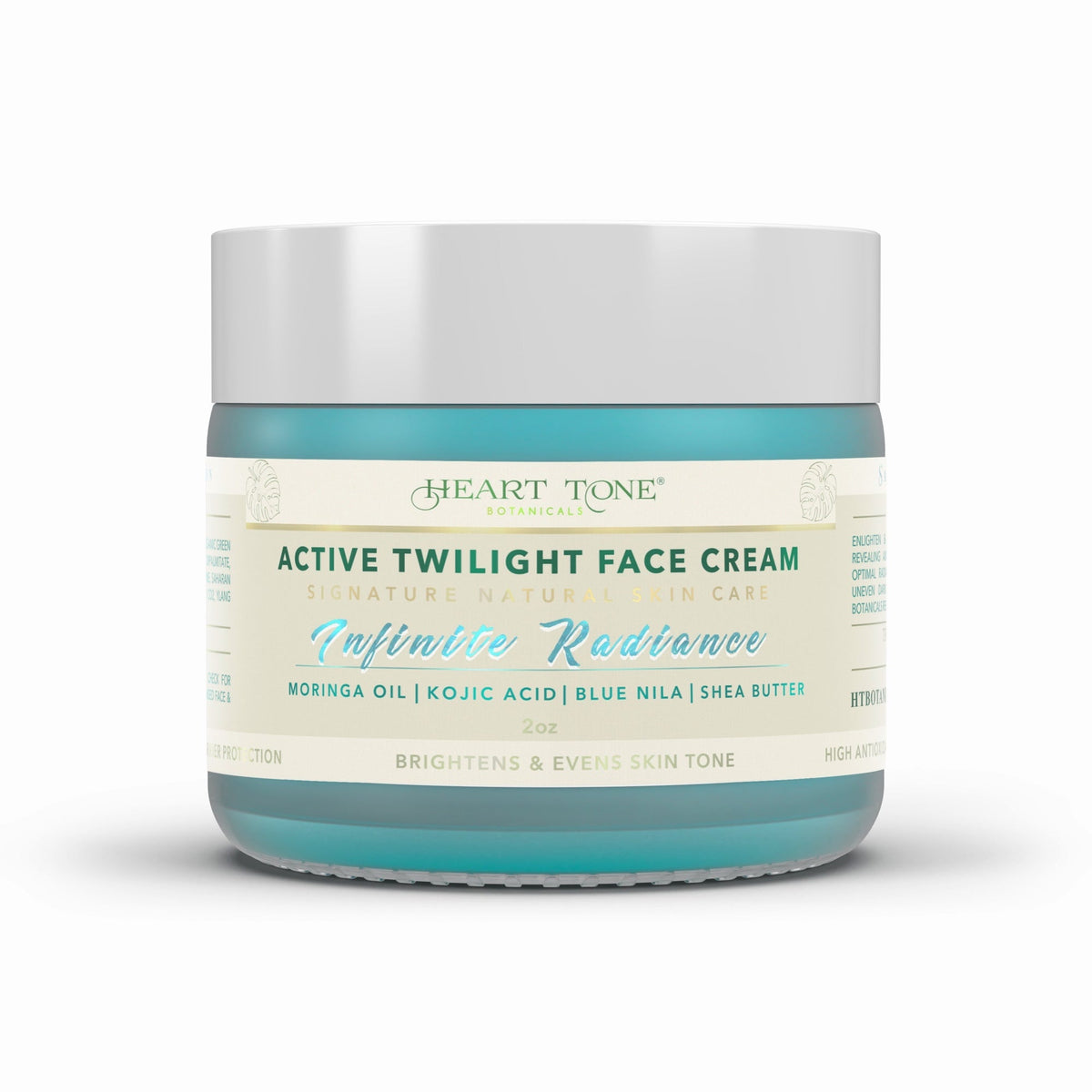
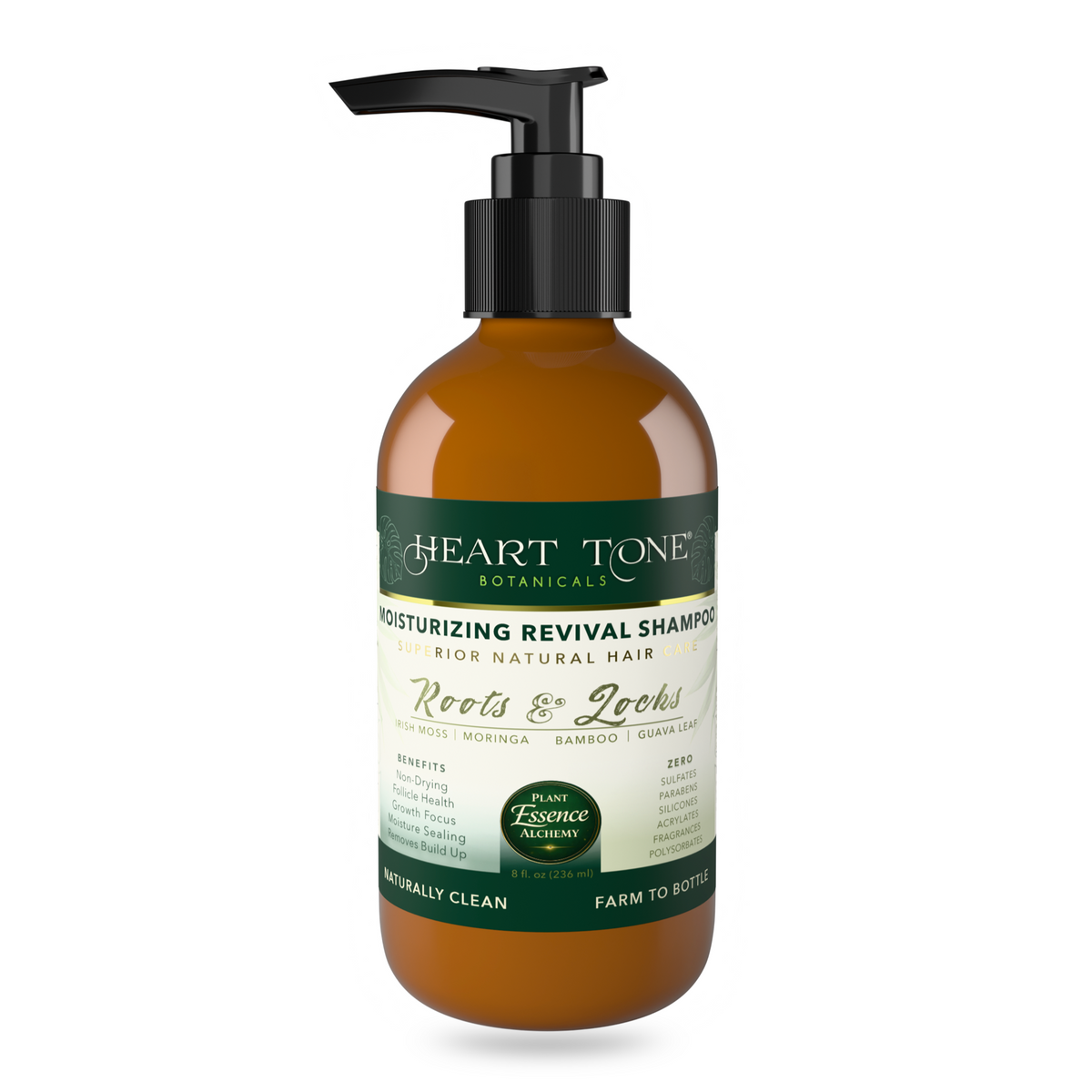
At Heart Tone, we believe full ingredient transparency is non-negotiable — not as a marketing claim, but as a practical commitment to the people who use our products.
Every ingredient in our formulas is sourced with intention. Many come directly from JD's farm in Vero Beach, Florida, where plants are grown without synthetic pesticides, in living soil that's been tended for decades. When you see "aloe vera" or "calendula extract" on our label, it's because JD grew it, harvested it, and we incorporated it — not because a supplier shipped us a standardized extract from who-knows-where.
That farm-to-bottle traceability is exactly what the EWG database tries to approximate — the ability to understand what's in your product and where it came from. We just build it into our sourcing from the start.
Explore our full product collection — every formula is built for people who read labels. And if you want to know more about any ingredient we use, ask us. We'll tell you.
The Bottom Line
The EWG Skin Deep database is a valuable, free tool for health-conscious shoppers — especially for people who are new to clean beauty and need a starting framework. Use it to flag ingredients worth investigating, build your personal avoid list, and shortcut research on unfamiliar brands.
Just don't approach the score as the final word. A 1 isn't a guarantee of perfect skin. A 6 isn't a guarantee of harm. The tool works best when you understand what it's measuring and supplement it with your own label-reading, common sense, and lived experience.
Clean beauty isn't about finding a perfect score. It's about making informed choices — and that requires more than a number.
Looking for products that were built to be transparent from the start? Shop our skincare collection or learn more about our farm-to-bottle story.

Leave a comment
This site is protected by hCaptcha and the hCaptcha Privacy Policy and Terms of Service apply.