

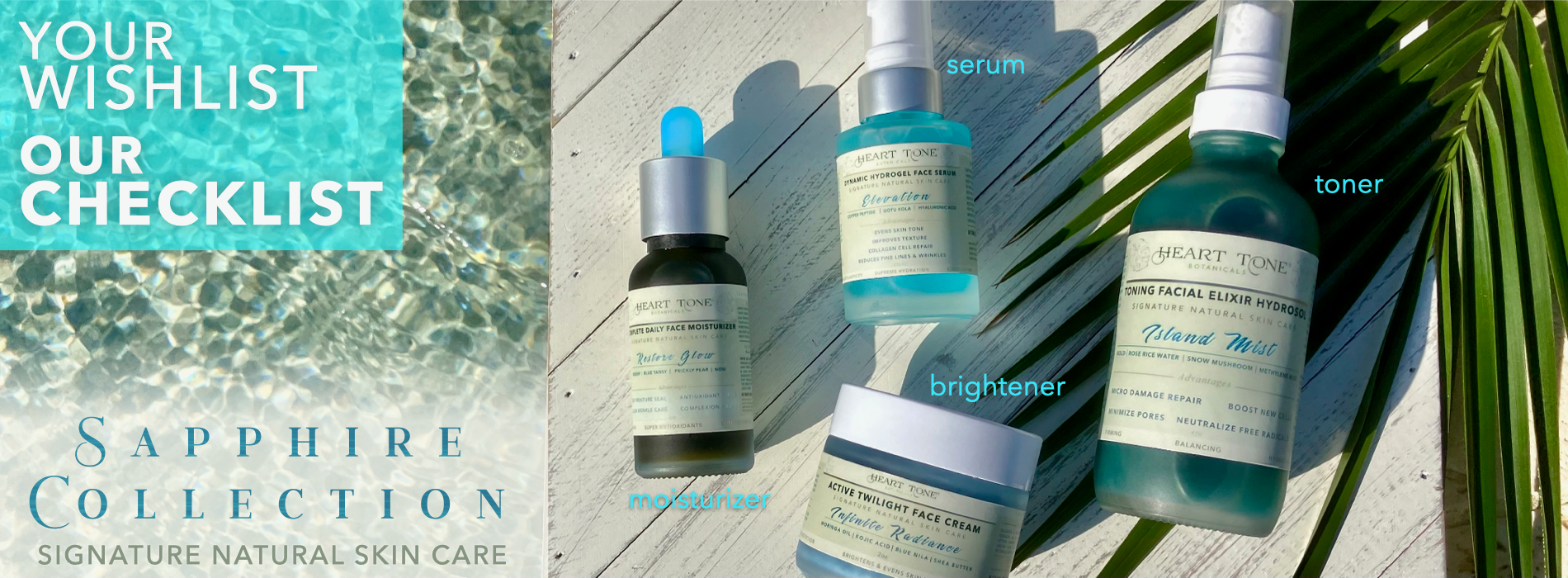
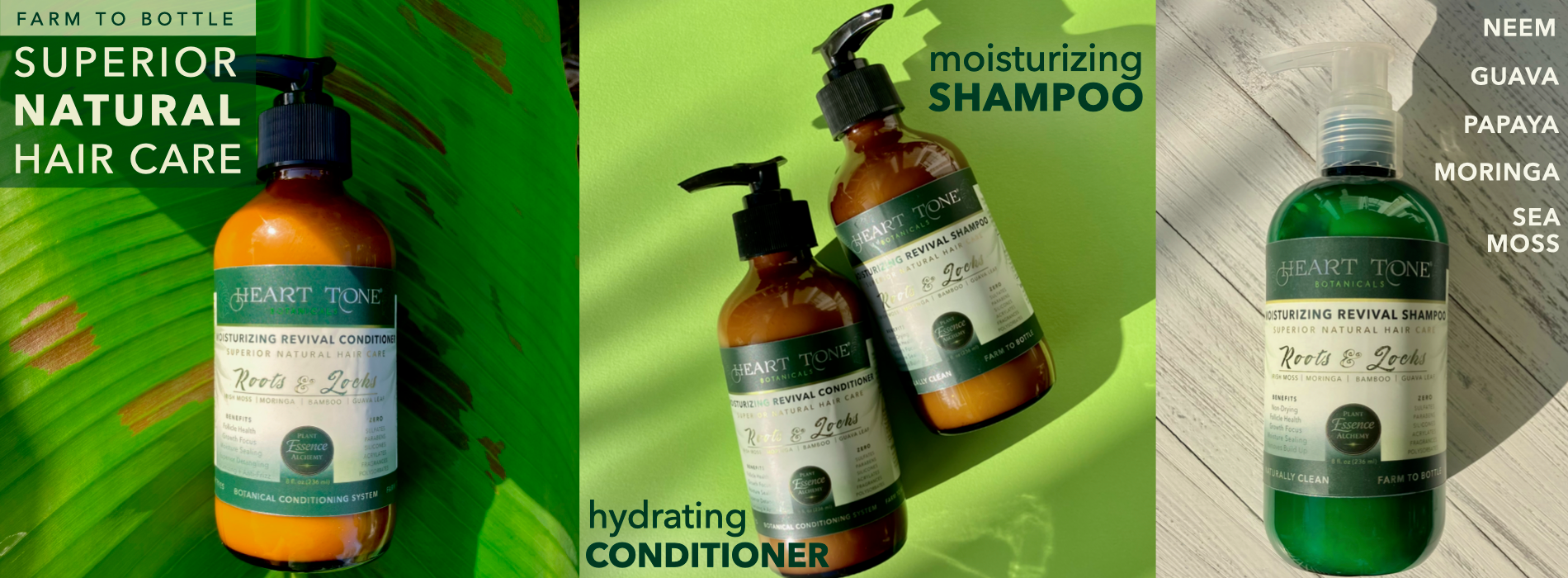


Your teeth are alive. They're not static rocks sitting in your mouth — they're dynamic, mineral-rich structures that can actually heal themselves under the right conditions. This process is called remineralization, and understanding it could change everything about how you care for your teeth.
Whether you're dealing with early signs of enamel wear, sensitivity, or simply want to protect the teeth you have, this guide covers the science and practical steps behind natural remineralization.
What Is Tooth Remineralization?
Every day, your teeth go through cycles of demineralization (losing minerals) and remineralization (gaining them back). When you eat or drink — especially acidic or sugary foods — bacteria produce acids that dissolve calcium and phosphate from your enamel. This is demineralization.
Remineralization is the reverse: your saliva, rich in calcium and phosphate, deposits minerals back into weakened enamel. When remineralization outpaces demineralization, your teeth stay strong. When it doesn't? That's how cavities form.
The key insight: early-stage enamel damage is completely reversible — if you give your teeth the right conditions and the right ingredients.
Why Most People Are Losing the Mineral Battle
Modern diets are stacked against your teeth:
- Sugar feeds acid-producing bacteria
- Processed foods lack the minerals your teeth need
- Acidic beverages (coffee, soda, juice) directly erode enamel
- Mouth breathing dries out saliva — your teeth's natural repair mechanism
- Conventional toothpastes often contain SLS and other ingredients that disrupt the oral environment
6 Ways to Remineralize Teeth Naturally
1. Use Micro-Hydroxyapatite Toothpaste
This is the single most impactful change you can make. Hydroxyapatite is literally what your teeth are made of — 97% of enamel is hydroxyapatite crystals. When applied topically, micro-sized particles fill microscopic cracks, seal exposed dentinal tubules (reducing sensitivity), and rebuild enamel from the surface in.
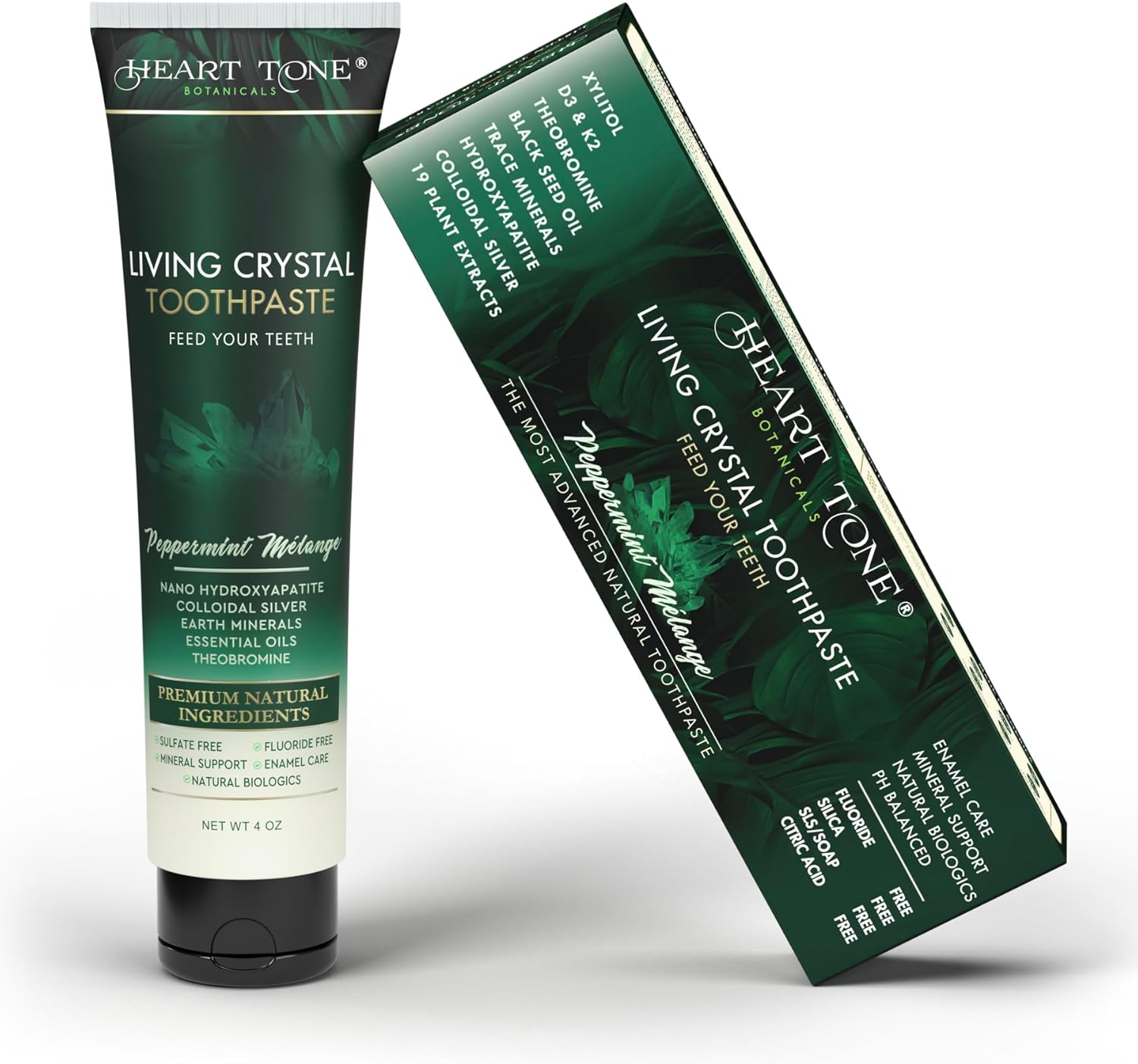
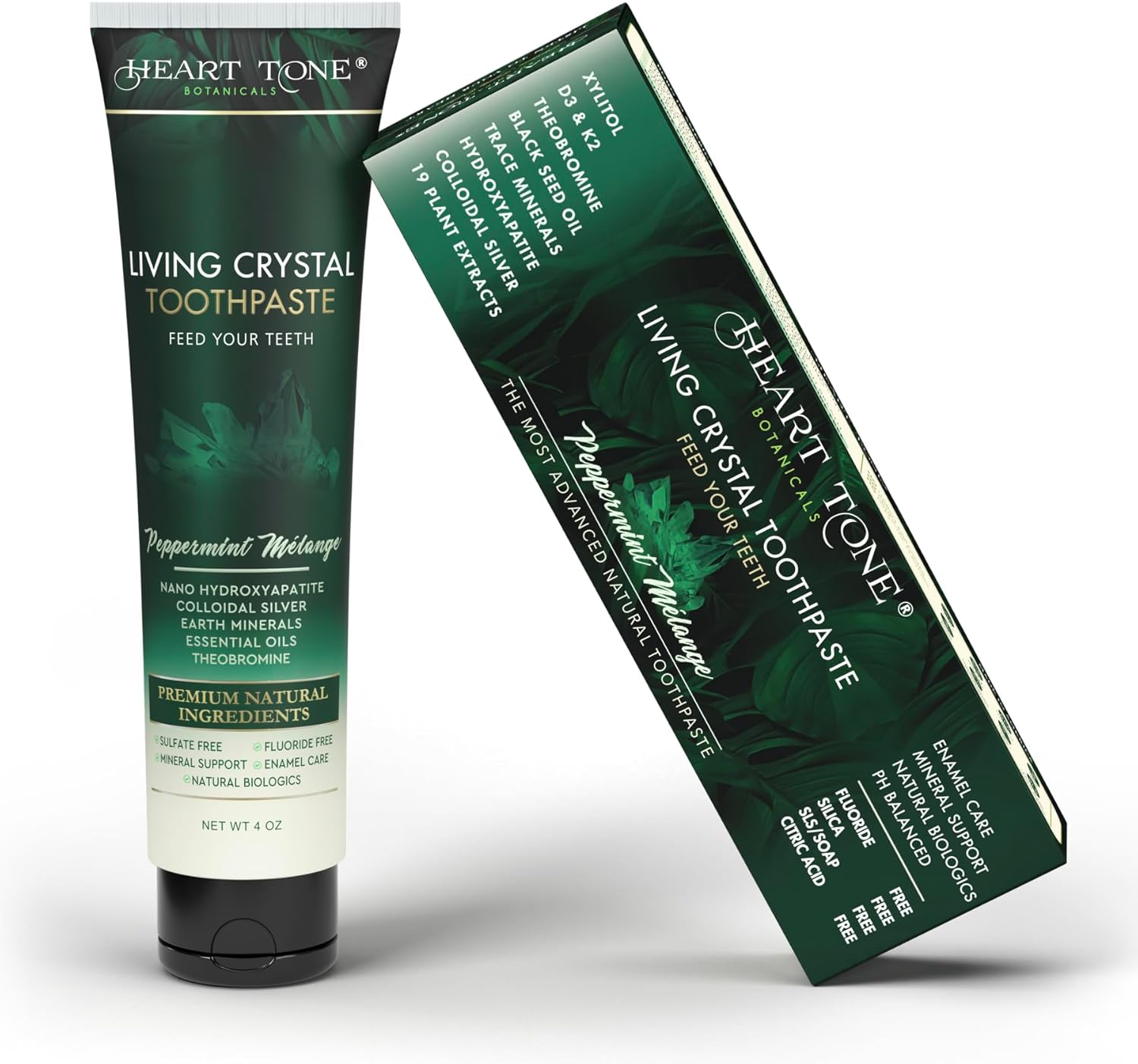
Japan has used hydroxyapatite toothpaste as their primary cavity prevention method since the 1980s — no fluoride needed. The key is particle form: micro-hydroxyapatite (spherical, biocompatible) is gentler and more effective than nano forms. Our Living Crystal Toothpaste uses micro-hydroxyapatite and scores an RDA of just 35.51 — among the lowest-abrasion toothpastes ever tested.

2. Add Theobromine to Your Routine
Here's one most people don't know: theobromine, a compound found in cacao beans, has been shown in research to increase the size and hardness of hydroxyapatite crystals on tooth surfaces — up to 4 times larger than normal. That means your remineralized enamel is actually stronger than the original.
Our Living Crystal Toothpaste combines both micro-hydroxyapatite and theobromine — creating a one-two punch for enamel repair that no other natural toothpaste matches.
3. Oil Pulling
This 3,000-year-old Ayurvedic practice reduces harmful bacteria by up to 20% in just two weeks. Swishing coconut oil for 15-20 minutes binds to bacteria and toxins, creating a cleaner oral environment where remineralization can thrive.
Our Antioxidant Oil Pull uses farm-grown organic coconut oil infused with antioxidant botanicals for enhanced benefits.


4. Use a Natural, Alcohol-Free Mouthwash
Most commercial mouthwashes contain alcohol, which dries out your mouth and disrupts your saliva's natural remineralization ability. An alcohol-free botanical mouthwash supports the oral microbiome while delivering antimicrobial benefits from ingredients like colloidal silver and essential oils.
If you deal with dry mouth or gum sensitivity, a gentle rinse is especially important for maintaining the moist environment your teeth need to remineralize.

5. Eat Mineral-Rich Foods
Your teeth need raw materials to rebuild. Focus on:
- Calcium: Leafy greens, almonds, sardines
- Phosphorus: Eggs, fish, nuts
- Vitamin D: Sunlight, fatty fish (helps absorb calcium)
- Vitamin K2: Fermented foods, grass-fed butter (directs calcium to teeth and bones)
6. Protect Your Saliva
Saliva is your body's built-in remineralization system. To optimize it:
- Stay hydrated throughout the day
- Breathe through your nose, not your mouth
- Chew xylitol gum between meals (xylitol stimulates saliva and starves cavity bacteria)
- Avoid mouthwashes with alcohol — they dry out your mouth
What About Fluoride?
Fluoride works differently from hydroxyapatite. It creates a layer of fluorapatite on teeth, which is harder than natural enamel — but it's a foreign substance. Every fluoride toothpaste carries a poison control warning, and overexposure causes fluorosis (white spots and weakened enamel).
Hydroxyapatite is bioidentical — it's the same material your teeth are already made of. It's non-toxic, safe if swallowed, and works for all ages. For a deeper comparison, read our guide on hydroxyapatite vs. fluoride or learn more about choosing a fluoride-free toothpaste.
Signs Your Teeth Need Remineralizing
- White spots on teeth (early demineralization)
- Increased sensitivity to hot, cold, or sweet
- Teeth that look translucent at the edges
- Rough or chalky feeling enamel
If you're experiencing any of these, your enamel is actively losing minerals. The good news? Early-stage demineralization is completely reversible with the right approach.
"We built Living Crystal Toothpaste around the science of remineralization — micro-hydroxyapatite to rebuild, theobromine to harden, and farm-grown botanicals to protect. Everything your teeth need, nothing they don't." — Heart Tone Botanicals
Build Your Remineralization Routine
Here's what a complete natural remineralization routine looks like:
- Morning: Oil pull for 15 minutes, then brush with hydroxyapatite + theobromine toothpaste
- After meals: Rinse with water, chew xylitol gum
- Evening: Brush again with remineralizing toothpaste, use a natural mouthwash
- Diet: Prioritize mineral-rich whole foods, limit sugar and acid exposure
Frequently Asked Questions
Can you actually remineralize teeth at home?
Yes. Early-stage enamel demineralization (white spots, increased sensitivity) is reversible with the right minerals and oral care routine. Once a cavity has broken through the enamel surface, professional treatment is needed — but catching it early means you can repair it naturally.
How long does it take to remineralize teeth?
Most people notice reduced sensitivity within 2-4 weeks of switching to a micro-hydroxyapatite toothpaste. Visible white spots may take 2-3 months of consistent use to improve. The key is consistency — remineralization happens gradually with every brushing.
Is hydroxyapatite toothpaste safe for children?
Absolutely. Unlike fluoride, hydroxyapatite is non-toxic and safe if swallowed — which is why it's the cavity-prevention standard in Japan for children. Combined with theobromine (also non-toxic), it's a worry-free option for families.
Does remineralization work on cavities?
It works on pre-cavities — areas of early demineralization where the enamel surface is still intact but weakened. These show up as white spots, sensitivity, or rough-feeling enamel. Once bacteria have broken through to create an actual hole, you'll need professional treatment. That's why early action matters.

Leave a comment
This site is protected by hCaptcha and the hCaptcha Privacy Policy and Terms of Service apply.