

Walk into any big-box beauty aisle and you'll find thousands of products promising "natural," "clean," and "gentle" formulas. They're made by the millions, sitting in warehouses for months before they reach your shelf. Compare that to a small-batch brand: a smaller production run, made more frequently, with ingredients sourced and blended with care. The difference isn't just philosophical — it shows up on your skin.

At Heart Tone Botanicals, small-batch production isn't a marketing angle. It's how JD and his team have always worked, growing and harvesting botanicals on their farm in Vero Beach, Florida, and formulating in runs small enough to ensure every bottle reaches you at its freshest.
Here's what that actually means — and why it matters more than you might think.
What "Small Batch" Really Means in Skincare
The term gets thrown around loosely, so let's define it clearly. Small-batch skincare refers to products made in limited, more frequent production runs rather than mass quantities destined to sit in distribution centers for six to eighteen months.
In practice, that means:
- Shorter runs that sell through quickly, keeping inventory fresh
- More hands-on oversight of each batch
- Ingredient sourcing tied to availability and quality, not just cost
- Faster feedback loops between formula and consumer experience
This is fundamentally different from how multinational beauty brands operate. When you're making tens of thousands of units at once, freshness becomes a logistical problem rather than a priority.
Benefit 1: Fresher Formulas, More Potent Actives
Many of the most valuable ingredients in skincare — vitamin C, plant-derived oils, botanical extracts — are sensitive to time, heat, and light. The longer they sit between formulation and application, the less effective they become.
When a product is made in small batches and sold quickly, you're more likely to be applying it while the active ingredients are still at peak potency. Mass-produced products, by contrast, are often formulated to last three or more years on the shelf — which frequently means either heavily processed ingredients, or synthetic stabilizers added to preserve efficacy over a long distribution chain.
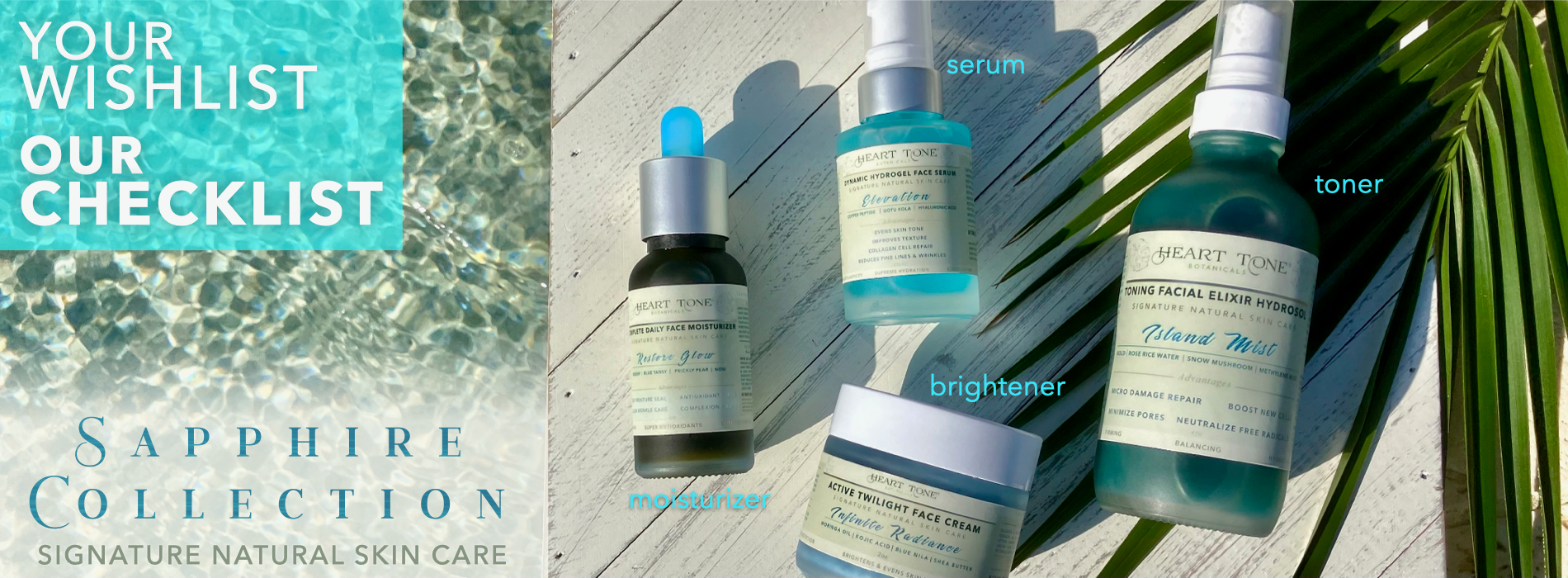
HTB's Dynamic Hydrogel Face Serum and Island Mist Toning Facial Elixir Hydrosol are formulated this way: botanical-forward, made in smaller quantities, and designed to be used — not warehoused.
Benefit 2: Cleaner Ingredient Lists (By Necessity)
Here's something the large brands don't love advertising: many synthetic preservatives and stabilizers exist specifically to solve the problem of long shelf life at industrial scale. When you're shipping millions of units across global supply chains, you need something powerful enough to keep the formula stable for years.
Small-batch producers don't have that problem. Because products move through the supply chain faster, there's less need to rely on harsh, broad-spectrum preservatives. Natural alternatives — rosemary extract, vitamin E, and plant-based antimicrobials — become genuinely viable when you're not trying to extend shelf life to 36 months.
The result? Formulas that are often gentler on skin, especially for those with sensitivity or reactivity to synthetic additives. This is one reason why people who struggle with mainstream products frequently find that small-batch, botanical alternatives work better for their skin.
Benefit 3: You Can Actually Know What's in It
Transparency is easier at smaller scale. When a brand sources ingredients in smaller quantities, they can verify purity, vet suppliers, and genuinely know the story behind each component. At industrial scale, ingredient sourcing becomes a commodity market — whoever is cheapest wins, and traceability becomes difficult.
JD's farm in Vero Beach, Florida, is the literal starting point for many of Heart Tone's botanical ingredients. That's the shortest possible supply chain: seed to soil to bottle. It's the opposite of a global commodity ingredient broker, and the transparency that comes from that kind of sourcing is something you simply can't replicate at mass scale.
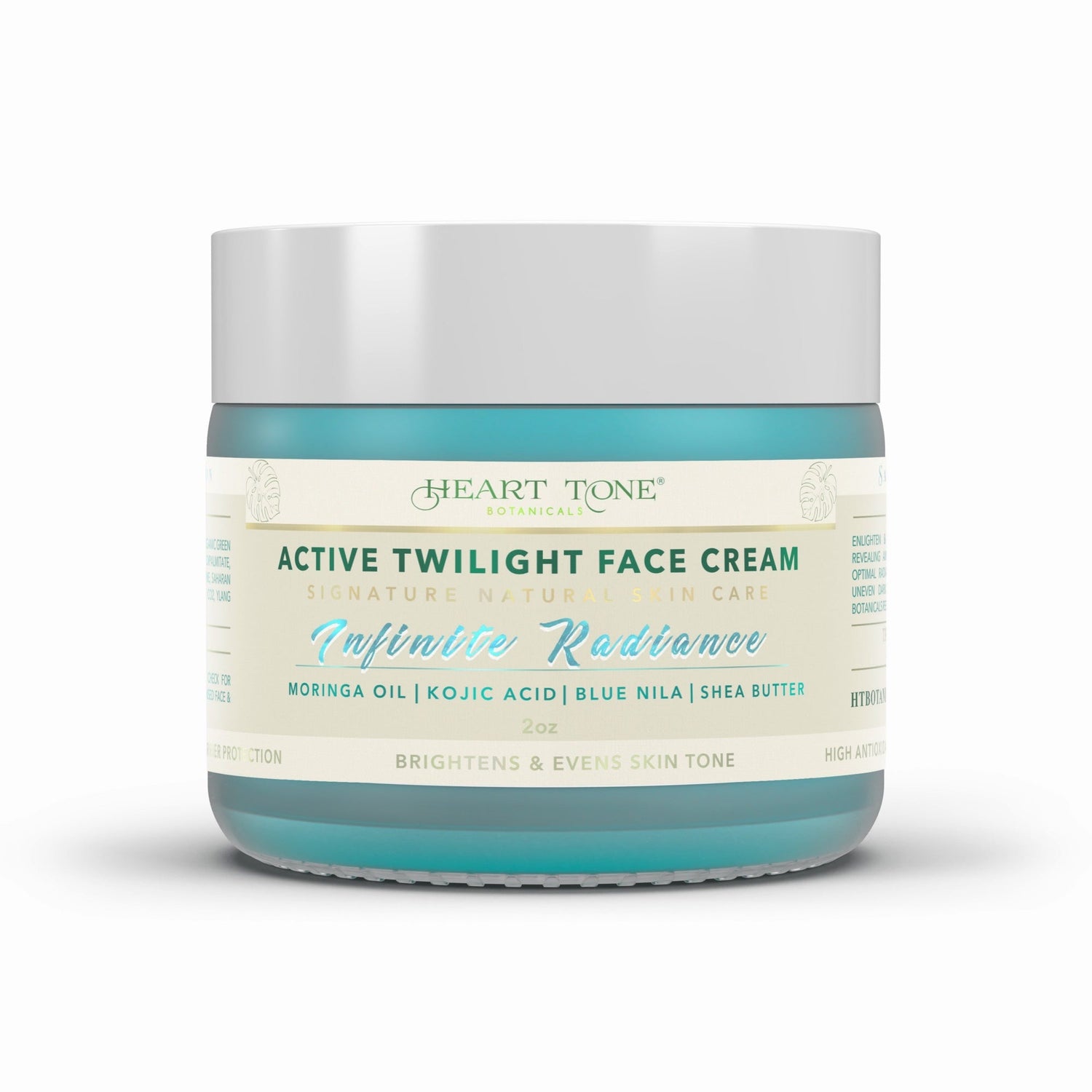
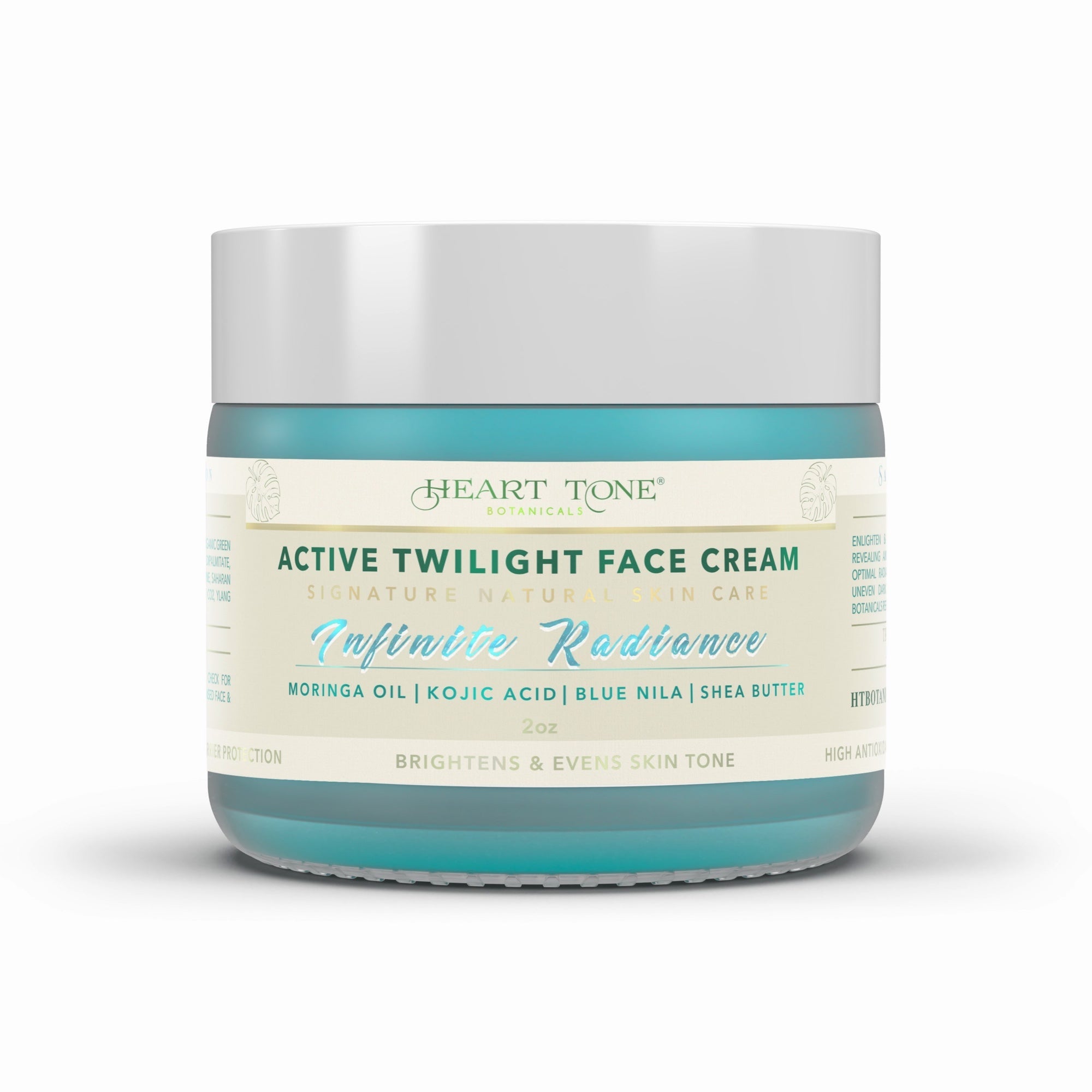
When you use Ancient Organic Soap or the Active Twilight Face Cream, you're using products where the sourcing story is real — not a marketing narrative built on ambiguity.

Benefit 4: Better Quality Control, Batch by Batch
In large manufacturing facilities, quality control is largely automated and statistical. You test samples from a run of 50,000 units and infer the rest. In small-batch production, the maker can — and often does — oversee the entire process personally.
This matters because consistency is hard. Botanical ingredients vary by harvest, by season, by soil condition. A skilled small-batch formulator can adjust on the fly, compensating for natural variation to maintain quality. A mass-production line, optimized for throughput, has little tolerance for that kind of craft adjustment.
Small-batch also means that if something is off — a batch that doesn't meet quality standards — the entire affected run is far smaller. The risk is contained. In large-scale production, a quality issue can affect hundreds of thousands of units before it's caught.
Benefit 5: Environmental Footprint Is Genuinely Smaller
Overproduction is one of the biggest hidden costs in the beauty industry. When brands make more than they can sell, the excess — products, packaging, ingredients — goes to waste. Mass production incentivizes making more than you need and hoping it sells before it expires.
Small-batch production aligns output with actual demand. You make what you expect to sell, sell it quickly, and make more. Waste is reduced at every level: raw materials, finished product, packaging, and transportation. When the ingredients come from a local farm — as many of HTB's do — the carbon footprint shrinks further.
This is one reason why small-batch, farm-sourced brands are increasingly seen as the more sustainable choice, not just in terms of what goes on your skin, but what goes into the planet.
The Trade-Off Worth Knowing About
Honesty matters here. Small-batch skincare typically costs more per unit and may have shorter recommended use-by windows than mass-produced products. This isn't a design flaw — it's a feature. A shorter shelf life usually means fewer synthetic stabilizers and fresher actives.
It also means these products are genuinely designed to be used, not to sit in a cabinet for two years. If you buy an HTB product, you're buying something intended to be part of your daily routine — not a backup supply for indefinite storage.
For many people, that trade-off is straightforward: pay a bit more, get a lot more value per use.
What to Look for When Choosing Small-Batch Skincare
Not every brand that uses the phrase actually practices it. Here are signals that a brand's small-batch claim is genuine:
- They can tell you where their ingredients come from. Vague answers like "sustainably sourced" without specifics are a red flag.
- Their product line is focused, not sprawling. Mass-market brands launch hundreds of SKUs. Genuine small-batch producers tend to have tighter, more intentional catalogs.
- They talk about their process, not just their claims. Farm addresses, harvest seasons, batch sizes — these are the details that real producers share.
- Their products have realistic shelf lives. If every product claims a 3-year shelf life, they're probably using industrial-scale preservation methods.
Heart Tone's Approach
Everything Heart Tone Botanicals makes traces back to intentional, small-scale production. JD farms in Vero Beach, Florida — growing and harvesting botanicals that go directly into the formulation process. The product line is focused: oral care, skincare, hair care, and body products, each made to a standard that mass production can't match.
Explore the full collection at htbotanicals.com, or start with some of our most loved small-batch formulas:
- Living Crystal Toothpaste — our flagship oral care formula
- Botanical Renew Body Butter — deeply nourishing, botanically-sourced
- Complete Daily Face Moisturizer — clean, plant-based daily hydration
- Ancient Organic Soap — pure ingredients, nothing unnecessary
When you choose small-batch, you're not just choosing better ingredients. You're choosing a different relationship with what you put on your body — one grounded in transparency, craft, and genuine care about the outcome.
That's what Heart Tone Botanicals has always been about.

Leave a comment
This site is protected by hCaptcha and the hCaptcha Privacy Policy and Terms of Service apply.