

If you've ever skipped toner because it felt like a gimmick—another step someone invented to sell more product—you're not alone. For years, facial toners had a bad reputation: harsh, alcohol-heavy astringents that stripped your skin and called it "cleansing." But modern natural toners have nothing in common with those. When made right, they're one of the most intelligent steps in your skincare routine.

Here's what a genuine natural facial toner actually does, why hydrosols are a category apart, and how to make this step work for your skin type.
What Is a Natural Facial Toner?
A natural facial toner is a water-based liquid applied after cleansing to do four things:
- Remove what cleansing left behind. Even a good cleanser can leave trace residue—minerals from hard water, leftover makeup, lingering impurities. A toner clears that slate cleanly.
- Rebalance your skin's pH. Cleansers, especially foaming ones, can shift your skin's natural pH above 7 (alkaline territory). Your skin's healthy range is 4.5–5.5. A good toner brings it back, which matters because your skin barrier—the thin lipid layer that keeps moisture in and irritants out—functions best at that slightly acidic pH.
- Deliver a first layer of hydration. Modern toners load hydrating actives—botanical waters, plant extracts, humectants—directly onto freshly cleansed skin, when absorption is highest.
- Prime your skin for what comes next. A well-hydrated surface absorbs serums and moisturizers more effectively. Think of toner as opening the door so everything that follows can actually get in.
What a natural toner should not do: strip, sting, or tighten. If it does any of those things, it's either formulated with high-percentage alcohol or it's not the right fit for your skin type.
The Problem with Conventional Toners
Most mainstream toners—even ones marketed as "refreshing" or "pore-minimizing"—rely on alcohol (often listed as SD alcohol, denatured alcohol, or alcohol denat.) as the primary active ingredient. Alcohol evaporates fast, which creates that tight, "clean" sensation people associate with effectiveness.
The problem: that tightness is your skin's stress response. Alcohol dissolves the lipids in your skin barrier, temporarily removing surface oils, but also damaging the moisture-retaining layer underneath. Over time, alcohol-based toners lead to increased sensitivity, chronic dryness, and paradoxically—more oil production, as the skin compensates.
Natural toners skip all of that. Instead of stripping, they support.
What Makes a Hydrosol Different
A hydrosol—also called a floral water or botanical distillate—is the aromatic water produced when plant material is steam-distilled to extract essential oils. The water that remains is saturated with water-soluble plant compounds: gentle acids, antioxidants, trace volatile molecules, and the natural chemistry of that plant.
Hydrosols are not essential oils diluted in water. They're a distinct category: lighter, safer for sensitive skin, and naturally pH-balanced. Rose hydrosol, for example, has a pH around 4.5—almost exactly where your skin wants to be. No adjustment needed.
This is why hydrosols have become one of the most respected ingredients in clean skincare: they do real botanical work without requiring synthetic stabilizers, preservatives, or fragrance to function.
How a Hydrosol Toner Works in Practice
When you mist or pat a hydrosol toner onto clean skin, you're doing something more nuanced than simply "refreshing" your face. You're:
- Delivering bioavailable plant compounds—antioxidants, polyphenols, gentle acids—in their most absorbable form (water-soluble, small-molecule).
- Restoring the slightly acidic environment where your skin's own enzymes work correctly, including those involved in cell turnover and lipid synthesis.
- Creating a humid microenvironment that draws your following serum or moisturizer into the skin rather than just sitting on top.
The result is skin that feels balanced—not tight, not greasy—and looks progressively clearer, more even, and more resilient over time.
The Island Mist Toning Facial Elixir Hydrosol
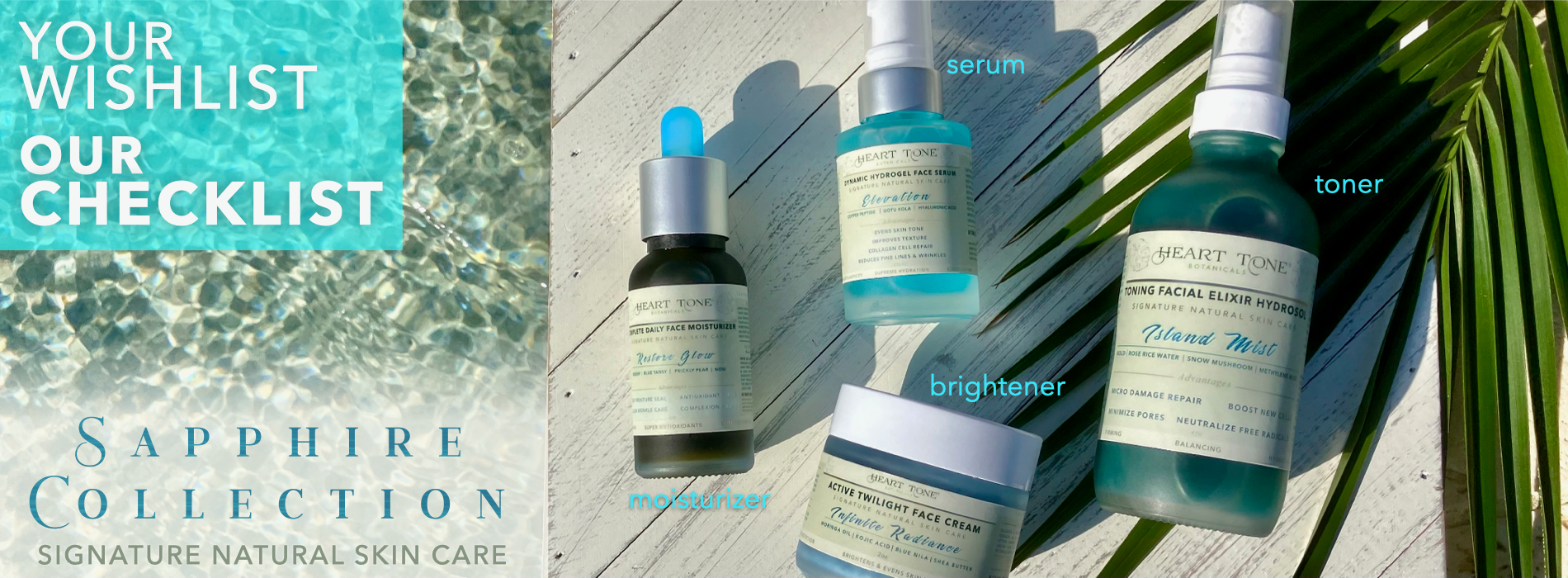
Heart Tone Botanicals' Island Mist Toning Facial Elixir Hydrosol is built on this exact principle. It's a true botanical hydrosol—not a reconstituted water with fragrance added—formulated to do everything a good toner should: reset pH, hydrate, and prepare skin for the steps that follow.
It works as a standalone toner in any routine, but it's also designed to integrate seamlessly with the rest of the Heart Tone facial care line:

- After cleansing, before the Dynamic Hydrogel Face Serum—it primes your skin to absorb the serum more effectively.
- As a midday mist to refresh and reset without re-cleansing.
- Over the Complete Daily Face Moisturizer to lock in and refresh hydration—a technique borrowed from Korean skincare that works remarkably well.
- As part of the full AM/PM Face System or the Complete Face Ritual.
No alcohol. No synthetic fragrance. No tight, stripped feeling. Just botanical intelligence applied directly where your skin can use it.
How to Use a Natural Facial Toner by Skin Type
Dry or Dehydrated Skin
Apply toner immediately after cleansing—within 60 seconds if possible—while your skin is still slightly damp. This "sandwich hydration" method traps existing moisture while delivering new hydration. Follow immediately with serum and moisturizer to seal it in. A hydrosol mist also works beautifully throughout the day as a hydration reset.
Oily or Acne-Prone Skin
A common mistake: using harsh, alcohol-based toners to "fight" oiliness. This backfires. Stripping the skin signals it to produce more sebum, creating a cycle that's hard to break. A gentle hydrosol toner that rebalances pH without stripping actually helps regulate oil over time. Look for formulas with botanical ingredients known for their clarifying properties—green tea, chamomile, botanicals with natural antimicrobial properties.
Sensitive or Reactive Skin
Hydrosols are ideal for sensitive skin precisely because they're dilute—the aromatic compounds are present but gentle enough for daily use without accumulating irritation. Avoid toners with active exfoliants (glycolic acid, salicylic acid) until your barrier is healthy; a plain hydrating hydrosol is the safer starting point. The Botanical Skin Gel pairs especially well as a calming follow-up step.
Combination Skin
The goal is balance. A hydrosol toner applied all over helps equalize the oilier and drier zones rather than treating them as separate problems. Most people with combination skin find they need less heavy moisturizer in their T-zone after consistently using a good balancing toner.
Mature or Aging-Concerned Skin
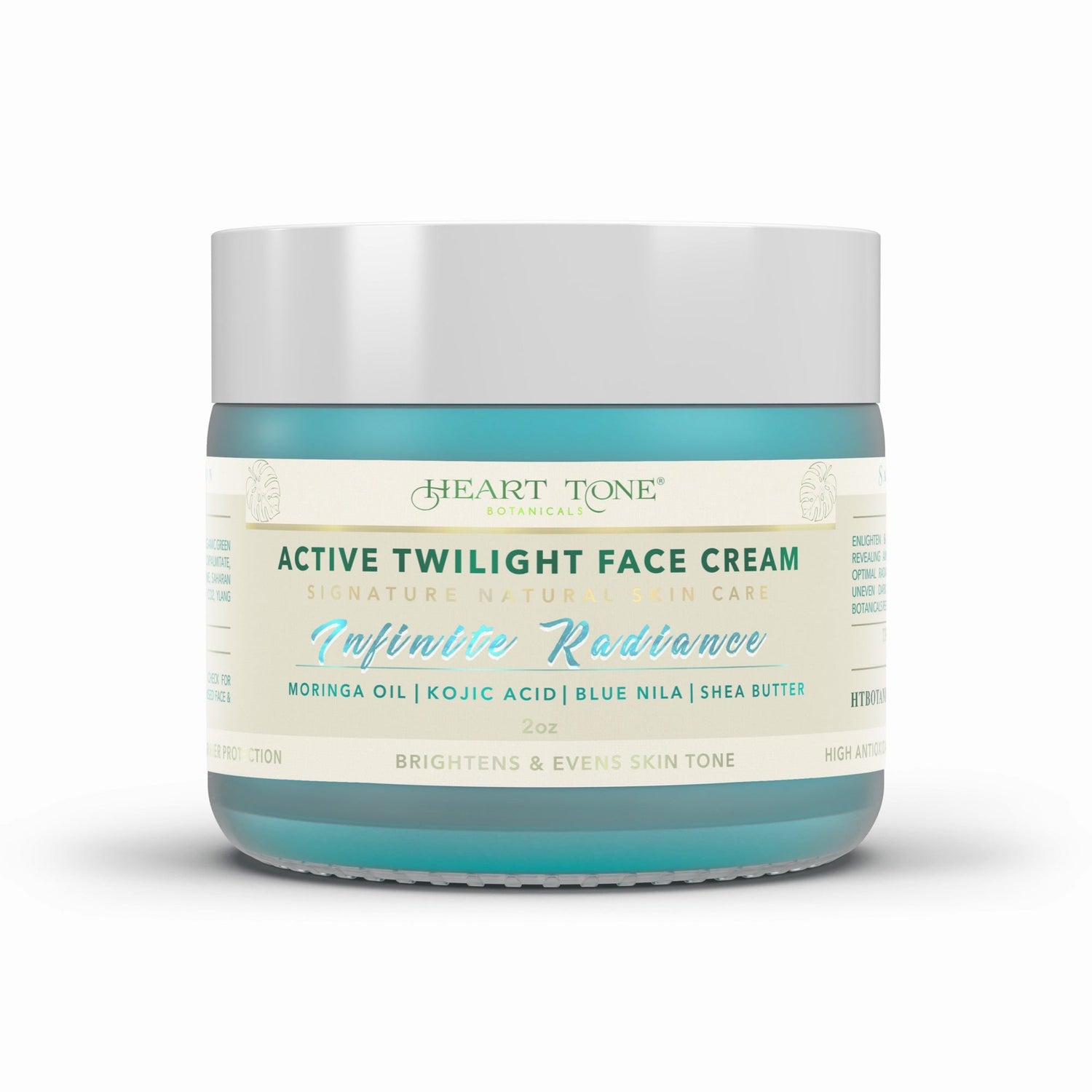
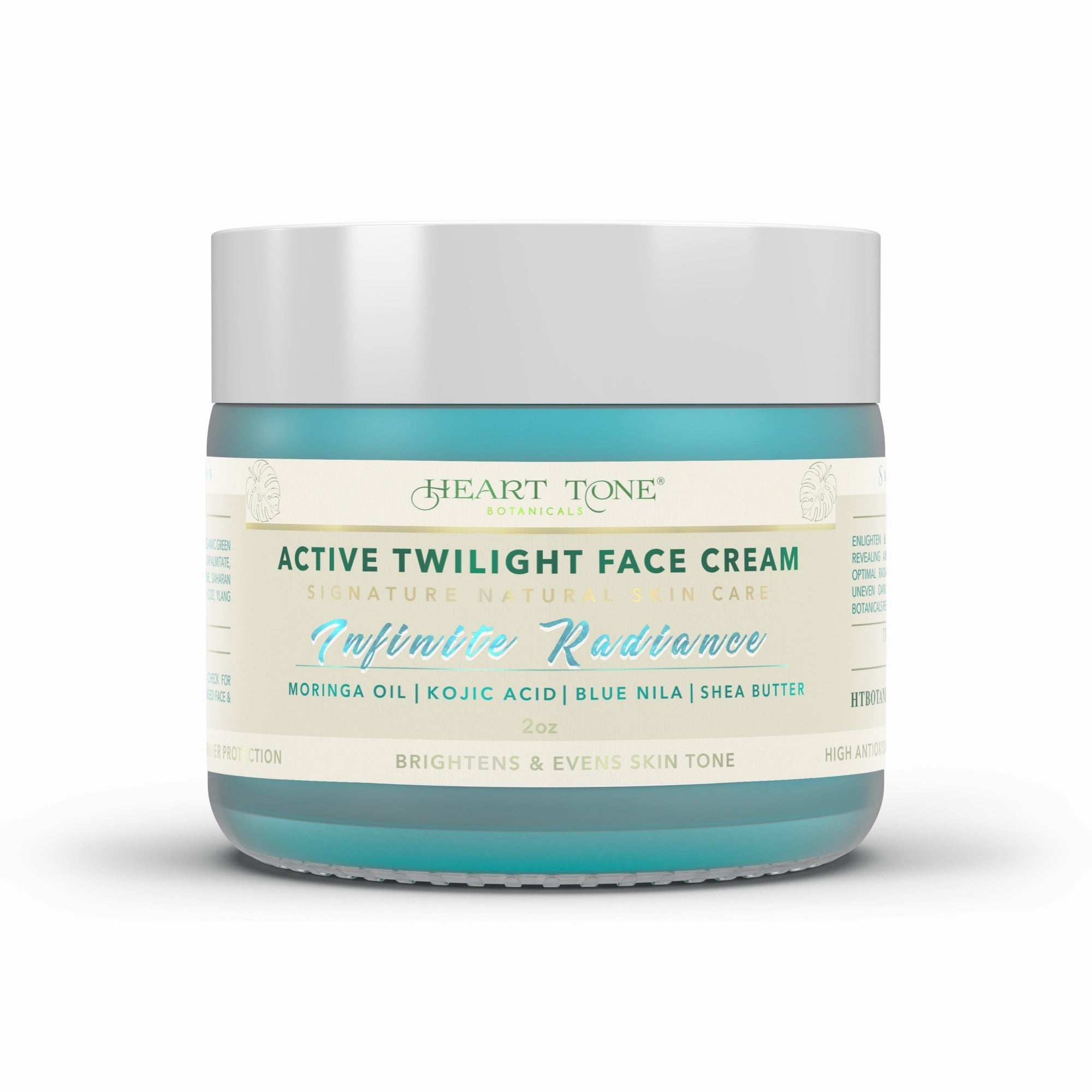
Focus on hydration and barrier support. A hydrosol toner sets up your skin to absorb antioxidant serums and richer moisturizers more effectively—both of which are the real workhorses for supporting skin elasticity and tone. The Active Twilight Face Cream and Dynamic Hydrogel Face Serum work significantly better when skin has been properly prepped with a toner first.
Where Toner Fits in Your Routine
The rule is simple: toner goes after cleansing and before everything else. Here's the full sequence:
- Cleanse — removes surface impurities
- Tone — rebalances pH, removes residue, delivers initial hydration
- Serum — targeted botanical actives (hyaluronic acid, antioxidants, peptides)
- Moisturizer — seals hydration, supports barrier
- SPF (AM only) — UV protection over everything
For a fully integrated routine built around these principles, the Complete Face Ritual brings the Island Mist, serum, and moisturizer together in one system designed to work synergistically.
Signs You're Using the Wrong Toner
Not all toners are equal, and it's worth knowing how to tell if yours is working against you:
- Tightness or tingling after application — usually indicates high alcohol content or an ingredient your skin doesn't agree with.
- Increased oiliness over the following hours — could be skin compensating for stripping.
- More breakouts after starting a new toner — possible irritation or pore-clogging ingredients.
- No perceptible difference — the toner may simply not contain effective actives; not all toners are created equal.
A well-matched natural toner should make your skin feel subtly more balanced, hydrated, and comfortable—not dramatically different in the moment, but noticeably better over two to four weeks of consistent use.
The Bottom Line
A natural facial toner isn't a luxury or a gimmick—it's a precision step that helps every other part of your routine work better. When it's a true botanical hydrosol, it also delivers plant intelligence that supports your skin at the cellular level: rebalancing pH, fortifying the barrier, and bringing your skin back to its natural baseline after the stress of cleansing.
The Island Mist Toning Facial Elixir Hydrosol is Heart Tone's answer to what a toner should be: pure, purposeful, and grown from the same botanical principles that guide everything the brand makes. If you've never found a toner worth keeping in your routine, it's worth trying one made this way.
Explore the full facial care collection to build a routine that works with your skin, not against it.

Leave a comment
This site is protected by hCaptcha and the hCaptcha Privacy Policy and Terms of Service apply.