

You pop a mint. You spray something cool. Thirty minutes later, the problem is back — sometimes worse than before.

That's the dirty secret of the conventional breath freshener market: most products don't solve bad breath. They mask it. And some of the most popular ingredients actually make the underlying problem worse over time.
If you've been chasing fresh breath with products that aren't delivering, it's not your fault. The category is built around quick-hit sensation, not root cause. Here's what's actually happening in your mouth — and what a natural approach does differently.
Why Conventional Breath Products Fail
Walk down any drugstore aisle and you'll find the usual suspects: alcohol-based mouthwashes, sugar-loaded mints, sprays with synthetic fragrance. Each one is designed to hit your nose and taste buds hard for 20 to 30 minutes. None of them address where bad breath actually comes from.
The Alcohol Problem
Most mainstream mouthwashes contain 20% or more ethanol — enough to create a burning sensation that signals "it's working." It isn't. Alcohol kills indiscriminately, wiping out beneficial oral bacteria along with the harmful kind. But more importantly, alcohol dries your mouth. And a dry mouth is one of the primary causes of chronic bad breath.
Saliva is your mouth's first line of defense. It rinses food particles, neutralizes acids, delivers antimicrobial proteins, and keeps odor-causing bacteria in check. When you chronically dry your mouth with alcohol mouthwash, you create the exact conditions that allow bad breath bacteria to thrive. The product is, quite literally, making the problem worse.
The Sugar Problem
Mints and gum are usually sweetened with sugar or sorbitol — both of which feed oral bacteria. The same bacteria that produce volatile sulfur compounds (the actual chemical cause of bad breath) feed on sugar and produce more of those compounds. You're feeding the problem while masking the symptom.
The Masking Problem
Synthetic fragrance — menthol, artificial mint, chemical "freshness" — creates a sensory impression of cleanliness. Your nose thinks your mouth is fresh. The bacteria think nothing at all. They continue doing exactly what they were doing before you sprayed.
Where Bad Breath Actually Comes From
Bad breath (halitosis) is produced almost entirely by anaerobic bacteria — organisms that thrive in low-oxygen environments. The back of the tongue, the gum line, and spaces between teeth provide exactly this kind of environment.
These bacteria break down proteins from food, dead cells, and mucus, releasing volatile sulfur compounds (VSCs) as a byproduct. Hydrogen sulfide, methyl mercaptan, dimethyl sulfide — these are the actual molecules you smell. No amount of minty fragrance changes the fact that they're present.
A dry mouth accelerates this process. So does high sugar intake, poor sleep, certain medications, gut dysbiosis, and chronic postnasal drip. The bacteria aren't the enemy by themselves — they're part of a normal oral ecosystem. The problem is when conditions allow them to overgrow and dominate.
What Natural Breath Fresheners Do Differently
A genuinely natural approach doesn't just mask VSC molecules. It works with your oral biology to reduce the conditions that cause them to accumulate.
Botanical Antimicrobials That Don't Sterilize
Plants have been managing bacterial populations for millions of years. Compounds like eugenol (clove), thymol (thyme), carvacrol (oregano), and menthol (peppermint) have well-documented antimicrobial properties — but unlike alcohol, they work selectively rather than scorching everything in sight.
Research on essential oil mouthwashes shows meaningful reductions in odor-causing bacteria without the collateral damage to beneficial species that alcohol causes. Your mouth microbiome can stay balanced while still getting support against problematic bacteria.
Ingredients That Neutralize Odor at the Source
Some natural ingredients don't just fight bacteria — they chemically neutralize the sulfur compounds already present. Zinc is one. Baking soda (sodium bicarbonate) is another — it raises oral pH, creating a less hospitable environment for acid-loving, odor-producing bacteria. Apple cider vinegar and certain citrus compounds work similarly.
Parsley's chlorophyll content gives it actual odor-neutralizing chemistry. Fennel seed contains anethole, which has both antibacterial properties and deodorizing action. These aren't folk remedies with no mechanism — the mechanisms are real, if less glamorous than a "30-second whitening formula."

Hydration Support Instead of Drying
Natural oral rinses built on water and herbal extracts don't dry your mouth. Some formulas include ingredients like aloe vera or glycerin that actively support mucosal moisture. A well-hydrated mouth has better saliva flow, which is your body's own most effective breath freshener.
The Role of Your Oral Microbiome
Breath quality is increasingly understood as a microbiome issue, not just a hygiene issue. People with chronically fresh breath tend to have diverse, balanced oral microbiomes. People with chronic halitosis often show specific overgrowth patterns — and those patterns are shaped by exactly the kind of products they use.
Alcohol mouthwash, used twice daily for years, reshapes your oral microbiome in ways that can entrench the problem. Switching to a botanical, alcohol-free formula doesn't just stop the damage — it gives your microbiome room to rebalance toward a more breath-friendly equilibrium.
This is a slow process. Most people who make the switch notice real improvement within two to four weeks — longer than the instant-gratification window that conventional products are optimized for, but far more durable.
Lifestyle Factors That Make a Real Difference
No product — natural or otherwise — compensates for systemic issues. The following factors have disproportionate impact on breath quality:
- Hydration. Drink water consistently. Chronic mild dehydration is one of the most common and overlooked causes of bad breath.
- Tongue cleaning. The back of the tongue is the primary habitat of VSC-producing bacteria. A simple tongue scraper used daily makes a larger difference than most people expect.
- Flossing. Food debris in interdental spaces is a significant protein source for odor bacteria. No rinse removes it.
- Gut health. Gastric reflux and gut dysbiosis can produce breath issues that originate below the mouth entirely. If your breath problem persists despite good oral hygiene, consider gut health as a factor.
- Nasal and sinus health. Postnasal drip coats the back of the throat with protein-rich mucus — premium food for odor bacteria.
What to Look for in a Natural Formula
If you're ready to switch from conventional breath products, here's what to look for — and what to avoid:
Look for: Essential oils with documented antimicrobial activity (peppermint, spearmint, clove, thyme, cinnamon), zinc for VSC neutralization, aloe vera or glycerin for moisture support, a short and readable ingredient list.
Avoid: Ethanol (alcohol) in any significant concentration, artificial sweeteners (sucralose, saccharin, aspartame), synthetic fragrance, SLS, artificial colors.
A formula that works long-term should leave your mouth feeling clean without that sterile, scorched sensation — and that freshness should last hours, not minutes.
Heart Tone's Approach to Oral Care
At Heart Tone Botanicals, our oral care philosophy starts with a simple question: what does your mouth actually need to stay healthy and fresh?
The answer isn't alcohol, synthetic mint, or antibacterial aggression. It's botanical intelligence — ingredients that work with your oral biology rather than against it.
Our Living Crystal Toothpaste skips fluoride, SLS, and artificial anything in favor of a formula built around remineralization and gentle microbial support. It's the foundation of a natural oral care routine that doesn't compromise your microbiome every time you brush.
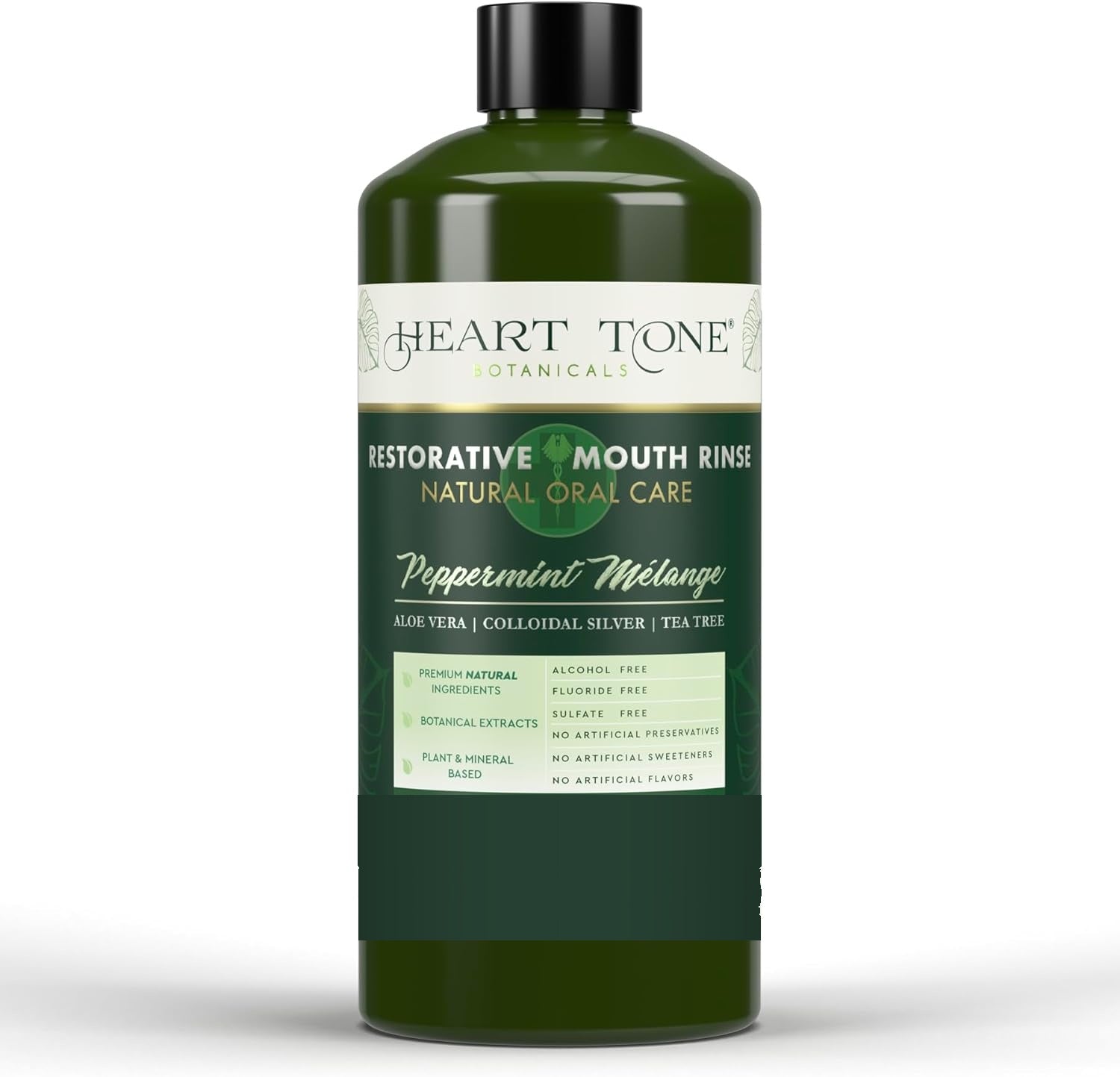
Our Complete Botanical Mouth Rinse takes a similar approach to rinsing — botanical actives, no alcohol, no synthetic fragrance. Used together, they address the actual chemistry of breath, not just the sensation.
If you're building a natural oral care routine from scratch, our oral care collection is a good place to start. Browse our natural toothpaste options if you're specifically looking to make the switch from conventional brands.
Fresh breath isn't complicated. It just requires understanding what's actually happening in your mouth — and choosing products designed to work with that biology, not just cover it up.

Leave a comment
This site is protected by hCaptcha and the hCaptcha Privacy Policy and Terms of Service apply.