












The Short Answer: The First Two Weeks Feel Different, Not Worse — Just Different
Switching to a natural, fluoride-free toothpaste when you already deal with sensitive teeth can feel like a gamble. Conventional sensitivity toothpaste trains you to expect a specific routine: a particular foam, a particular tingle, a particular taste. Natural formulas don't replicate that experience — they offer a different one. Most of the frustration people report after switching isn't about the formula being wrong for them; it's about not knowing what to expect during the adjustment period.
Here's what actually changes, what doesn't, and what to look for in an ingredient list if sensitivity is part of your daily reality.
What "Sensitive Teeth" Actually Means for Your Routine

Sensitivity shows up differently for everyone — a twinge with cold water, discomfort after citrus, a reaction to a firm-bristled brush. Because the triggers vary so much person to person, the products that feel comfortable vary too. This is why a texture that one person finds perfectly gentle can feel too abrasive for someone else, and it's the main reason "natural" and "gentle" aren't automatically the same thing on a label.
What matters more than any single ingredient is the whole profile of the formula: how abrasive the paste feels against enamel, whether it foams aggressively or gently, and whether the flavor system (mint oils, in most natural pastes) is intense enough to feel bracing rather than soothing.
What Actually Changes When You Switch
A few things are consistent across most people making the move from a conventional sensitivity toothpaste to a natural, fluoride-free one:
- Foam is different. Natural formulas typically use plant-derived cleansers instead of SLS, so the rich, heavy foam of conventional pastes is replaced with a lighter lather. This isn't a sign the product is doing less — foam volume and cleaning aren't the same thing — but it does feel unfamiliar for the first several brushings.
- Taste is more herbal, less medicinal. Botanical mint blends (peppermint, spearmint, wintergreen) taste rounder and less sharp than the synthetic mint flavoring used in most drugstore pastes. Some people prefer it immediately; others need a week or two to stop associating "clean" with the sharper synthetic taste.
- Texture can feel grittier or smoother, depending on the formula. Clay-based natural pastes (kaolin, bentonite) have a different mouthfeel than gel-based conventional formulas. Neither is inherently better for sensitive teeth — the abrasivity of the specific formula is what matters, not whether it's "natural" or "conventional."
- There's no medicinal aftertaste or numbing sensation. Conventional sensitivity toothpastes often leave a faint tingling or numbing feeling behind. A natural formula won't replicate that sensation, which some people miss out of habit even when the daily comfort is otherwise fine.
What to Look For in the Ingredient List
If you're shopping for a natural toothpaste and sensitivity is a factor, a few things are worth checking on the label before you buy:
- Low-abrasion base ingredients. Kaolin clay and bentonite clay are common in natural formulas and tend to feel gentler than the silica used in many brightening-forward pastes.
- No added brightening agents. Charcoal and high-silica brightening pastes are formulated to be more abrasive by design — a reasonable trade-off for some people, but usually the wrong choice if daily comfort is the priority.
- SLS-free formulation. Sodium lauryl sulfate is a foaming agent that some people find drying or irritating to soft tissue, independent of tooth sensitivity itself. Most natural toothpastes are formulated without it.
- A short adjustment window, not an instant switch. Give any new formula at least ten to fourteen days before judging it. Mouths adapt to a new texture and taste faster than most people expect, and the first few days are the least representative of how the toothpaste will actually feel long-term.
What Natural Formulas Won't Promise — And Why That's a Feature, Not a Gap
It's worth being direct about this: no cosmetic toothpaste, natural or conventional, should promise to eliminate sensitivity overnight or "fix" the underlying cause of tooth discomfort. Persistent or worsening sensitivity is worth mentioning to a dentist, since it can have a range of causes that a toothpaste formula alone can't address. What a well-formulated natural toothpaste can offer is a daily experience — texture, taste, and feel — that's comfortable enough to actually stick with, which matters because consistency in a daily routine is itself valuable.
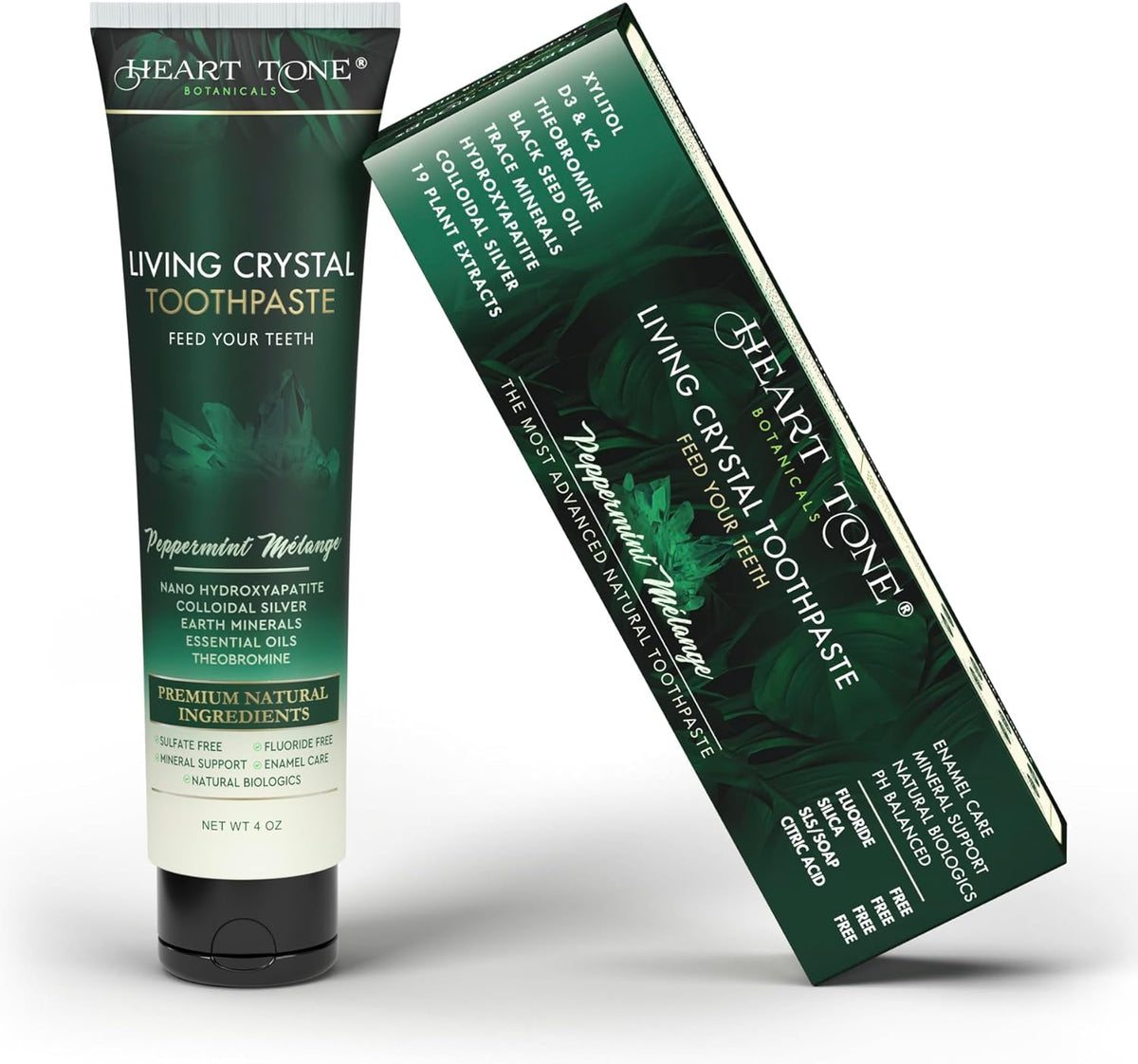
Living Crystal Toothpaste is built around this idea of daily comfort: a fluoride-free, clay-based formula with organic coconut oil, xylitol, and a spearmint-forward botanical mint blend, plus ingredients like micro hydroxyapatite and theobromine that are part of a growing wave of interest in mineral-based, fluoride-free formulas. It's formulated without SLS or synthetic foaming agents, so the lather is lighter by design rather than by accident. If you're pairing it with a rinse, the Restorative Mouth Rinse is alcohol-free, so it won't add the burning, drying sensation that alcohol-based rinses can bring to an already sensitive mouth.
You can find both, along with the rest of the lineup, on the Oral Care collection page.
The Bottom Line
Switching to a natural toothpaste when you have sensitive teeth isn't a downgrade or an upgrade — it's a different formula with a different feel, and most of the adjustment is about expectations rather than the product itself. Give it two weeks, pay attention to abrasivity and foaming agents rather than marketing claims, and judge the toothpaste on how your mouth actually feels by day fourteen, not day one.
Explore Living Crystal Toothpaste to see the full ingredient list and decide if it's the right fit for your daily routine.

Leave a comment
This site is protected by hCaptcha and the hCaptcha Privacy Policy and Terms of Service apply.