












What Actually Makes a Mouthwash "Natural"?

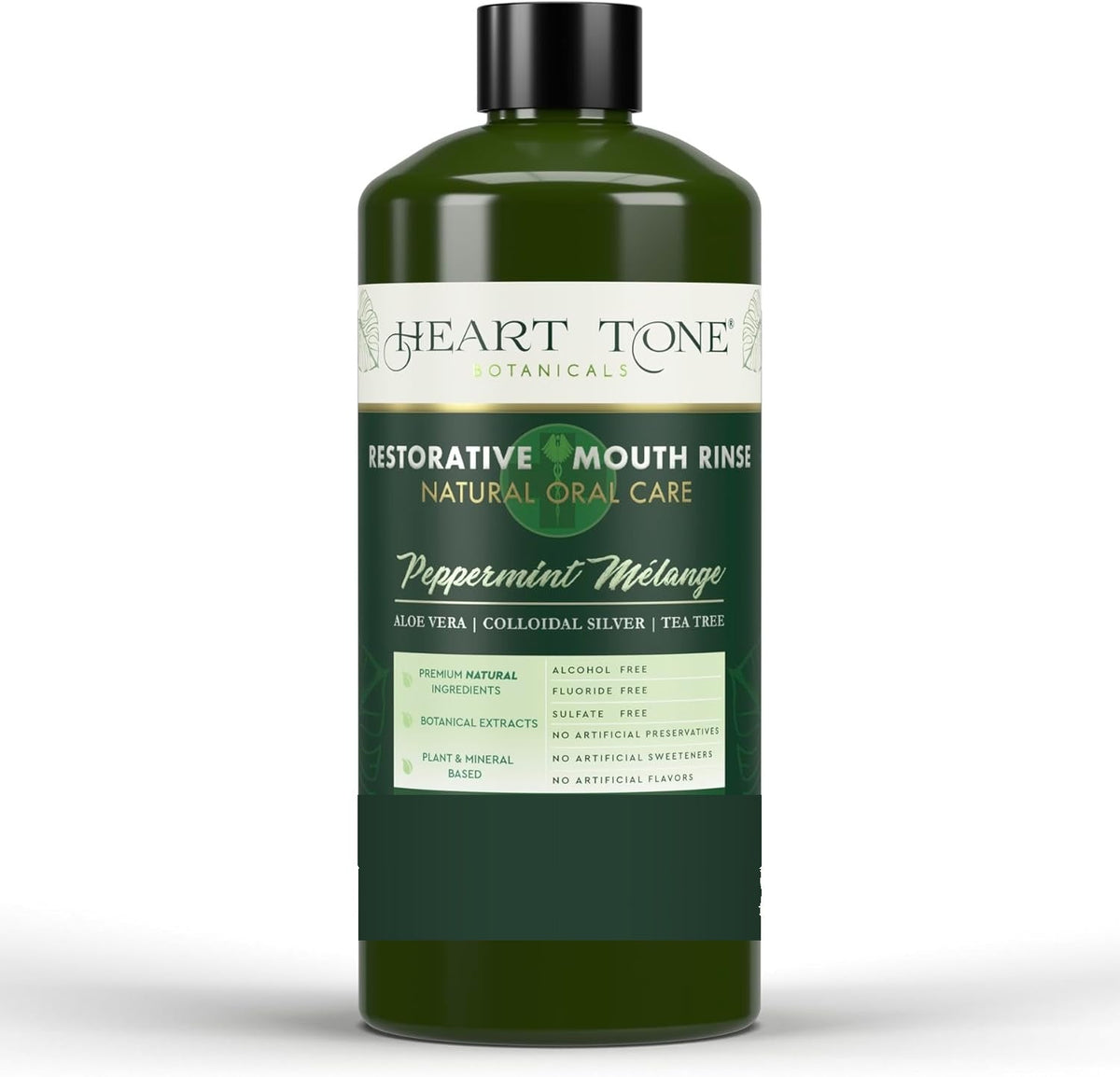
Walk down the oral care aisle and almost every mouthwash bottle claims to be "natural" in some way. But the label doesn't always match what's inside. A genuinely natural mouthwash is built around botanical extracts, plant-derived minerals, and traditional oral care ingredients — not a synthetic base with a splash of mint oil added at the end for marketing purposes.

If you're shopping for a natural mouthwash for the first time, the two things worth checking before anything else are the alcohol content and the ingredient list itself. Everything else — flavor, bottle, price — is secondary to those two.
Why Alcohol-Free Matters for Everyday Use
Most conventional mouthwashes lean on ethanol as their primary active carrier. It delivers an intense, immediate sensation — the classic "burn" people associate with a thorough rinse. But that same alcohol content can leave the mouth feeling dry with repeated daily use, which is part of why so many people find conventional mouthwash uncomfortable to use twice a day, every day.
An alcohol-free formula takes a different route. Instead of relying on a strong burning sensation to signal "it's working," it leans on botanical concentration — aloe vera, mineral-rich extracts, and essential oils — to deliver a clean, fresh feeling without the drying aftereffect. For people with sensitive oral tissue, children old enough to rinse and spit, or anyone in alcohol recovery, an alcohol-free rinse is simply a more comfortable daily fit.
Reading the Label: What a Real Botanical Formula Looks Like
Colloidal Silver
Colloidal silver has a long history of use in traditional natural personal care formulations, including oral rinses. It's valued for its gentle, non-drying character, and unlike alcohol, it doesn't leave the mouth feeling stripped or raw after use.
Farm-Grown Aloe Vera
Aloe vera leaf juice is one of the most widely used botanical ingredients in natural oral care, prized for its soothing, non-drying feel. It's a good fit for anyone who wants an alcohol-free daily rinse that feels gentle on oral tissue rather than sharp or astringent.
Peppermint, Wintergreen, and Spearmint
Mint has been part of oral care traditions for thousands of years, and for good reason — the natural menthol in peppermint oil creates an immediate cooling sensation that reads as "fresh" the moment it hits your mouth. A blend of peppermint, wintergreen, and spearmint (rather than a single mint note) tends to deliver a rounder, longer-lasting sensory experience than a one-note formula.
Myrrh and Botanical Resins
Myrrh resin is one of the oldest ingredients in the history of oral care, used in traditional formulations since antiquity. In a modern rinse, myrrh extract contributes a warm, distinctive botanical character and a lasting clean sensation that goes beyond a simple mint mask.
What to Skip When You're Reading Labels
Not every product marketed as "natural" earns the label. A few things worth watching for:
- Trace-amount botanicals — a formula that lists a botanical extract near the very end of a long ingredient panel, in tiny amounts, isn't going to deliver much of a sensory experience.
- Artificial sweeteners and dyes — these add little beyond shelf appeal and work against the goal of a clean, simple formula.
- Alcohol high on the ingredient list — if ethanol or SD alcohol appears near the top, it's still fundamentally an alcohol-based rinse regardless of what the front label says.
- A single-ingredient "hero" story — real botanical formulas tend to combine many complementary extracts rather than leaning on one ingredient to do all the work.
Working a Natural Mouthwash Into Your Routine
A natural mouthwash works best as part of a complete routine rather than a stand-alone fix. Most people get the most out of it used morning and evening, after brushing and flossing, as a final rinse-and-spit step. Because alcohol-free botanical formulas are gentle enough for twice-daily use without the dryness that comes with alcohol-based rinses, they tend to fit more naturally into a consistent routine — and consistency is what actually matters with any oral care habit.
If you're building out a full natural routine, a fluoride-free toothpaste formulated with complementary botanical ingredients is a natural next step alongside your rinse, so the two products are working from the same clean ingredient philosophy rather than pulling in different directions.
The Bottom Line
A natural mouthwash is only as good as its formula. Look for an alcohol-free base, meaningful concentrations of botanical extracts like aloe vera and myrrh, and a real mint complex rather than a single synthetic flavor note. Skip anything that leads with alcohol, artificial sweeteners, or a single buzzy ingredient stretched thin across a long, diluted ingredient list.
If you're ready to try a genuinely botanical, alcohol-free formula, the Restorative Mouth Rinse from Heart Tone Botanicals is built on 22 botanical ingredients — including farm-grown aloe vera, colloidal silver, and myrrh — with no alcohol, no fluoride, and no synthetic additives. Pair it with our Living Crystal Toothpaste, a fluoride-free formula built around hydroxyapatite and theobromine, for a complete daily ritual. You can also browse our full natural oral care collection.


Leave a comment
This site is protected by hCaptcha and the hCaptcha Privacy Policy and Terms of Service apply.