












Why the Skin Around Your Eyes Is Different

The skin under your eyes is the thinnest on your entire face — sometimes less than half a millimeter thick. It has fewer oil glands, less collagen, and almost no fat cushion underneath it. That's why the eye area is usually the first place to show fatigue, dehydration, and age.
Dark circles, puffiness, crow's feet, and crepey skin aren't random. They're responses to very specific stressors: poor lymphatic drainage, UV damage, lack of sleep, low humidity, and declining collagen over time. A good natural eye cream works by addressing those root causes — not by masking symptoms with heavy silicones or synthetic brighteners.
Here's what to actually look for, what to avoid, and how to build an eye care routine that delivers real results.
The Four Main Eye Concerns (And What Addresses Each)
1. Dark Circles
Dark circles have two primary causes: pigmentation (melanin deposits under the skin) and vascular pooling (blood that shows through thin, translucent skin). Most natural options work toward a visibly brighter, more even-toned under-eye appearance.
- Vitamin C is one of the most widely used ingredients for visibly brightening the look of the skin. It has a long history of use in traditional botanical skincare and is valued for contributing to a more even-toned appearance over time.
- Green tea extract is a botanical ingredient with centuries of use in traditional skincare. It's valued for its rich botanical character and for contributing to a visibly refreshed, more even-looking under-eye appearance.
- Licorice root has a long history of traditional use in botanical skincare and is valued for contributing to a visibly brighter, more even complexion over time.
- Cold application still matters. A cool compress for 5 minutes before your morning skincare helps the eye area look and feel more refreshed — it's not glamorous, but it works.
2. Puffiness and Under-Eye Bags
Under-eye puffiness is largely a fluid issue — lymphatic fluid accumulates overnight and doesn't drain as efficiently as you age. Salt-heavy meals, alcohol, and low sleep all make it worse.
- Caffeine is one of the most widely used topical ingredients in eye care formulations. It has a well-established place in traditional and modern skincare for the appearance of a more refreshed, less puffy-looking eye area. Look for it in the first five ingredients for meaningful concentration.
- Aloe vera has a cooling sensation and a long tradition of use in botanical skincare — it's particularly valued when applied cool for a refreshed, comfortable feeling around the eye area.
- Cucumber extract delivers a similar cooling sensation and is a staple of traditional botanical skincare for the appearance of a more refreshed, comfortable eye area.
- Gua sha or gentle lymphatic massage (sweeping lightly outward from the inner corner of the eye) is one of the most underrated tools for morning puffiness.
3. Fine Lines and Crow's Feet
Fine lines around the eyes form from repeated muscle movement, collagen loss, and dehydration. The skin in this area loses elasticity faster than anywhere else on the face.
- Peptides are short chains of amino acids with a growing history of use in modern skincare. They're gentle, well-tolerated by sensitive skin, and valued for contributing to the appearance of firmer, more youthful-looking skin over time.
- Bakuchiol is a botanical ingredient with roots in traditional herbal practice. It's an increasingly popular choice in clean skincare for the eye area, valued for its gentle character and compatibility with sensitive, thin skin.
- Hyaluronic acid is a well-established hydrating ingredient that helps skin look visibly plumper and feel more comfortable. Look for formulas with multiple molecular weights for both a surface and deeper hydration sensation.
- Rosehip oil is rich in naturally occurring fatty acids and botanical compounds — a versatile plant oil with a long tradition of use in skincare, valued for contributing to a softer, more supple-looking appearance over time.
4. Dryness and Crepey Skin
Crepe-like texture under the eyes usually means the skin barrier is compromised. The fix is consistent, gentle hydration — not heavier creams.
- Squalane (derived from olives or sugarcane) is an emollient that closely resembles the skin's natural oils and absorbs completely without clogging. It's one of the most comfortable options for sensitive, thin skin.
- Ceramides are lipid-based ingredients that support a comfortable, non-dry skin feel. Ceramide-rich formulas are particularly valued for skin that feels persistently dry or tight.
- Aloe vera provides lightweight hydration without the heaviness of oils or butters — ideal for daytime use or layering under a moisturizer.
What to Avoid in Eye Creams
The eye area is less forgiving than the rest of your face. Ingredients that are fine on your forehead or cheeks can cause significant irritation, milia (clogged pores that look like tiny white bumps), or skin reactivity around the eyes.
Watch out for:
- Fragrance (synthetic or natural essential oils) — the eye area has no business being scented. Lavender, citrus, and mint oils are common in "natural" products and common causes of eye-area irritation.
- High-concentration retinol — effective for the rest of the face, but too aggressive for the thin skin around the eyes, especially without building tolerance first.
- Mineral oil and petrolatum — occlusive, comedogenic near the eye, and do nothing to address root causes. They belong in lip balm, not eye care.
- Alcohol-heavy formulas — denatured alcohol speeds absorption but strips the moisture your eye area most needs.
- Synthetic brighteners like hydroquinone — plant-based alternatives are easier to tolerate and better suited for daily use.
Do You Actually Need a Separate Eye Cream?
Honest answer: not always. The question isn't whether a product is labeled "eye cream" — it's whether the formula is appropriate for the delicate skin around your eyes.
Many facial moisturizers and serums work beautifully around the eye area — as long as they're fragrance-free, not too active (no high-concentration acids or retinol), and lightweight enough not to cause milia. The key is application: stay half an inch below the lash line and use a light tapping motion, never dragging.
Heart Tone Botanicals' Dynamic Hydrogel Face Serum is a good example of a serum that works well around the eye area. It's formulated without synthetic fragrance, delivers deep hydration through a gel base, and absorbs without residue — making it appropriate for the orbital zone as well as the full face.
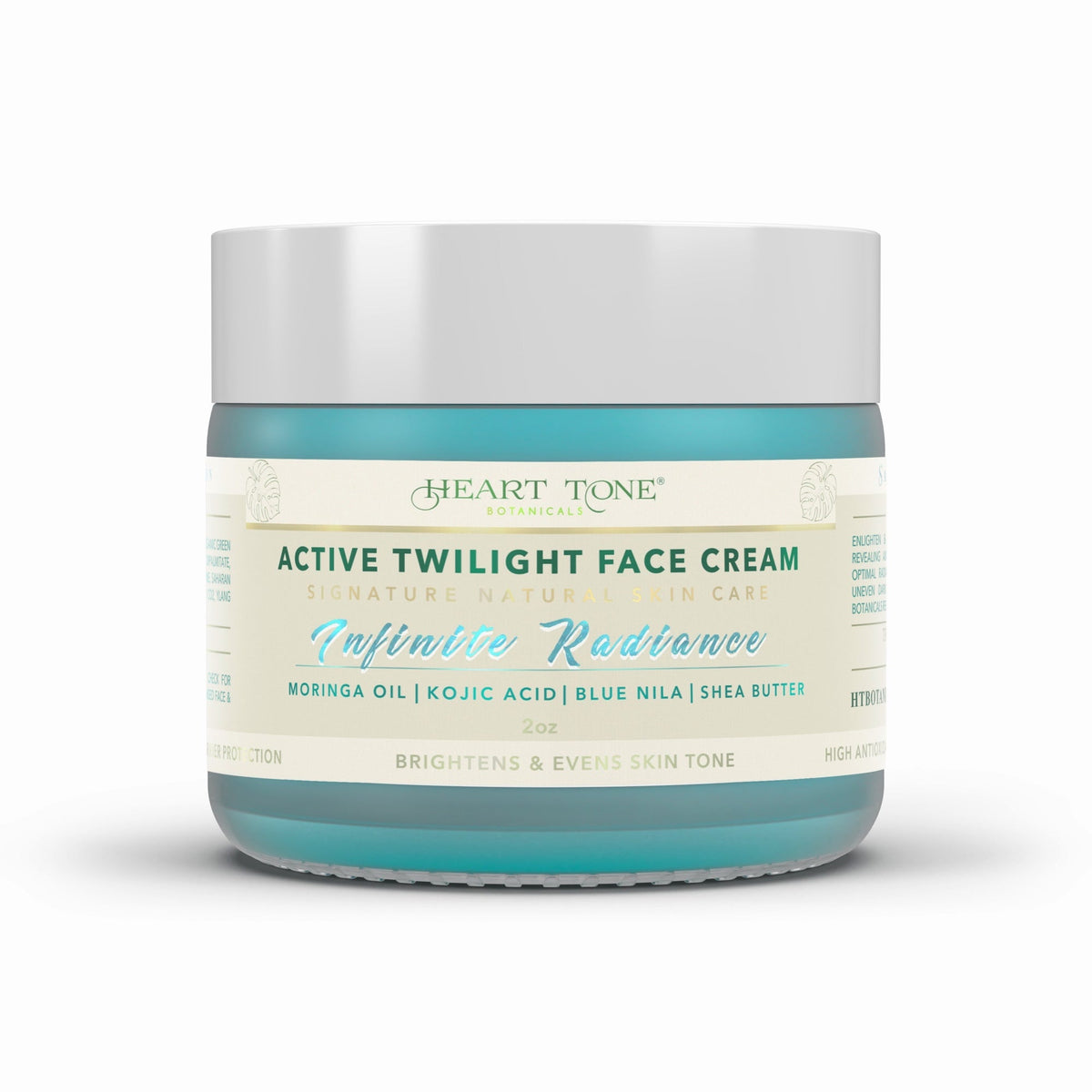
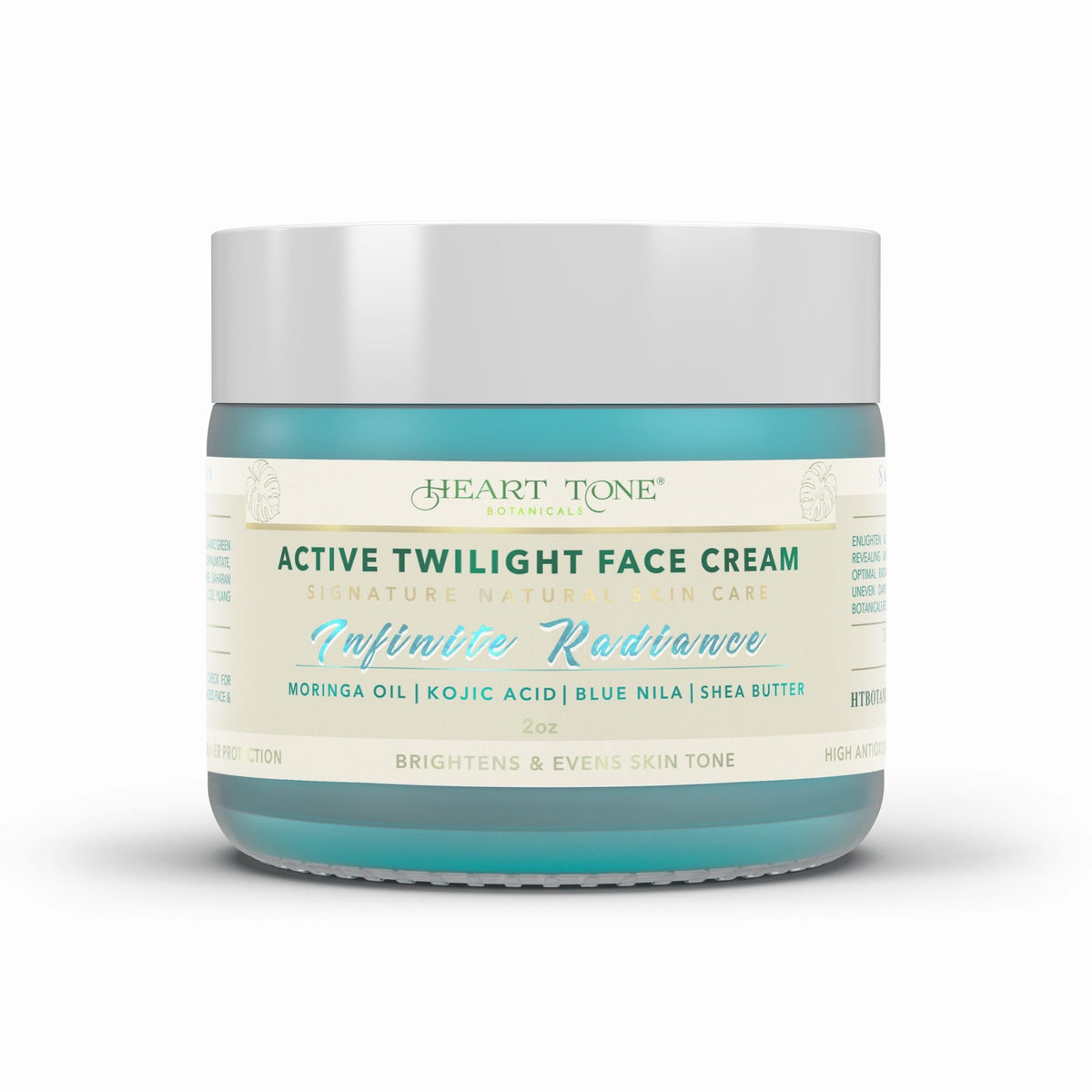
For richer overnight use, the Active Twilight Face Cream is designed for evening use when you want a richer botanical formula working alongside your skin through the night. It can be used lightly around the eye area as part of your evening routine.
The Botanical Skin Gel is another versatile option — its cooling gel texture and clean ingredient profile make it particularly suitable for puffiness-prone mornings when you want something light and calming.
A Simple Natural Eye Care Routine
You don't need six products for the eye area. You need the right ones, applied consistently.
Morning:
- Rinse with cool water (supports lymphatic drainage).
- Apply a lightweight, fragrance-free serum around the eye area — tap gently with your ring finger, which naturally applies lighter pressure.
- Finish with an SPF-containing moisturizer. UV exposure is one of the primary accelerants of eye-area aging.
Evening:
- Double cleanse to remove sunscreen and the day's pollution (both oxidative stressors).
- Apply a peptide or bakuchiol serum around the eye area while skin is slightly damp.
- Seal with a gentle, rich night cream or face oil — applying actives to slightly damp skin helps them absorb more readily.
The AM/PM Face System is built around exactly this two-part logic — a daytime formula optimized for protection and hydration, and a nighttime formula designed for deep botanical nourishment. It's a clean, low-waste way to cover both needs without a bathroom shelf full of single-purpose products.
For a comprehensive routine that covers cleansing through moisturizing, The Complete Face Ritual brings the full HTB facial lineup together in one system — including the Island Mist Toning Facial Elixir Hydrosol, which makes an excellent pre-serum step to prep skin for better absorption.
Lifestyle Factors That Actually Move the Needle
The best eye cream in the world has limits if you're sleeping four hours a night and skipping water. These factors have an outsized effect on the eye area specifically:
- Sleep position: Sleeping on your stomach or side compresses the face and promotes fluid pooling. Back sleeping significantly reduces morning puffiness over time.
- Hydration: The eye area is one of the first places to show dehydration. Drinking adequate water (not just applying it) keeps the skin visibly fuller.
- Sunglasses: UV exposure degrades collagen and causes squinting — both of which accelerate crow's feet. Wearing polarized UV-blocking sunglasses is genuinely mature-skin.
- Screen time: Sustained screen focus causes you to blink less, drying out the eyes and the surrounding skin. Consciously blinking and using the 20-20-20 rule (look 20 feet away for 20 seconds every 20 minutes) reduces eye strain and the tension wrinkles that come with it.
- Sodium and alcohol: Both promote fluid retention. Cutting back — even temporarily — often produces visible improvement under the eyes within a few days.
The Bottom Line
Natural eye care works best when it's ingredient-led, not label-led. "Natural" doesn't automatically mean safe or effective around the eyes — but the right botanical ingredients deliver visible results, often with less irritation than their synthetic counterparts.
Prioritize formulas that are fragrance-free, contain well-established botanicals and actives (caffeine, vitamin C, peptides, hyaluronic acid), and are lightweight enough to absorb without causing milia. Apply with a light hand, twice daily, and give any new product at least 6–8 weeks before judging results.
Explore Heart Tone Botanicals' full facial care collection — every formula is made without synthetic fragrance, without unnecessary additives, and with the same botanical integrity that makes clean beauty worth choosing.

Leave a comment
This site is protected by hCaptcha and the hCaptcha Privacy Policy and Terms of Service apply.