

Walk into any beauty aisle and you'll see shelf after shelf of body lotions — thick, white, fragranced creams that promise to moisturize but often deliver a temporary, watery fix. Natural body oils work differently. They work with your skin's biology, not against it, by mimicking the lipids your skin already produces.

If you've wondered whether a body oil is right for you — or which one to choose — this guide breaks it down honestly: what body oils actually do, how to use them for the best results, and how to pick the right one for your skin type.
What Does a Natural Body Oil Actually Do?
Your skin has a natural lipid barrier — a protective layer made of fats, waxes, and oils that keeps moisture in and environmental irritants out. When this barrier gets disrupted by harsh soaps, cold weather, over-washing, or synthetic skincare products, skin becomes dry, flaky, reactive, and rough.
Natural plant oils are structurally similar to your skin's own lipids. When you apply them, your skin can incorporate them into the barrier layer directly, reinforcing and repairing it rather than just sitting on top like conventional mineral-oil-based products do.
Here's what a quality natural body oil does:
- Seals in moisture — especially effective when applied to damp skin right after a shower
- Repairs the lipid barrier — addresses the root cause of dryness, not just the symptom
- Delivers vitamins and antioxidants — fatty acids, vitamin E, vitamin A, and polyphenols that support healthy cell turnover
- Softens and smooths texture — rough patches, keratosis pilaris, and flakiness respond well to regular oil application
- Supports elasticity — antioxidant-rich oils help slow signs of premature aging in the skin
- Calms irritation — many plant oils have natural anti-inflammatory properties, making them useful for eczema-prone or sensitive skin
What body oils don't do: they don't add water to the skin. They're occlusive and emollient — they seal and soften. For this reason, they work best on slightly damp skin or layered after a water-based product.
Natural Body Oil vs. Body Lotion: Which Is Better?
This is one of the most common questions about body oils. The honest answer is: it depends on what you're trying to accomplish.
Body lotions are emulsions — water + oil blended together with emulsifiers and preservatives. They deliver hydration (from the water) and some moisture retention (from the oil), but they require preservatives, stabilizers, and often synthetic ingredients to hold that emulsion together. The moisture they deliver evaporates as the water portion dries.
Natural body oils are pure — just plant lipids, sometimes blended with botanicals or essential oils. No water, no emulsifiers, no preservatives needed. They're concentrated, so you use less, and they work at the barrier level rather than delivering a water hit that fades quickly.
For intensely dry skin, layering both can work well: apply a water-based moisturizer first, then seal it with a light body oil to lock everything in. For skin that just needs daily maintenance and glow, a good body oil on damp skin is often all you need.
How to Use Natural Body Oil for Maximum Results
Application technique makes a significant difference with body oils. Most people use too much, apply it to dry skin, or don't give it time to absorb properly.
The Damp Skin Method (Recommended)
- Shower or bathe as usual
- Pat skin with a towel — leave it slightly damp, not dripping
- Pour a small amount of body oil into your palms (start with less than you think you need)
- Rub your hands together to warm the oil slightly
- Apply in long, upward strokes, massaging gently into skin
- Allow 2–3 minutes to absorb before dressing
The damp skin method is the key insight most people miss. Water evaporating from the skin surface creates a mild suction that helps draw the oil into the upper skin layers. It also means you need significantly less product.
Targeted Application Tips
- Elbows and knees: These areas have thicker skin and absorb more — apply a slightly larger amount and massage in circular motions
- Stretch marks and scars: Consistent daily massage with oil improves the appearance over time; rosehip and pomegranate oils are particularly well-researched for this
- Body massage: Body oils are ideal massage mediums — they provide the right slip, absorb gradually, and deliver benefits while you work
- Cuticles and rough hands: A drop of body oil is excellent first aid for cracked cuticles and dry hands between washes
Choosing a Natural Body Oil by Skin Type
Not all plant oils behave the same way. The wrong choice for your skin type can feel heavy, greasy, or even clog pores. Here's how to navigate it.
Dry or Very Dry Skin
Look for richer, more occlusive oils: coconut, avocado, shea-derived oils, and marula. These form a stronger barrier and deliver intense nourishment. Apply while skin is still quite damp for best absorption.
Oily or Combination Skin
Lightweight oils work best: jojoba, grapeseed, argan. Counterintuitively, oily skin often responds well to the right oils — jojoba, in particular, closely resembles the skin's own sebum and can actually help regulate oil production over time.
Sensitive or Reactive Skin
Keep it simple. Single-ingredient or minimally blended oils with low fragrance are safest. Sweet almond, sunflower, and chamomile-infused oils are gentle and calming. Always patch test first, especially with essential oil blends.

Mature or Aging Skin
Prioritize antioxidant-rich oils: rosehip, pomegranate, argan. These support collagen, improve elasticity, and help even out texture and tone. Consistency matters more than any single application — make it a daily ritual.
Eczema-Prone or Irritated Skin
Barrier repair is the goal. Sunflower, coconut (on non-face areas), and calendula-infused oils are traditionally used for eczema and dermatitis. Fragrance-free formulations are essential — many essential oils can trigger flares even in "natural" products.
What to Look for in a Natural Body Oil (And What to Avoid)
The natural beauty market has a greenwashing problem. Products labeled "natural" or "botanical" often contain mostly mineral oil (derived from petroleum), synthetic fragrance, and a token drop of a plant oil for marketing purposes.
What to look for:
- Plant oils listed in the first 1–3 ingredients (INCI names end in -oil or look like "helianthus annuus seed oil")
- Short ingredient lists you can actually read
- No mineral oil (paraffinum liquidum) as the base
- Fragrance from essential oils if at all (not "parfum" or "fragrance")
- Small-batch production when possible — plant oils are sensitive to heat and light, and fresher is better
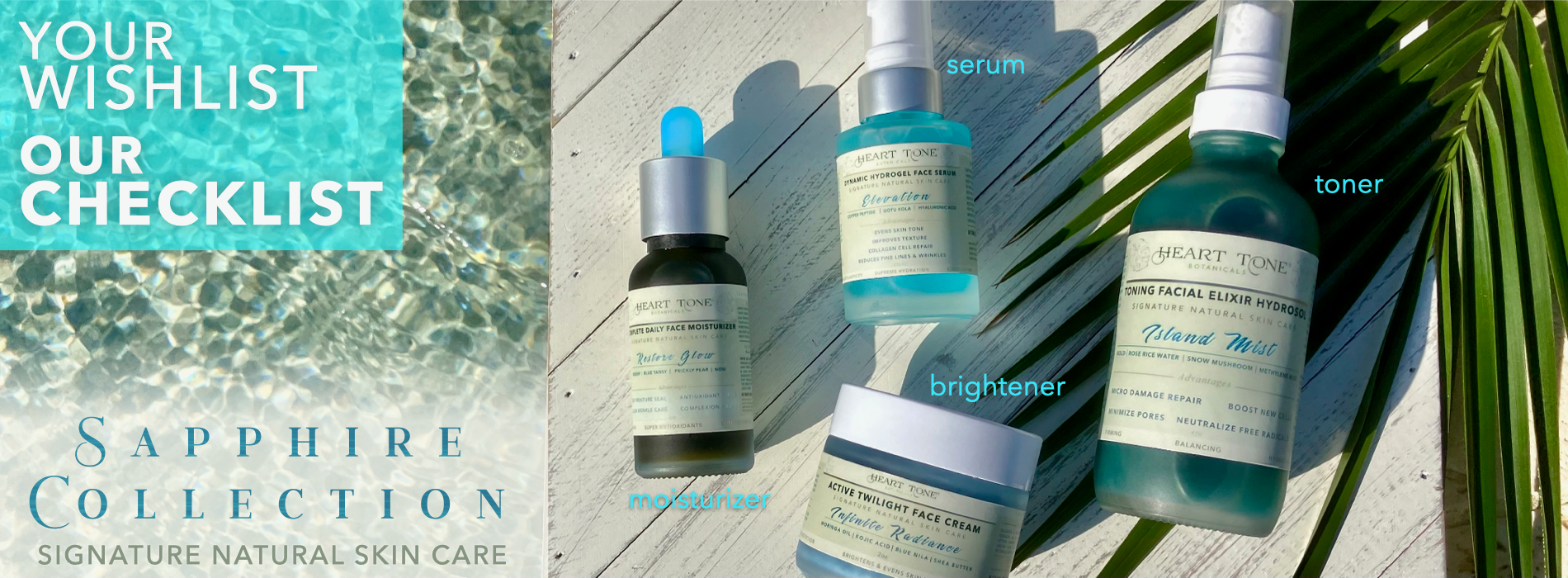
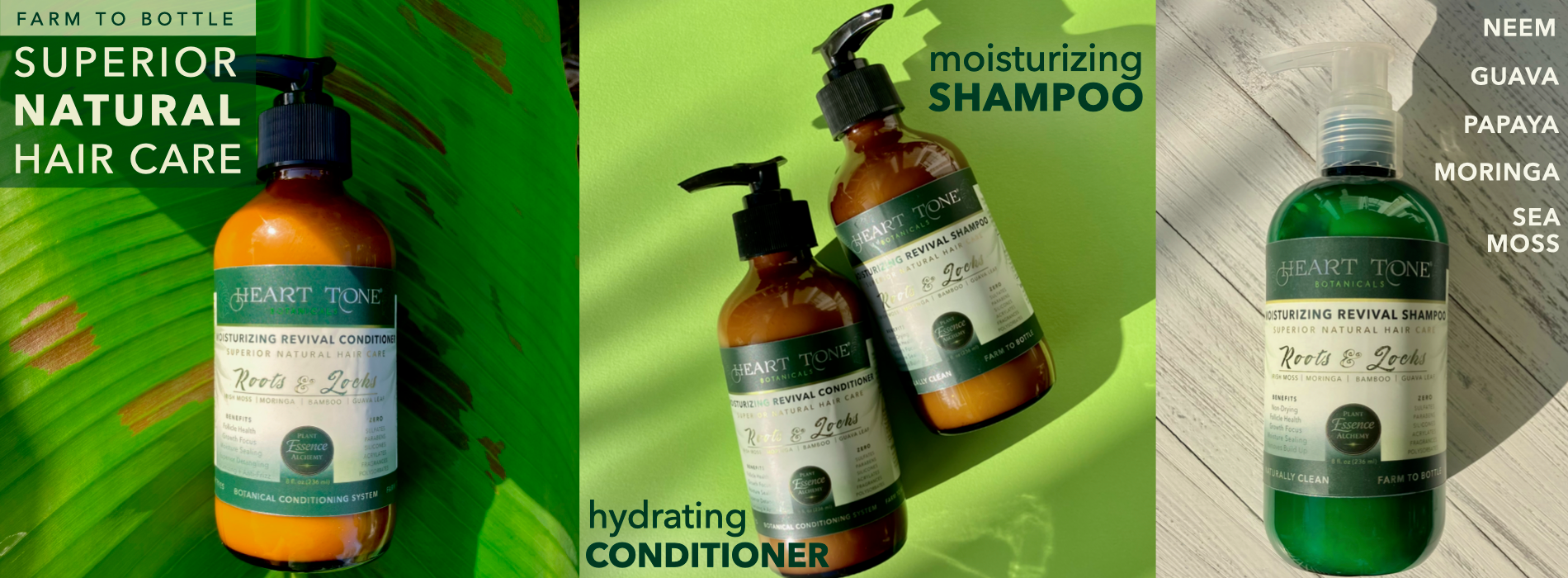
At Heart Tone Botanicals, every formulation is small-batch, handcrafted on a working botanical farm in Vero Beach, Florida. The ingredients are real, the sourcing is intentional, and the formulations are built around what plant-based skincare actually does — not what the label claims.
The Dual Rescue Body Rub: Nature's Multi-Oil in One
For skin that needs real help — post-summer dryness, rough patches, peeling skin after sun exposure, or just a deep moisture reset — the Dual Rescue Body Rub delivers a concentrated botanical treatment designed to nourish and repair at the barrier level.
Unlike conventional body creams and lotions, this formulation doesn't rely on water or synthetic emulsifiers. It's a concentrated plant-based blend designed to work the way natural oils were meant to: directly at the skin's lipid layer.
Apply it to damp skin after your shower — a little goes a long way. For especially dry areas like elbows, knees, or heels, apply a slightly heavier amount and massage in circular motions until absorbed.
Layer It Into Your Body Care Routine
A body oil is even more effective as part of a complete natural body care ritual.
Start with a clean canvas. The Moroccan Exfoliating Black Soap gently removes dead skin cells and softens skin — it's one of the most traditional pre-oil treatments in North African skincare ritual, used for centuries before hammam massages. Clean, exfoliated skin absorbs body oil more effectively and more evenly.
The Botanical Skin Gel is another excellent companion — a lightweight, water-based botanical gel that layers beautifully under a body oil for additional hydration without heaviness.
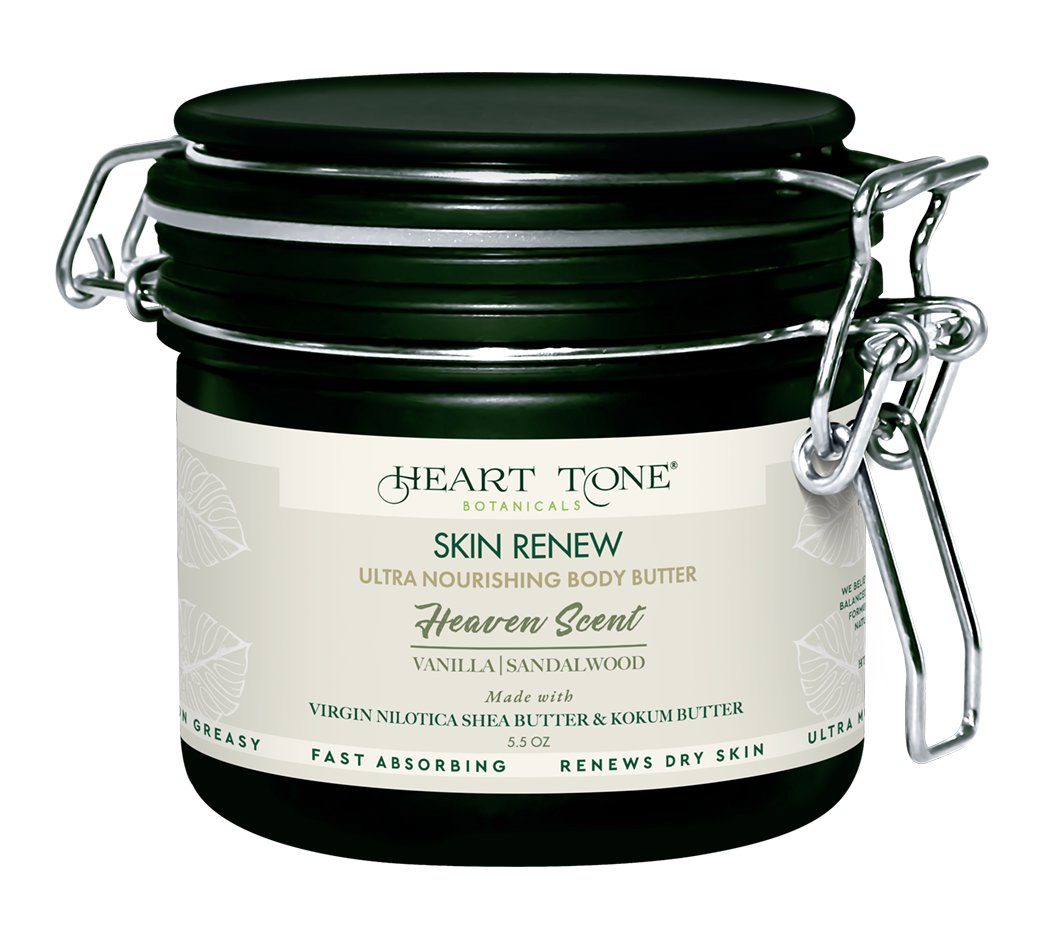
For your full body care collection, browse the Heart Tone Botanicals Body Care collection — or explore the Bath collection for complete head-to-toe natural care.
The Bottom Line
Natural body oils aren't a trend — they're a return to how skin was cared for before synthetic emollients took over the market. When you use the right plant oil for your skin type, applied correctly to damp skin, the results aren't subtle: softer texture, stronger barrier, better glow, and skin that actually holds onto moisture through the day.
The key is choosing wisely. Look for real plant oils, short ingredient lists, and formulations made by people who understand botanical skincare — not just marketing departments looking to slap "natural" on a bottle of mineral oil.
Your skin is worth it. And it knows the difference.

Leave a comment
This site is protected by hCaptcha and the hCaptcha Privacy Policy and Terms of Service apply.