

You've probably seen it dozens of times on an ingredient label: fragrance. Just one word, tucked near the bottom of a long list. It sounds innocent — even pleasant. But that single word can legally conceal a cocktail of dozens, sometimes hundreds, of individual chemical compounds. For people with sensitive skin, hormonal concerns, or a commitment to truly clean beauty, understanding what "fragrance" actually means on a label is one of the most important things you can learn.

Let's pull back the curtain.
The One Word That Hides Everything
In the United States, cosmetic companies are not required to disclose the individual chemicals that make up a fragrance blend. Under FDA rules, fragrance formulas are treated as trade secrets — which means brands can list thousands of potential ingredients under a single umbrella term. The International Fragrance Association (IFRA) lists more than 3,000 materials currently used in fragrance compounds. Many of these have documented links to skin irritation, allergic reactions, and endocrine disruption.
That's not a corner case. That's the rule.
So when you see "fragrance," "parfum," or "perfume" on a label, you are not seeing one ingredient. You may be seeing 30, 50, or more — none of which you have any way to identify without reaching out to the brand directly and hoping they'll tell you.
What Are the Actual Risks?
Fragrance is consistently listed among the top causes of allergic contact dermatitis from cosmetics — a reaction that causes redness, rash, itching, and swelling. Studies estimate that around 10% of the population experiences some level of fragrance sensitivity, and clinical data suggests the number may be even higher in people with pre-existing skin conditions.
The risks fall into a few distinct categories:
Skin Irritation and Allergic Reactions
Fragrance ingredients can trigger both irritant contact dermatitis (direct irritation from the chemical itself) and allergic contact dermatitis (an immune response that gets worse with each subsequent exposure). For people with eczema, rosacea, or sensitive skin, fragrance is one of the most reliable triggers for flare-ups.
Leave-on products — moisturizers, serums, eye creams — pose a higher risk than rinse-off products like cleansers, simply because the exposure is longer and more repeated. If you've ever noticed your skin burning, itching, or breaking out after introducing a new product, fragrance should be your first suspect.
Endocrine Disruption
This is where things get more systemic. Some fragrance compounds — particularly synthetic musks and phthalates — are classified as endocrine-disrupting chemicals (EDCs). These are substances that can interfere with the body's hormonal signaling, potentially affecting reproductive health, thyroid function, and metabolism with long-term repeated exposure.
Phthalates in particular are used to make fragrance last longer, and they absorb readily through skin. Because they're hidden under the word "fragrance," most consumers have no way of knowing whether the moisturizer they use every morning contains them.
Hyperpigmentation and Long-Term Skin Aging
Even for people who don't notice immediate irritation, chronic low-grade inflammation from fragrance exposure can worsen post-inflammatory hyperpigmentation, accelerate skin aging, and aggravate conditions like melasma. Photosensitizing fragrance ingredients — common in citrus-based scents — can also increase UV damage when used on sun-exposed skin.
Wait — Isn't "Natural Fragrance" Safer?
This is one of the most common misconceptions in clean beauty, and it's worth addressing directly: natural does not automatically mean safer.
Many essential oils contain compounds that are well-documented allergens. Limonene (from citrus), linalool (from lavender), eugenol (from clove and rose), and citral (from lemongrass and bergamot) are all natural constituents — and all appear on the EU's list of recognized fragrance allergens. In fact, 18 of the 26 classically recognized fragrance allergens in Europe are naturally occurring components of essential oils.
Some plant-derived essential oils are also phototoxic, meaning they can make skin more sensitive to UV radiation and increase the risk of burns and pigmentation when used on areas exposed to sunlight. Bergamot, lime, and grapefruit are common culprits.

The question isn't natural vs. synthetic — it's disclosed vs. hidden, and tested vs. assumed safe.
How to Spot Hidden Fragrance on a Label
Learning to read ingredient lists is one of the most empowering things you can do as a beauty consumer. Here's what to look for:
- "Fragrance," "parfum," or "perfume" — the most common catch-all terms
- "Aroma" — less common but also used as an umbrella
- Linalool, limonene, citral, eugenol, coumarin, benzyl salicylate — these are specific fragrance allergens that EU regulations require individual listing; their presence signals a fragranced formula
- Essential oil names — lavender oil, bergamot oil, rose oil, etc. — which may be disclosed but carry their own allergen burden
Also worth knowing: "unscented" is not the same as "fragrance-free." Unscented products can contain masking fragrances — ingredients added specifically to cover up the smell of other ingredients, which don't make the product smell like anything but are still chemically active. If you're truly avoiding fragrance, look specifically for the words "fragrance-free."
Who Should Be Most Cautious?
While anyone can develop a fragrance reaction over time, some people should be especially vigilant:
- Anyone with eczema, rosacea, psoriasis, or reactive skin
- People prone to contact dermatitis or unexplained skin rashes
- Anyone with hormonal health concerns who wants to minimize EDC exposure
- People with melasma or hyperpigmentation, since even mild inflammation can worsen pigment
- Pregnant people and those breastfeeding, given the endocrine concern
- Anyone applying products to compromised or broken skin
For this group, fragrance-free doesn't mean giving up sensory pleasure — it means choosing products where the experience comes from real, functional ingredients rather than added scent.
The HTB Approach: What You Smell Is What's There
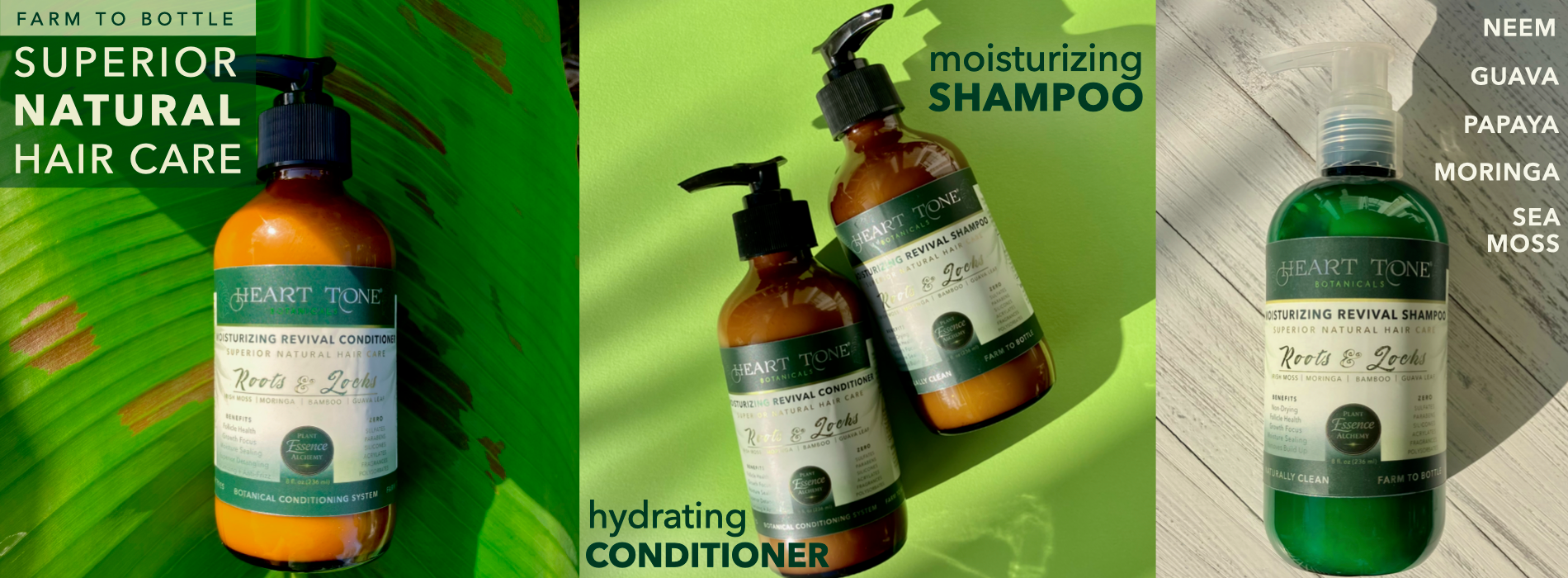
At Heart Tone Botanicals, fragrance transparency isn't a marketing angle — it's a consequence of how we make things. JD grows and harvests botanicals on our farm in Vero Beach, Florida. The plants come in, the products go out, and the ingredient list reflects exactly what's in between.
When our products have a scent, it comes from the plants themselves — the herbs, the flowers, the roots. Not from a synthetic fragrance blend, not from an undisclosed parfum. You can read every ingredient on our labels and know what it is.
That's what farm-to-bottle actually means: a short, traceable chain from soil to skin, with nothing hidden in the middle.
Some products worth exploring if you're moving toward fragrance-free personal care:
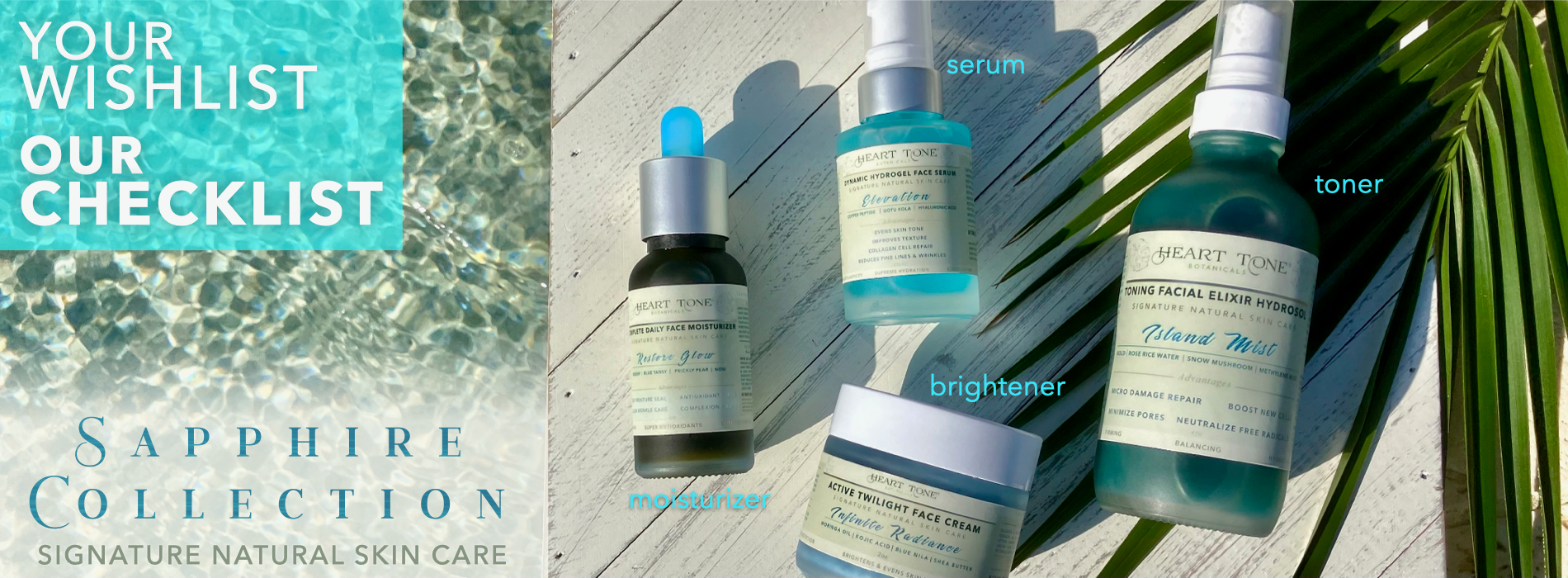
- Our Complete Daily Face Moisturizer — a clean, leave-on moisturizer with no added fragrance
- The Dynamic Hydrogel Face Serum — botanical actives, no hidden scent
- Faithfully Pure Hands Castile Liquid Soap (Pure Native) — simple, fragrance-forward by plant ingredients only
- Our Botanical Skin Gel — whole-plant formula, every ingredient visible
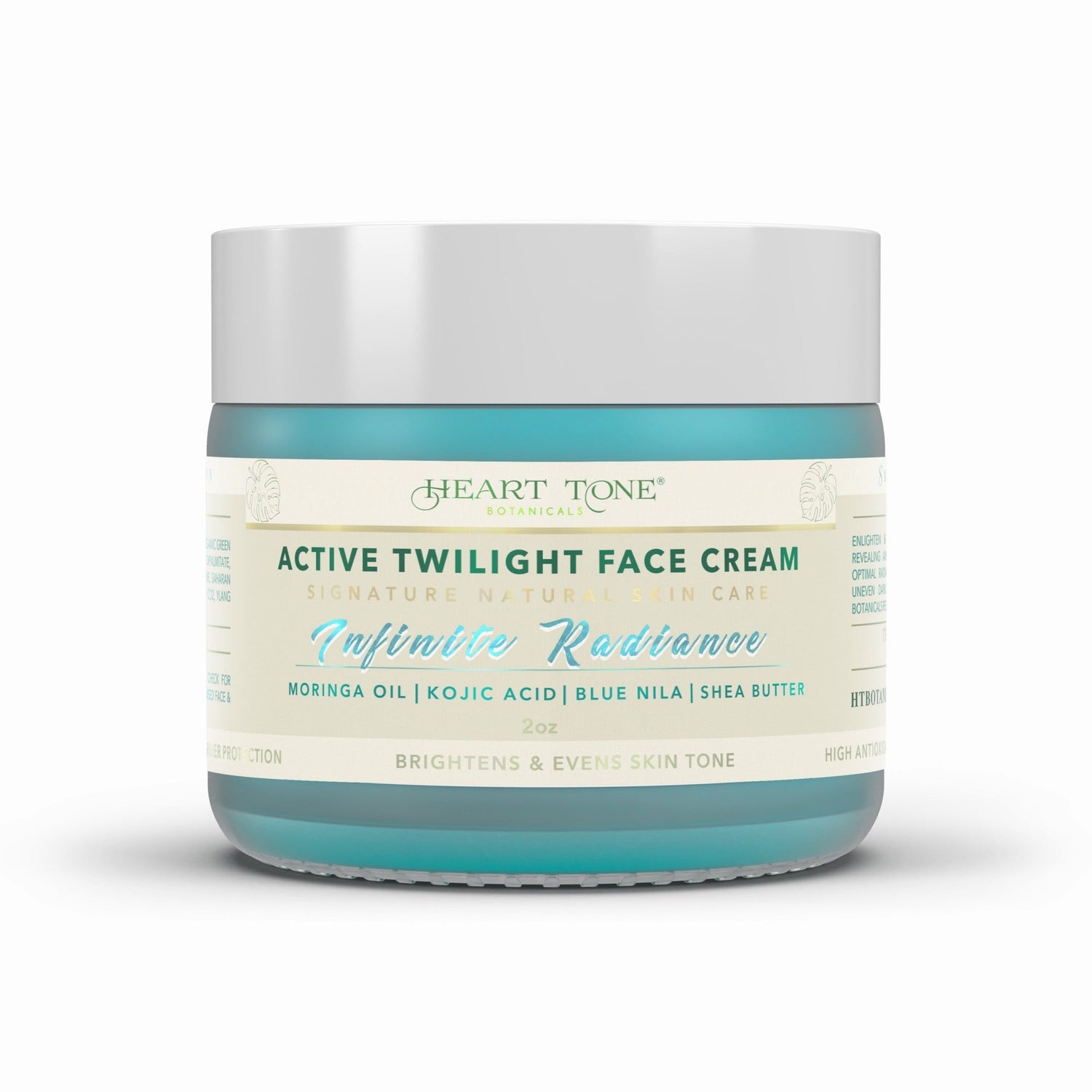
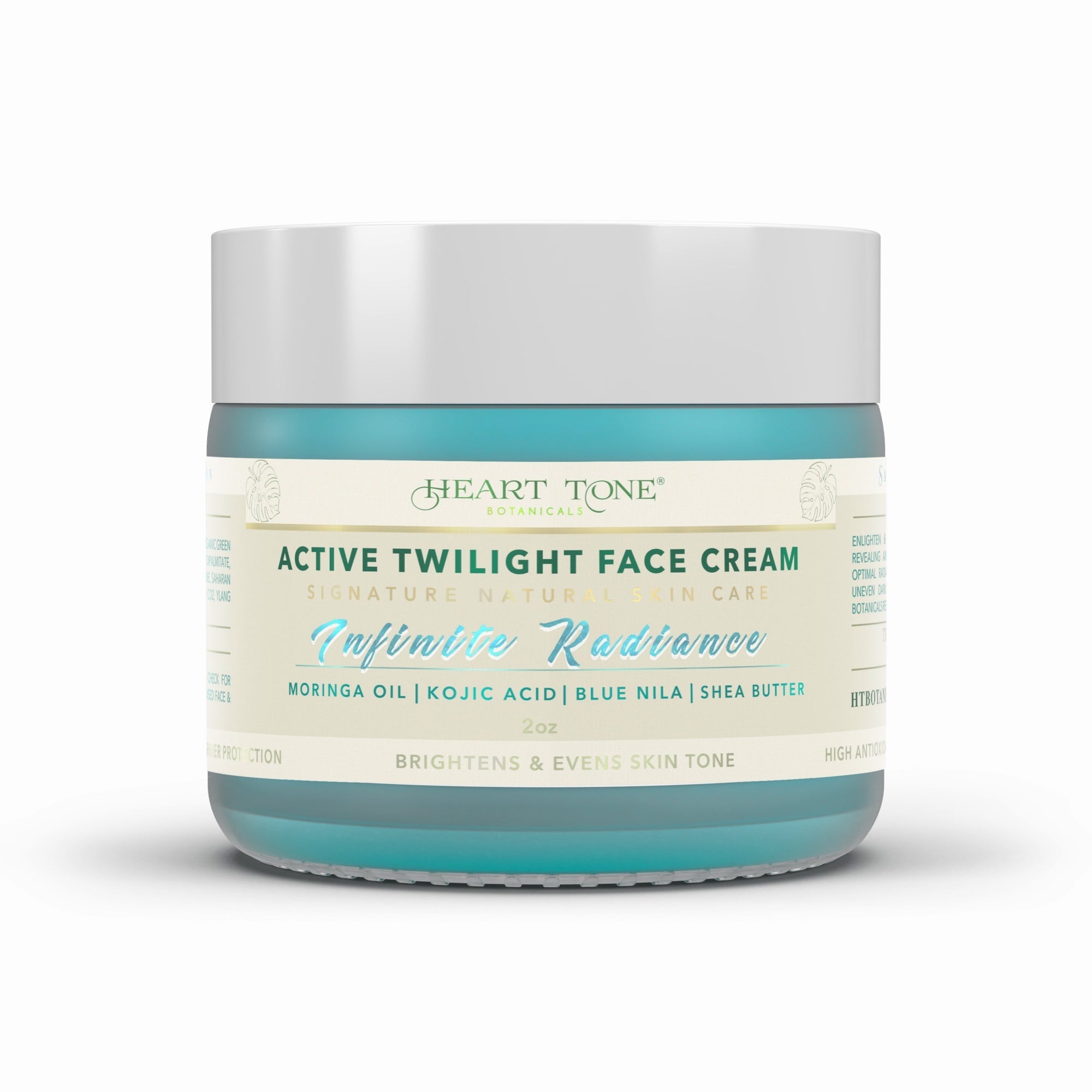
- The full face collection for clean, readable skincare from root to bottle
The Practical Bottom Line
You don't have to be afraid of every product you own. But you do deserve to know what's in them.
Fragrance is the one ingredient category where the beauty industry has effectively been allowed to say "trust us" — without giving you the information to verify that trust. As a consumer, your response doesn't have to be panic. It can simply be to prioritize brands that don't ask you to take things on faith.
Read the labels. Ask what's in "fragrance." Choose products from companies willing to show their work — not just their scents.
Your skin will notice the difference. And so will your peace of mind.
Explore the full Heart Tone Botanicals collection at htbotanicals.com — farm-grown, botanically honest, nothing hidden.

Leave a comment
This site is protected by hCaptcha and the hCaptcha Privacy Policy and Terms of Service apply.