












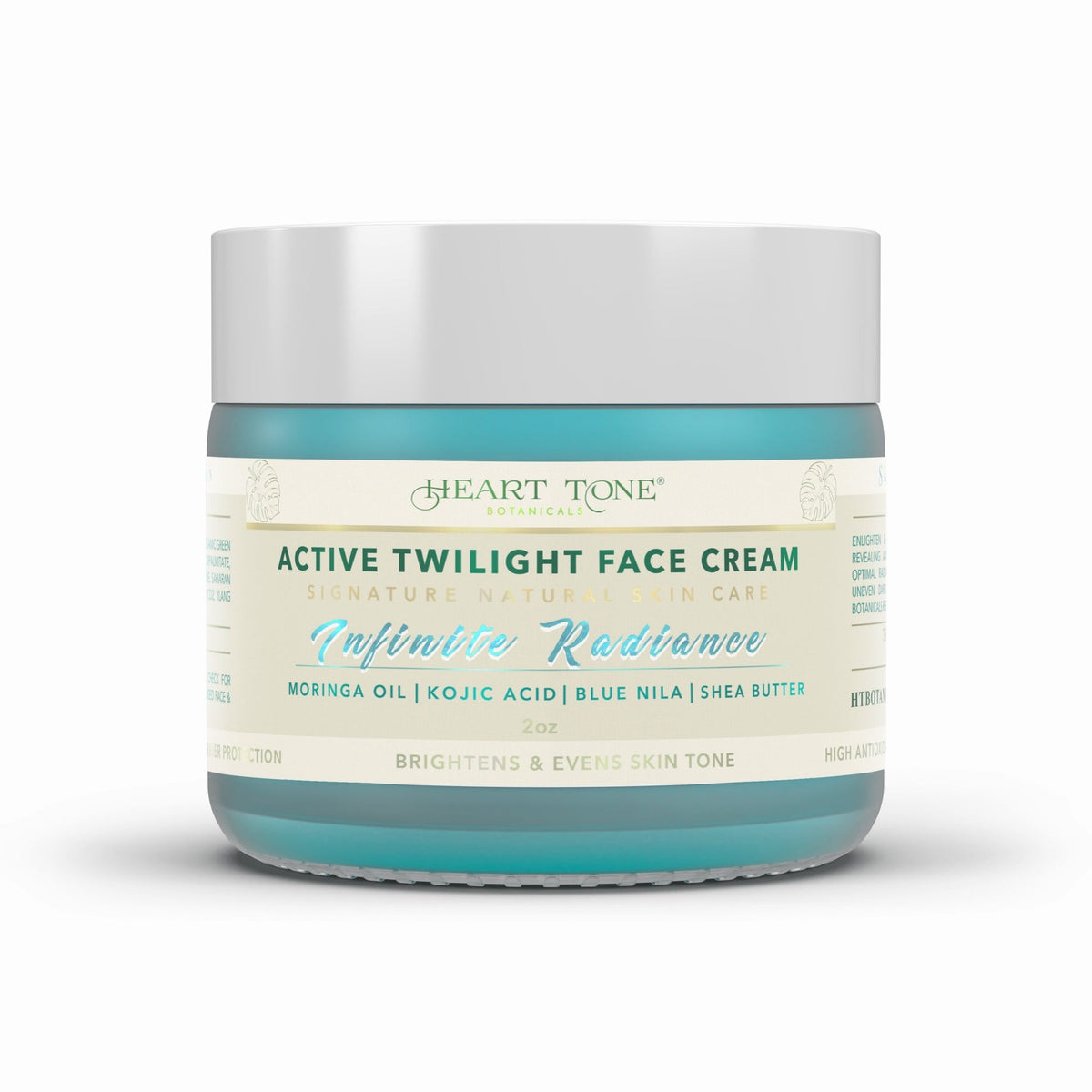
When most people think about microplastics, they picture tiny beads in face scrubs or plastic bottles floating in the ocean. But here's the part the beauty industry doesn't advertise: microplastics are embedded in the ingredients of nearly 9 out of 10 mainstream personal care products—including moisturizers, sunscreens, serums, and foundations sitting on your bathroom shelf right now.
If you've been reading ingredient labels and still feel confused, you're not alone. Microplastics in beauty aren't labeled "microplastic." They hide under scientific-sounding names, and most of us were never taught to look for them. This guide will change that.
What Are Microplastics in Skincare?

Microplastics are tiny synthetic polymer particles—fragments of plastic less than 5mm—that are intentionally added to cosmetics and skincare formulas. They're not contaminants. They're ingredients, added on purpose to improve texture, extend wear, create a silky feel, add shimmer, or act as cheap fillers and stabilizers.
You've probably heard about the microbead ban—the US Microbead-Free Waters Act of 2015 that phased out plastic exfoliating beads in rinse-off scrubs. That was a meaningful step, but it's a narrow one. Microplastics in cosmetics extend far beyond beads in body wash. Today, the biggest concern is leave-on products: the moisturizer you apply and go, the sunscreen you wear all day, the foundation that sits on your skin for 10 hours.
Why It Matters for Your Skin—and the Planet
The science is still evolving, but what's already documented is concerning enough to act on the precautionary principle:
- Environmental persistence: Synthetic polymers don't biodegrade. They accumulate in waterways, marine ecosystems, and soil—and when they wash off your skin or down your drain, they contribute to the global microplastic load.
- Bioaccumulation: Emerging research has found microplastics in human blood, lungs, placenta, and organs. The long-term health implications are still being studied, but the presence is now documented.
- The regulatory gap: In the US, leave-on skincare products containing film-forming polymers, silicones, and acrylates are largely unregulated. The EU is phasing out microplastics in cosmetics by category—with some deadlines stretching as far as 2035.
Bottom line: the fact that something is legally allowed doesn't mean it's safe, or that you have to accept it in your routine.
The Microplastic Ingredients Hiding on Your Labels
Here's where it gets practical. When you pick up a skincare product, look for these families of ingredients:
Acrylic Polymers
Used as thickeners, gel-forming agents, and stabilizers:
- Carbomer
- Acrylates Copolymer
- Acrylates Crosspolymer
- Polyacrylate (any variation)
Silicones & Siloxanes
Used to create that "silky" slip, water resistance, and blurring effect:
- Dimethicone
- Dimethiconol
- Cyclopentasiloxane
- Cyclohexasiloxane
- Anything ending in -siloxane or -silsesquioxane
Classic Plastic Polymers
These are the most clearly plastic-derived:
- Polyethylene (PE)
- Polypropylene (PP)
- Polyethylene Terephthalate (PET)
- Polymethyl Methacrylate (PMMA)
- Polyurethane (PUR)
- Nylon-12 / Polyamide
- Polystyrene
- Polyquaternium (any number)
PEGs & PPGs
These polyethylene glycol and polypropylene glycol compounds are widely used as emulsifiers and moisturizing agents—and widely flagged by environmental groups as persistent synthetic polymers:
- PEG-10, PEG-40, PEG-100 (any PEG followed by a number)
- PPG-26, PPG-15 (any PPG followed by a number)
Quick rule of thumb: If an ingredient starts with "Poly-" or ends in "-cone," "-siloxane," or "-polymer," slow down and investigate.
Which Product Categories Are the Biggest Offenders?
A 2024 review of nearly 2,400 products found microplastics particularly concentrated in:
- Mascara (~90% of products tested)
- Lip products (~85%)
- Foundation (~74%)
- Sunscreens and daily leave-on moisturizers
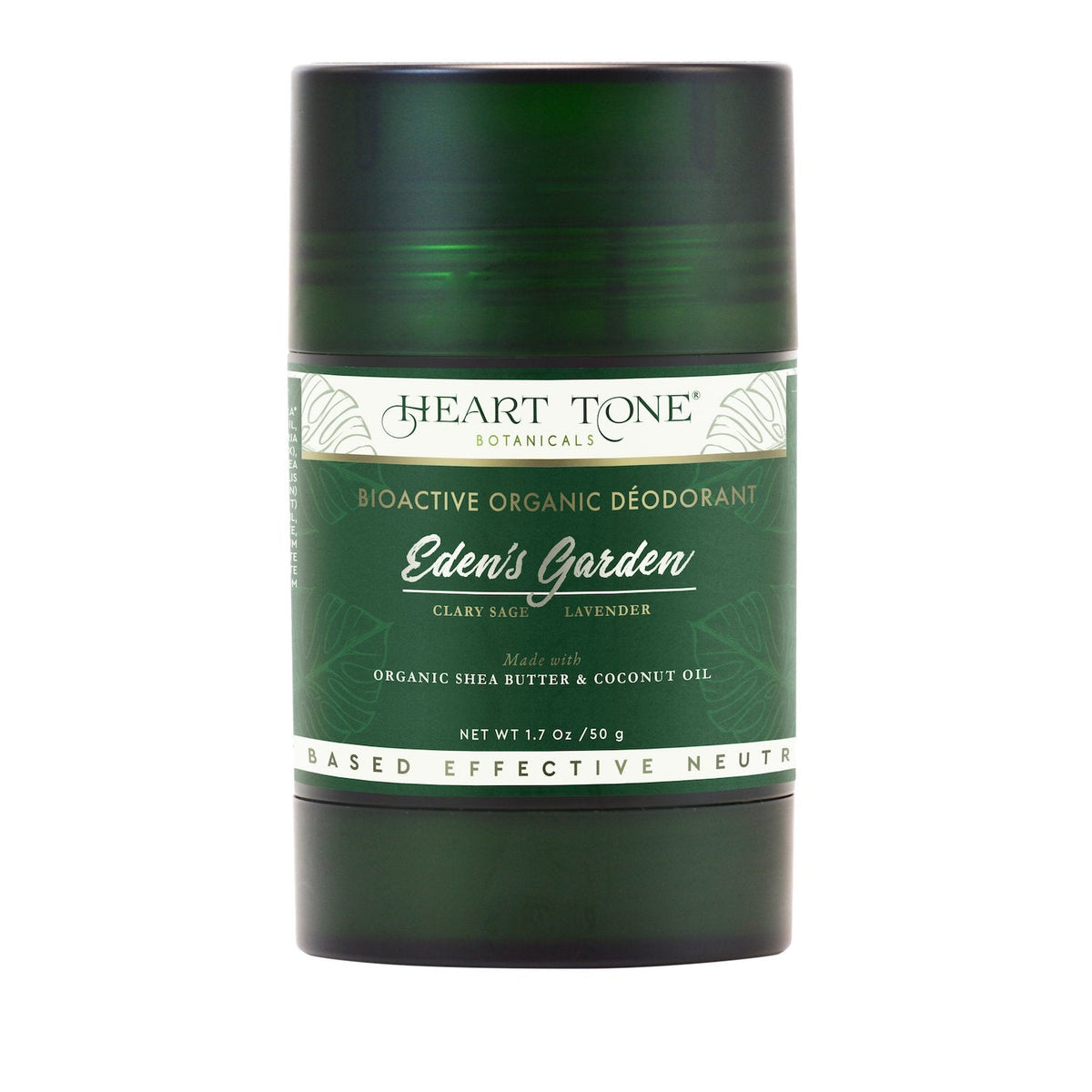
- Deodorants and hair styling products
The irony is that the products we use most—and leave on longest—are the ones most likely to contain them.
The Botanical Alternative
Here's what we believe at Heart Tone Botanicals: your skin is living tissue. It breathes, absorbs, and responds to what you put on it. You shouldn't have to accept synthetic polymers as the price of effective skincare.
From our farm in Vero Beach, Florida, we grow and harvest botanicals the way they've been used for centuries—without fillers, without synthetic film-formers, without plastic polymers dressed up as texture agents. The ingredients in our formulas are the kind you can actually pronounce and trace back to a plant.
When JD started Heart Tone, the guiding principle was simple: if you wouldn't eat it, why would you put it on your skin? That lens cuts right through the polymer list above.
Our products are formulated without the microplastic families listed in this article. What you get instead are plant-based alternatives—botanical oils that create slip naturally, plant waxes that protect without film-forming plastics, and whole-herb extracts that nourish rather than coat.
Browse our full collection or explore our face care line if you're looking for a cleaner starting point for your routine.
How to Build a Microplastic-Free Skincare Routine
You don't have to overhaul everything at once. Start with your highest-exposure products—the ones you use daily and leave on your skin:
- Daily moisturizer: Check for dimethicone, carbomer, and acrylates copolymer first. These are the most common in moisturizers.
- Sunscreen: Look for mineral-based formulas using zinc oxide or titanium dioxide with simple, short ingredient lists.
- Foundation / primer: These are among the highest-risk categories. When you're ready to swap, look for brands with disclosed microplastic-free commitments.
- Body lotion: High surface area, used daily. Worth reviewing the ingredient list for PEGs and silicones.
You can also download the Beat the Microbead app—it lets you scan product barcodes against a database of 500+ flagged microplastic ingredients and rates products red, orange, or green.
The Greenwashing Warning
One more thing worth naming: "clean," "eco-friendly," "natural," and "green" claims on packaging are not regulated in the US. A product can call itself natural and still contain a full list of synthetic polymers. This is why ingredient literacy matters—not as a purity contest, but as a way to make informed choices in a market where marketing language often outpaces reality.
Look past the front of the bottle. Turn it over. Read the list. Ask where the ingredients come from.
At Heart Tone Botanicals, we publish our ingredients and stand behind them. Our farm is in Florida, not a marketing deck. And we believe that transparency—not just nice-sounding words—is what clean beauty actually looks like.
The Bottom Line
Microplastics are in most mainstream beauty products, hiding under names most consumers don't recognize. They're not going away overnight—regulatory timelines in the EU extend to 2035 for some categories, and the US has barely started. But you don't have to wait for regulators to catch up.
Read the label. Learn the names. Choose brands that can tell you exactly what's in the bottle and where it came from.
Your skin will thank you—and so will the ocean.
Ready to start fresh? Explore our microplastic-free botanicals collection and see what clean really looks like.

Leave a comment
This site is protected by hCaptcha and the hCaptcha Privacy Policy and Terms of Service apply.