












Licorice root has been used in traditional oral care for thousands of years — in Ayurvedic practice, traditional Chinese medicine, and ancient Mediterranean cultures. Today, botanical formulas are bringing it back for a simple reason: it has a rich tradition that has crossed continents and centuries. If you've seen licorice root listed on a toothpaste, mouthwash, or oil pull, here's what it contributes and why it belongs in a serious natural oral care routine.
The Compounds in Licorice Root

The term "licorice root" in oral care typically refers to the root of Glycyrrhiza glabra, a perennial herb native to the Mediterranean and parts of Asia. The plant contains a range of botanical compounds, including:
- Glycyrrhizin — the primary compound, responsible for licorice's characteristic sweetness and much of its traditional botanical character
- Liquiritigenin and isoliquiritigenin — flavonoids found throughout the root with a long history in traditional botanical formulation
- Licoricidin and licorisoflavan A — two compounds of particular interest in the botanical study of licorice root's oral care tradition
What makes licorice root interesting in oral care isn't any single compound — it's the combined character of the whole root extract, a complexity that isolated fractions can't replicate.
Licorice Root's Long History in Oral Care
One of the most consistent threads running through licorice root's history is its role in oral hygiene traditions. Cultures across millennia — from ancient Egypt to medieval Europe to traditional Ayurvedic practice — independently arrived at licorice root as a valued ingredient for daily oral care and fresh-breath rituals.
This kind of cross-cultural convergence tells a clear story. The plant's distinctive botanical character, its pleasant mild sweetness, and the comfortable sensation it imparts made it a natural fit for daily oral care long before modern formulation science existed.
Modern botanical formulas preserve that tradition by including licorice root alongside other historically valued ingredients like myrrh, calendula, and clove — each bringing a different layer of botanical tradition to the formula.
Why Licorice Root Pairs Well with Other Botanicals
Licorice root has long been valued in traditional practice for the comfortable, soothing sensation it delivers. Its botanical character is inherently gentle — contributing a soft, lingering freshness rather than harshness — which is why it has historically appeared in complex formulas alongside other botanicals rather than as a standalone ingredient.
In traditional oral care formulas, botanical ingredients work best in combination. A blend of licorice root, myrrh, calendula, and clove creates a more complete sensory experience than any single ingredient can deliver alone — each contributing a distinct character that the others reinforce.
For people who find conventional oral care products too harsh or drying, this combination of traditional botanicals offers a noticeably gentler daily experience.
Licorice Root and the Botanical Approach to Oral Care
Many conventional oral care products rely on alcohol and synthetic ingredients to deliver freshness. These can leave a strong, immediate sensation — but they also tend to leave the mouth feeling dry, and daily use can become uncomfortable over time.
Licorice root offers a different sensory profile. Its botanical character is inherently gentle, contributing a soft, lingering freshness and a comfortable feeling that doesn't fade into dryness. For twice-daily use, that distinction matters: a formula you actually enjoy using morning and evening is one you'll stick with.
This is one reason botanical oral care has grown — not as a compromise, but as a genuinely more comfortable approach to the daily routine.
Licorice Root in Oil Pulling
In oil pulling formulas, licorice root extract functions alongside the mechanical action of swishing. The oil base helps carry botanical ingredients to oral tissues, while extracts like licorice root, myrrh, and manuka deliver their traditional character during the swish — with more sustained contact time than a rinse-and-spit mouthwash provides.
Our Antioxidant Oil Pull and Ozonated Oil Pull both include licorice root as part of a botanical complex alongside manuka and turmeric — a blend designed for a more layered botanical oil pulling experience rather than a single-note approach.
Licorice Root in Toothpaste
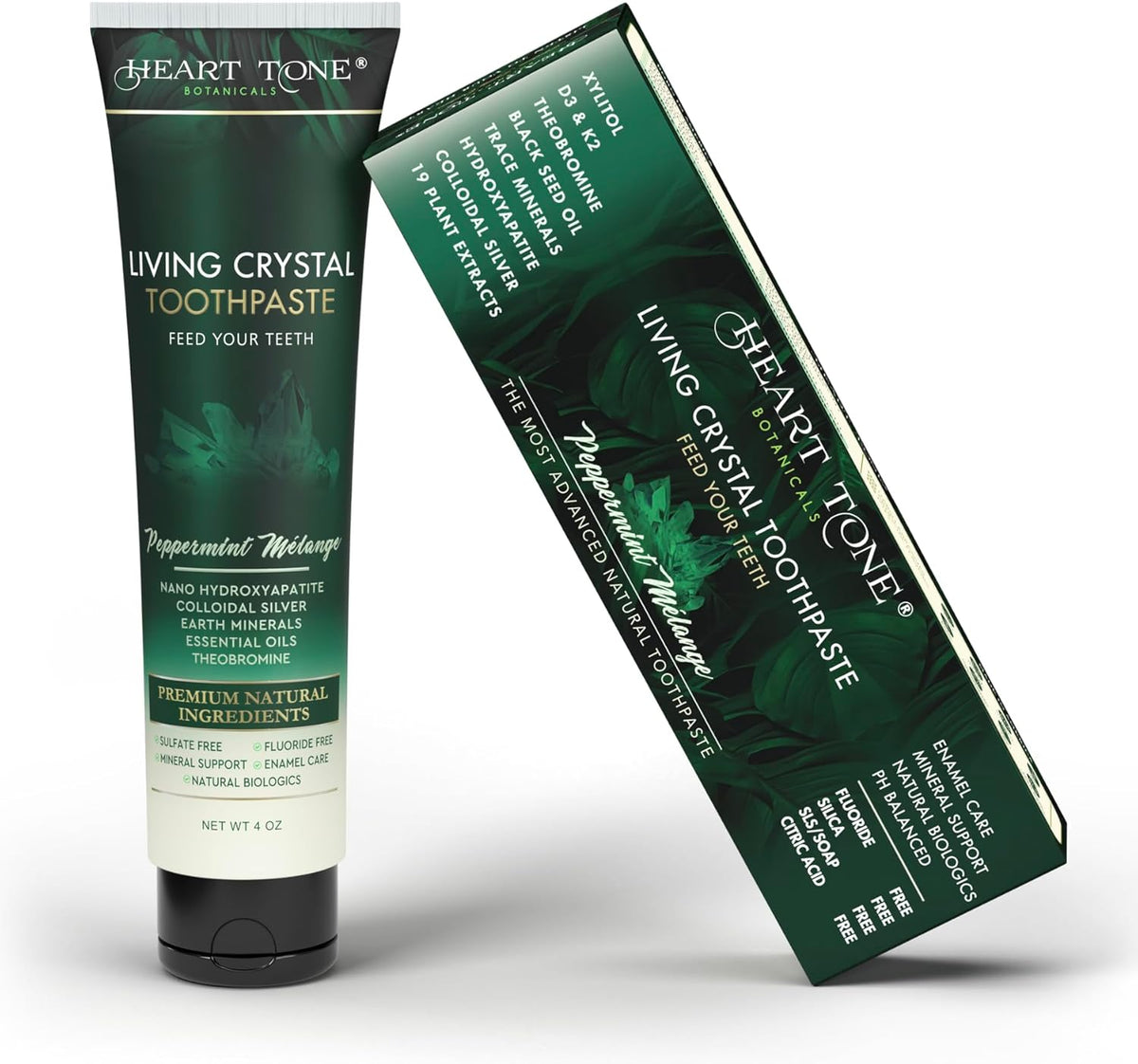
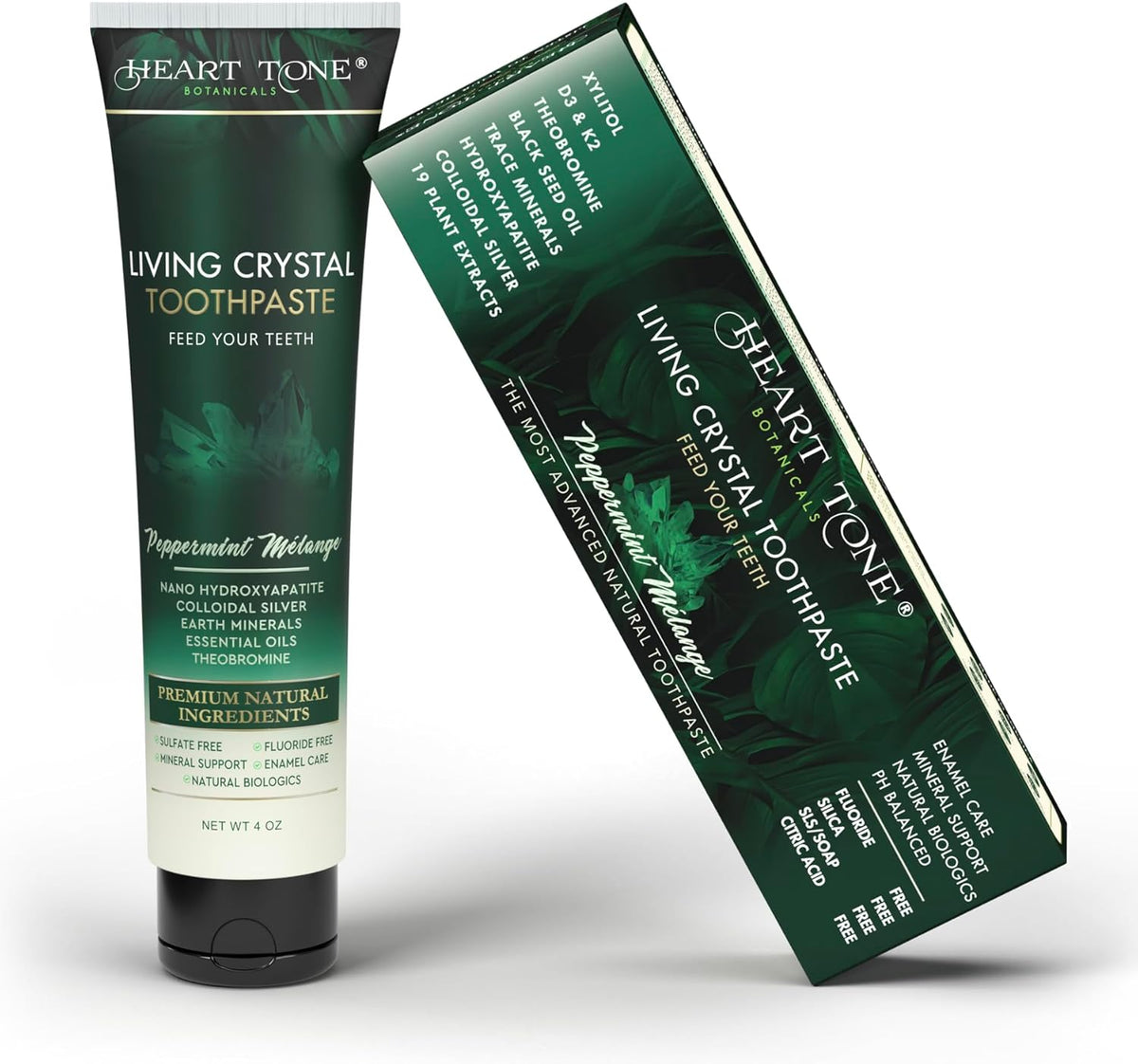
In toothpaste, licorice root CO₂ extract contributes its traditional botanical character while working alongside other botanicals in the formula. In Living Crystal Toothpaste, licorice root is part of a full-spectrum CO₂ and essential oil complex alongside organic calendula, myrrh, clove, usnea lichen, rhatany root, and peppermint — each bringing a distinct botanical dimension to the formula.
CO₂ extraction is important here. Unlike steam-distilled or alcohol-extracted versions, CO₂ extracts preserve a much broader range of the plant's botanical compounds — including the heavier, more delicate flavonoids that would be compromised by heat. When you see "licorice root CO₂" on a label, you're getting a more complete extract.
Licorice Root in Mouthwash
In liquid form, licorice root can reach areas that toothpaste bristles and oil pulling don't fully access — the back of the throat, along the gumline, and between teeth. Our Restorative Mouth Rinse includes licorice root CO₂ as part of a full botanical complex alongside colloidal silver, aloe vera, myrrh, and a mint blend — delivering the traditional soothing character of licorice root in every rinse.
The result is a rinse that feels noticeably gentle and fresh — the botanical depth of licorice root paired with the clean, cool sensation of the mint complex for a two-part sensory experience.
What Licorice Root Doesn't Do
Licorice root is a traditional botanical ingredient valued for its soothing character and long oral care tradition — not a substitute for professional dental care. Any ongoing oral health concerns are always worth discussing with your dentist first.
It's also worth noting that oral care products using licorice root extract contain negligible amounts of glycyrrhizin compared to the quantities associated with systemic effects from licorice candy consumption. Topical oral use at the concentrations found in toothpaste or mouthwash is not associated with the blood pressure or hormonal effects sometimes cited for high-dose licorice supplementation.
How to Use Licorice Root in Your Routine
For most people, the most practical way to experience licorice root in oral care is through products that include it as part of a broader botanical formula:
- Toothpaste: Use Living Crystal Toothpaste twice daily as your fluoride-free foundation — licorice root works alongside other botanicals every time you brush
- Mouthwash: Follow brushing with Restorative Mouth Rinse to reach areas brushing misses, with licorice root CO₂ as part of the botanical complex
- Oil pulling: Add the Antioxidant Oil Pull 3–5 mornings per week before brushing for extended botanical contact time
Frequently Asked Questions
Is licorice root toothpaste safe to use every day?
Yes. Licorice root CO₂ extract at the concentrations used in toothpaste is safe for daily use. The systemic effects sometimes associated with high-dose licorice supplementation (blood pressure, hormonal effects) are from consuming large quantities of glycyrrhizin orally — not from topical oral care application.
Does licorice root replace fluoride in natural toothpaste?
They serve different roles. In a fluoride-free formula like Living Crystal, micro-hydroxyapatite and theobromine form the mineral component of the formula, while licorice root contributes its traditional botanical character and soothing sensation. Each plays a distinct part in the overall blend — neither is a direct substitute for the other.
What does licorice root toothpaste taste like?
Most formulas using CO₂ licorice root extract don't taste strongly of licorice candy — the extract is used at low concentrations alongside other botanical oils like peppermint, spearmint, and wintergreen that dominate the flavor profile. Living Crystal's mint-forward flavor is the dominant taste experience.
How is licorice root CO₂ different from standard licorice extract?
CO₂ extraction uses supercritical carbon dioxide at low temperatures, preserving the full spectrum of licorice root's botanical compounds — including delicate flavonoids like liquiritigenin and licoricidin that would be compromised by steam distillation or lost in alcohol extraction. It's a more complete extract at a lower processing temperature.
More From the Antioxidant Oil Pull Botanical Canvas: Licorice root CO₂ shares the formula with oregano essential oil. While glycyrrhizin and licoricidin reduce visible redness and discomfort, oregano’s carvacrol disrupts bacterial cell membranes targeting the same oral unwanted microbes from a different mechanism. Learn what the research shows about oregano oil in oral care.

Leave a comment
This site is protected by hCaptcha and the hCaptcha Privacy Policy and Terms of Service apply.