












The Short Answer: Technique Decides Whether Charcoal Does Anything at All

Charcoal teeth brightening has been popular for years, and most of the advice out there focuses on whether it's safe or how often to use it. Those questions matter, but they skip over something more basic: most people who try charcoal and feel disappointed by the results are using it wrong. The fine black powder only does its job under specific conditions — the right brush, the right motion, the right amount of time. Get those wrong and you're just scrubbing your teeth with grit for no reason.

What Charcoal Actually Does — And Doesn't Do
Activated charcoal is extremely porous, and that texture is the entire mechanism. When it's brushed gently across the tooth surface, the fine grit works like a very soft polish — lifting surface-level stains and residue that sit on top of the enamel. That's a mechanical, cosmetic effect, not a chemical one. Charcoal doesn't bleach or lighten the natural color of a tooth the way a peroxide-based brightening treatment does. It can improve the visible appearance of surface staining from coffee, tea, or red wine. It does nothing for stains that sit deeper than the surface.
This distinction is the reason charcoal works well for some people and does nothing visible for others. If your teeth look duller because of surface buildup, a well-used charcoal routine can visibly help. If the discoloration is coming from underneath the enamel surface, no amount of polishing changes that.
The Technique That Actually Matters
Most of the disappointment with charcoal comes down to four technique mistakes:
- Using a dry brush. Charcoal powder needs a small amount of water to form a light paste. Dipping a bone-dry brush straight into powder makes it harder to control and easier to over-apply.
- Brushing hard. The instinct is to scrub harder to "get more off." That instinct works against you — charcoal doesn't need pressure to do its job, and heavy pressure is what turns a gentle polish into unnecessary friction against the enamel surface.
- Skipping the small, circular motion. Long back-and-forth strokes cover more surface unevenly. Small, slow circles — the same motion recommended for regular brushing — let the charcoal spend more time in contact with actual stained areas instead of sliding past them.
- Rinsing too fast. Charcoal is genuinely messy, and the instinct is to spit and rinse the second you're done. A thorough rinse — several rounds of water, not one quick swish — matters here, since any charcoal left along the gumline or between teeth just sits there until your next brushing.
Two minutes, gentle pressure, small circles, thorough rinse. That combination is what separates a visible result from a paste that did nothing but make the sink dark for a minute.
How Often Actually Makes Sense
Because the mechanism is physical polishing rather than a chemical treatment, more frequent use doesn't mean more brightening — it just means more contact between grit and enamel. Most people get the visible benefit they're looking for from occasional use, not a daily habit. supporting charcoal as a periodic addition to a normal brushing routine, rather than a replacement for it, is the approach that tends to hold up over time.
Signs You're Overdoing It
Because charcoal is abrasive by nature, it's worth paying attention to how your teeth feel, not just how they look. If your teeth start feeling rougher to the tongue instead of smoother, or you notice more sensitivity to hot and cold than usual, that's a sign to dial back frequency or lighten your pressure — not a sign to brush harder or more often to compensate.
A Gentler Way to Get a Similar Polish
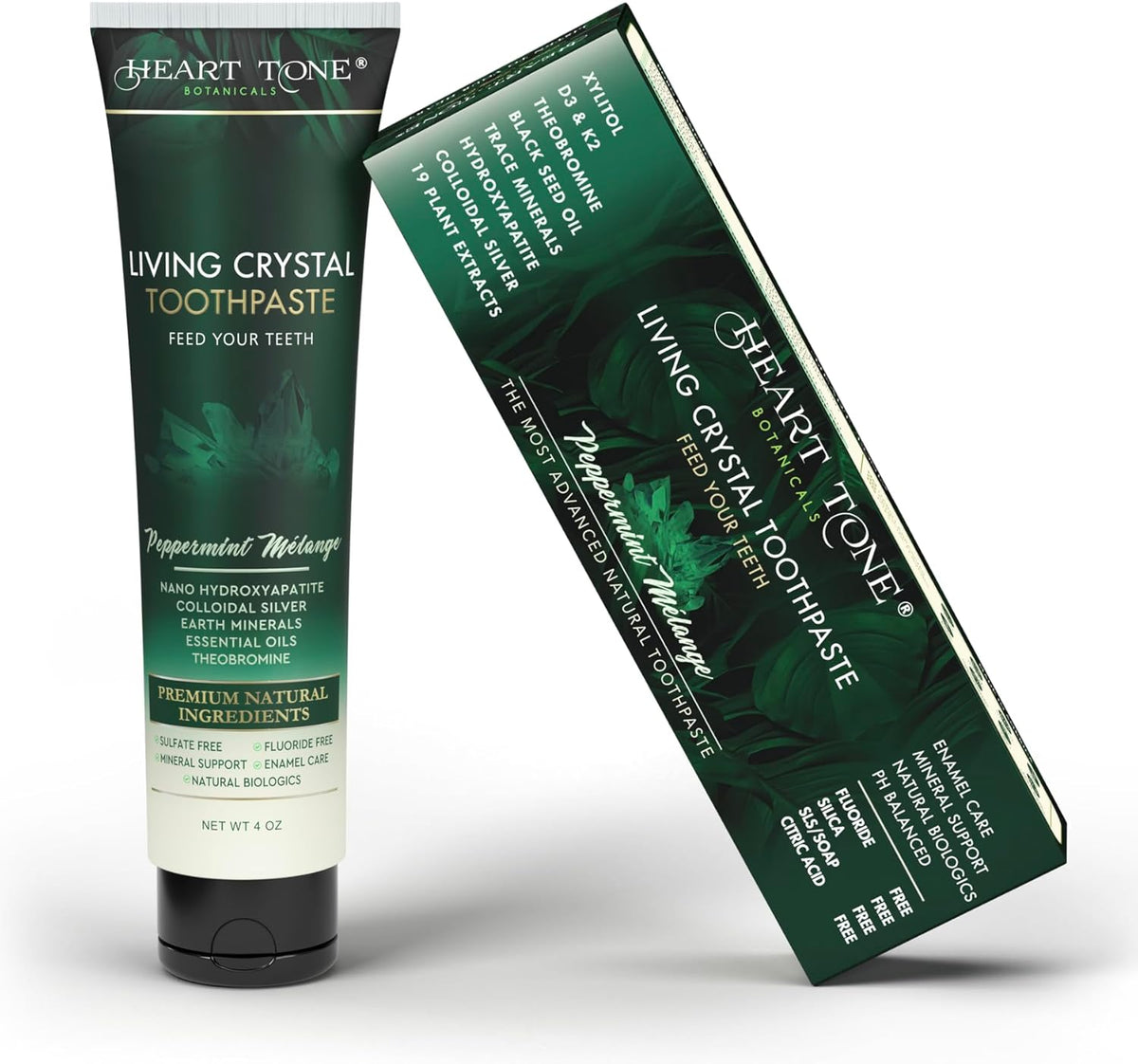
If the appeal of charcoal is the polished, clean feeling rather than the charcoal itself, a fine-clay formula can deliver a similar sensory experience with less grit. Living Crystal Toothpaste from Heart Tone Botanicals is built on kaolin clay, bentonite clay, and sodium bicarbonate — ingredients with a long history of use for their gentle polishing texture — blended with 30+ farm-grown botanical extracts in a fluoride-free formula. It's a softer daily approach for people who want their teeth to feel clean and smooth without a separate charcoal step.

Pairing it with the Restorative Mouth Rinse, an alcohol-free formula built on colloidal silver and farm-grown botanicals, rounds out a routine that leaves your mouth feeling clean and fresh without relying on a messy charcoal step every week.
The Bottom Line
Charcoal teeth brightening isn't ineffective — it's frequently misused. A damp brush, gentle pressure, small circles, two minutes, and a thorough rinse is the difference between a paste that visibly helps with surface stains and one that just makes a mess in the sink. And if the appeal is the clean, polished feeling rather than the charcoal itself, a gentler clay-based formula can get you there without the guesswork.
Explore the full natural oral care collection from Heart Tone Botanicals to build out a complete daily routine.

Leave a comment
This site is protected by hCaptcha and the hCaptcha Privacy Policy and Terms of Service apply.