












The Short Answer: Bakuchiol Is a Real Botanical Ingredient — Not a Marketing Swap

If you've spent any time browsing "clean" or natural skincare lately, you've probably seen bakuchiol described as a natural retinol alternative. It's not just a trendy label. Bakuchiol is a genuine plant-derived compound with its own long history of traditional use, and it shows up in formulations for people who want a botanical approach to their routine without reaching for a synthetic retinoid.
Here's what bakuchiol actually is, where it comes from, how it compares to retinol on paper, and how it fits into a botanical face routine.
What Is Retinol, and Why Do People Look for Alternatives?
Retinol is a synthetic vitamin A derivative widely used in conventional skincare. It has a well-known reputation — including a reputation for sensitivity, redness, dryness, and peeling for some users, especially early in use or at higher concentrations. It's also generally avoided during pregnancy and by people with reactive or easily irritated skin.
That combination — real popularity plus real tolerability concerns — is exactly why so many people go looking for a gentler, plant-based option that doesn't come with the same synthetic-retinoid label.
What Is Bakuchiol?
Bakuchiol is a compound extracted from the seeds and leaves of Psoralea corylifolia, a plant also known as babchi. It has a long history of use in traditional Ayurvedic and Chinese herbal preparations, long before it ever appeared on a skincare ingredient label. Chemically, bakuchiol is unrelated to retinol — it doesn't share retinol's molecular structure or its classification as a vitamin A derivative. It earned the "natural retinol alternative" nickname simply because people began formulating with it as a plant-based option for those who wanted to avoid synthetic retinoids altogether.
Because it comes from a plant rather than a lab-synthesized vitamin A pathway, bakuchiol is often chosen by people who are building an all-botanical routine, who are sensitive to retinol, or who simply prefer ingredients with a traceable plant origin.
Bakuchiol vs. Retinol: What's Actually Different
- Origin — retinol is a synthesized vitamin A derivative; bakuchiol is extracted directly from a plant source.
- Feel on skin — bakuchiol is generally considered gentler and better tolerated by people who find synthetic retinol drying or irritating.
- Sun sensitivity guidance — retinol is commonly paired with strict sun-avoidance guidance; bakuchiol doesn't carry that same conventional warning, though daily sun protection is always a good habit regardless of what's in your routine.
- Formulation flexibility — bakuchiol blends easily into oil-based botanical formulas alongside other plant oils and extracts, which is part of why it shows up in multi-oil face formulations.
To be clear: bakuchiol and retinol are different molecules with different origins, not two versions of the same ingredient. "Alternative" describes the role people use it for — a plant-based option in the same general conversation — not a chemical equivalence.
What Bakuchiol Feels Like in a Formula
In a well-formulated botanical blend, bakuchiol contributes to a lightweight, non-greasy feel and works well alongside other nourishing plant oils. People who switch to a bakuchiol-containing formula often describe skin that feels smooth, hydrated, and comfortable — without the tightness or flaking some people associate with synthetic retinoids.
Heart Tone's Complete Daily Face Moisturizer is formulated with bakuchiol oil alongside 21 other botanical oils and extracts, including jojoba, moringa, rosehip, and prickly pear seed oil. It's built as a daily, all-over face moisturizer rather than a targeted treatment — a lightweight way to work bakuchiol into a routine that also includes hydration, botanical oils, and antioxidant-rich plant extracts in a single step.
Building a Full Botanical Face Routine
Bakuchiol doesn't have to stand alone. A complete botanical routine typically layers a few purpose-built steps:
- Tone — a hydrosol mist like Island Mist Toning Facial Elixir Hydrosol on clean skin to prep it for the next steps.
- Hydrate — a lightweight serum like Dynamic Hydrogel Face Serum to deliver a boost of hydration underneath moisturizer.
- Moisturize — Complete Daily Face Moisturizer, with bakuchiol, morning and night.
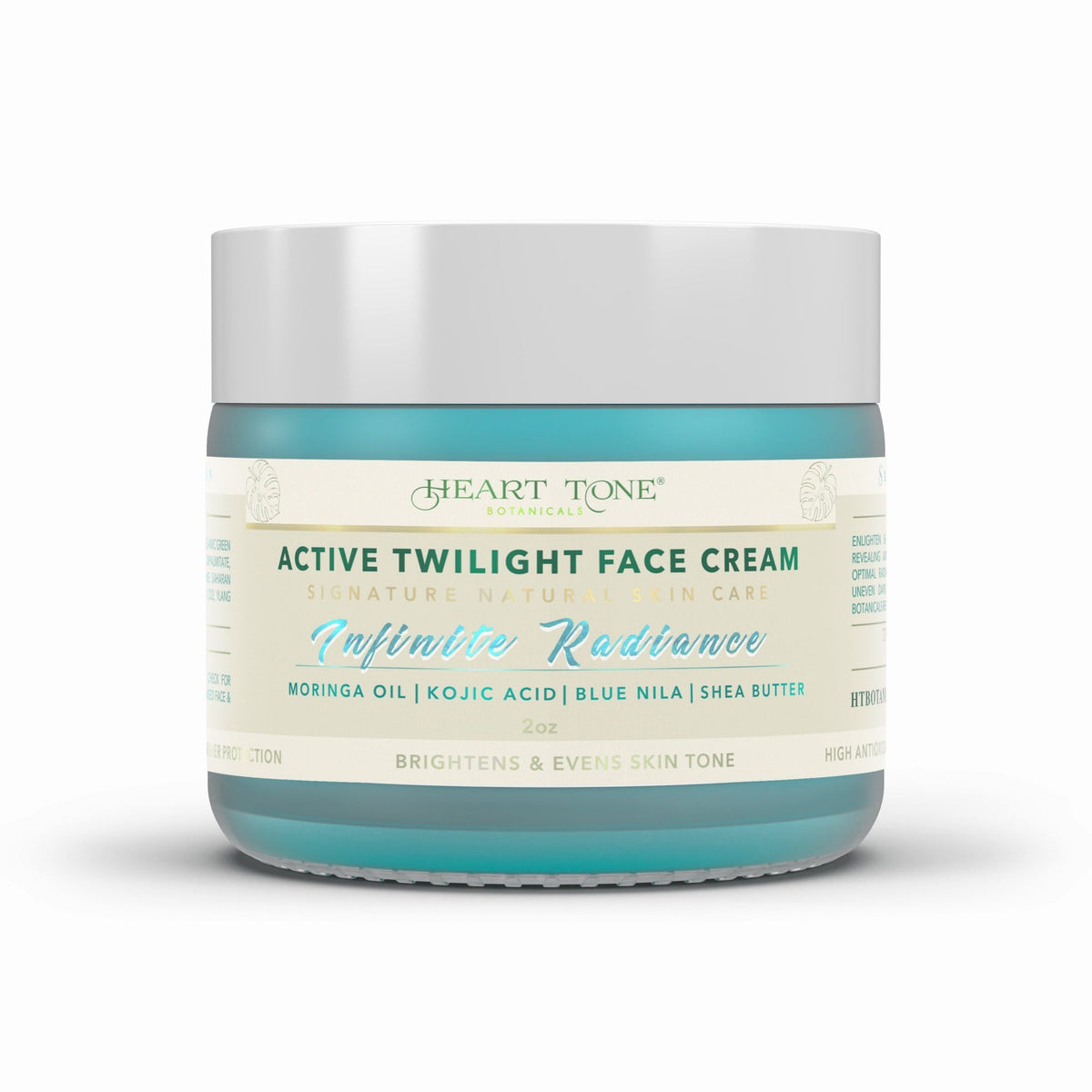
- Overnight — a richer nighttime formula like Active Twilight Face Cream for added moisture while you sleep.
If you'd rather not build a routine step by step, Heart Tone bundles this exact sequence into The AM/PM Face System and The Complete Face Ritual, so each product is designed to work with the others rather than being formulated in isolation.
Who Tends to Reach for a Bakuchiol Formula
A plant-based option like bakuchiol tends to appeal to a few different people:
- Anyone building an all-botanical routine who wants to avoid synthetic retinoids specifically
- People who have found conventional retinol too drying, tight-feeling, or irritating on their skin
- Anyone who prefers ingredients with a traceable plant origin and a documented history of traditional use
As with any new ingredient, it's worth introducing it gradually and paying attention to how your own skin responds — everyone's skin is different, and "gentler" doesn't mean "one-size-fits-all."
The Bottom Line
Bakuchiol is a real, plant-derived ingredient with its own traditional history — not a rebranded version of retinol. It earned the "natural retinol alternative" name because people use it for the same general purpose: as a plant-based option in a botanical skincare routine, generally well tolerated and easy to layer alongside other nourishing oils.
If you're curious about working it into your own routine, Heart Tone's Complete Daily Face Moisturizer features bakuchiol oil in a blend of 22 botanical oils and extracts designed for daily use. You can also browse the full facial care collection to build a routine around it.

Leave a comment
This site is protected by hCaptcha and the hCaptcha Privacy Policy and Terms of Service apply.