












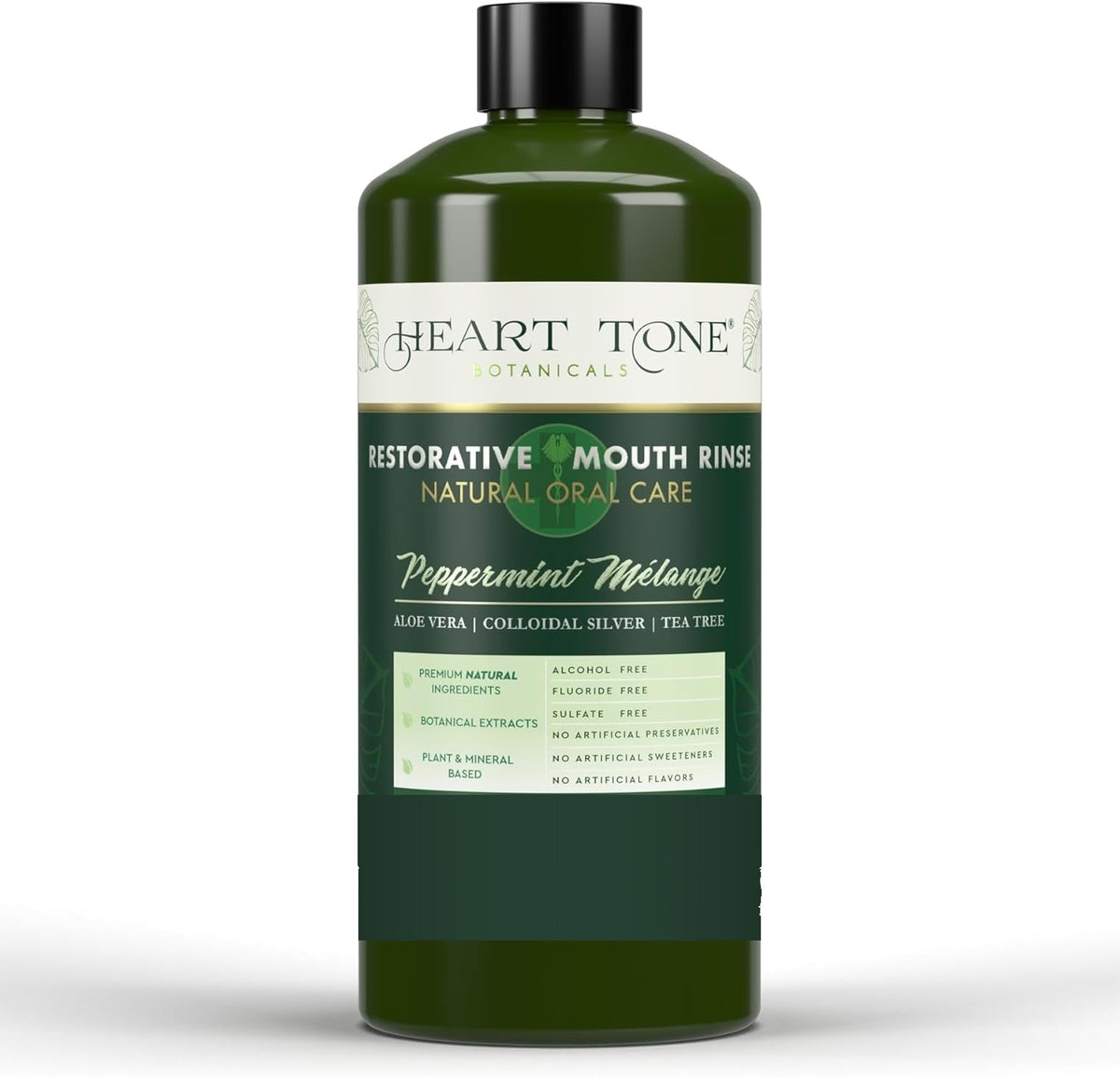
The Short Answer: A Burning Sensation Isn't a Sign a Mouthwash Is Working

If you've switched to an alcohol-free mouthwash and noticed it doesn't leave that sharp, tingling burn behind, you might wonder if it's actually doing anything. It's one of the most common questions people ask the first time they try a botanical rinse — and the short answer is that the burn was never the point. That sting comes from alcohol content, not from anything that makes a rinse worth using. A mouthwash can leave your mouth feeling fresh and clean without it.
Where That Burning Sensation Actually Comes From
Most conventional mouthwashes list ethanol (alcohol) as one of the first ingredients, sometimes at concentrations as high as 20–27%. That alcohol is what produces the sharp, tingling sensation people associate with a mouthwash "working." It's a strong, immediate sensory cue — but it's a side effect of the alcohol itself, not a signal about what the rinse is actually accomplishing in your mouth.
Alcohol-based formulas can also leave the mouth feeling dry afterward, which is a different sensation than clean. Over time, that dryness can make the feeling of freshness shorter-lived rather than longer — the exact opposite of what most people are reaching for a rinse to do.
What an Alcohol-Free Rinse Feels Like Instead
An alcohol-free botanical mouthwash works with a different set of ingredients to create a clean, fresh sensation — just without the sting.
Colloidal Silver
Colloidal silver has a long history of use in traditional oral care. It's valued for its gentle, non-drying character, and unlike alcohol, it leaves the mouth feeling clean without harshness or burning.
Farm-Grown Aloe Vera Leaf Juice
Aloe vera is one of the most widely used botanical ingredients in traditional oral care, valued for its soothing, non-drying properties. It supports a comfortable moisture balance in the mouth, which is part of why an alcohol-free rinse can feel gentler on oral tissue even without the burn.
Peppermint, Spearmint, and Cornmint Botanical Melange
The cooling sensation people associate with "clean" doesn't have to come from alcohol. A blend of peppermint, spearmint, and cornmint oils delivers a bright, invigorating rinse experience and a lasting sense of freshness that comes from menthol's natural cooling effect, not from ethanol.
Myrrh Extract
Myrrh resin has been part of traditional oral care since antiquity — one of its oldest and most consistent traditional applications. It contributes a distinctive, grounding botanical character to a rinse and a clean, comfortable feeling that goes beyond simple mint flavoring.
So Does It Still "Work" Without the Burn?
A mouthwash's job, at the sensory level, is to leave your mouth feeling fresh, clean, and comfortable, and to help rinse away food residue that a toothbrush alone can miss. None of that requires alcohol. What alcohol adds is a strong, immediate sensation that people have learned to associate with cleanliness over decades of conventional marketing — even though that sting was never a requirement for a rinse to feel effective.
For people with sensitive oral tissue, kids, anyone in alcohol recovery, or anyone who simply finds a strong ethanol rinse uncomfortable, an alcohol-free formula is generally the easier one to use every day — morning and evening — without the sting or the dry-mouth aftermath that can follow it.
Why Some "Natural" Mouthwashes Still Use Alcohol
Not every mouthwash labeled "natural" is alcohol-free. Some brands use plant-derived ethanol as a solvent to help extract and stabilize botanical ingredients, or as part of the preservative system. That's a formulation choice, not a marketing contradiction — but it does mean the burn you feel is still coming from alcohol, whether that alcohol started as corn, sugarcane, or grapes. If avoiding the sting and the dry-mouth aftermath is the whole point of switching, checking the ingredient list for any form of alcohol (denatured alcohol, SD alcohol, or plain "alcohol") matters more than the word "natural" on the front label.
What to Look For in an Alcohol-Free Formula
- Meaningful concentrations of botanical extracts, not just a trace amount for the ingredient label
- Multiple complementary ingredients rather than a single-note mint formula
- No alcohol, synthetic dyes, or artificial sweeteners doing the heavy lifting
- A texture and flavor that's comfortable enough to use twice a day without hesitation
A formula that checks all four is doing real work — it's just working differently than what a burning sensation trained you to expect.
The Bottom Line
Why doesn't your alcohol-free mouthwash burn? Because it isn't built around alcohol in the first place. The clean, fresh feeling you're looking for can come from botanical ingredients like colloidal silver, farm-grown aloe vera, a real mint complex, and traditional extracts like myrrh — no sting required.
If you're building an alcohol-free routine, the Restorative Mouth Rinse from Heart Tone Botanicals is formulated with colloidal silver, farm-grown aloe vera leaf juice, and a full botanical extract profile — alcohol-free, fluoride-free, and made without synthetic dyes. Pair it with the Living Crystal Toothpaste for a complete fluoride-free routine, or browse the full natural oral care collection.


Leave a comment
This site is protected by hCaptcha and the hCaptcha Privacy Policy and Terms of Service apply.