

Turn over almost any bottle of lotion, shampoo, or body wash and you'll find it near the bottom of the ingredient list: fragrance. Or its international alias, parfum. It looks like a single ingredient. It isn't.

That one word is legally permitted to hide an undisclosed blend of up to 4,000 possible chemicals — synthetic compounds, solvent carriers, fixatives, preservatives, and yes, sometimes naturally-derived essential oils. You have no way of knowing which ones are in your product, how many there are, or what they do to your body over years of daily exposure.
This isn't a fringe concern. In 2025, NPR published an advisory urging consumers to avoid lotions and creams that list "fragrance" as an ingredient. Major dermatology organizations have flagged fragrance as the leading cause of cosmetic contact reactions. And growing research is linking certain fragrance chemicals to endocrine disruption, respiratory issues, and skin barrier breakdown.
At Heart Tone Botanicals, we decided early on: no mystery ingredient lists. Here's what you should know about fragrance in personal care — and how to shop smarter.
What "Fragrance" Actually Means on a Label
In the United States, cosmetic companies are not required to disclose individual fragrance chemicals on the label. Instead, the entire mixture — however complex — can be listed as a single term: fragrance or parfum.
Why? Fragrance formulas are classified as trade secrets. The rationale is that revealing the specific blend would expose proprietary intellectual property. The practical result is that consumers have no visibility into what they're absorbing through their skin every day.
A 2018 analysis of personal care products found that fragrance chemicals accounted for three-quarters of all detected chemicals linked to chronic health effects. And a review published in the journal Frontiers in Allergy found 99 out of 338 fragrance chemicals carried at least one documented health concern.
Why Dermatologists Are Warning About It
Fragrance is one of the most common causes of cosmetic contact dermatitis — the kind of redness, burning, itching, and rash that people often blame on "sensitive skin" without realizing it's a specific ingredient triggering the reaction.
More than 2 million Americans have a documented fragrance allergy. But even without a true allergy, fragrance can:
- Disrupt the skin barrier — making skin more permeable to irritants and accelerating moisture loss
- Worsen inflammatory conditions like eczema, rosacea, psoriasis, and acne
- Increase photosensitivity — elevating sun damage risk and contributing to premature aging
- Accumulate over time — daily exposure from multiple fragranced products (cleanser, moisturizer, deodorant, shampoo, body lotion) adds up to a significant total dose
And here's the part that surprises most people: fragrance does nothing beneficial for your skin. It exists for sensory pleasure — a pleasant smell that makes the product feel premium. Every functional benefit in a skincare or personal care product comes from the active ingredients. The scent is purely cosmetic.
"Natural Fragrance" Isn't a Safe Workaround
Many brands marketing themselves as "clean" or "natural" have quietly swapped synthetic fragrance for essential oil blends — lavender, citrus, rose, mint. It sounds better. It isn't necessarily safer.
Eighteen of the 26 recognized fragrance allergens regulated by the EU are natural components of essential oils. Linalool (found in lavender and coriander), limonene (citrus), citral (lemongrass), and eugenol (clove) are all plant-derived — and all significant skin sensitizers.
This is how greenwashing happens: a brand removes "synthetic fragrance," adds "organic lavender essential oil," and markets it as clean beauty. The allergen burden may be identical. The label just reads better.
If you have sensitive skin, eczema, rosacea, or a history of product reactions, the safest standard isn't "natural fragrance" — it's no added fragrance at all.

Fragrance-Free vs. Unscented: They're Not the Same
This distinction matters. Truly fragrance-free products contain no added fragrance chemicals — not synthetic, not essential oils, not masking agents.
Unscented products, however, may still contain fragrance chemicals used to neutralize the natural odor of base ingredients — so the finished product doesn't smell like anything. But fragrance is still present. For people with fragrance allergies or reactive skin, "unscented" is not a safe harbor.
When shopping, look for "fragrance-free" explicitly on the label and confirm by checking the ingredient list for fragrance, parfum, or common essential oil names that serve as scent rather than active ingredients.
How to Read a Label for Hidden Fragrance
Fragrance hides under more names than most people realize. Here's what to look for:
- Fragrance / Parfum — the catch-all term; always investigate further if possible
- Linalool, Limonene, Citral, Geraniol, Eugenol, Cinnamaldehyde — natural fragrance allergens that must be disclosed in the EU above certain concentrations
- Essential oil names — lavender oil, bergamot oil, peppermint oil, tea tree oil — these carry scent and can irritate reactive skin
- Benzyl alcohol, benzyl benzoate, benzyl salicylate — fragrance compounds with documented sensitization potential
- Phthalates (e.g., diethyl phthalate) — sometimes used as fragrance fixatives, linked to endocrine disruption
If any of these appear in a leave-on product — moisturizer, serum, deodorant, body butter — and you have reactive skin, it's worth reconsidering.
Why We Made a Different Choice
At Heart Tone Botanicals, JD grows and harvests botanicals on his farm in Vero Beach, Florida. The whole point of starting there — in the soil, with real plants — was to know exactly what goes into every product. Not to market a story, but to actually control the inputs.
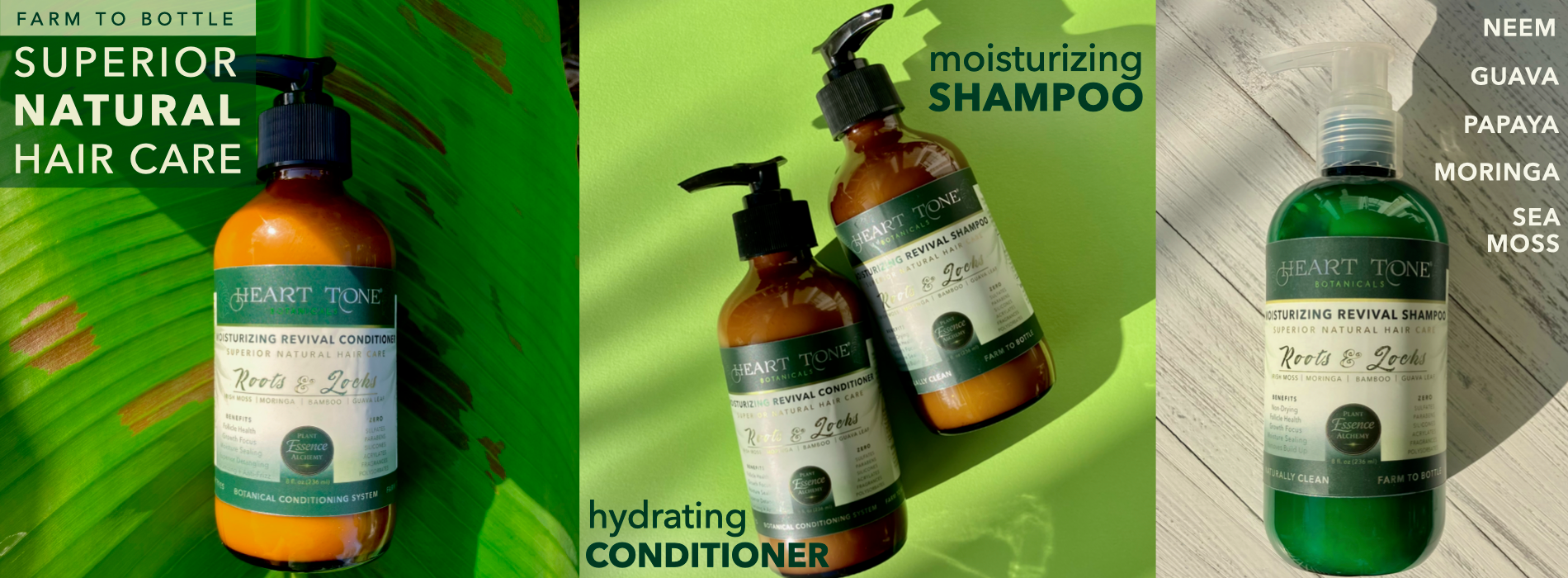
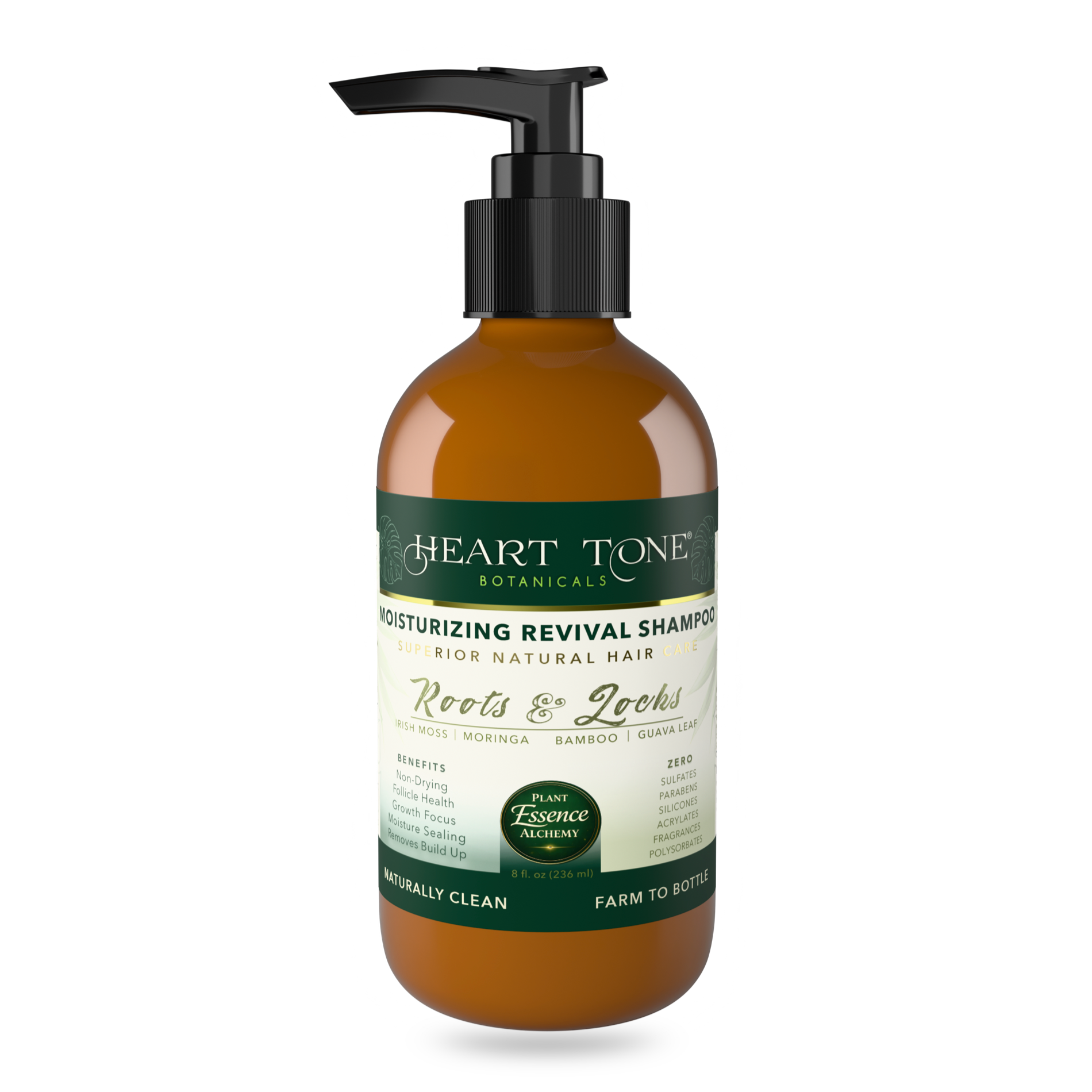
That mindset shapes our formulation philosophy. When our bioactive deodorants have a scent, it comes from the functional botanical ingredients themselves — not a fragrance blend added on top. Our Faithfully Pure Hands castile soaps list every ingredient clearly. Our Roots & Locks shampoo and conditioner is formulated without hidden fragrance ingredients.
We're not anti-scent. Some of our products have a natural botanical aroma because of what's in them. But we won't add mystery chemicals for sensory marketing — and we won't hide them behind a single word on the label.
If you're building a personal care routine you can actually trust, start with the ingredient list. Browse our full collection and read every ingredient — we think you'll find nothing to worry about.
The Bottom Line
"Fragrance" on a personal care label is one of the most consequential words in consumer product chemistry — not because it's always dangerous, but because it's always unknown. It's a placeholder for a trade secret, and your skin absorbs it every day.
You deserve to know what you're putting on your body. And the brands that are genuinely transparent will show you — clearly, fully, without hiding behind a single word.
That's the standard we hold ourselves to. We hope it becomes the standard you demand from every product you buy.

Leave a comment
This site is protected by hCaptcha and the hCaptcha Privacy Policy and Terms of Service apply.