

You deep condition for thirty minutes. You use a leave-in every wash day. You drink the water, apply the oils, follow the routine — and your hair still feels dry an hour after you style it. Sound familiar?

If your moisture never seems to stick, the problem might not be your products. It might be your hair's porosity. Specifically, you might have low porosity hair — and most hair care advice completely ignores it.
Here's everything you need to know about low porosity hair care, why it behaves the way it does, and how to give it exactly what it needs.
What Is Hair Porosity?
Porosity refers to your hair's ability to absorb and retain moisture. It's determined by the structure of your hair cuticle — the outermost layer of each strand.
The cuticle is made of overlapping scales, like shingles on a roof. When those scales lie flat and tightly closed, moisture has a hard time getting in. That's low porosity hair. When the scales are raised or damaged, moisture gets in easily but also escapes quickly — that's high porosity.
Low porosity is very common in tightly coiled and kinky hair textures, though it can occur across all curl patterns and ethnicities. It's genetic, not a sign of damage.
Signs You Have Low Porosity Hair
Before you change your entire routine, it helps to confirm your porosity type. Common signs of low porosity hair include:
- Water beads on your hair instead of absorbing quickly
- Products sit on your strands rather than soaking in
- Hair takes a long time to get wet in the shower
- Hair takes forever to dry (even without heat)
- Buildup happens fast, even when you don't use heavy products
- Moisture feels short-lived — soft right after wash day, then dry by tomorrow
The classic float test (dropping a strand in water and watching whether it sinks or floats) gives a rough idea, but observation over time is more reliable. If your hair consistently resists moisture and builds up product quickly, low porosity is likely your culprit.
Why Low Porosity Hair Behaves Differently
The tight cuticle that defines low porosity hair creates two interconnected challenges: getting moisture in and preventing buildup on the outside.
Because the cuticle doesn't open easily, water-based moisture and conditioning agents have difficulty penetrating the hair shaft. Products tend to coat the outside of the strand rather than absorbing. Over time, those coatings layer on top of each other, creating buildup that makes hair feel heavy, dull, and unresponsive to even more product.
This is why low porosity hair often seems to plateau — you add more and more, and results keep diminishing. The problem isn't product quantity. It's cuticle access.
The Low Porosity Hair Care Strategy
Once you understand the mechanism, the solution becomes clearer. The goal is to temporarily open or soften the cuticle so moisture can enter, then choose products that absorb rather than coat.
1. Use Heat to Open the Cuticle
Warmth is your best tool for low porosity hair. The cuticle opens slightly with heat, giving moisture a window to enter. Practical applications:
- Wash with warm water. Not scalding, but warm enough to raise the cuticle before you apply conditioner.
- Steam your hair while deep conditioning — a hooded dryer, steamer, or even a warm, damp towel over a shower cap works well.
- Rinse conditioner with cool water to seal the cuticle after conditioning is complete.
2. Choose Lightweight, Water-Based Products
Heavy butters, thick creams, and dense oils sit on top of low porosity strands rather than penetrating them. Your routine needs to be built around water as the first and primary ingredient.
Look for:
- Lightweight leave-ins where water is the first ingredient
- Humectants like glycerin, aloe vera, and honey — these attract moisture from the air into your hair
- Light oils like argan, grapeseed, or avocado (in small amounts, as a sealant) rather than heavy coconut or castor oil
Avoid heavy silicones and thick waxes, which are notorious buildup contributors on already-sealed cuticles.
3. Clarify Regularly
Buildup is the enemy of low porosity hair. No amount of moisture application will work if there's a layer of old product blocking the cuticle. Regular clarifying removes that buildup and resets your hair's ability to receive moisture.
A gentle but thorough clarifying shampoo used once or twice a month — more often if you use heavy styling products — is essential. Pay attention to your scalp too: low porosity hair can accumulate sebum and product buildup at the root even when you're not using many products.

4. Go Easy on Protein Treatments
This is where low porosity hair diverges significantly from high porosity. High porosity hair often craves protein to fill gaps in the cuticle. Low porosity hair generally doesn't — the cuticle is already closed and full. Adding protein can make low porosity strands feel stiff, brittle, and even harder to moisturize.
Use protein treatments sparingly, or skip them unless your hair shows signs of protein deficiency (extreme limpness, mushy texture when wet, excessive breakage with no elasticity).
5. Apply Products to Soaking Wet Hair
Low porosity hair is most receptive to moisture when it's fully saturated. Applying conditioners and leave-ins to dripping-wet hair gives you a far better chance of actual penetration than applying to damp or towel-dried strands. The water already on the strand acts as a vehicle for whatever you apply next.
Choosing the Right Shampoo for Low Porosity Hair
Your shampoo is the foundation of your low porosity routine. It needs to do two things well: cleanse buildup effectively and not leave behind heavy residue.
That means avoiding shampoos with heavy conditioning agents, thick silicones, or multiple oils in the formula. Counterintuitively, some moisturizing shampoos can actually worsen buildup for low porosity hair by adding more to the pile.
What you want instead is a shampoo that:
- Cleanses thoroughly without stripping
- Uses plant-based, lightweight ingredients
- Balances the scalp's pH and microbiome
- Delivers functional botanicals rather than just coating agents
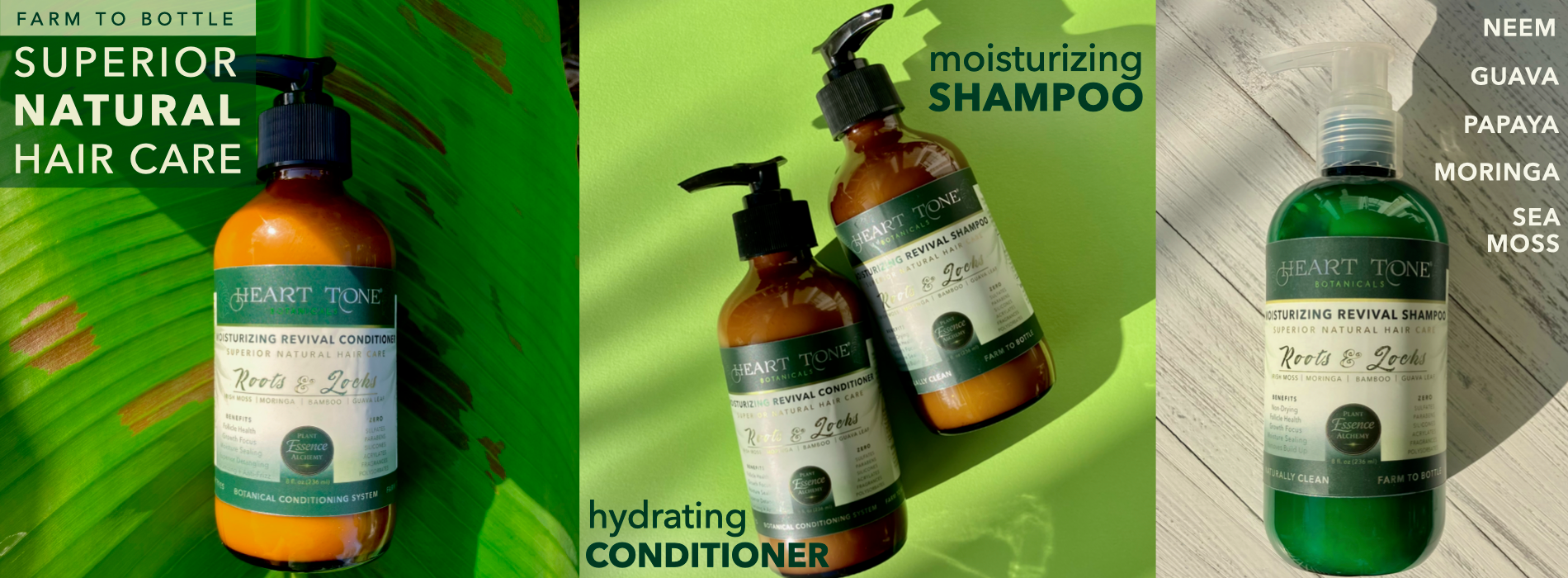
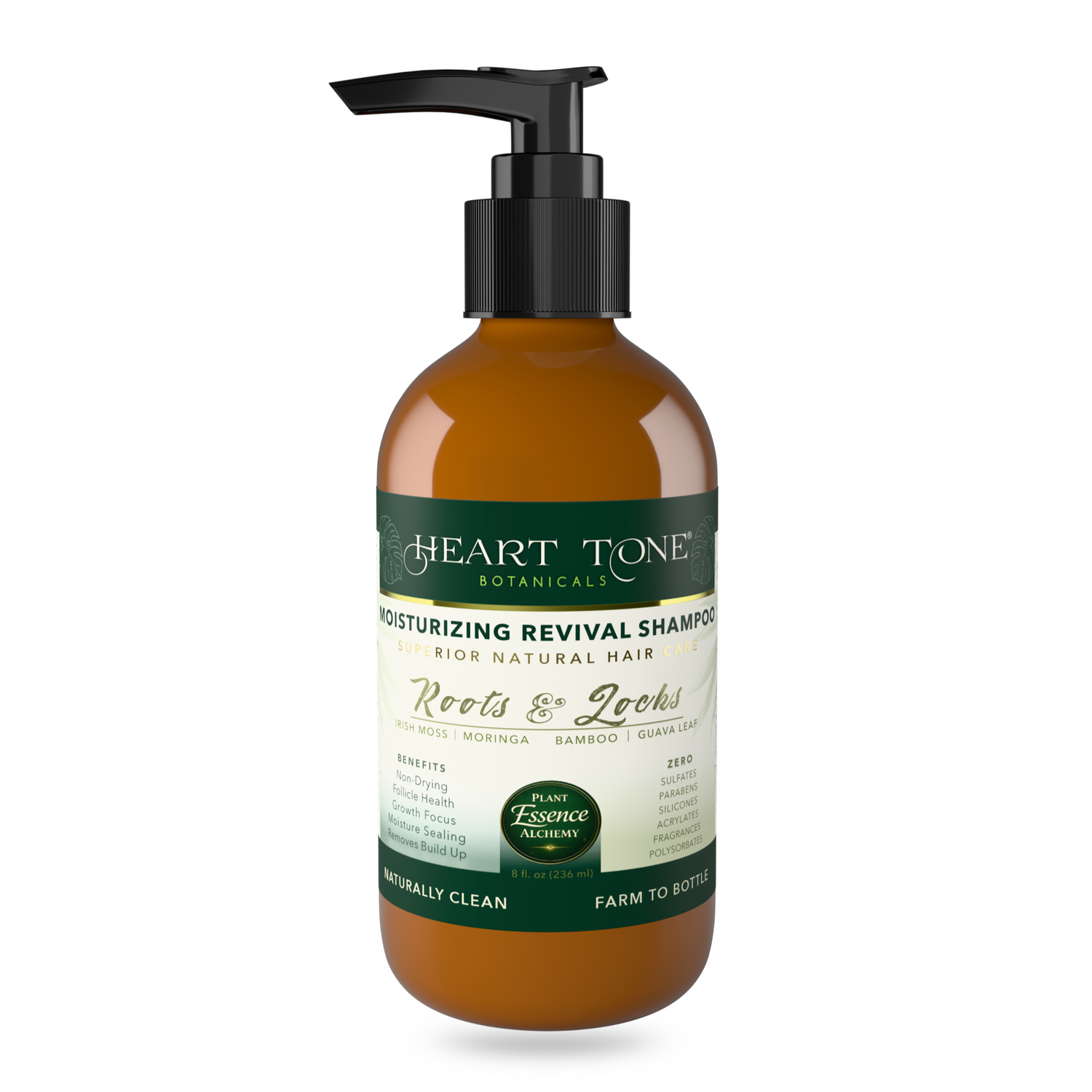
Roots & Locks Moisturizing Revival Shampoo was formulated with exactly this in mind. It's built around rare botanical plants grown beyond organically on Heart Tone's Florida farm — hand harvested and delicately extracted to preserve their bioactive compounds. The formula is designed to cleanse deeply, balance the scalp microbiome, and deliver functional plant compounds directly into the hair follicle, without the heavy residue that stalls low porosity strands.
At .99, it's a serious investment in scalp and strand health — and for low porosity hair, the right shampoo makes everything else in your routine work better.
Choosing the Right Conditioner for Low Porosity Hair
The goal with conditioner for low porosity hair is moisture that actually penetrates — not coating. This means lightweight, water-based formulas applied with heat, left on long enough for the cuticle to receive what you're offering.
Roots & Locks Moisturizing Revival Conditioner focuses on balancing scalp pH and tackling buildup while delivering vital plant compounds into the follicle for hair that looks and feels revitalized. The botanical-forward formula avoids the heavy coating agents that would just sit on the surface of low porosity strands.
Apply it to soaking-wet hair, cover with a plastic cap, add a warm towel on top for 15–20 minutes, then rinse thoroughly with cool water to seal the cuticle.
A Simple Low Porosity Wash Day Routine
- Pre-poo (optional): Apply a light oil like argan or grapeseed to dry hair 30 minutes before washing to prevent moisture loss during shampooing.
- Wet hair thoroughly with warm water until fully saturated.
- Shampoo with a clarifying botanical shampoo, massaging the scalp well to remove buildup. Rinse completely.
- Apply conditioner to soaking-wet hair, focusing on mid-lengths and ends.
- Add heat: Cover with a plastic cap and a warm towel, or sit under a hooded dryer for 15–20 minutes.
- Rinse with cool water to close the cuticle and seal in moisture.
- Apply leave-in immediately to still-dripping hair.
- Seal lightly with a small amount of lightweight oil.
- Style as usual.
What Low Porosity Hair Doesn't Need
As important as what to add is knowing what to avoid. Low porosity hair generally doesn't respond well to:
- Heavy butters (shea, mango) as leave-ins or stylers — save them for the last sealing step, if at all
- Dense silicone-heavy conditioners that coat without penetrating
- Frequent protein treatments that stiffen already-sealed strands
- Product layering without clarifying — this is the fastest route to buildup overload
- Washing with cold water — use warm to open the cuticle, cool to close it afterward
Low Porosity Hair Can Thrive
Low porosity hair has a reputation for being difficult. But the truth is it's just misunderstood — and often mistreated with routines designed for a completely different hair type. When you work with the cuticle's tight structure instead of against it, everything changes.
Warmth, lightweight hydrators, regular clarifying, and botanical-powered formulas built for real performance — that's what low porosity hair actually needs. Give it those things and the results will surprise you.
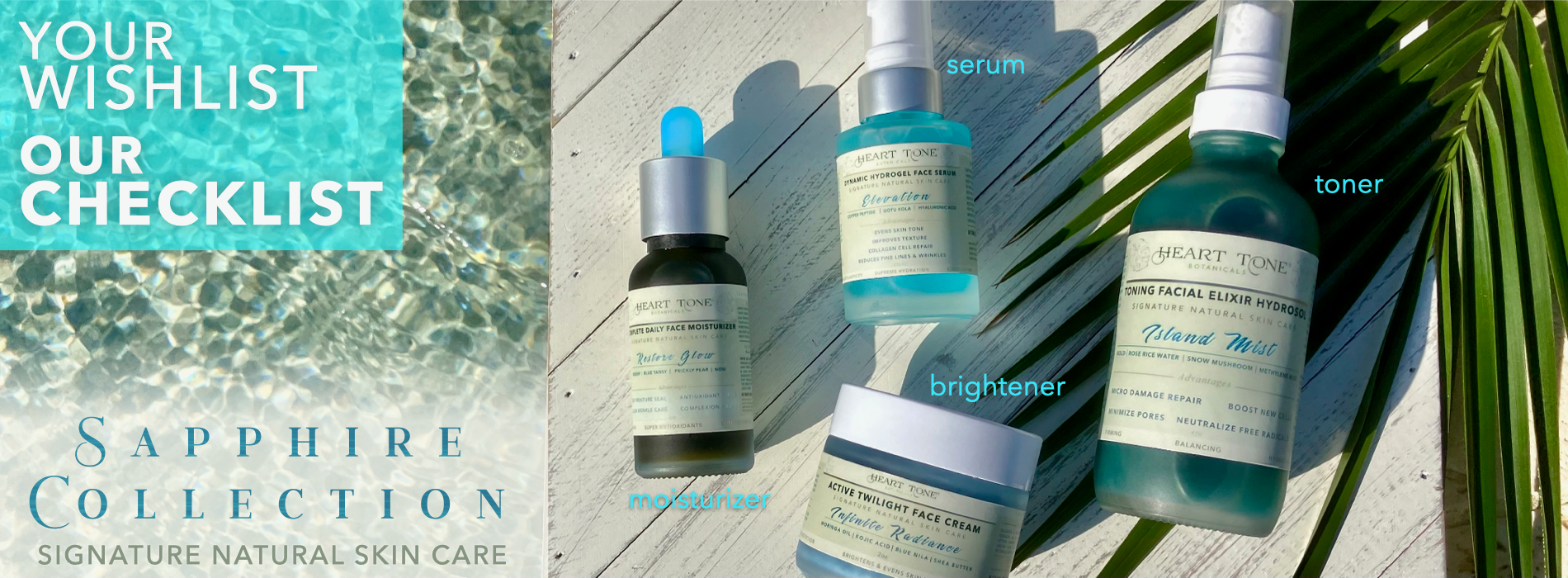
Explore the full hair care collection at Heart Tone Botanicals — formulated with rare farm-grown botanicals for hair and scalp that performs.
Try It: Roots & Locks Shampoo & Conditioner
Heart Tone Botanicals' Roots & Locks Moisturizing Revival Shampoo and Conditioner are formulated for all hair types — sulfate-free, silicone-free, and packed with farm-grown botanicals that nourish the scalp and restore moisture balance without stripping. Perfect for low and high porosity hair.

Leave a comment
This site is protected by hCaptcha and the hCaptcha Privacy Policy and Terms of Service apply.