












Most "Botanical" Beauty Isn't What You Think

Walk into any pharmacy or beauty store and you'll see the word "botanical" everywhere — on body washes, face serums, lip balms, and deodorants. It's one of the most common claims in personal care marketing. It's also one of the least regulated and least defined. Under U.S. law, there is no standard for what "botanical" means on a label. A product can contain a trace of plant extract — less than 1% of its formula — and still carry the word proudly across the front.
This isn't just a labeling technicality. It matters because where botanical ingredients come from, and how they get from plant to product, has a real effect on what you're actually applying to your skin or using in your daily routine.
The Standard Botanical Supply Chain
Here's how most botanical ingredients travel from plant to product at commercial scale:
- A plant is grown — often on large agricultural operations in Asia, South America, or Africa.
- The raw material is processed into a standardized extract: dried, powdered, solvent-extracted, or preserved.
- That extract ships to a regional broker or distributor, often traveling thousands of miles with months of lead time.
- A formulator purchases the extract from the broker and incorporates it into a formula at whatever concentration the cost allows.
- A finished product rolls off the line at a contract manufacturer, often a private-label facility that makes dozens of brands' products.
The result is a product that can honestly say it contains a botanical ingredient — because it does, just minimally, and far removed from the source.
This is the norm. Most beauty brands operate this way because it's the most practical and cost-effective approach at scale. But it's worth understanding when you're paying a premium for something described as botanical or natural.
What Farm-Grown Actually Means
Farm-grown means something fundamentally different: the plant is cultivated with intention, harvested at the right time, and processed close to where it grew. The supply chain is short. The ingredients aren't traveling across continents in barrels of preserved extract — they're moving from field to formula in a much shorter window.
At Heart Tone Botanicals, JD and Christina grow four core botanicals on a family farm in Vero Beach, Florida: aloe vera, neem, moringa, and soursop. These four plants form the botanical foundation of the brand's product line — and they're grown, not sourced from a catalog.
Vero Beach sits in Florida's subtropical climate zone, which makes it well-suited to all four of these plants. Aloe vera thrives in warm, well-drained soil with plenty of sunshine. Neem (Azadirachta indica) is a tropical tree native to South Asia that grows well in Florida's heat. Moringa (Moringa oleifera) has been cultivated in tropical climates for centuries and produces abundantly in warm, frost-free conditions. Soursop (Annona muricata) is an evergreen native to the tropical Americas that requires the warmth Florida reliably delivers. Growing all four on a domestic farm means they're harvested locally and formulated without the extended global supply chain most botanical ingredients travel through.
The Four Farm-Grown Botanicals in HTB Products
Aloe Vera
Aloe vera has been used in personal care for thousands of years across cultures from ancient Egypt to Mesoamerica. In skincare, it has a long tradition of use for its lightweight gel texture, high water content, and the comfortable, non-drying feel it leaves on skin. In oral care, it's been valued similarly — for a gentle, non-harsh character suited to daily use.
Farm-grown aloe from the Vero Beach farm appears in several HTB products, including the Botanical Skin Gel, the Restorative Mouth Rinse, and the Ancient Organic Soap — Aloe Fields.
Moringa
The moringa tree (Moringa oleifera) has a deep history in traditional personal care across South Asia and East Africa. The oil pressed from moringa seeds has been used in skin and body formulations for centuries — prized for its lightweight, non-greasy texture and the way it leaves skin looking and feeling smooth and comfortable. It absorbs readily and sits well as both a standalone facial oil and as an ingredient in richer moisturizing blends.
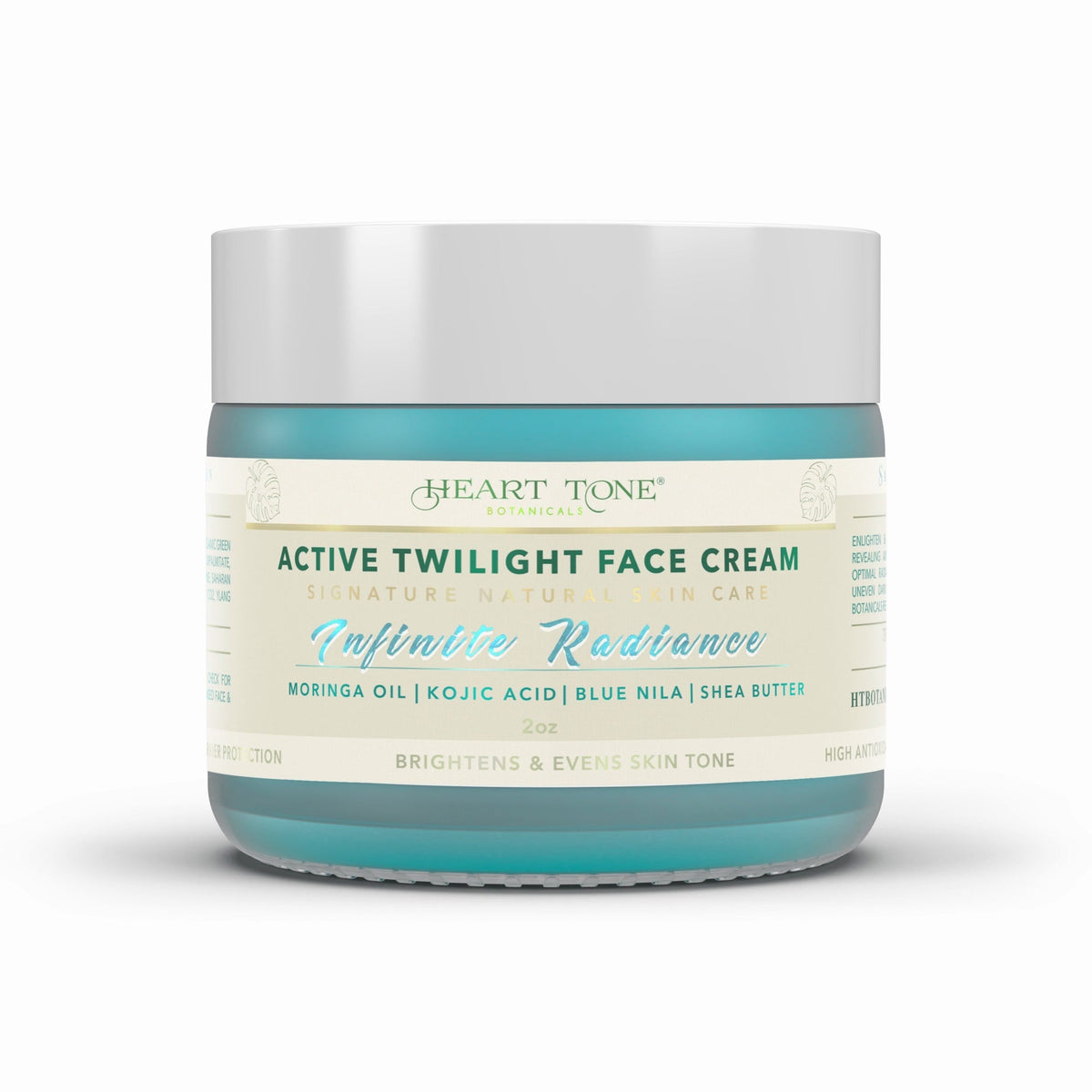
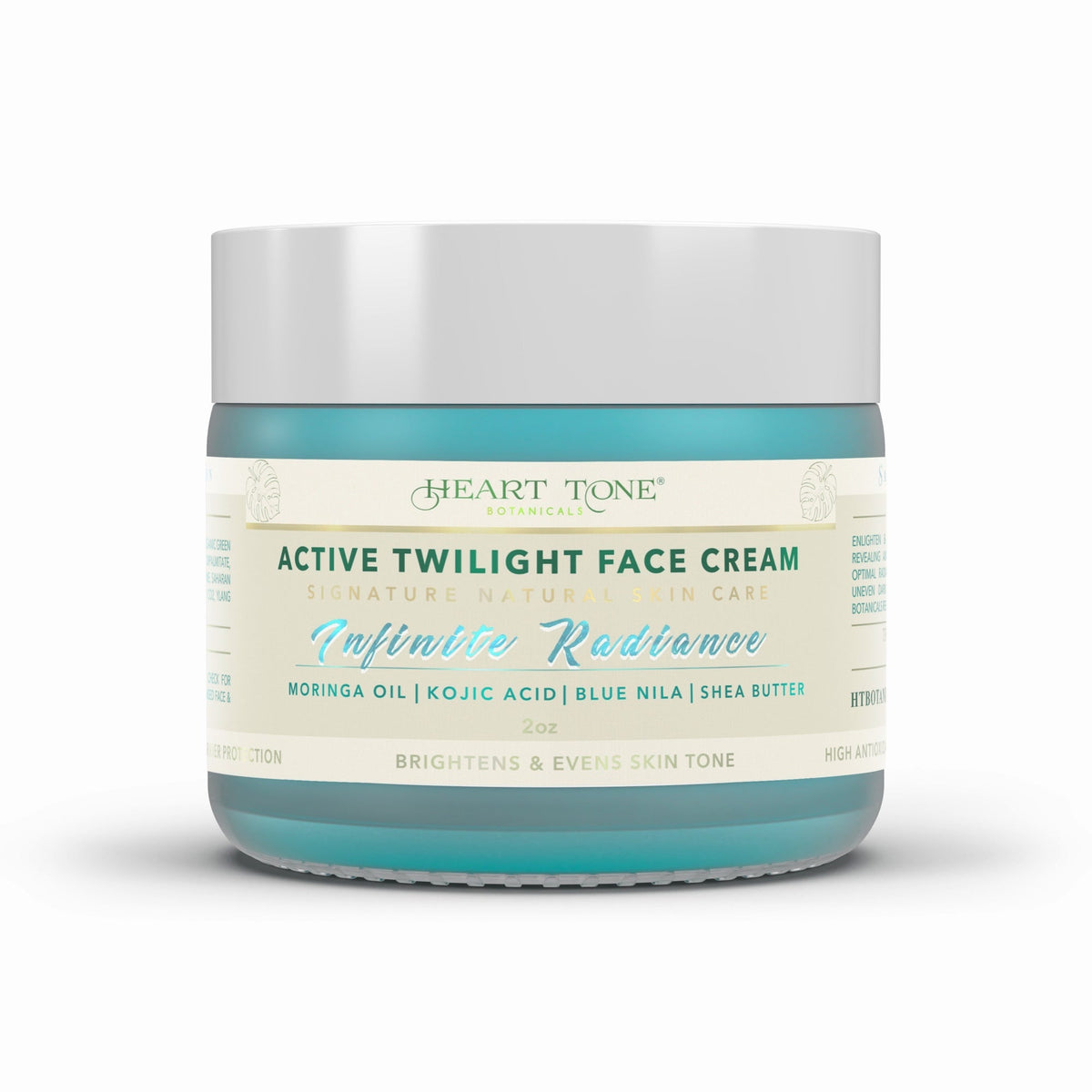
Farm-grown moringa oil appears in HTB's Complete Daily Face Moisturizer — a 22-oil facial moisturizer where moringa is one of the lead ingredients — and in the Active Twilight Face Cream, an overnight moisture-sealing cream. Moringa seed oil also appears in the Antioxidant Oil Pull.
Neem
Neem (Azadirachta indica) has been used in Ayurvedic personal care for thousands of years. The oil pressed from neem seeds has a distinctive earthy, slightly herbaceous character and a long tradition of use in body and skin formulations. In modern botanical personal care, neem CO2 extract is valued for its rich botanical profile and its compatibility with complex, multi-ingredient formulas.
Farm-grown neem appears in HTB's botanical deodorant line, including the Eden's Garden Bioactive Deodorant — a formula built around arrowroot, elderberry extract, and botanical CO2 extracts in an aluminum-free and baking-soda-free base.
Soursop
Soursop (Annona muricata) is less familiar in Western beauty markets but has a centuries-long history of use in traditional personal care across the Caribbean and Central America. Growing soursop in Vero Beach connects the HTB farm to that botanical heritage — and keeps the ingredient in a domestic, intentional supply chain rather than a bulk-commodity one.
How to Spot Farm-Sourced vs. Mass-Produced Botanicals on a Label
If you're trying to distinguish serious botanical brands from those using the word as window dressing, a few things are worth looking for:
Specific sourcing claims with named locations. "Farm-grown in Vero Beach, Florida" tells you something. "Botanical" or "plant-based" on its own tells you very little. A brand that knows where its aloe came from will usually say so.
Identifiable INCI names. Ingredient labels are written in INCI (International Nomenclature of Cosmetic Ingredients) format. Plant-derived ingredients should have recognizable Latin names: Aloe barbadensis, Azadirachta indica, Moringa oleifera. The more specific the name, the more traceable the ingredient. Vague entries like "botanical complex" or "plant extract" are harder to verify.
Small-batch or direct production. Brands that formulate their own products rather than ordering private-label stock have direct control over what goes in. That's harder to do at mass scale — which is why it's less common. When a brand makes its own products from scratch, the ingredient story is genuinely theirs to tell.
Transparency about what's in the formula and where it comes from. Farm-to-bottle brands that have something real to say about their sourcing tend to say it. If a brand is vague about every ingredient's origin, that's worth noting.
The Clean Beauty Connection
Farm-grown botanicals are a natural extension of clean beauty thinking. Clean beauty at its core is about understanding what's in the products you use and where those ingredients came from. Shorter supply chains mean fewer intermediary steps — and fewer opportunities for synthetic preservatives, standardizing additives, or processing aids to enter the picture.
Most botanical extracts that travel the global supply chain are preserved at some point during transportation and storage. That's a practical necessity, not a scandal — but it does mean the "botanical" in a mass-market product has been processed in ways a farm-grown, directly formulated ingredient hasn't.
For anyone who cares about reading the full ingredient list and understanding what they're putting on their skin, the sourcing question matters as much as the ingredient list itself.
Explore HTB Products Built Around Farm-Grown Botanicals
Heart Tone Botanicals builds its product line around the Vero Beach farm's harvest — aloe vera, neem, moringa, and soursop — alongside 30+ botanical extracts sourced from vetted suppliers. A few good starting points if you're exploring what farm-grown botanical personal care actually looks and feels like:
- Botanical Skin Gel — aloe vera, colloidal silver, and botanical extracts in a lightweight daily gel
- Complete Daily Face Moisturizer — moringa oil in a 22-oil facial moisturizer formulated for daily use
- Active Twilight Face Cream — moringa oil in an overnight renewal cream
- Eden's Garden Bioactive Deodorant — neem CO2 and botanical extracts in an aluminum-free, baking-soda-free formula
- Ancient Organic Soap — Aloe Fields — cold-processed bar soap with farm-grown aloe vera
You can browse the full Heart Tone Botanicals collection at htbotanicals.com.

Leave a comment
This site is protected by hCaptcha and the hCaptcha Privacy Policy and Terms of Service apply.