

What to Look for in an Alcohol-Free Mouthwash: Natural Ingredients That Actually Work
More people are switching to alcohol-free mouthwash — and for good reason. Once you understand what alcohol actually does inside your mouth, the burning tingle of conventional rinses starts to feel less like "clean" and more like what it is: tissue irritation. The good news is that alcohol-free mouthwashes with natural ingredients have come a long way. You don't have to choose between effectiveness and gentleness.

This guide covers exactly what to look for on the label, what to avoid, and why certain botanical ingredients punch well above their weight when it comes to oral health and fresh breath.
Ingredients to Look For
Not every "natural" mouthwash actually does the work. These are the ingredients with real substance behind them:
Colloidal Silver
Colloidal silver is one of the most potent antimicrobial ingredients you can put in a mouthwash formula — and it's been used for that purpose long before synthetic antiseptics existed. At properly calibrated concentrations, it disrupts the cell membranes of pathogenic oral bacteria on contact. It doesn't rely on alcohol, triclosan, or harsh chemical compounds. If you see it on an ingredient label, it's a strong signal that the formulator took antibacterial efficacy seriously.
Aloe Vera (Especially Farm-Grown)
Aloe vera does two things that most mouthwash ingredients don't: it soothes inflamed gum tissue, and it supports healthy moisture levels in the oral cavity. Dry mouth is one of the primary drivers of bad breath, so an ingredient that actively combats dryness is genuinely valuable. The quality of aloe varies enormously by source — there's a big difference between diluted aloe powder and fresh-pressed gel from an actively cultivated plant.
Peppermint and Botanical Mint Blends
Peppermint isn't just flavor. The essential oil compounds in peppermint — menthol, menthone, and related terpenes — have demonstrated antibacterial activity specifically against the strains most responsible for bad breath. A well-formulated mint blend provides genuine antimicrobial action alongside the freshness you expect.
Xylitol
Xylitol is a naturally derived sugar alcohol found in birch bark and certain fruits. Oral bacteria absorb it but can't metabolize it — it essentially starves them. It also raises the pH of your mouth, reducing the acidic environment that cavity-causing and odor-causing bacteria need to survive. It's one of the few ingredients that's both sweet-tasting and actively protective.
Broad-Spectrum Botanical Extracts
A quality alcohol-free mouthwash should contain a diverse blend of plant-derived compounds — not just one or two token herbal additions. Botanicals like neem, tea tree, thyme, clove, and similar plants contain phenols, terpenes, and flavonoids that have antimicrobial, anti-inflammatory, and antioxidant properties. The synergy between multiple botanical extracts creates broader coverage than any single compound.
Zinc
Zinc compounds — particularly zinc chloride and zinc citrate — neutralize volatile sulfur compounds (VSCs), which are the primary molecules responsible for bad breath odor. Zinc works differently from antimicrobials: it doesn't necessarily kill the bacteria, it chemically neutralizes the odor molecules they produce. Products that combine zinc with an antimicrobial ingredient address bad breath from two angles simultaneously.
Ingredients to Avoid
The label should be just as informative for what isn't in the formula:
Alcohol (Ethanol)
High concentrations of alcohol (typically 20–27% in conventional mouthwash) kill bacteria effectively but indiscriminately. They also dry out the oral mucosa, reduce saliva flow, and can cause a rebound effect where pathogenic bacteria repopulate more aggressively after each rinse. For daily use, alcohol is counterproductive.
Sodium Lauryl Sulfate (SLS)
SLS is a foaming agent that can irritate oral tissue, disrupt the mucosal lining, and has been linked to increased susceptibility to canker sores in sensitive individuals. There's no functional reason for it to be in a mouthwash — it's there for the foam sensation, not efficacy.
Artificial Sweeteners and Dyes
Saccharin, sucralose, and synthetic colorants have no place in a formula you're putting in your mouth twice a day. They don't improve performance and introduce unnecessary chemical exposure.

Triclosan
Triclosan is a broad-spectrum synthetic antimicrobial that has been removed from many consumer products due to concerns about hormone disruption and contribution to antibiotic resistance. Check the label — it still appears in some formulas.
Is Alcohol-Free Mouthwash Safe for Daily Use?
Yes — in fact, daily use is where alcohol-free mouthwash outperforms its conventional counterparts. Because it doesn't strip the oral mucosa or reduce saliva flow, you can rinse twice daily without accumulating tissue damage or disrupting the oral microbiome over time. The ingredients do their work without setting up a dependency loop.
Morning and evening, after brushing, is the ideal routine. Some people also add a mid-day rinse, especially after eating — without the drying effect of alcohol, that's perfectly fine.
What We Put in Ours
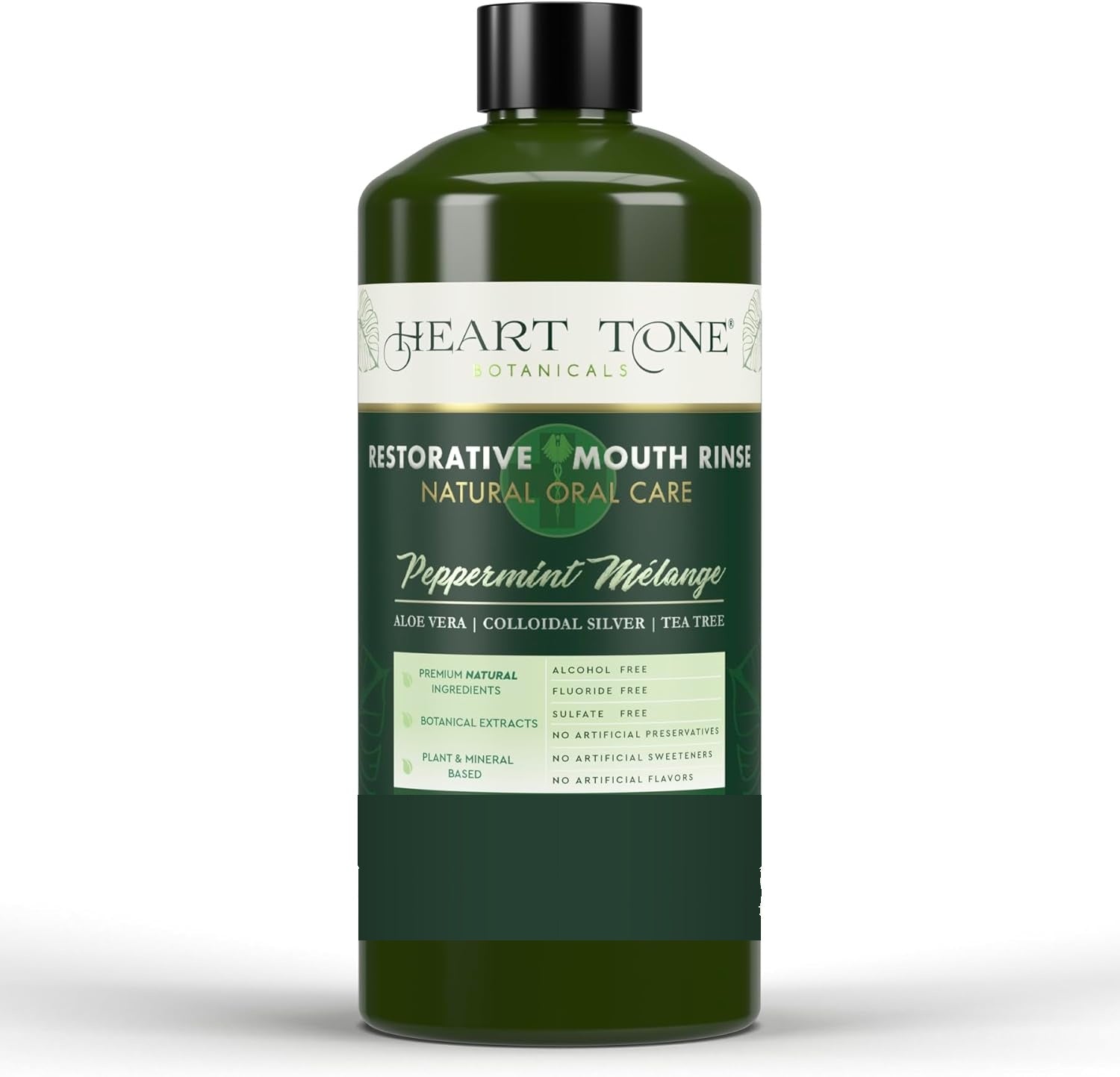
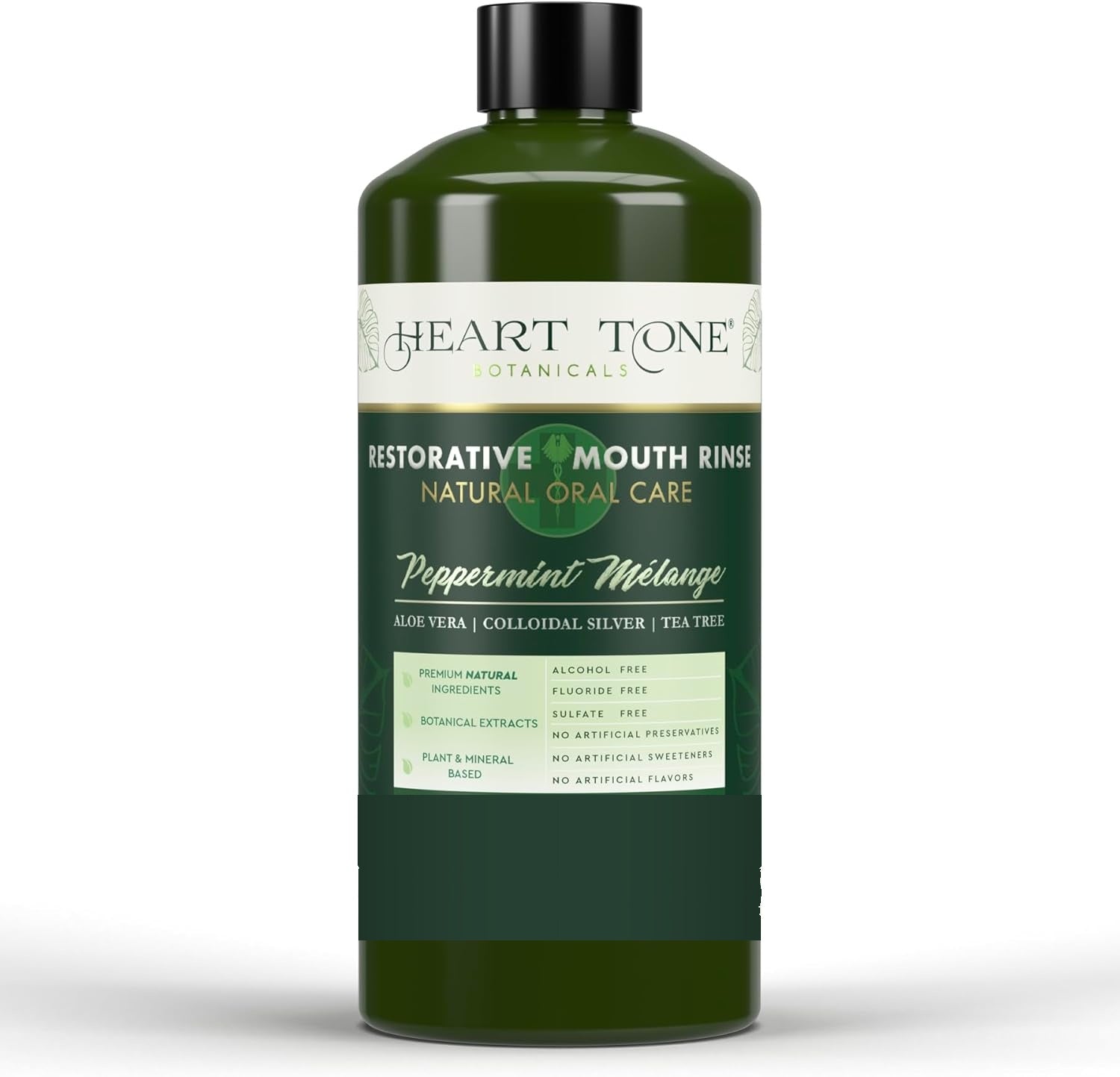
Our Restorative Mouth Rinse was built to check every box on this list. It contains colloidal silver, 18 botanical extracts, farm-grown aloe vera from our own fields in Vero Beach, and a layered peppermint blend — all in an alcohol-free, fluoride-free, SLS-free base. No synthetic preservatives, no artificial colors, no compromise ingredients.
The aloe vera is grown on our own biodynamic farm, not sourced from a commodity supplier. The botanical extracts are selected specifically for oral care efficacy, not just label appeal. If you want to verify, the full ingredient list is on the product page.
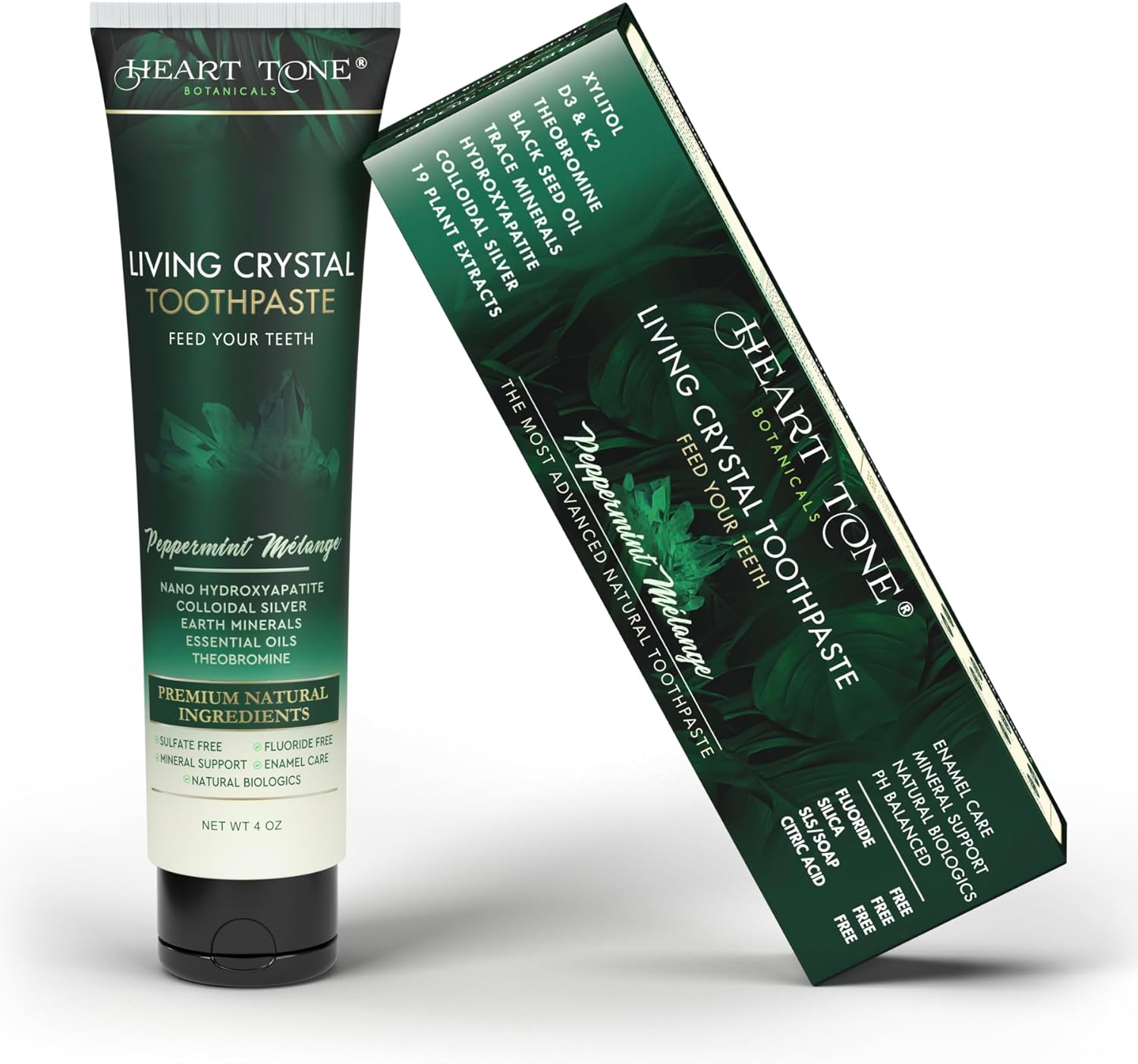
Browse our full oral care collection if you're building a complete natural oral care routine — our toothpaste and mouthwash are formulated to work together.
Frequently Asked Questions
Are there alcohol-free mouthwashes with natural ingredients?
Yes — though the quality varies widely. Look for formulas that include colloidal silver, aloe vera, xylitol, and a substantive botanical extract blend. Avoid anything that replaces alcohol with a long list of synthetic preservatives and artificial sweeteners; that's just trading one set of questionable ingredients for another.
Is alcohol-free mouthwash as effective as regular mouthwash?
For daily oral care and fresh breath, yes — and for chronic daily use, it's superior. Conventional mouthwash's alcohol content provides a strong short-term kill, but at the cost of tissue health and microbiome balance over time. Well-formulated botanical mouthwash addresses bad breath through multiple mechanisms without the collateral damage.
How do I know if a "natural" mouthwash is actually effective?
Read the full ingredient list. Effective natural mouthwashes lead with active botanical ingredients — colloidal silver, essential oil compounds, plant extracts with documented antimicrobial properties. If the first few ingredients are water and glycerin followed by a tiny amount of "botanical blend," the naturals are mostly decorative.
Can children use alcohol-free natural mouthwash?
Many alcohol-free natural mouthwashes are appropriate for older children — always check with your pediatric dentist for age-specific guidance. The absence of alcohol is one reason many families prefer natural formulas for younger users.
What's the difference between alcohol-free mouthwash and oil pulling?
Oil pulling — swishing with coconut, sesame, or similar oil — is an Ayurvedic practice with some research support for reducing certain oral bacteria. It's more of a supplementary practice than a direct replacement for a botanical rinse. A well-formulated alcohol-free mouthwash delivers active botanical compounds more directly and consistently. The two can complement each other as part of a complete oral care routine. Learn more in our oral care resources.

Leave a comment
This site is protected by hCaptcha and the hCaptcha Privacy Policy and Terms of Service apply.